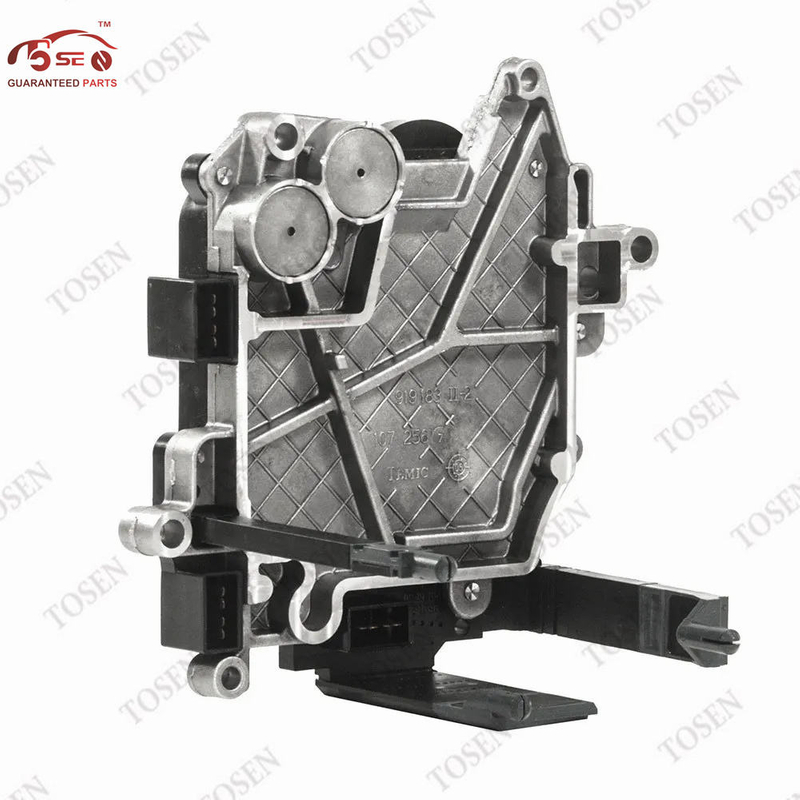
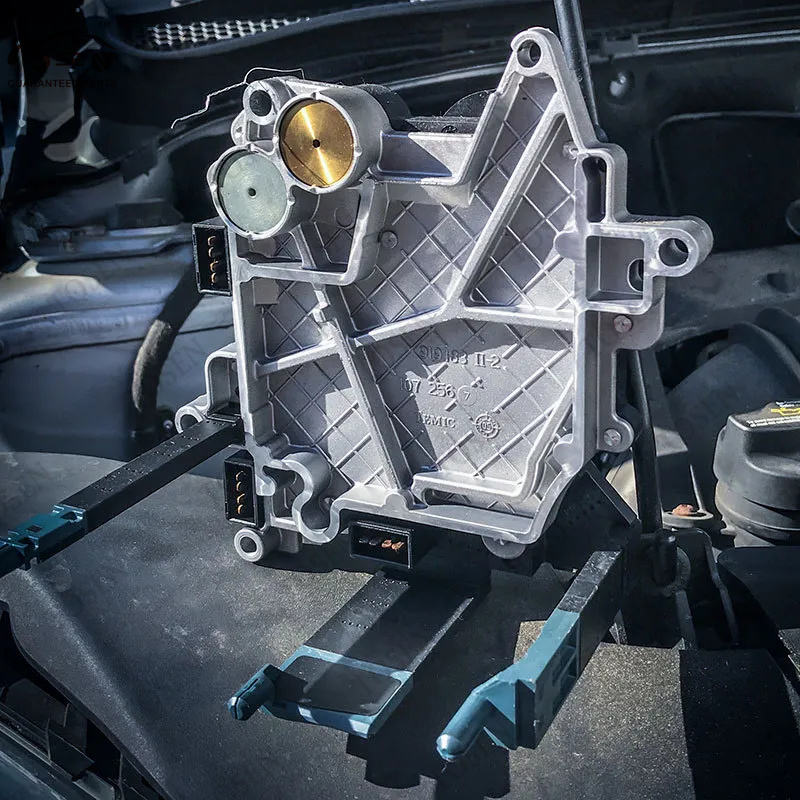
The 01J927156JG Audi Multitronic TCM is the transmission control module fitted to many Audi A4 and A6 models with the 01J continuously variable transmission. When the gearbox throws electrical faults, loses drive, or refuses to engage a gear, this small unit is often the first part a workshop suspects. This guide walks through how to confirm the right part number, what blank versus pre-programmed modules really means, how cloning and component protection are handled, whether the valve body comes in the box, and the bench-test and coding steps that protect you after installation.
Can You Swap a 01J927156JG for a Different 01J Suffix?
The 01J Multitronic family uses a long list of TCM part numbers, and only the last few characters separate them: 01J927156HT, 01J927156HN, 01J927156JG, and similar. The suffix usually tracks the software level, the engine pairing, and sometimes the model-year electronics. Two modules that look identical and plug into the same connector are not always interchangeable, because the transmission also needs the right coding to talk to the engine and ABS systems.
The safe route is to match the exact OE number printed on the old module, and then let the supplier confirm the fitment against your VIN. A supplier that asks for the VIN and the old-part label before confirming availability is following the correct process. This is exactly how we handle the 01J927156JG Audi A4 A6 Multitronic Transmission Control Module — the fitment is confirmed before any unit is dispatched, not after a wrong part has already crossed the ocean.
If you are tempted to fit a cheaper suffix, understand the risk. A wrong suffix can give you a module that powers up but throws coding mismatches, or one that communicates but cannot complete basic settings. The extra hour spent confirming the suffix usually costs less than a return shipment and a second install.
Blank Module or Pre-Programmed Unit: What Are You Actually Buying?
This is the single most common point of confusion in TCM purchases. A blank module arrives with no software or only base firmware, and it must be programmed and coded to the vehicle after installation. A pre-programmed module is loaded with the correct software level for a specific gearbox family, and in many cases it is also bench-tested before shipping.
For a workshop, pre-programmed units save a big block of labour. The module is matched to the transmission code, the adaptation is then completed through the diagnostic tool, and the car goes back to the customer. For the buyer, the key is to state clearly which one you want and to have the supplier confirm it in writing before payment.
When you compare suppliers, you will notice that many companies that advertise DQ200-family modules, such as the 0AM927769D mechatronic, sell repair services on the customer’s own unit rather than a new unit. The 01J926 / 01J927 TCM market is different: the module and the mechatronic valve body are tightly integrated, and a new unit needs to be matched to the gearbox. Our transmission control units and mechatronics range covers both approaches, so you can state blank or pre-programmed in the same enquiry.
Cloning, Component Protection and Immobiliser Concerns
Audi TCMs use anti-theft and component protection logic. In plain terms, the module is coded to the car, and simply bolting in a used or blank unit can trigger protection states that stop the gearbox from working. This is not a hidden flaw in the supplier’s parts; it is how the factory protects the vehicle.
The practical fix is coding. After a TCM exchange, the module is normally coded to the vehicle and the transmission basic settings are completed. Some workshops also use cloning to copy the original software and coding onto a replacement unit, which keeps the car electronics unchanged. Both approaches are routine for a transmission shop with the right diagnostic tool, but they are worth raising before you buy, because they decide whether your install is a one-hour job or a full day.
Manufacturer-level installation notes for the Multitronic family, such as the publicly available 01K installation PDF, treat electrical adaptation after a control-unit exchange as a normal factory-style step rather than an exception. That gives you a standard to hold a supplier to: if they say a module is “plug and play,” ask them to define exactly what coding and basic-setting steps remain.
Does the 01J927156JG Ship with the Valve Body?
The 01J Multitronic TCM is not a free-standing box like a DQ200 mechatronic. It sits inside the transmission’s valve-body / mechatronic area, and depending on the supplier it can be sold as a bare electronic module or as an assembly that includes the valve body and solenoids. This distinction changes the price dramatically, so it has to be explicit in the quote.
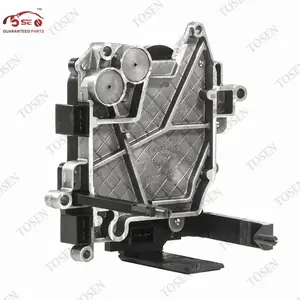
Ask four direct questions before paying: Is this the bare module or the module plus valve body? Are the solenoids and sensors included? Is the unit bench-tested, and can I have a copy of the test result? Which software level is loaded? A supplier that answers all four in writing is showing the traceability that matters for a warranty claim later.
For the broader background on how TCMs, mechatronics, DSG and CVT units compare, our related technical guide explains the differences in one place.
Bench Test Reports and Basic Setting After Installation
Two pieces of evidence protect you in a TCM purchase: the bench test before shipping and the basic setting after fitting. The bench test shows that the unit shifts solenoids, reads sensors, and communicates correctly in a controlled rig. The basic setting (also called adaptation or electrical adaptation) teaches the transmission its clutch and pressure limits once it is installed in the car.
Ask the supplier whether the unit was bench-tested and whether the test result can be attached to the invoice. When the unit arrives, run the installation procedure in order: install, fill with the correct fluid, perform the electrical basic setting, then a road test with live data. Record the fault-memory status before and after the basic setting. That record becomes your baseline if a software fault appears later, and it is the evidence a warranty claim depends on.
If your shop does not have the diagnostic tool for Audi basic settings, factor that into the job estimate now. A control-module swap without a basic setting often leaves the car with harsh engagement, a limp mode, or a stored electrical fault. In practice this means two things for the buyer: confirm what software level is loaded before purchase, and plan the diagnostic step into the labour hours you quote to your customer.
Warranty Scope: Which Software Problems Are Covered?
Not all warranty policies are the same. Some cover the hardware only; others also cover software faults that appear within the warranty window. Because a TCM is mostly software-driven, this difference matters more for a control module than for a mechanical part.
Before you order, confirm in writing: how long is the warranty, does it cover software faults as well as electronics, what evidence do you need for a claim (bench-test report, fault codes, install photos), and who handles shipping for a replacement. A one-line “12-month warranty” tells you almost nothing; the claim procedure tells you everything.
Frequently Asked Questions
What vehicles use the 01J927156JG TCM?
The 01J927156JG is used in Audi A4 and A6 models with the 01J Multitronic continuously variable transmission, mainly in the early-2000s to mid-2000s range. Confirm the exact application with your VIN before ordering, because suffix and software level vary by engine and year.
Is a pre-programmed 01J927156JG plug and play?
Usually not without a final step. A pre-programmed unit is loaded with the correct software level and is often bench-tested, but after installation the module normally still needs to be coded to the vehicle and the transmission basic settings completed through a diagnostic tool.
Can I fit a 01J927156HT instead of a 01J927156JG?
Only after the supplier confirms the interchangeability against your VIN and gearbox code. The suffix tracks software level and engine pairing, so a visually identical module can fail coding or basic settings if it is not matched.
Does component protection stop a used TCM from working?
Yes, in many cases. Audi modules are coded to the car, and a used or blank unit can trigger protection states. Cloning the original software and coding, or completing a proper coding session after installation, resolves this for a workshop with the right tooling.
What evidence should I keep for a warranty claim?
Keep the invoice with the part number and software level, any bench-test report from the supplier, the fault codes from before installation, and the basic-setting record. This set of documents is what most warranty claims are judged on.
Get a Fitment-Confirmed Quote
Submit your VIN, old-part label / OE number, model year, quantity, and destination port to receive a fitment confirmation and a quote. State whether you want a blank or pre-programmed module and whether the valve body is included, and the supplier will confirm the scope before dispatch.
References
- 01K Multitronic family installation notes (public PDF covering electrical adaptation after control-unit exchange): d2q1ebiag300ih.cloudfront.net — 225740-01K-IN.pdf
- Comparative reference for DQ200-family mechatronic units (used here only to show the difference from 01J TCM supply models): gmsspares.com.au — 0AM927769D