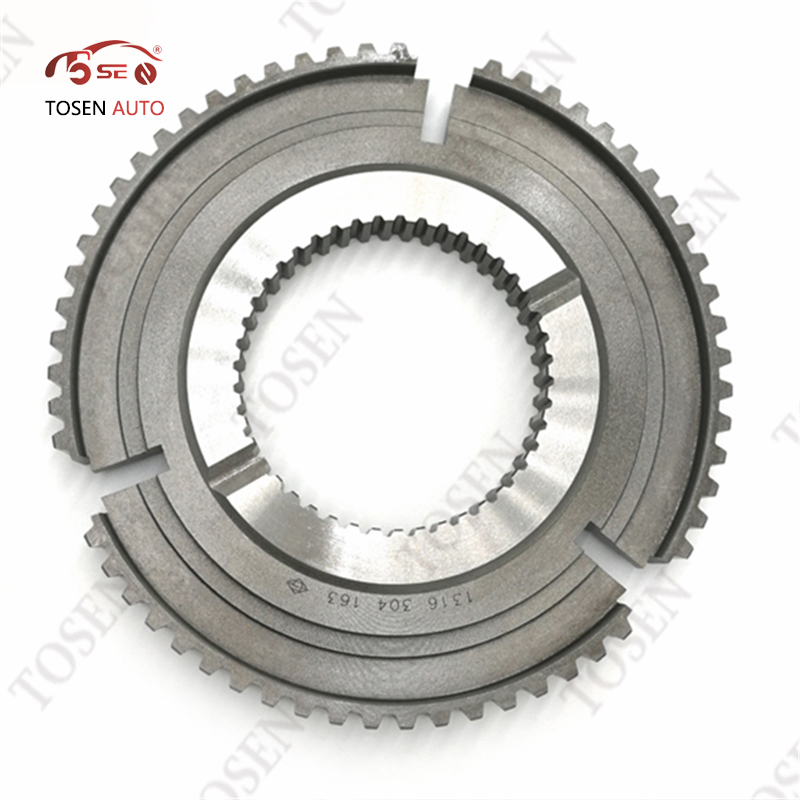
The 1316304163 ZF synchronizer hub is the machined steel part that ties the shift sleeve, keys, and gears together inside a heavy-duty truck gearbox. When it wears, you feel it as grinding shifts, missed gears, or a lever that gets hard to move. Replacing it is a straightforward rebuild job, but only if you order the right part and inspect it the right way. This guide explains how to confirm that the 1316304163 hub fits your ZF gearbox, when to buy it as a single part or as a full synchronizer kit, how to judge wear before you rebuild, and what to check in the box when your order arrives.
How to Confirm the 1316304163 Hub Fits Your ZF Gearbox
Fitment for a synchronizer hub comes down to three facts that must all line up: the OE number, the gearbox model, and the physical tooth count. The number 1316304163 is the original equipment part number that appears on the hub casting or its OE label. Before you trust any listing, ask the seller to match that number against the gearbox model you are rebuilding, because the same hub family can appear across more than one ZF transmission range.
Read the gearbox model from the plate or stamped tag on the case, and match it to the hub listing. Do not rely on the truck model alone — two trucks of the same make and year can carry different gearboxes, and the hub sits inside the gearbox, not the truck. The reliable path is: gearbox model + OE number on the old part + tooth count.
Tooth count is the cheapest confirmation you can do without special tools. Count the teeth on the old hub and compare them with the replacement. A hub that is one tooth off in spline count or gear teeth will not slide into mesh, and the mistake usually shows up only after the gearbox is fully assembled. If you are not sure which version you have, send the supplier the number stamped on the old part rather than a photo from memory.
For the exact unit built for this application, see our 1316304163 Synchronizer Hub for ZF product page, which lists the fitment information and the supplied configuration. Keep the OE number and the gearbox model together when you request a quote; that pair is what makes a wrong shipment avoidable.
Hub, Ring, Cone or Sleeve: What Do You Actually Need to Order?
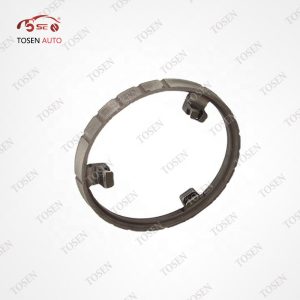
A synchronizer assembly is not one part — it is a small stack of parts that work together to match gear speed before the teeth lock in. The hub is the center piece that slides on the mainshaft. The sliding sleeve moves over the hub and locks into the gear when you shift. The synchronizer ring (also called the baulk ring) rubs against a cone on the gear to slow it down. The cone, keys, and springs complete the set.
When a gear grinds during shifting, the wear is rarely limited to one component. The ring takes most of the friction and wears first, but a worn ring can leave wear marks on the hub’s splines and the sleeve’s teeth. Replacing only the ring while the hub is scored is a common reason a “repaired” gearbox starts grinding again a few weeks later.
The practical rule for a rebuild shop is simple: if the gearbox is already on the bench, fit the components that touch each other from the same set. Many suppliers sell the hub and ring together for this reason. Buying a full synchronizer kit avoids the mismatch problem, but if the hub shows no wear, a single-part replacement can still be the right call. The inspection step in the next section is what makes that decision, not the sales pitch.
You can compare the full range of synchronizer rings and gearbox parts in our transmission parts category to see what is stocked for ZF and other truck gearboxes before you build your order.
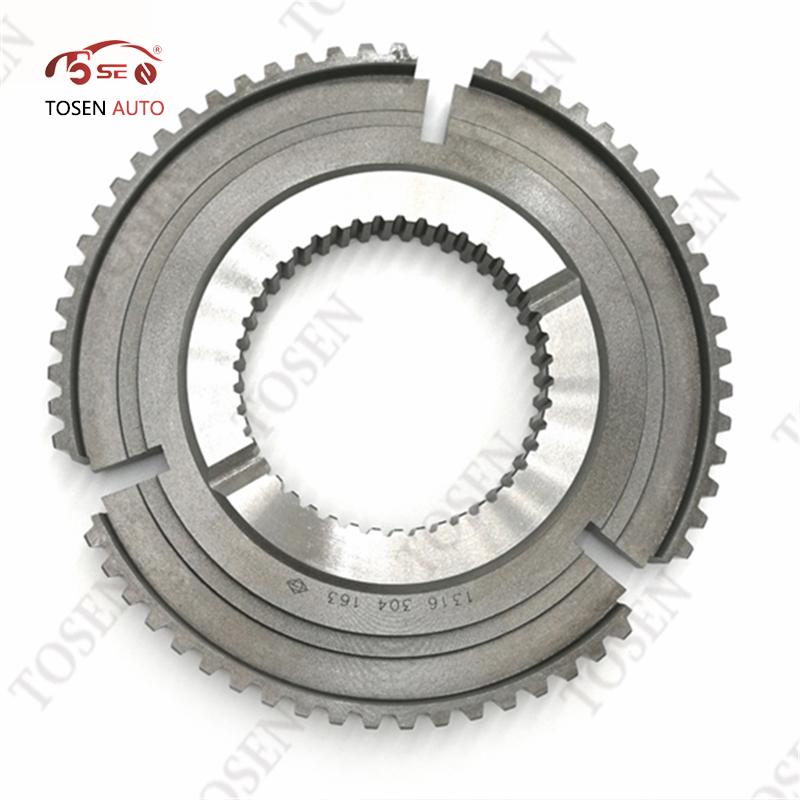
Inspecting a Worn Synchronizer Hub Before You Rebuild
Put the old hub on a clean bench and check it in four steps. First, look at the gear teeth and spline teeth for rounding or burrs. A chamfer that looks flattened, or a burr you can feel with a fingertip, means the teeth are no longer catching cleanly. Second, check the keyways and slots where the keys or struts ride. Wear here shows as a shiny, polished groove that can grab the key instead of letting it float.
Third, slide the hub onto the mainshaft splines by hand. It should move with a light, even fit — not loose enough to rock side to side, and not tight enough to need force. A hub that rocks on the shaft has worn splines and should be replaced with the shaft inspected at the same time. Fourth, look at the friction surfaces. Scoring, bluing, or a bright polish pattern across the cone contact area means the hub has been slipping under load.
These inspection steps follow standard practice for synchromesh gearboxes. Eaton’s service manual for light-duty synchromesh transmissions, referenced at the end of this article, walks technicians through the same kind of component-by-component check, and the ZF S5-42 inspection bulletin gives the same rule: measure and inspect before you reassemble. A rebuild that skips the inspection step is a guess, and a guessed rebuild is what comes back on a tow truck.
For the wear patterns that show up most often on rings, hubs, and sleeves, read our related technical guide on synchronizer ring wear symptoms and replacement — it covers the early warning signs that save you a second teardown.
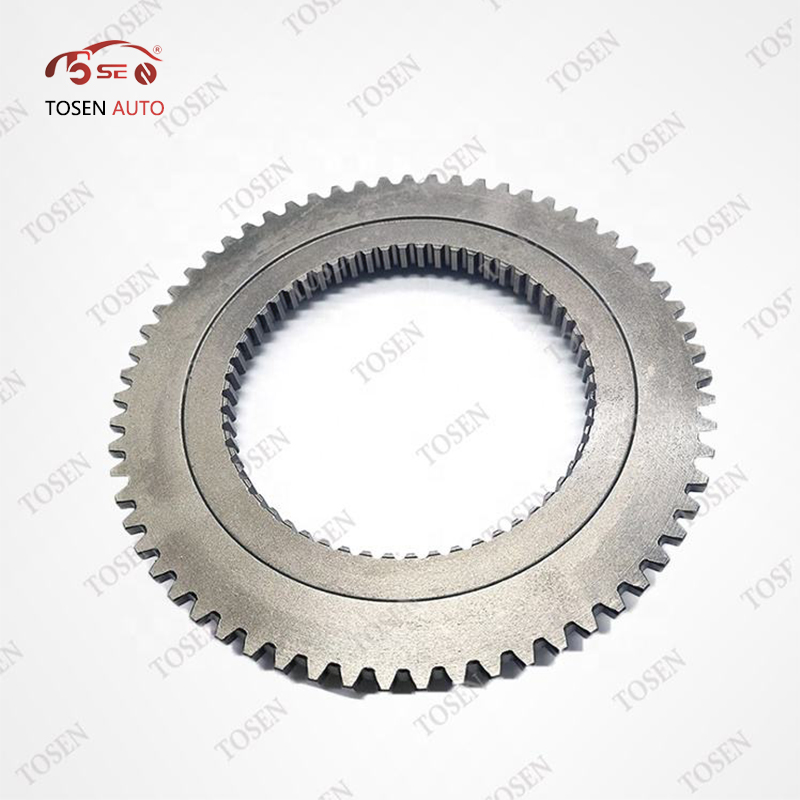
Tooth Count, Dimensions and Pre-Lubrication Details
Before you close the order, confirm the two numbers that define the part: the tooth count on the engagement teeth and the spline count on the bore. These two numbers are the dimensional fingerprint of a synchronizer hub. A supplier that can state both numbers, and that will confirm them against your old part, is worth more than one that only repeats the OE number.
If your gearbox is a common ZF model, the numbers are easy to verify. If it is an odd application, ask the seller to check the dimensions against a drawing before production or dispatch. This is the point where a sample confirmation matters most: a repair shop or dealer that orders a sample first, measures it against the old hub, and then places the bulk order, rarely has a fit problem.
Pre-lubrication is the second detail that is easy to get wrong. A synchronizer hub should be lightly coated with gear oil before assembly so the sleeve slides on the first stroke without dragging. If you receive a hub that is bone dry, coat it with the same oil the gearbox will run before you fit it. Some suppliers ship hubs with a protective coating — wipe it clean and re-oil before installation rather than leaving it on.
Surface treatment matters for service life. Hubs made from case-hardened steel, with surface treatments in the nitriding or carburizing family, resist wear far longer than plain machined steel. Ask which treatment the hub has had; the answer is a good signal of whether the part was made for heavy-duty service or for the cheapest possible listing price.
Buying for a Shop or Fleet: Batch Consistency, Packaging and Warranty
When you stock hubs for a workshop or a fleet program, consistency across batches matters as much as the first part. A hub that measures right in the sample but drifts a few tenths in the next batch is a silent problem: it fits today, grinds in three months. Ask the supplier how they control batch-to-batch dimension and treatment consistency, and buy from one production line where possible.
Packaging is the part buyers often ignore until it is too late. Synchronizer hubs are small, dense steel parts, but a container crossing the ocean will not do them favors if they rattle loose. TosenAuto ships transmission parts in wooden crates sized for sea freight, which protects machined surfaces and keeps small parts grouped by order so your technician does not sort a box of mixed parts at 7 a.m.
Finally, put the warranty line in writing before you pay. Ask what the coverage is, when it starts, and what proof you need if a part fails. A supplier that documents the test and inspection steps for each batch, and that confirms fitment by OE number before dispatch, is answering the same questions a careful buyer should ask — that is the difference between a parts listing and a supply partner.
Unlike a plain catalog row, TosenAuto confirms the OE number and gearbox model before the crate is built, so the order that arrives is the order you intended. That confirmation loop is what keeps a shop’s rebuild schedule on time instead of waiting three weeks for the correct part.
Frequently Asked Questions
How do I confirm the 1316304163 hub fits my ZF gearbox?
Match three things: the OE number on the old hub, the gearbox model from the case tag, and the tooth count. Give the supplier the OE number and gearbox model together so they can confirm fitment before dispatch.
Should I order the hub alone or the full synchronizer kit?
If the gearbox is already open and the ring or sleeve shows wear, order the matched set so the parts that touch each other come from the same batch. If only the hub is worn, a single hub is fine.
How can I tell the hub is worn?
Look for rounded or burred teeth, polished wear grooves in the keyways, a hub that rocks on the shaft splines, and scoring on the friction surfaces. Any one of these is enough to replace it.
What material and surface treatment should I look for?
Case-hardened steel with a nitriding or carburizing surface treatment gives the longest service life in heavy-duty use. Ask the seller which treatment the hub has had before you order.
Can I order hubs in bulk for consistent stock?
Yes. Ask how the supplier controls batch-to-batch dimensions and treatment, and request a sample to measure against your old part before the bulk order. Wooden-crate packaging keeps bulk orders protected in sea freight.
Get a Fitment-Confirmed Quote
Submit your VIN, old-part label / OE number, model year, quantity, and destination port to receive a fitment confirmation and a quote. The OE number and gearbox model you send are the same records used to confirm the 1316304163 ZF synchronizer hub before your crate is built, so the part that arrives is the part your rebuild schedule is waiting on.
References
- Eaton — Light-Duty Synchromesh Transmissions Service Manual (TRSM2105): eaton.com (PDF)
- Eaton Cummins — Endurant Service Manual (TRSM0950): eatoncummins.com (PDF)
- ZF Model S5-42 Inspection Information (Technical Service Bulletin, via charm.li): charm.li