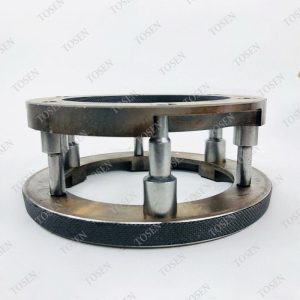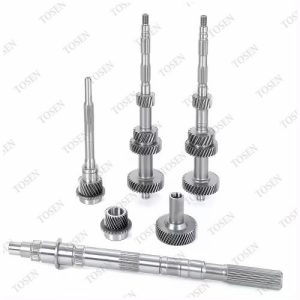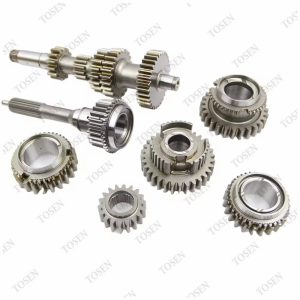
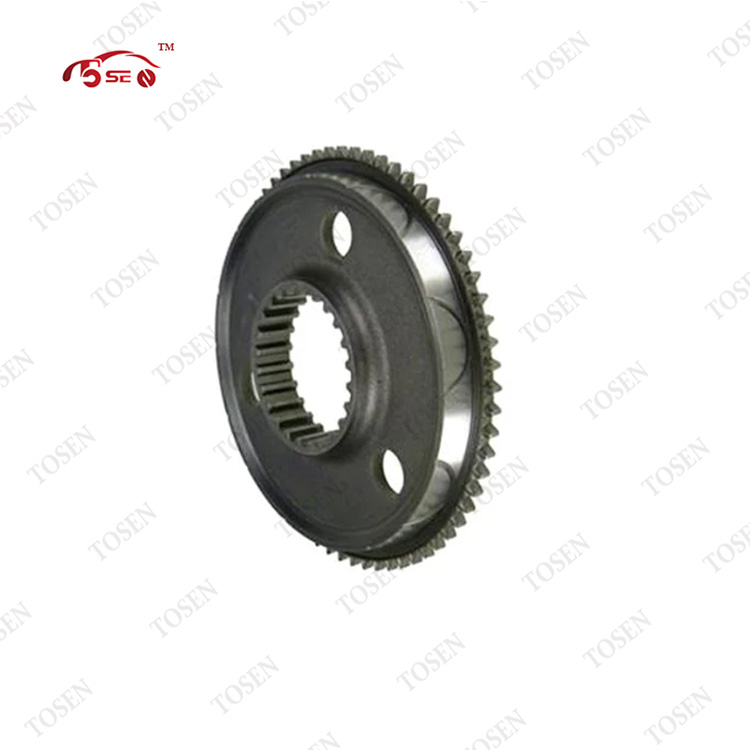
The 1789444 Scania synchronizer ring is a wear item that many heavy truck gearboxes hit sooner than owners expect. When the ring’s friction surface thins or glazes, the shift feels rough, gears grind, or the lever will not engage at all. This guide explains what the 1789444 and 1304850 part numbers mean, what material the ring is made from, whether you need the ring alone or a full kit, and how to confirm fitment before you spend money.
What Do 1789444 and 1304850 Mean on a Scania Gearbox?
Scania parts carry two kinds of identifiers: the OE part number printed on the box and a cross-referenced number used by parts catalogs and aftermarket suppliers. In this case 1789444 is the primary OE reference, while 1304850 appears in European catalogs and aftermarket listings as the interchangeable number for the same synchronizer ring application. Both numbers point to a synchromesh ring used in Scania truck transmissions that share this gear pattern.
Before you order, read the number stamped or laser-marked on the old ring. If the marking is worn, take the whole unit or a clear photo of the assembly so the supplier can confirm the cross-number against their catalog. A wrong cross-number is one of the most common causes of a returned shipment — the ring looks similar but the tooth count or cone angle is off. That is why a parts listing should always state both numbers when they apply.
We carry this exact application as the Truck Gearbox Synchronizer Ring 1789444 1304850 for SCANIA, so the listing can be checked directly against the marking on your old part.
What Material Is the Synchronizer Ring Made Of?
Most modern truck synchronizer rings use a steel or brass base with a friction material bonded to the working surface. The friction material is the part that does the real work: it grabs the cone on the gear, matches the shaft speed to the gear speed, and lets the sleeve slide home without grinding. The base gives the ring its stiffness, while the friction layer provides the grip and wears out over time.
The material choice affects three things a buyer actually cares about:
- Shift feel — a good friction surface gives a clean, crisp engagement instead of a long, mushy drag.
- Wear life — the friction layer is the sacrificial part; when it is gone, the ring no longer synchronizes.
- Cost — a steel-backed ring with a quality friction lining typically lasts longer than a thin brass ring under heavy duty cycles, but the difference only shows up in service.
When you compare suppliers, ask what material the ring uses and whether it matches the OEM construction. Avoid listings that cannot describe the material at all — the friction layer is the whole point of the part. Eaton’s synchromesh transmission service manual describes how the friction material is inspected during a rebuild, because worn or glazed friction is exactly what turns a smooth shift into a grinding one.
Ring, Cone, Hub or Sleeve — Do You Need a Full Synchronizer Kit?
A synchronizer assembly is made of several parts that wear together: the ring, the cone or sleeve, the hub, and often springs and keys. Buyers usually make one of two mistakes: they replace only the ring when the cone is also worn, or they buy a full kit when only one part failed. The right call depends on the condition of each part, not on a rule of thumb.
Here is the practical check sequence:
- Inspect the ring friction surface for glazing, thinning, or chips.
- Check the cone and hub for scoring and step wear where the ring seats.
- Check the keys and springs for fatigue — broken springs are a common cause of “no sync” complaints.
- Decide: single ring if everything else is clean; kit if the mating parts show any wear.
For repair shops, the kit route usually wins on labour. The gearbox is already on the bench; pulling the synchro cluster again to install a second ring costs more in labour than the price difference between a ring and a kit. For fleets buying in bulk, keeping both options open matters more, because batch stock covers both single-part failures and full rebuilds.
Across our catalogue you can compare synchronizer rings and gearbox parts and see both single rings and assembly-level options, so the stocking decision stays yours.
Tooth Count, Dimensions and Pre-Lubrication — What to Verify
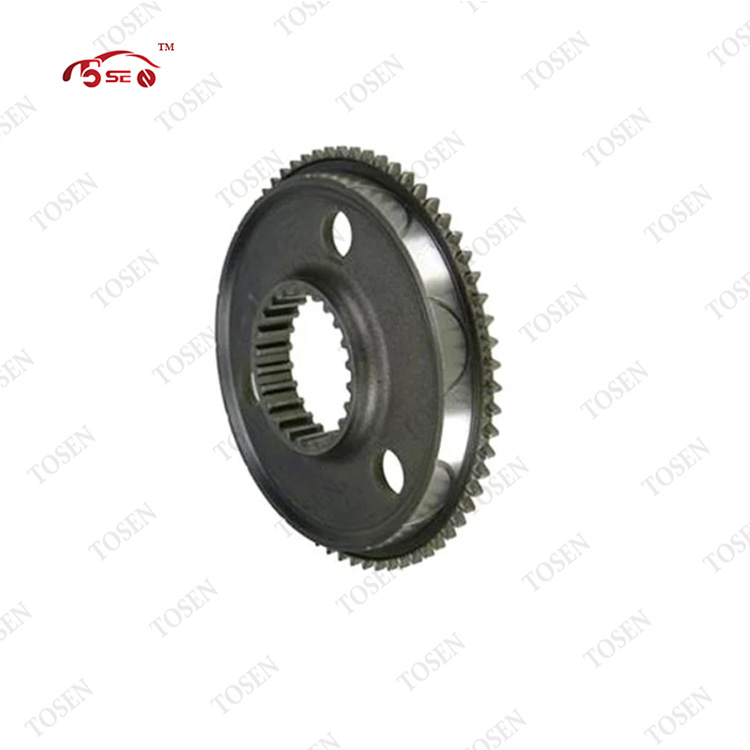
Two numbers decide whether a synchronizer ring physically fits: the tooth count on the ring’s outer spline and the cone angle that meets the gear. Both must match the transmission model, and neither can be confirmed from a photo alone. Give the supplier your transmission model or the stamped part number so they can verify tooth count and dimensions against their specification sheet.
Pre-lubrication is the step most missed during installation. Synchronizer parts must be lubricated before assembly so the friction surfaces do not grab dry on the first shift. Eaton’s service manual for synchromesh transmissions stresses correct lubrication of the synchronizer during rebuild, and the ZF inspection bulletin for the S5-42 series makes the same point: dry or improperly lubricated synchromesh parts cause premature wear and hard shifting. If your workshop manual covers the transmission, follow its lubrication spec for the ring, cone, and keys rather than assuming a universal grease is fine.
When Is the Ring Worn Enough to Replace? (Gear Grinding Symptoms)
The classic symptoms of a worn synchronizer ring are unmistakable once you know them:
- Grinding when shifting into a gear, especially when the box is cold.
- Shifting feels like the lever has to “fight” its way in.
- Gear pops out under load, or the shift never fully engages.
- Noise or resistance only in one gear — the synchro for that gear is the suspect.
One important diagnosis point: a single bad gear usually points to that gear’s synchro, while a pattern across multiple gears points to a shared problem such as clutch drag, low oil, or a worn shift fork. If the ring is worn, replace it and its mating cone together for a rebuild that lasts. For a step-by-step check of wear limits and replacement logic, read our related technical guide on synchronizer ring wear symptoms and replacement.
Batch Consistency for Wholesale and Rebuild Centers
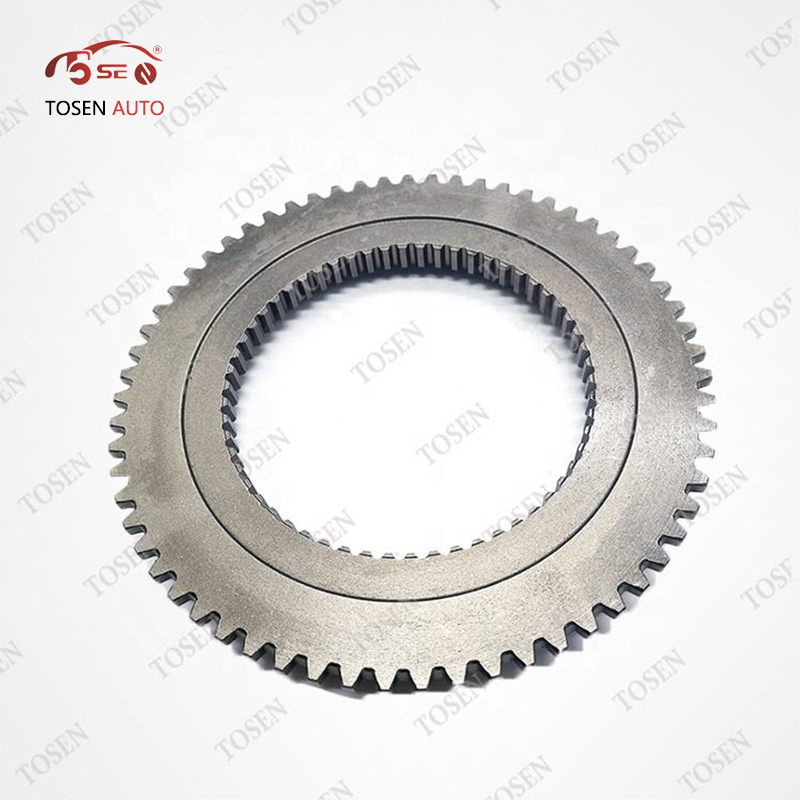
If you buy synchronizer rings in volume, consistency matters more than the price of a single piece. A rebuild center that fits fifty gearboxes a month cannot afford rings that vary in tooth count or surface finish between batches. Ask the supplier three questions before committing to volume:
- Is the part made to a fixed specification with the same material across batches?
- Can the supplier confirm the cross-number and fitment per batch rather than once per listing?
- What is the minimum order quantity, and how is the stock packed for freight — plain boxes for domestic or wooden-crate / export packing for sea freight?
B2B suppliers differ from retail parts sellers here: the value is in the confirmation step and the consistent repeat supply, not in a one-off sale. A supplier that asks for your transmission model and OE number before quoting is doing the job correctly, because that confirmation is what keeps batch one and batch twenty identical.
Frequently Asked Questions
Are 1789444 and 1304850 the same part?
In practice they are the interchangeable references for the same Scania synchronizer ring application. Confirm by checking the marking on your old ring against the supplier’s listing, which should state both numbers.
Should I replace the ring alone or buy a synchronizer kit?
Inspect the cone, hub, keys, and springs first. If the mating parts show any wear, buy the kit — the labour saving outweighs the price difference. Replace the ring alone only when everything else is clean.
Why does my gearbox grind on one gear only?
A single gear grinding usually means the synchro for that gear is worn. A pattern across several gears suggests clutch drag, low oil, or a worn shift fork. Check the ring and its cone together before rebuilding.
Do I need to pre-lubricate the synchronizer before assembly?
Yes. Synchromesh parts must be lubricated correctly before assembly, or the friction surfaces grab dry on the first shift. Follow the transmission workshop manual’s lubrication spec.
Can you confirm fitment before I order in bulk?
Yes. Send your transmission model and the stamped OE number, and the fitment is confirmed against the listing before any quote is issued. This keeps batch-to-batch consistency for wholesale orders.
Get a Fitment-Confirmed Quote
Submit your VIN, old-part label / OE number, model year, quantity, and destination port to receive a fitment confirmation and a quote for the 1789444/1304850 Scania synchronizer ring. The same numbers that confirm the cross-reference become the records that guarantee the correct part ships in the correct packaging for your workshop, rebuild center, or fleet order.
References
- Eaton — Light-Duty Synchromesh Transmissions Service Manual (friction material inspection and lubrication): eaton.com TRSM2105 service manual
- Eaton Cummins — Endurant Service Manual (synchronizer inspection and measurement): eatoncummins.com Endurant service manual
- ZF Model S5-42 Inspection Information (technical service bulletin): charm.li — ZF S5-42 inspection TSB