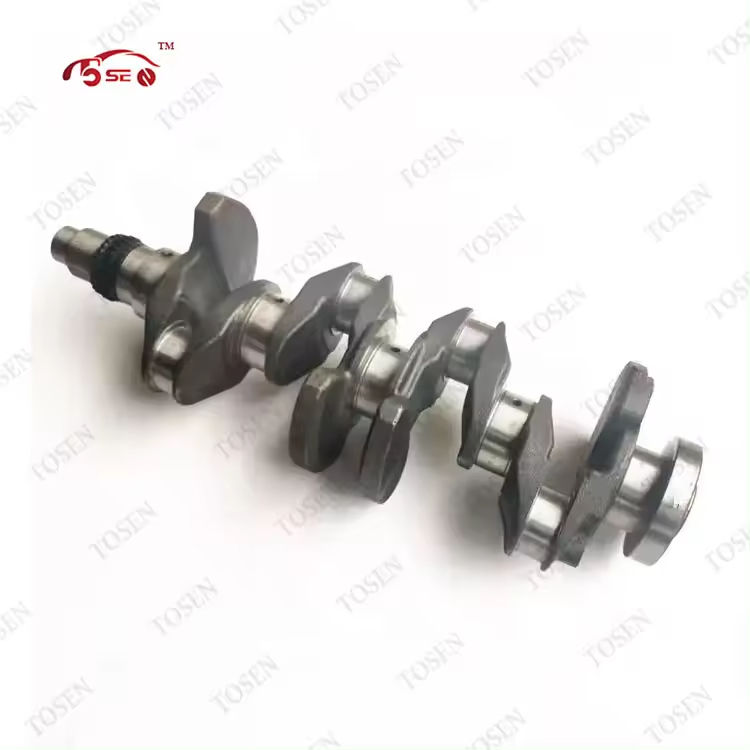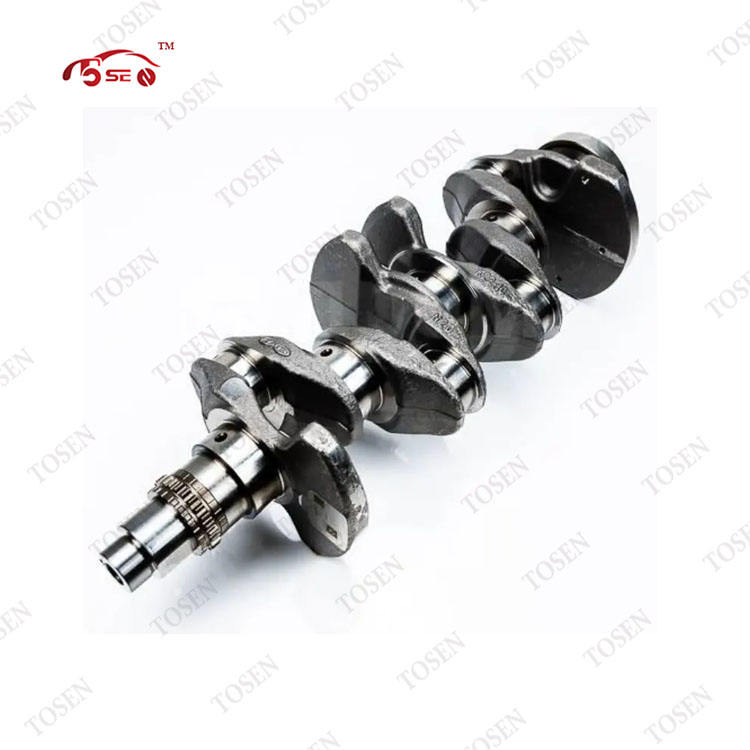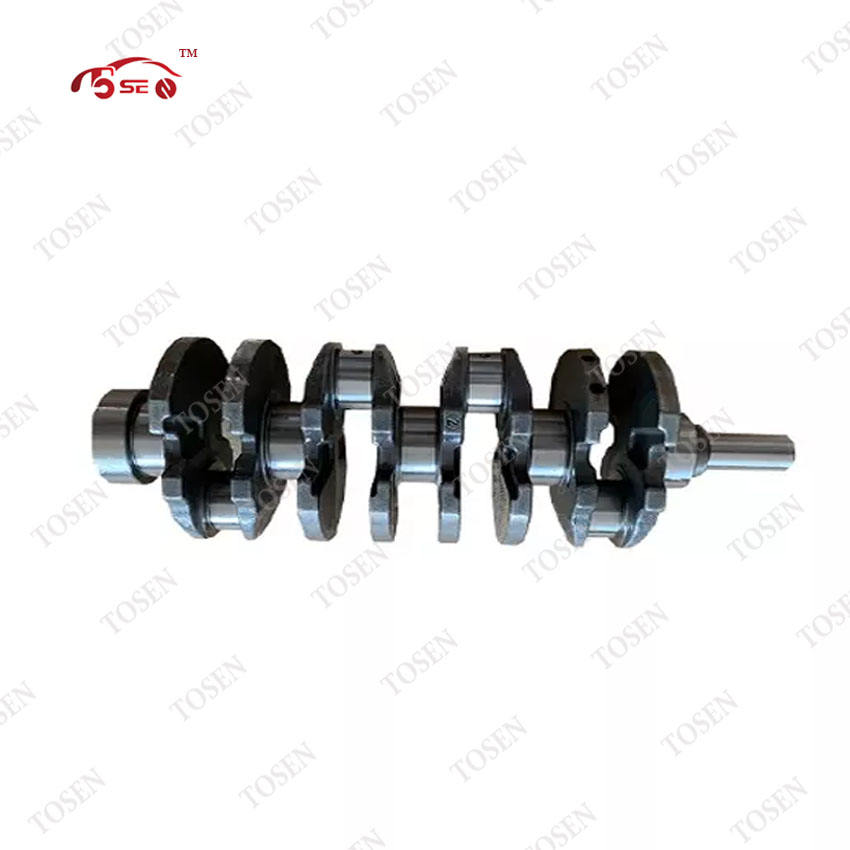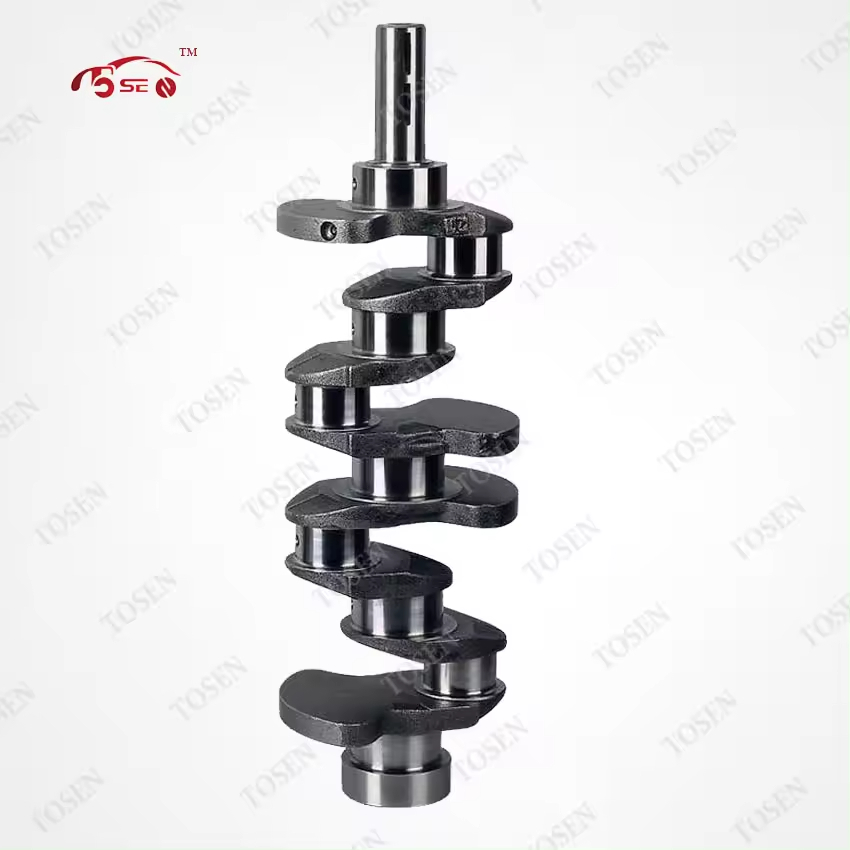
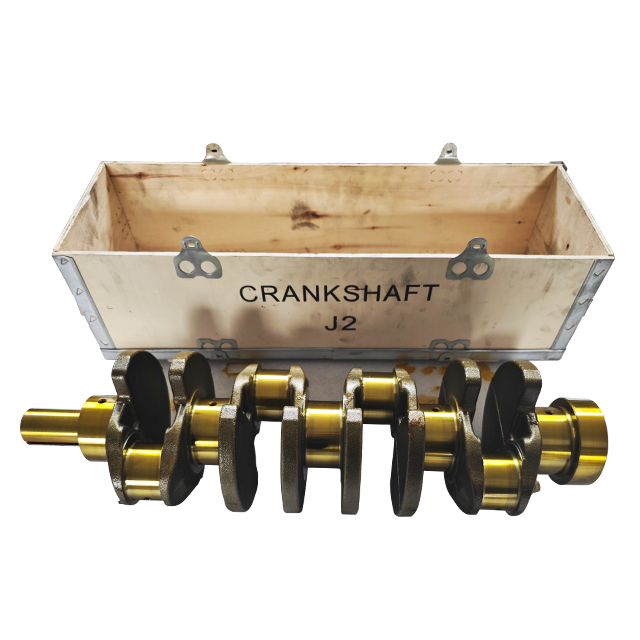
Engine Crankshaft
TOSEN supplies crankshafts for engine repair and rebuilding enquiries. The engine code and crankshaft identification are the starting points for choosing the correct replacement.
Product Overview
TOSEN supplies crankshafts for engine repair and rebuilding enquiries. The engine code and crankshaft identification are the starting points for choosing the correct replacement.
Product Specifications
| Component | Engine crankshaft |
|---|---|
| Application | Engine rebuilding |
Application and Part Selection
Include the stamped or cast number, main and connecting-rod journal dimensions, overall length and flange arrangement. These details distinguish crankshafts that can look similar in a product photograph.
Request a Product Quote
Send the engine code, crankshaft number, journal dimensions and quantity. Clear photographs of the front end, rear flange and identification marks help describe the required part.
Contact TOSEN for a quotation or browse Crankshafts.
Function and Operation
An engine crankshaft is the rotating shaft at the centre of a reciprocating engine, converting the up-and-down strokes of the pistons and connecting rods into the continuous rotation that leaves the engine for the transmission. Main journals running in the block support the shaft, connecting-rod journals carry the big ends of the rods, counterweights keep the rotating assembly balanced, and the flange at the rear of the shaft carries the flywheel or drive plate that smooths the power pulses. The component absorbs reversing loads on every combustion stroke, which is why crankshaft replacement sits at the core of an engine rebuilding project.
- Component covered: engine crankshaft for repair and rebuilding enquiries
- Working surfaces: main journals and connecting-rod journals
- Identification carried by the shaft: stamped or cast number
- Figures that separate one shaft from another: journal dimensions, overall length, flange arrangement
Vehicle Compatibility Notes
Crankshaft fitment follows the engine rather than a vehicle badge, so TOSEN opens every enquiry with the engine code and the crankshaft identification taken from the shaft itself. The stamped or cast number on the original component anchors the search, and the main and connecting-rod journal dimensions, the overall length and the flange arrangement settle the match, because shafts that appear almost alike in a listing photograph can differ in each of those measurements. Engines sharing a displacement family can also carry different crankshaft versions across production periods, so figures read from the vehicle always outrank an assumption drawn from the model name.
- Starting points: engine code plus crankshaft identification
- Core figures: main journal and connecting-rod journal dimensions
- Further checks: overall length and flange arrangement
- Evidence rule: figures from the original shaft outrank catalogue assumptions
Quality and Inspection at TOSEN
Each crankshaft supplied through TOSEN for engine rebuilding is inspected against the identification supplied with the enquiry. The verification works through the journal dimensions, the overall length and the flange arrangement exactly as the customer recorded them from the original shaft, and photographs of the front end, the rear flange and the identification marks give the inspection a visual reference alongside the written figures. Where an enquiry covers several engines, every shaft is processed against the details of its own engine code, keeping the matches individual instead of treating a whole fleet as one specification.
Frequently Asked Questions
What is an engine crankshaft?
An engine crankshaft is the rotating assembly that turns the reciprocating motion of pistons and connecting rods into continuous torque at the output end of the engine. Main journals support the shaft in the block, rod journals carry the connecting rods, and the rear flange carries the flywheel or drive plate. As the backbone of the rotating assembly, the crankshaft is a core component of any engine repair or rebuilding project.
How is the correct crankshaft identified for a rebuild?
Identification begins with the engine code, followed by the stamped or cast number on the original crankshaft. The main and connecting-rod journal dimensions, the overall length and the flange arrangement are then compared with the replacement, because those figures separate crankshafts that look similar in a product photograph. Recording every detail from the shaft being removed gives the enquiry a complete basis for the match.
Why are photographs requested with a crankshaft enquiry?
Photographs of the front end, the rear flange and the identification marks document the shaft in a way written measurements alone cannot. A picture of the stamped or cast number removes transcription errors, and views of the flange and the timing end show features a list of dimensions may not capture. Together with the journal dimensions and the overall length, the images let TOSEN match the replacement on the first order.
What should a crankshaft enquiry include?
A complete enquiry carries the engine code, the crankshaft number, the main and connecting-rod journal dimensions, the overall length, the flange arrangement, the quantity required and the destination. Photographs of the front end, the rear flange and the identification marks complete the package. With those details recorded, TOSEN can identify the shaft and return a quotation for the engine being rebuilt.
| Component | Engine crankshaft |
|---|---|
| Application | Engine rebuilding |
Shipping Information
All orders are shipped via international freight forwarders with full tracking. Standard lead time is 15–25 business days depending on destination. Express shipping options available for urgent orders.
Returns Policy
Products are inspected before shipment and packed to international standards. In case of shipping damage or manufacturing defect, please contact our support team within 30 days of receipt with photos for assessment.