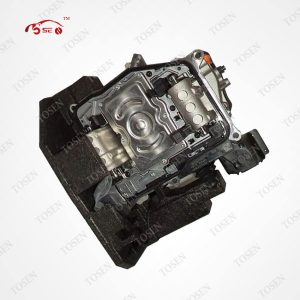
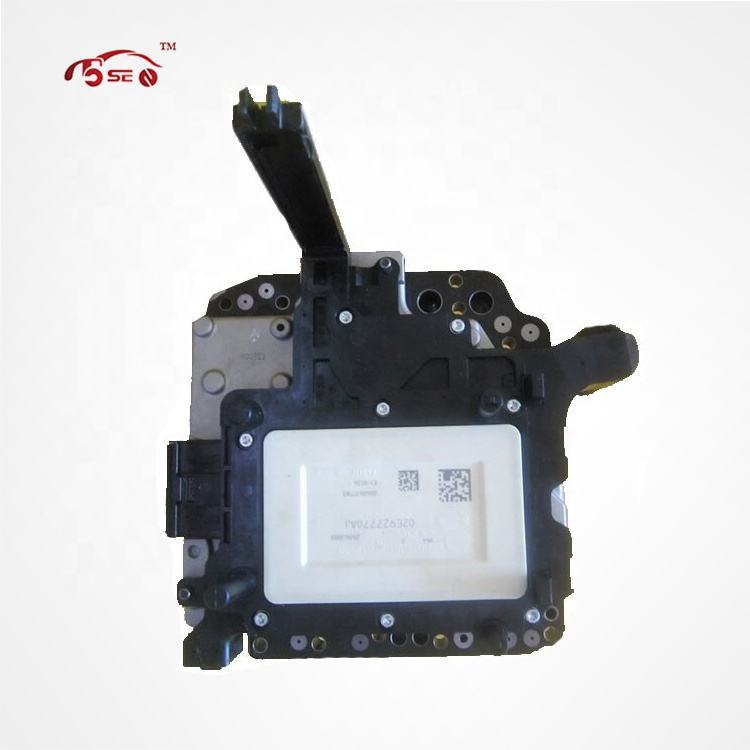
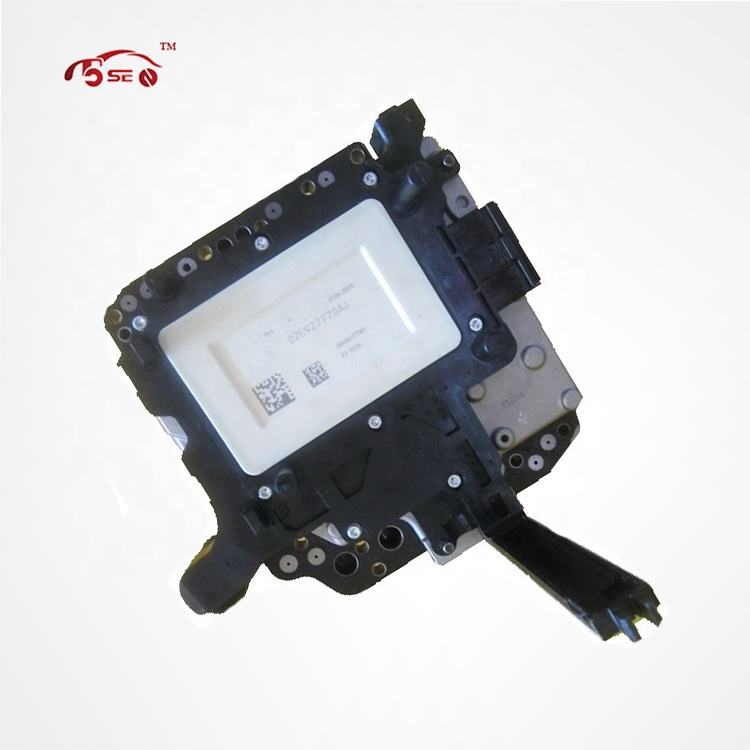
The 02E927770AJ DQ250 mechatronic is the electronic and hydraulic control unit of the 02E six-speed wet dual-clutch gearbox used across VW, Audi, Skoda and Seat models. When the car starts to jerk, hesitates between gears, loses drive, or logs P17xx-style fault codes, the mechatronic is one of the first parts a transmission shop suspects. Before you spend money, you need clear answers on part-number suffixes, whether the unit ships pre-programmed, what the valve body adds to the deal, and which checks separate a safe buy from an expensive return. This guide walks through each decision in plain language.
Which 02E9 Part Number Suffix Replaces the 02E927770AJ?
DQ250 mechatronics share a long prefix, 02E927770, followed by a two-letter suffix such as AJ, AK, AL, AM, AN or AP. The suffix tracks two things at once: the hardware revision of the unit and the software group it was built to run. That is why two units can look identical on a shelf and still not be interchangeable for the same car.
The practical rule is simple. Read the full OE number printed on the old mechatronic label, and do not stop at the first few characters. The two-letter suffix is the part that decides the software group. A later suffix often supersedes an earlier one, but that supersession only holds for the same gearbox code, engine type and market. A petrol Golf and a diesel Octavia can both carry an 02E gearbox yet need different mechatronic software.
This is where a supplier that asks for identifiers first earns its keep. Give them the full number from the old label, the VIN, and the model year, and let them confirm the exact replacement before anything is packed. You can see the unit built for this application on our DQ250 Automatic Transmission Gearbox with New TCU TCM, Vehicle Replacement 02E927770AJ Parts page, which lists the 02E927770AJ configuration and the fitment scope.
Run this checklist before quoting a replacement:
- Full OE number from the old mechatronic label, including the two-letter suffix.
- VIN of the vehicle (this decides the software group and market calibration).
- Gearbox code stamped on the transmission case.
- Engine type and model year (petrol or diesel, engine output).
- Old-part photos, including the connector and the label, if the seller asks.
Blank Module or Pre-Programmed Mechatronic — Which One Are You Buying?
The single biggest source of buyer confusion is the difference between a blank unit and a programmed one. A blank mechatronic is a bare assembly with no usable software for your car. It will not shift correctly until a diagnostic tool writes the right software level to it. A programmed unit has been coded for a software group and is usually delivered ready to install, pending basic settings.
Always ask the seller the direct question: “Does this unit ship programmed for my vehicle, or is it a blank module?” The answer changes your labour plan. A blank unit means you need dealer-level equipment and time, plus a scan tool that can flash the transmission control module. A programmed unit still needs basic settings on the car, but it removes the biggest step.
The same question separates new from remanufactured stock. New units typically leave the factory with current software for the listed application. Remanufactured units start from a used core that is cleaned, re-sealed, re-flashed and tested. Both can be fine, but you must know which one you are pricing, because the programming work differs after installation.
Cloning, Anti-Theft and Component Protection After a Mechatronic Swap
Modern VW/Audi gearboxes do not simply accept a different mechatronic. The unit stores learned values, and the vehicle can flag a swapped part through component protection and anti-theft coding. If you install a used unit that still carries the donor car’s data, the car may refuse to engage gears or demand a security access procedure before it will run.
Two outcomes are possible. Either the supplier clones the original data onto the replacement before shipping, or you re-code and re-adapt the unit on the car after fitting. Neither option is difficult when you plan for it; both are painful when you discover them after the old unit is out. Put “programmed or blank” and “does it need cloning or security access” on your question list before purchase.
Bench equipment matters here too. A unit that has been cloned, flashed and tested off the car is a much lower risk than a part pulled from a scrapped gearbox with unknown history. Ask the seller what data work was done before the unit left their workshop.
Does the Valve Body Come with the TCU?
The DQ250 mechatronic is really two parts that usually travel together: the TCU, the electronic board that runs the shift logic, and the hydraulic valve body, the block of solenoids, valves and bores that physically moves the clutch and gear actuators. On the 02E gearbox the board mounts directly onto the valve body, which is why most listings sell them as one assembly.
Not every listing does, though. Some sellers offer just the TCU board or just the valve body, and a buyer who assumes the price covers both can be in for a surprise. Confirm the scope of supply in writing: complete mechatronic with valve body, or bare board only. If the listing is vague, ask before ordering.
For a full range of matched TCU and mechatronic assemblies across DSG families, browse our transmission control units and mechatronics category. You can also reference the technical background in our related technical guide.
Why Bench Testing Matters Before the Unit Ships
A mechatronic can look perfect on the outside and still fail on the inside. Solenoid coils wear, hydraulic bores score, seals harden, and the board can have dry joints that only appear under heat or load. Visual condition tells you almost nothing about any of that.
Bench testing changes the risk profile. A proper bench test exercises the solenoids, measures hydraulic pressures, and runs the electronics through simulated gear changes. The result is a unit whose behaviour is known before it goes in the crate. Industry repair documentation treats valve bodies as measurable, serviceable components — bore wear is addressed with sleeves, reamers and replacement valves rather than whole-unit guesses — and that same mindset is why tested units carry fewer surprises.
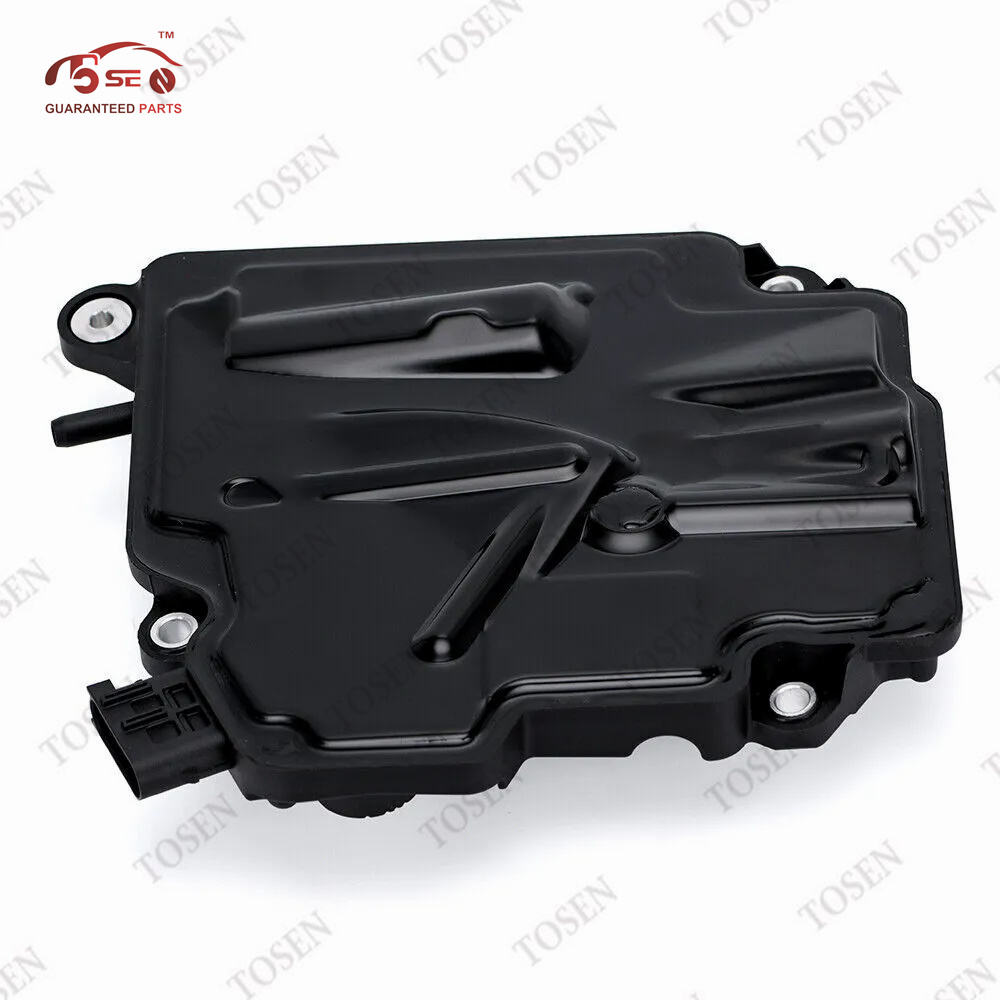
Ask for the evidence. A test report, solenoid readings, or photos from the bench are normal things for a supplier to share. A seller who cannot show any test result is asking you to accept the risk they have not checked. Keep that report with your invoice — it becomes the reference point if the unit misbehaves after installation.
Basic Settings and Adaptation After Installation
Fitting the mechatronic is only half the job. The DQ250 needs basic settings performed through diagnostic software after the unit is in place, so the transmission can relearn the clutch bite points and gear positions. Skip this step and you may get harsh shifts, a delayed engagement, or a fail-safe mode even from a perfectly good unit.
The routine is standard in shops that service DSG boxes: install the mechatronic, refill with the correct VW-spec DSG fluid to the right level, run basic settings, then road test and watch shift quality. The exact menu names differ between VCDS and ODIS, but the principle is the same — the gearbox must be told to re-learn its own clutch characteristics.
If you are buying for a customer or a fleet, plan this step into the labour quote. It is also the reason you want the supplier to confirm which software group the unit carries, because basic settings behave differently if the software level does not match the vehicle.
Software Faults and the Warranty Responsibility Line
Warranties on mechatronics usually separate hardware from software. A failed solenoid, a cracked board, or a leaking seal is hardware and normally covered. A fault caused by wrong coding, incorrect fluid, or installer error is not. Where a programming fault falls depends entirely on what the seller promised.
If the seller advertises a plug-and-play, pre-programmed unit, get that promise in writing together with the software level and the bench test result. That written record decides whether a later “it will not shift” complaint is a covered hardware claim or an excluded software issue. If you bought a blank unit and the coding went wrong in your shop, the responsibility line is usually yours.
Ask the same question you would ask for an engine: when does the warranty start, what does it cover, and what evidence do you need to file a claim? A seller that documents the unit, tests it, and asks for your identifiers first is building the same paper trail on their side — and that is exactly what makes a claim smooth when something does go wrong.
Frequently Asked Questions
Is the 02E927770AJ interchangeable with other suffixes such as AK, AN or AP?
A later suffix often supersedes an earlier one, but only within the same gearbox code and engine group. Send the full OE number from your old label plus the VIN so the supplier can confirm the correct replacement instead of guessing.
Do I need to program the mechatronic after fitting it?
It depends on what you bought. A blank unit needs dealer-level programming before it will work. A pre-programmed unit still normally needs basic settings and clutch adaptation on the car, so plan diagnostic time either way.
Does the price include the valve body?
On the DQ250, the TCU and valve body usually ship as one complete mechatronic assembly. Always confirm the listing states a complete unit with valve body; some sellers list the TCU board separately.
How can I tell whether a unit was bench tested?
Ask for the test report, solenoid or pressure results, or photos from the bench. A seller who cannot show any test evidence is asking you to take a risk they have not checked.
What happens if a used mechatronic triggers component protection?
A used unit may carry the donor car’s data. The supplier should clone or re-program it for your vehicle before shipping, or you will need security-access coding on the car after fitting.
Get a Fitment-Confirmed Quote
Submit your VIN, old-part label / OE number, model year, quantity, and destination port to receive a fitment confirmation and a quote. This closes the loop: the same identifiers that prove the correct 02E927770AJ suffix and programming scope become the records used to ship the right DQ250 mechatronic for your vehicle.
References
- Sonnax — VW/Audi DSG valve body repair instruction (clutch cooling valve, kit 225740-01K): 225740-01K-IN.pdf
- MercedesMedic — 722.9 7G-Tronic valve body and conductor plate guide: mercedesmedic.com