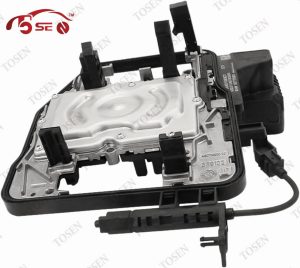
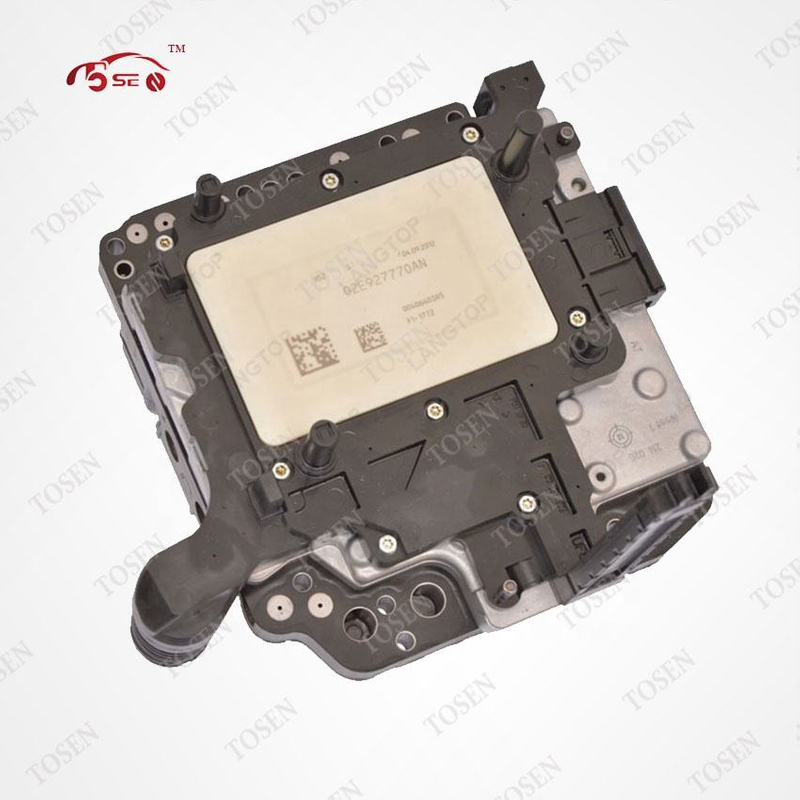
The 02E927770AN DQ250 TCU is the electronic brain of the six-speed wet-clutch DSG found in a long list of VW, Audi, and Skoda cars. When this unit fails, the gearbox often stops shifting cleanly, throws warning lights, or drops into limp mode. Before you buy a replacement, you need to know three things: whether this exact part number fits your car, whether the unit you order is blank or already programmed, and what coding is still required after installation. This guide walks through each step so you can order with confidence and avoid the classic DQ250 replacement mistakes.
Which Vehicles Use the 02E927770AN DQ250 TCU?
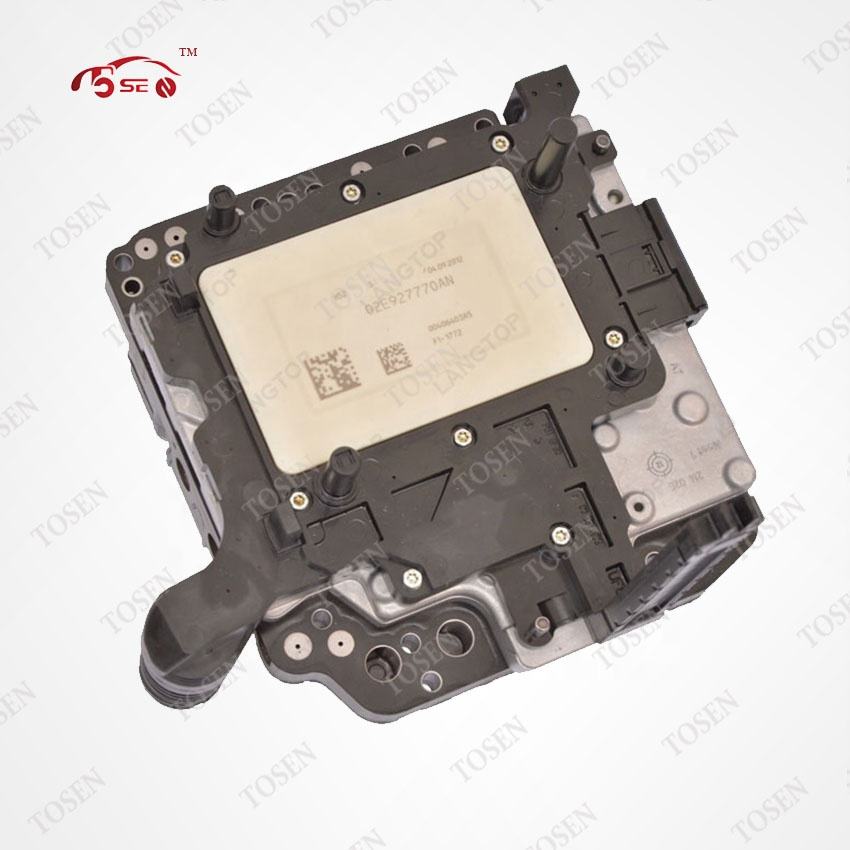
The 02E927770AN is a later-revision control unit for the DQ250, also known as the 02E. This is the six-speed wet-clutch direct-shift gearbox used with transverse engines. It appeared in popular models including the VW Golf (Mk5, Mk6), Jetta, Passat, Tiguan, and Touran, as well as the Skoda Octavia and Superb and the Audi A3 and TT. Different engine sizes and model years use slightly different software and valve body builds, which is why the part number alone is not always enough.
The suffix is the part that trips most buyers up. 02E927770AN is one of several suffixes in the 02E927770 family, and earlier letters such as AH, AJ, AK, and AM exist too. Some of these units share the same hardware, but the factory software and the coding requirements can differ. A replacement unit must match the control logic of your car, not just the connector shape. That is why suppliers who ask for your VIN before quoting are not being slow, they are protecting you from a wrong order.
You can review the exact unit we supply on our DQ250 02E927770AN Transmission Control Unit for VW Skoda, Enhanced Shift Precision page, which shows the supplied configuration for this listing.
Before you contact any supplier, collect these four identifiers:
- The full VIN of the car (it pins down model, engine, and gearbox build).
- The OE part number and suffix printed on the old TCU label.
- The gearbox code stamped on the transmission (for example, on the 02E series).
- The model year and engine code, because software levels changed over the production run.
Blank Module or Pre-Programmed TCU: What Arrives in the Box?
This is the single most common cause of returned DQ250 TCUs. A blank or virgin module has no vehicle data loaded. It will not communicate correctly with the rest of the car until it is coded, and on many modern DSG setups it will not even engage gears properly. A pre-programmed unit, on the other hand, is loaded with the correct software before shipping, which shortens the install and lowers the chance of a “no communication” fault right after fitting.
Ask the seller directly which state you are buying. Some listings are deliberately vague, and the difference changes your labour plan. If you buy a blank unit and you do not have access to proper diagnostic and coding equipment, factor in the cost of a shop visit before you compare prices.
We stock both the control units themselves and the wider mechatronic range, so you can compare what ships as a programmed unit versus a bare module. Browse our transmission control units and mechatronics category to see the current listings and their stated configuration.
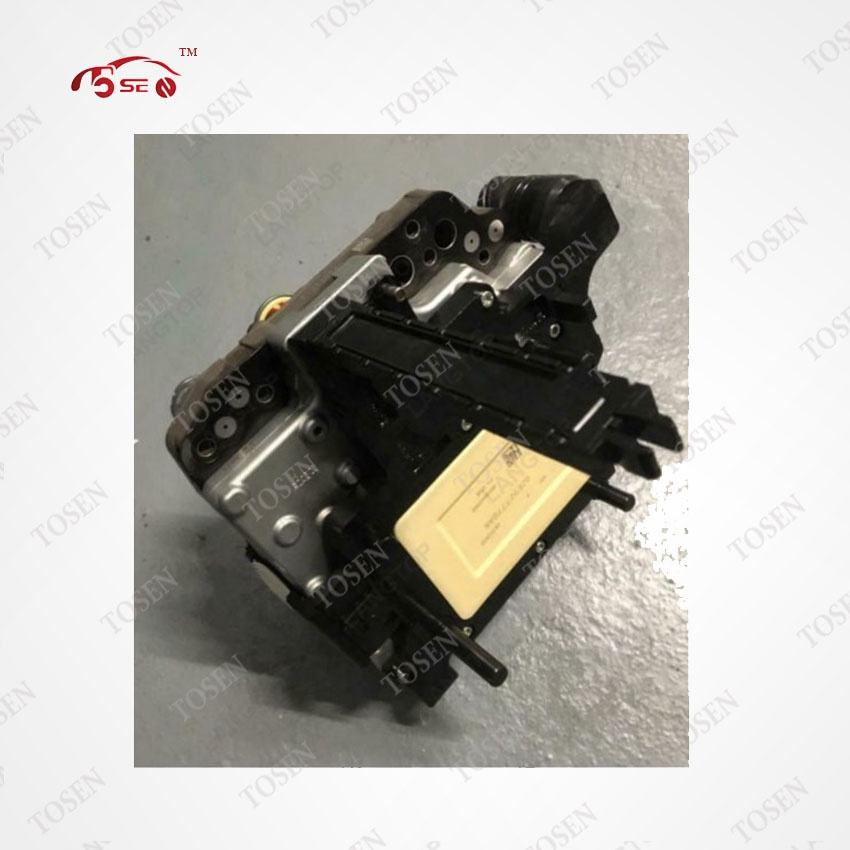
Mechatronic Failure Symptoms: When to Suspect the TCU
The DQ250 mechatronic unit combines the TCU electronics with a hydraulic valve body in one housing. When it fails, the symptoms are fairly recognizable to a workshop that has seen a few DSG cars:
- Harsh or delayed shifts, especially between first and second gear.
- The gearbox drops into limp mode or refuses to engage a gear.
- Warning messages such as “Gearbox malfunction” on the dash.
- Sudden jolts or clutch shudder that appears and then disappears.
- Fault codes in the transmission control module that point to pressure, solenoid, or communication errors.
Not every DSG problem is a TCU problem. Clutch wear, low hydraulic fluid, and a tired valve body can all produce similar symptoms. A proper scan with a VW/Audi compatible tool tells you which circuit is failing. If the scan points to the control unit, a TCU replacement is usually the most direct fix; if it points to solenoids or pressure regulation inside the valve body, the repair decision is different. Independent repair guides for the 02E series make the same point: diagnose before you replace, because the mechatronic assembly is expensive to buy blind.
Coding, Component Protection and Basic Settings After Install
Even a pre-programmed unit may still need some work after you fit it. On many DQ250 applications, the replacement TCU must be coded to the car. This usually means writing the correct software version and, where required, confirming the gearbox code and engine combination so the unit talks to the rest of the network.
Component protection is the second thing to plan for. VW/Audi electronics use a component protection system that can lock a control unit to the vehicle. If the unit is locked, the car will run with reduced function or refuse to start until the protection is removed. This is a workshop procedure, not something you can complete with a generic code reader. A reputable seller will tell you clearly whether the unit ships unlocked and ready to code.
After coding, most DQ250 installations also benefit from a clutch and gearbox basic setting or adaptation. This teaches the unit the clutch kiss points and the wear state of the box. Skipping this step is a common reason a fresh TCU shifts harshly on the first drive. The factory instruction files for the 02E mechatronic assemblies describe these adaptation steps in detail, and any workshop that works on DSG boxes will have the procedure available.
For a plain-English overview of how TCUs, DSG, and CVT electronics differ, read our related technical guide before you decide between repair and replacement.
Valve Body or TCU Only: Defining the Scope of Your Order
Because the mechatronic unit houses both the electronics and the hydraulics, you can buy the TCU alone or the complete mechatronic assembly. The choice changes both the price and the labour. If your scan shows the failure is purely electronic, a TCU swap can fix the car without touching the valve body. If the hydraulic side is worn, the complete assembly is usually the safer route, because separating the two halves risks damaging seals and requires careful handling.
Ask the seller what exactly ships: the control unit only, or the control unit plus valve body and solenoids. Check the listing photos carefully and read the description. Some units are sold “with valve body” while others are sold as a bare module, and the two are not interchangeable in labour terms. Also confirm whether seals and gaskets are included, because a DSG repair that turns out to be missing a separator plate gasket will stall your job.
When you compare suppliers, look beyond the headline price. The total cost includes the unit, any programming or coding you must pay for locally, the valve body scope, and the risk of a wrong-suffix return. That last point is where a supplier who confirms your VIN and old-part label before shipping earns its keep.
Frequently Asked Questions
Will a 02E927770AN replace a 02E927770AJ or another suffix?
Sometimes, but not always. Suffixes in the 02E927770 family can share hardware while carrying different factory software. Match the suffix to your car’s requirement, or confirm with the supplier using your VIN before ordering.
Is the 02E927770AN blank or pre-programmed when delivered?
It depends on the listing. Always ask the seller which state you are buying. A pre-programmed unit reduces local coding work; a blank unit requires diagnostic and coding equipment before the car will drive correctly.
Do I need to do anything after installing the TCU?
Usually yes. The unit may need coding to the vehicle and, on many DQ250 cars, a clutch and gearbox basic setting. Component protection may also need to be cleared by a qualified workshop.
Does the valve body come with the TCU?
Not necessarily. Some listings ship the control unit only; others ship the complete mechatronic assembly with the valve body. Confirm the scope before you order so you can plan the labour correctly.
What is component protection, and will it affect my install?
Component protection is a VW/Audi electronic lock that can reduce function if a control unit is fitted to an unfamiliar vehicle. A qualified workshop removes it with the correct diagnostic tools. Check with the seller whether your unit ships unlocked.
Is software failure covered by the warranty?
Ask before buying. Reputable suppliers treat software issues as part of the warranty on a pre-programmed unit, but the terms vary. Get the warranty terms in writing, including what documentation you must provide if a claim arises.
Get a Fitment-Confirmed Quote
Submit your VIN, old-part label / OE number, model year, quantity, and destination port to receive a fitment confirmation and a quote. The same identifiers that prove fitment become the records used to ship the correct 02E927770AN DQ250 TCU for your VW or Skoda, with the valve body scope and programming state confirmed in writing.
References
- 02E mechatronic assembly instruction file (DQ250 service documentation): d2q1ebiag300ih.cloudfront.net (02E instruction PDF)
- Valve body and conductor plate repair validation notes: mercedesmedic.com (valve body repair guide)
- OEM suffix replacement reference for DSG control units: gmsspares.com.au (0AM927769D listing)