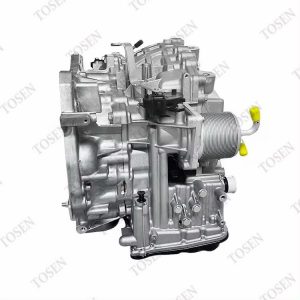
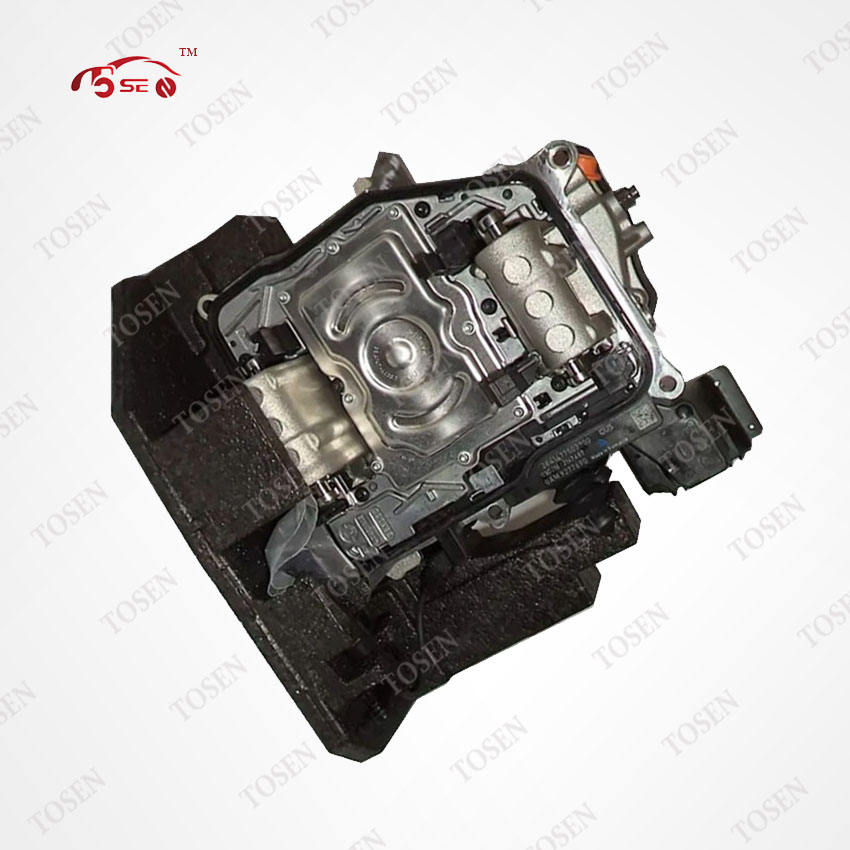
The 0AM325025LZ3C VW Golf TCU is the complete transmission control unit used in the 7-speed DQ200 dry-clutch DSG, the gearbox fitted to a large share of VW Golf, Polo, Jetta and small Audi and Skoda models. When the original unit triggers gear-shift faults, stalls in limp mode, or loses communication with the engine ECU, replacing the complete mechatronic TCU is often the fastest repair for a workshop. This guide explains what programming is really needed, how to check part-number compatibility, and what you should verify before you buy.
Part Number Suffixes: Can a Different 0AM TCU Replace the LZ3C?
The 0AM325025LZ3C number is not just a label. In VW’s 7-speed DSG system, the TCU part number carries a hardware revision suffix, and that suffix decides which software map the unit accepts and which vehicle generations it talks to cleanly. Suffixes such as LZ3B, LZ3C, LZ3K and LZ3L look similar, but they are tied to different hardware generations and different flash levels.
A workshop should never assume two suffixes are drop-in replacements. The safe workflow is to read the old part number directly off the unit, match the vehicle VIN, and confirm the model year and platform before ordering. Suppliers who ask for the VIN and the old-part label first are following the correct process, because the VIN pins down the production year and the exact software family the car needs.
On our Replacement Complete TCU Compatible with Volkswagen Golf 7 Speed – 0AM325025LZ3C product page, the listing is explicit about the OE number it matches. If your old unit carries a different suffix, share the old label photo with us before ordering so we can confirm whether the LZ3C unit is the right hardware revision for your car.
Blank Module or Pre-Programmed: What Do You Actually Receive?
This is the question that separates an easy week from a bad one. Some sellers ship a bare control board that arrives “blank” — it has no software for your car and needs full coding with dealer-level tools before the car will move. Others ship a complete TCU that has been programmed to the OE number listed in the title.
A complete TCU sold for a specific number such as 0AM325025LZ3C should arrive as a unit that matches that OE application. That is the point of selling it as a “complete” unit rather than as a repair board. Ask the supplier three questions before you pay: Is the unit new or remanufactured? Has it been bench tested? Does the software already match the OE number, or will it need coding after install?
For any 7-speed DSG work, you also want to understand how far a TCU swap goes in the factory workflow. VW workshop instructions for DQ200 mechatronic replacement describe the diagnostic and adaptation steps that follow a unit exchange — the point is that the repair is not finished when the part is bolted in. You should expect to carry out guided basic settings after installation. Our transmission control units and mechatronics category page lists the complete TCU range we supply, so you can compare options before committing.
Programming, Coding and Basic Settings: What Really Happens After Install
Let us separate three terms that buyers often mix up. Programming loads the software into the unit. Coding tells the unit which vehicle variant it is fitted to. Basic settings, sometimes called adaptation or calibration, teach the mechatronic system the clutch touchpoints and gear-selector positions of the actual gearbox in the car.
For a complete, pre-programmed TCU that matches the OE number, the heavy lifting is already done at the factory bench. What remains after installation is normally the basic-settings procedure: the transmission is commanded through its adaptation routine, and the tool confirms the values are within range. This is standard practice for DQ200 mechatronic work and is described in the official DQ200 mechatronic replacement guidance used across the trade.
If the replacement is only the TCU board and the valve body and sensors come from your old unit, the situation changes. The new electronics then need to learn the tolerances of the existing hydraulic unit, which can trigger additional adaptation. That is why buying the complete unit with the valve body included removes a whole class of matching problems — there is no mix of old and new hardware to reconcile.
Cloning, Component Protection and Immobilizer Concerns
VW’s 7-speed DSG electronics are covered by anti-theft logic. On vehicles where the TCU is linked to the immobilizer or uses component protection, simply swapping the unit can put the car into a protected state where it will not start or will refuse gear engagement. The correct response is not to try to bypass the protection — it is to confirm before ordering whether the car’s configuration allows a straightforward unit exchange, and to have the tools ready to run the guided start-up after install.
This is exactly why the VIN and model year matter so much. A 2010 Golf and a 2016 Golf share the DQ200 nameplate but sit in different security and software generations. A unit that is a perfect match for one can refuse to cooperate in the other. When you provide the VIN at quote stage, the supplier can flag any protection or coding concern before you spend money.
Valve Body Included or Not: Defining the Repair Boundary
When a DSG is failing, the mechatronic unit — the electro-hydraulic assembly that actually moves the clutches — is often the failing part, not the bare control board. If you buy only the TCU board and your valve body has internal wear, you may reinstall a worn hydraulics unit under a new brain and chase the same fault codes next week.
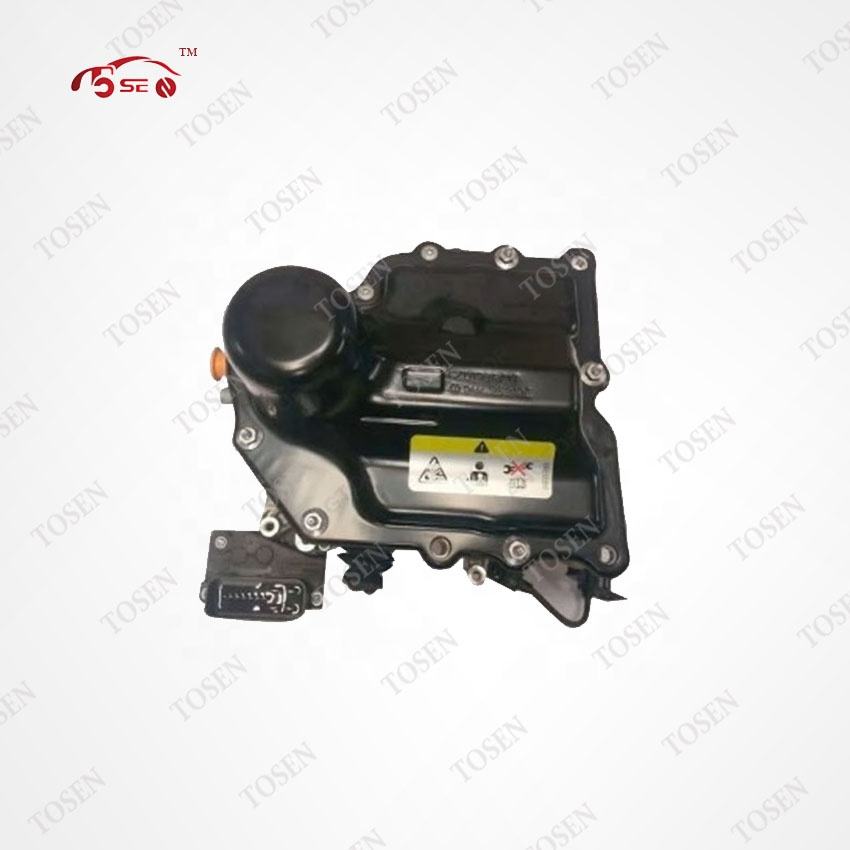
The complete 0AM325025LZ3C TCU includes the mechatronic valve body as one assembly. That makes the repair boundary clear: the supplied unit is the full electro-hydraulic package, and what transfers from the old car is wiring, the gearbox itself and the vehicle-side adapters. For a workshop this is simpler to quote, easier to warranty, and removes the risk of mismatched hardware that causes intermittent faults.
For the selection logic across DSG, CVT and other automatic control units, see our related technical guide explaining the differences between TCU generations and when a complete unit is the right call.
Bench Tested Before Shipping: What Proof to Demand
A TCU is an electronic assembly; a visual inspection tells you nothing about whether it shifts. A bench test exercises the unit under power, verifies communication, and confirms the software responds correctly before the unit is packed. Any supplier of DQ200 mechatronic units should be able to state that the unit is bench tested and what the test confirms.
Ask for the test status in writing. A unit that has been tested and matched to the OE number gives you a documented baseline — if a warranty question comes up later, you have a record of what the unit was verified to do before it shipped. New complete units avoid core variability entirely, which is why they carry more predictable behaviour than a remanufactured board from an unknown donor.
The practical buyer checklist before you commit:
- Old part number on the unit and its suffix (e.g. LZ3C vs a different revision).
- Full VIN and model year of the Golf / Polo / Jetta / small Audi / Skoda.
- New or remanufactured, and whether the complete valve body is included.
- Bench test status in writing, and what the test verified.
- Whether basic settings must be run after install and with what tool.
- Warranty terms for software-related faults versus installation faults.
Frequently Asked Questions
Does a 0AM325025LZ3C TCU need programming before installation?
A complete unit sold for this OE number should arrive with software matching that application, so the main work after install is the guided basic-settings procedure. If you receive a bare board, full programming and coding will be needed. Confirm the programming state with the seller before ordering.
Can I use a different suffix instead of LZ3C?
Not automatically. The suffix identifies the hardware and software generation. Match the old part number and VIN before replacing — a wrong suffix can cause communication faults or refuse to complete adaptation.
Is the valve body included in the complete 0AM325025LZ3C TCU?
Yes, in a complete unit the mechatronic valve body is part of the assembly. This avoids pairing new electronics with a worn hydraulic unit and makes the repair boundary clear.
What happens if the car has component protection or immobilizer logic?
The unit exchange may need a guided start-up with the appropriate diagnostic tool. Provide the VIN at quote stage so the supplier can flag any protection or coding concern before you spend money.
Do you warranty software-related faults?
Warranty covers the supplied assembly against defects, not installation errors or faults caused by a mismatched vehicle. Confirm the warranty terms in writing and keep the bench-test record with the invoice.
Get a Fitment-Confirmed Quote
Submit your VIN, old-part label / OE number, model year, quantity, and destination port to receive a fitment confirmation and a quote. The same identifiers that verify the 0AM325025LZ3C part-number match are the records used to ship the correct complete TCU for your Golf 7-speed DSG, so you can order with confidence that the unit and the car agree before the crate leaves the factory.
References
- DQ200 mechatronic replacement guidance (Bosch/VW 7-speed DSG service instruction): 225740-01K-IN.pdf
- Mercedes Medic — understanding valve body and conductor plate replacement in automatic gearboxes: mercedesmedic.com
- GMS Spares — 0AM927769D DSG TCU parts reference for the DQ200 family: gmsspares.com.au