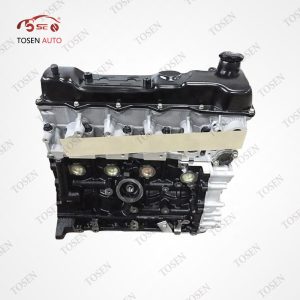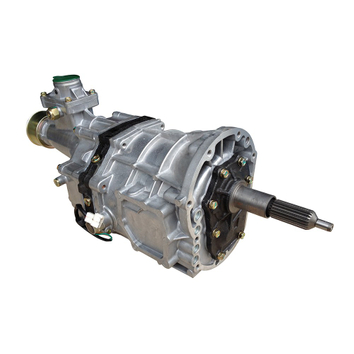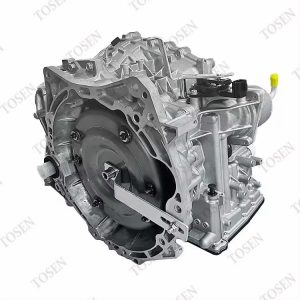
A manual transmission supplier in China should be compared on the record attached to the exact order, not on the number of products or quality claims on a website. A useful quotation states what the unit is, which vehicle or gearbox code it serves, what is included, how the sample and bulk order will be checked, and where delivery risk changes hands.
For repair shops, importers, fleets and wholesalers, the first decision is whether the request is for a complete new assembly, a remanufactured unit, a subassembly or an individual gearbox part. Once that scope is fixed, the same fitment, evidence, price and delivery fields can be sent to every supplier.
The checklist below turns a sales conversation into a comparable purchase record. It does not replace the vehicle maker's parts information, the sales contract or inspection by a qualified workshop.
Define the Order Scope Before Comparing Suppliers
Write one scope line before requesting prices
State the product level, condition, identifying reference, included components, quantity and the evidence expected with the quote. If any of those fields differ, the prices are not yet comparable.
| Item | Description |
|---|---|
| Order scope | The exact combination of product level, condition, inclusions and services the supplier is pricing. |
- Choose the product level: complete gearbox, remanufactured assembly, subassembly or individual internal part.
- State the condition: new, remanufactured or another clearly described condition.
- List included items such as bellhousing, shifter, sensors, switches, clutch actuation parts or mounting brackets.
- List every part that will transfer from the old unit.
- Separate unit testing, packing, freight, duties and installation from the base product price.
Use the manual and automatic transmissions category to identify the relevant product family before preparing the scope. A catalogue helps narrow the conversation, but the written quote still has to name the exact supplied unit and inclusions.
Build a Fitment Record the Supplier Can Quote
- Identify the vehicle: record the full VIN or chassis number, model, year, market, engine and drivetrain.
- Identify the installed unit: photograph the old-unit label and case stamp; record the gearbox code and relevant OE references.
- Compare physical interfaces: capture the bellhousing, input shaft, clutch actuation, output flange, mounts and connectors from repeatable angles.
- Resolve conflicts: when a VIN decode, catalogue entry and installed label disagree, stop the quote until the difference is explained in writing.
- Full VIN/chassis plus vehicle model, year and sales market.
- Engine code, drive layout and any known axle or final-drive requirement.
- Old transmission label, case stamp, gearbox code and OE references.
- Input-shaft spline/length, bellhousing pattern, output flange and mount photos where accessible.
- Required gear-ratio set or supplier ratio sheet for the exact code.
- Reason for replacement and any installation constraints already identified.
A 17-character VIN is an important identity input, and the NHTSA decoder explains that its displayed details are manufacturer-reported. Use the VIN with the installed-unit label and physical interfaces rather than treating any one field as universal fitment proof.
Verify the Quality System and Order Evidence Separately
| Evidence | What it can help establish | What it does not establish | Buyer action |
|---|---|---|---|
| Quality-management certificate | A named organization/site has a certified management system within the stated scope | Correct fitment, condition or test result for the quoted gearbox | Check legal name, address, scope, standard edition, issuer and dates. |
| Customer or second-party assessment | The buyer or another customer reviewed selected supplier processes | Independent certification or every production batch | Define the process and order requirements actually assessed. |
| Order-specific inspection record | The labeled unit or batch was checked against named criteria | The supplier's full quality system | Tie the record to the quote, sample, batch and serial/lot labels. |
| Test report | Named tests were performed under stated conditions | Universal durability or vehicle fitment | Ask for method, equipment, limits, date and unit/batch identity. |
ISO describes ISO 9001 as a certifiable quality-management-system standard and notes that an organization can also use customer or independent audits. The IATF oversight site separately lists recognized certification bodies authorized for IATF 16949:2016 certification activity. These sources help verify the management-system path; they do not approve a gearbox or replace the fitment record.
- Match the certificate's legal entity and site to the company issuing the quote.
- Read the scope; do not infer automotive transmission manufacture from an unrelated scope.
- Check the cited standard edition, issuer and current validity through the appropriate source.
- Request order-specific label photos, measurements, supplied-parts list and test evidence separately.
- Record missing evidence as missing; do not convert a sales statement into a verified fact.
Link the Sample to Bulk Acceptance
- Give the sample a reference ID tied to the supplier quote and order-scope version.
- Record labels, case markings, critical interfaces, measurements, supplied parts and condition with dated photos.
- Define the checks the installer or buyer will perform and the acceptance limits used for the sample.
- Approve, reject or conditionally approve the sample in writing. List every unresolved item.
- Carry the same identity, measurement, test and packing fields into the bulk purchase order and pre-shipment record.
| Field | Sample record | Bulk record |
|---|---|---|
| Identity | Reference ID, label and case stamp | Lot/serial list tied to the same code and order version |
| Interfaces | Measured shaft, flange, mounting and connector details | Inspection sampling plan and exception record |
| Supplied scope | Included and transferred parts list | Packing list using the same component names |
| Test evidence | Method, condition, result and equipment reference | Batch/unit report under the agreed method |
| Packing | Protection, supports, closures and labels | Pre-shipment photos and package count |
A sample is useful only when the buyer can describe what passed and how later units will be compared. Keep the accepted record with the purchase order instead of relying on chat images that are difficult to match to a batch.
Normalize MOQ, Price and Lead Time
| Quote field | Required detail | Why it changes the comparison |
|---|---|---|
| Product | Exact code/reference, condition, inclusions and excluded/transferred parts | Prevents complete units and part-only offers from sharing one price column. |
| Quantity | Sample quantity, MOQ and price breaks for the same specification | Shows whether the quoted price applies to the intended order. |
| Price basis | Currency, unit basis, tax/duty assumptions, validity and payment milestones | Makes totals and cash timing comparable. |
| Evidence | Included inspection, test, photo and document package | Avoids adding required evidence after price selection. |
| Timing | Sample lead time, production lead time and dispatch trigger | Separates manufacturing time from transport time. |
| Packing/delivery | Package method, dimensions/weight estimate, Incoterms rule and named place | Exposes freight scope and risk assumptions. |
| Warranty/claims | Start point, duration, exclusions, labor/freight treatment and evidence deadline | Shows what happens after a wrong, damaged or defective delivery. |
- Ask suppliers to revise omissions rather than estimating them yourself.
- Keep sample, pilot and bulk prices in separate rows when the scope changes.
- State whether tooling, fixtures, pallets or returnable packing are one-time or recurring costs.
- Separate production lead time from inspection, booking, customs and inland delivery.
- Do not score a warranty by duration alone; compare exclusions, evidence and remedy.
If the order includes an internal component rather than a complete gearbox, the Toyota gearbox spare part 33318-35030 page is one product-level example. Keep that part reference separate from any quote for a complete transmission assembly.
Fix Delivery, Packing and Claims in Writing
- Name the delivery rule and place: write the chosen Incoterms 2020 rule and the precise named place or port in the quotation and contract.
- Describe the package: agree supports, moisture protection, closures, labels, dimensions, weight basis and photo record.
- Plan receipt: assign who checks package count, labels, visible damage and unit identity before the delivery receipt is signed.
- Preserve claim evidence: keep carrier documents, time-stamped photos, packing records and the agreed notification path.
| Decision | Write into the order | Do not assume |
|---|---|---|
| Rule | Incoterms 2020 rule plus named place/port | A three-letter term alone identifies the exact handover point. |
| Mode | Container, consolidated cargo, air or other planned mode | A rule suitable for one route automatically fits another. |
| Insurance | Who arranges it, coverage level and claim documents | The selected term always provides the coverage the buyer wants. |
| Packing | Crate/pallet design, internal restraint, corrosion/moisture protection and labels | Freight price includes transmission-safe packing. |
| Receipt | Inspection window, signature process and notice deadline | Damage can be proved after packaging is discarded. |
- Use the exact named place or port, not only the city or country.
- Align the sales contract, carriage booking and insurance responsibilities.
- Photograph all package faces and labels before opening.
- Record shortages, visible damage and identity differences before installation.
- Keep the package and restraint evidence until the unit is accepted.
ICC explains that Incoterms 2020 allocate selected obligations, costs and risks between seller and buyer. The rules are not a substitute for the sales contract, so the order must still define product scope, acceptance, warranty and claims.
Use One Decision Sheet for the Purchase
- Scope: condition, complete/part level, inclusions, transfers and services are unambiguous.
- Fitment: VIN/chassis, old-unit label, gearbox code, drivetrain, ratios and interfaces are reconciled.
- Supplier: legal entity, site, certification scope/status and quote issuer are consistent.
- Sample: approval record and bulk acceptance fields use the same specification version.
- Commercial: MOQ, price basis, lead time, payment, packing and delivery rule are comparable.
- Claims: warranty remedy, exclusions, notification deadline and required evidence are written.
- Decision: approve, run a limited pilot or stop until a named gap is resolved.
Use the manual versus automatic transmission fleet guide when the organization is still deciding which transmission type fits its duty cycle. Supplier selection should start only after that product decision is stable.
The editorial illustration below shows the intended record: one gearbox, one quote packet, and inspection tools tied to the same purchase decision. It is not a photograph of a specific supplier or factory.
Prepare a fitment-specific quotation request Send TOSEN AUTO the full VIN or chassis number, vehicle model/year/market, engine and drivetrain, old-unit label or OE reference, clear interface photos, requested condition and scope, quantity, and destination port or named place. On-page manual transmission supplier quote checklist
Frequently Asked Questions
Does ISO 9001 certification prove a manual gearbox is good?
No. It indicates that a named organization or site has a certified quality-management system within a stated scope. Check the certificate details, then request order-specific fitment, inspection and test records for the quoted gearbox.
Should I send only the VIN when requesting a gearbox quote?
Send the full VIN or chassis number, but also include the old-unit label, gearbox code, engine, drivetrain and clear interface photos. VIN-decoder data and the unit actually installed can differ or leave application details unresolved.
What is a useful MOQ question?
Ask for the MOQ tied to the exact condition, specification, evidence package and packing method. Request separate sample, pilot and bulk quantities when the price or scope changes between them.
Should I choose FOB or CIF for a gearbox shipment?
There is no universal answer. Choose an Incoterms 2020 rule that fits the route, mode, insurance plan and control your organization wants, then name the exact place or port. Align it with the sales, carriage and insurance arrangements.
What should a manual transmission sample prove?
It should prove the agreed identity, interfaces, measurements, supplied scope, condition, test method and packing. Give the sample a reference ID and carry the same fields into the bulk purchase order and inspection record.
When should I stop a supplier order?
Pause when the supplier cannot reconcile fitment identifiers, the quote mixes different product scopes, certificate details do not match the quoting entity or site, sample evidence cannot be tied to bulk units, or delivery and claim responsibilities remain unclear.
Choose the Supplier from the Order Record
Compare manual transmission suppliers only after every offer describes the same unit, condition, inclusions, evidence, quantity, packing and delivery basis. Verify management-system claims separately from fitment and order-specific inspection records, then connect the approved sample to the bulk shipment.
A clear record makes a pilot order, bulk purchase or rejection easier to defend. It also gives the receiving team the labels, photos and deadlines needed if the shipment is wrong or damaged.
Request a comparable TOSEN AUTO quote Provide the vehicle and old-unit identifiers, required gearbox or part scope, quantity, destination and known installation constraints. Ask for written fitment, inclusions, evidence, packing and commercial terms before ordering. On-page supplier quote checklist