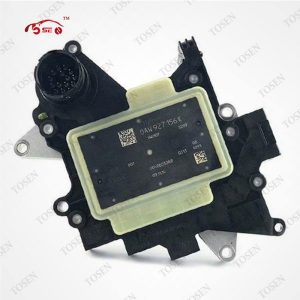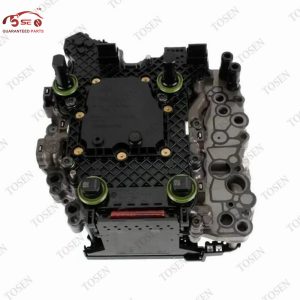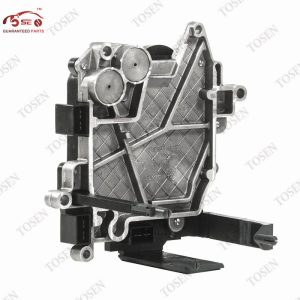
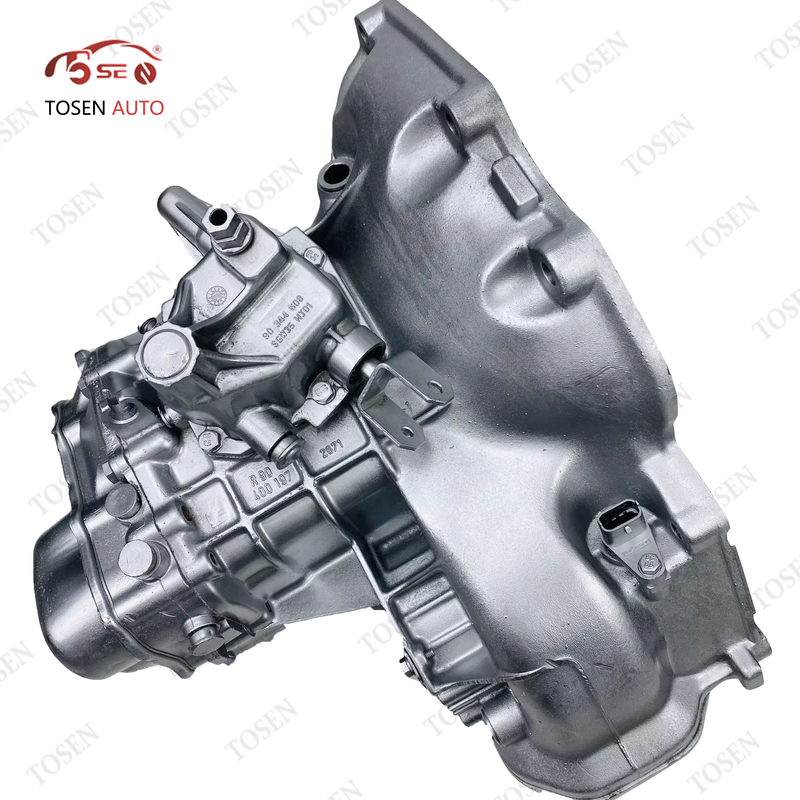
If you are sourcing a Chevrolet Aveo manual transmission for a repair shop, an import order, or a fleet, the first question is never “which units do you have in stock.” It is “does this unit actually match the car.” The Chevrolet Aveo 1.4L and 1.6L share the same five-speed manual gearbox family, but “shares a family” is not the same as “bolts straight in.” This guide walks through the checks that matter: how to read the old-part label, which interfaces decide fitment, what oil and filter points the box needs, new versus remanufactured supply, core returns, and what to expect when a complete unit arrives in a wooden crate.
Are the 1.4L and 1.6L Aveo Manual Transmissions the Same Unit?
The Aveo’s 1.4L and 1.6L petrol engines both bolt to a five-speed manual transaxle, and many buyers assume one unit covers every Aveo. In practice, build year, market, and the exact engine calibration can change the bell-housing pattern, the final drive ratio, and the clutch setup. A transmission code that looks identical across two cars is a starting point, not a guarantee.
This is where part-number habits cause expensive mistakes. You will see listing codes such as 33030-style numbers on the old unit’s tag or on classified ads, and it is tempting to treat a matching number as proof of fitment. It is not. The same family of codes can cover different internals across different build years, and a single digit can mean a different bell housing or drive ratio. Industry service literature makes the same warning: transmission families share stamped codes, and an apparently identical code can hide different hardware. That is why identification must start with the car, not with a sticker.
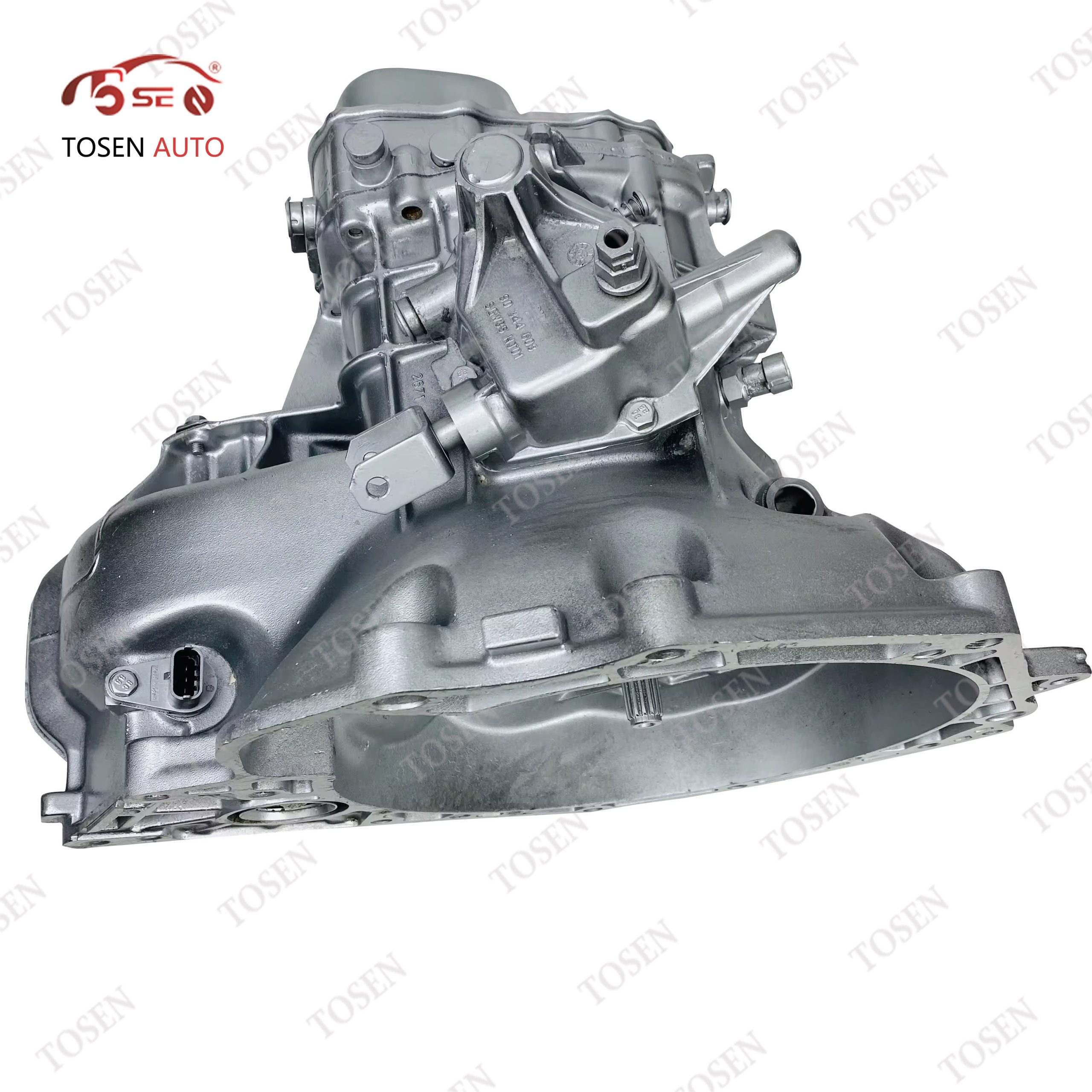
The reliable sequence is simple. Start with the VIN, then the engine size (1.4L or 1.6L), then the model year and body style, and then the old-part label or OE number on the gearbox. A supplier that asks for these four items before quoting is following the correct process. You can review the exact unit built for this application on our Manual Transmission for Chevrolet AVEO 1.4L 1.6L page, which lists the 1.4L/1.6L fitment and the five-speed, hydraulic-clutch configuration.
- VIN of the target car (decisive for variant).
- Engine size and model year — 1.4L or 1.6L.
- Old-part label or OE number from the failed gearbox.
- Gearbox type on the car today (manual vs. automatic).
Drive Layout, Bell Housing, and Input/Output Flanges
The Aveo is a front-wheel-drive car, so the “transaxle” does the work of the gearbox and the differential in one case. That makes the drive-layout question more specific than it sounds. You are not choosing between 2WD and 4WD versions of the same box — you are confirming that the replacement is a front-drive transaxle for the 1.4L/1.6L family and not a unit from a related GM model with a different flange pattern.
Before you commit, walk through the mechanical interfaces one by one. The bell-housing bolt pattern must match the engine block. The input shaft must slide into the clutch disc with the right spline count and pilot depth. The output flanges carry the driveshaft/CV joint cups, and their bolt pattern must match what the car has today. The speed sensor and reverse-light switch live on the case, and their position should match the wiring on the car. Finally, confirm the gearbox mount points — the bracket bosses on the case have to line up with the engine cradle, or the workshop will fight the installation for hours.
A complete unit comparison is easier when you see the range side by side. Browse our manual and automatic transmissions category to compare the Aveo unit against other GM and Asian-platform gearboxes, and keep the flange question on your checklist when you ask for a quote.
Gearbox Oil, Filter Screens, and Service Points
A manual gearbox has fewer service points than an automatic, but the ones it has matter. Use only the gear oil grade the vehicle manual specifies for the 1.4L/1.6L transaxle. Never mix oils, and if the replacement unit ships dry, the installer is responsible for filling it to the correct level before first use. If a unit ships pre-filled, confirm the fill level and drain plug condition at delivery.
Pay attention to the small service points that cause the most comebacks. Check the breather is clear so the case can vent when hot. Inspect the drain and fill plugs for rounded or stripped heads. On the Aveo transaxle, the differential cover seal and the input shaft seal are common leak points after a rebuild — confirm the supplier has renewed the seals rather than reusing old ones. If your unit has a filter or magnetic drain plug, budget for a replacement; the magnet catches metal that tells you the health of the gears inside.
New or Remanufactured — How to Verify the Unit
Both new and remanufactured Aveo transmissions are available, and both can be sound if the supplier is honest about what you are buying. A new unit uses fresh castings, gears, and bearings. A remanufactured unit starts from a used core that is stripped, cleaned, machined, and rebuilt with new wear parts. The label is not the proof — the condition and the supplier’s process are.
For a complete unit, ask for three things before you pay. First, what is the wear-parts list for the rebuild: which bearings, synchronizers, seals, and gaskets were replaced? Second, was the case crack-checked and the mating surfaces machined flat? Third, what test was done after assembly — a shift-through test on a bench, or a full spin test with the gearbox filled? A reman supplier that cannot name the wear-parts list is a risk flag. For a repair shop, documented answers also protect you later, because they set the baseline the unit shipped with.
New units cost more but remove core variability. Reman units usually cost less, which matters when you are quoting a small-car gearbox job for a customer who only wants the car running. The right call depends on the budget, the downtime, and the supplier’s track record. Whichever you choose, keep the supplier’s written condition statement with the invoice.
Core Returns, Wooden Crating, and Sea Freight
Two logistics questions decide the total cost of the job: what happens to the old gearbox, and how does the new one travel. On core returns, agree the rules up front. Some suppliers give a core credit and expect the old unit shipped back in the same crate; others do not require a return at all. Ask for the return deadline, the condition the core must be in, and who pays the return freight. Put that in writing so the credit is not a surprise later.
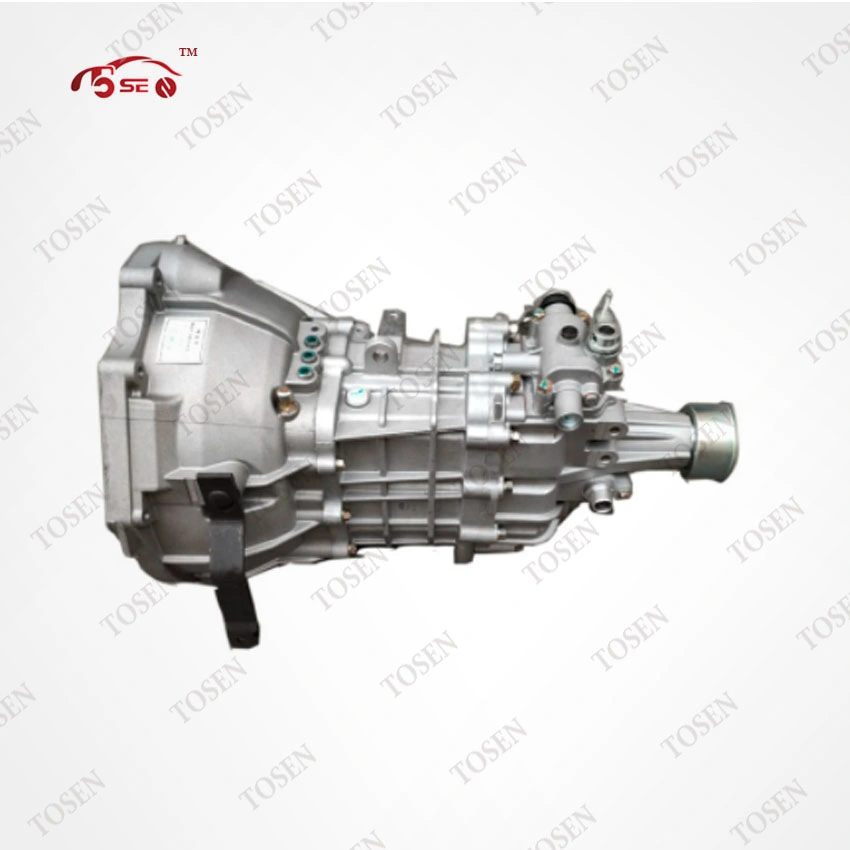
On the freight side, a complete manual transaxle is a heavy, dense box. A typical unit ships in a wooden crate built for sea freight, and the crate dimensions and weight change the freight quote, so ask for them before you commit. Good crating is not packaging theatre: it stops the machined bell-housing face from corroding in a humid container, it keeps the flanges from taking impact damage, and it makes the unit easy to lift and inspect. For the choice logic between manual and automatic for a fleet, see our related technical guide.
After the Unit Arrives: Installation Workflow
Delivery day sets up the whole job. Photograph the crate and the unit before you sign for it, while the carrier is still there. Check the crate for moisture, a damaged corner, or signs the box was dropped. Then verify the unit matches the order: bell-housing face, input shaft spline, output flanges, and the serial or OE markings on the tag.
Installation order matters for a smooth first start. Clean the bell-housing face and the engine block surface. Inspect the flywheel for heat cracks and the clutch disc for wear — never bolt a fresh gearbox to a scored flywheel. Align the clutch disc with the input shaft and confirm the disc slides freely before you tighten the pressure plate. Once the box is bolted up, fill or top up the gear oil to the specified level, bleed the clutch hydraulics, and check reverse-light and speed-sensor wiring. Test the shift pattern through every gear with the engine running before the car leaves the bay.
Frequently Asked Questions
Will the same transmission code fit both a 1.4L and a 1.6L Aveo?
Not automatically. The two engines share a five-speed manual family, but build year and market can change the bell housing, final drive ratio, and clutch. Match the VIN, engine size, model year, and the old-part label before ordering.
Does the replacement unit come filled with oil?
It depends on the supplier. Confirm at order time whether the unit ships dry or pre-filled. If it ships dry, the installer fills it to the vehicle manual’s specified level before first use.
Should a repair shop buy new or remanufactured?
For a small-car job, remanufactured is usually the cost-effective call if the supplier can show the wear-parts list and the test performed after assembly. New units cost more and remove core variability. Ask for the condition statement either way.
How does the core return work?
If a core credit applies, the supplier will state the deadline, the condition the old unit must be in, and who pays return freight. Confirm these terms in writing before you order.
What should I check the moment the crate arrives?
Photograph the crate and unit before signing. Look for moisture, impact damage, and verify the bell-housing face, input shaft, and output flanges match your order. Report any issue while the carrier is present.
Get a Fitment-Confirmed Quote
Submit your VIN, old-part label / OE number, model year, quantity, and destination port to receive a fitment confirmation and a quote. The same identifiers that prove the compatibility — VIN, engine size, gearbox code, and drive layout — become the records used to build and ship the correct Chevrolet Aveo 1.4L/1.6L manual transmission for your order.
References
- ATSG service literature on JATCO transmission family identification — atsg.walkelis.com (JF011E manual)
- Fender Bender — The JF011E to the JF015E: why transmission codes change across generations — fenderbender.com
- Manuals Plus — transmission service documentation for replacement units — manuals.plus (B01HG13BMY)