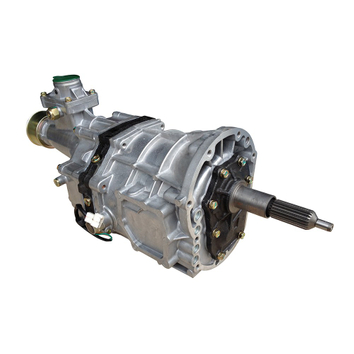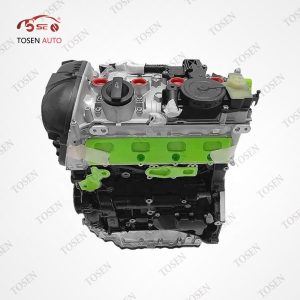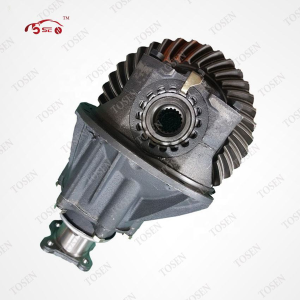
DQ250 and DQ200 mechatronic units belong to different DSG transmission families. DQ250 is the six-speed wet-clutch family commonly associated with 02E or 0D9, while DQ200 is the seven-speed dry-clutch family commonly associated with 0AM or 0CW. A shared DSG label does not make their controllers, hydraulic units or complete mechatronics interchangeable.
For a DQ250 vs DQ200 mechatronic decision, first identify the installed gearbox and full unit number. Then match the diagnosis to the part being quoted: a TCU board, valve body, complete mechatronic, complete gearbox or repair of the original unit. This keeps a family comparison from becoming an expensive fitment assumption.
Identify the Family Before You Compare a Mechatronic
| Item | Description |
|---|---|
| DQ200 | A seven-speed dry-clutch DSG family commonly associated with 0AM or 0CW context. |
| DQ250 | A six-speed wet-clutch DSG family commonly associated with 02E or 0D9 context. |
| Exact replacement | The controller, valve body, complete mechatronic or gearbox that matches the installed application and full part identity. |
Volkswagen service-training material describes the 0AM/DQ200 as a seven-speed dry-clutch transmission, while a separate Volkswagen technical tip identifies 02E as a six-speed DSG with J743 mechatronic coding and calibration functions. These documents establish different technical families. They do not make every 0AM, 0CW, 02E or 0D9 unit interchangeable inside its own family.
| Evidence | DQ200 clue | DQ250 clue | What it cannot prove |
|---|---|---|---|
| Gear count | Usually seven forward speeds | Usually six forward speeds | Exact mechatronic or TCU number |
| Family context | 0AM or 0CW | 02E or 0D9 | Suffix, software or drive-layout fitment |
| Physical label | Installed gearbox and mechatronic identifiers | Installed gearbox and mechatronic identifiers | Vehicle history unless reconciled with VIN and scan data |
| VIN/application lookup | Supports the factory application | Supports the factory application | What a prior repair may have installed |
Start with what is installed
Photograph the gearbox and mechatronic labels, record every suffix, save the current scan and use the VIN to support the physical evidence. Do not order from the family nickname alone.
Compare the Differences That Change the Repair
| Job factor | DQ200 context | DQ250 context | Buyer implication |
|---|---|---|---|
| Forward speeds | Seven | Six | Confirm the family before comparing assemblies or software |
| Clutch environment | Dry clutches | Wet clutches | Clutch hardware, cooling and fluid exposure differ |
| Common family codes | 0AM / 0CW | 02E / 0D9 | Use the full installed code and OE number, not the short family label |
| Control assembly | Integrated electronic and electrohydraulic mechatronic system | J743 mechatronic control within the 02E service context | Controller and hydraulic scope must match the actual transmission |
| Repair information | DQ200-specific removal, preparation and settings | 02E-specific coding, calibration and measured values | Plan the correct tool path before the unit ships |
The official 0AM training program says the seven-speed transmission was developed from the 02E DSG, but it also describes a different dry-clutch design and two separate oil circuits. Shared ancestry explains why both use DSG and mechatronic language; it does not create parts compatibility. Use the exact service information for the installed gearbox and vehicle.
- Do not transfer a DQ250 fluid specification, clutch assumption or calibration sequence to a DQ200 job.
- Do not treat six versus seven speeds as proof of an exact suffix; prior gearbox or controller replacement can change what is installed.
- Compare only parts from the confirmed family, then narrow them by the complete OE number, application and software state.
- If the family remains uncertain, keep the old unit installed long enough to capture readable labels and diagnostic identification.
Match the Evidence to the Replacement Scope
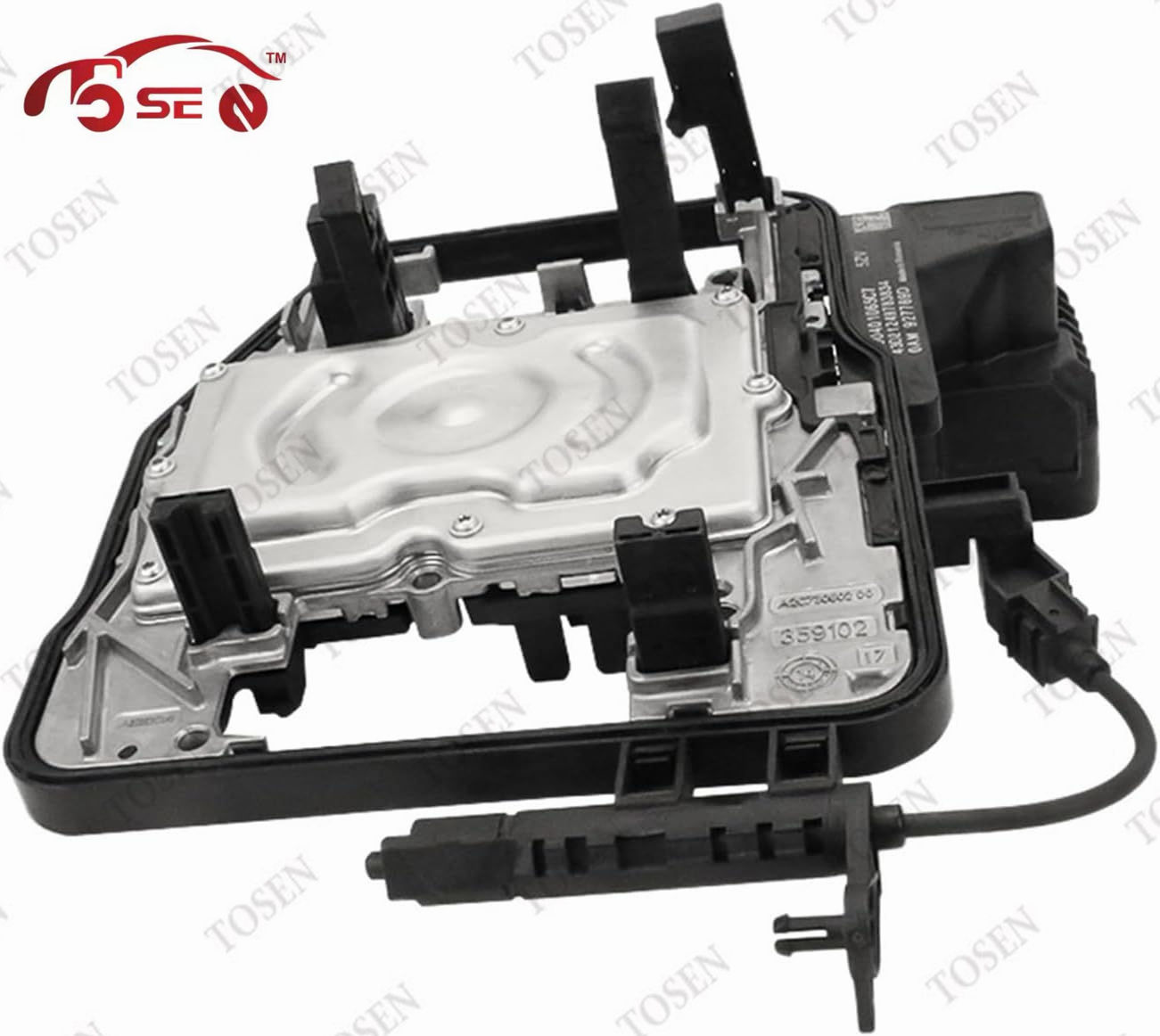
A DQ200 or DQ250 label names a transmission family, not one box of parts. Write the repair boundary before you compare quotes. The same word—mechatronic—can refer to a complete electronic and hydraulic assembly in one listing and only a controller or valve-body portion in another.
| Scope | Match first | Confirm in the box | Main wrong-order risk |
|---|---|---|---|
| TCU or control board | Full controller number and suffix; hardware/software identity; diagnosed electronic fault | Board, connector interface, prepared software state and transferred parts | Correct family but wrong electronics or an unresolved hydraulic fault |
| Hydraulic valve body | Transmission family, valve-body identity and hydraulic diagnosis | Valve body, solenoids, seals, sensors and whether the controller is excluded | Buying hydraulics for an electronic or clutch problem |
| Complete mechatronic | Installed gearbox application, complete mechatronic number, VIN and diagnosis | Controller, hydraulic block, sensors, solenoids, seals and software condition | A physically similar assembly with the wrong application or incomplete contents |
| Complete gearbox | VIN/application data, installed gearbox code, drive layout and relevant gearing | Mechatronic, clutch, transferred externals, fluid and installation requirements | Matching the controller while missing the gearbox application |
| Repair original unit | Original label, full scan and separation of electronic from hydraulic/mechanical faults | Repair scope, retained data, test result and non-repairable outcome | Sending the wrong subsystem or losing useful original data |
- Ask the seller to list every included assembly instead of relying on “complete.”
- Compare the quoted full OE number and suffix with the physically installed unit.
- Record whether seals, sensors, solenoids, harness pieces or transferred components are included.
- State whether the workshop needs a blank, software-loaded, cloned or repaired-original controller path.
- Keep the original unit until fitment, applicable basic settings and the functional test are complete, subject to any agreed core-return deadline.
- If diagnosis has not separated electronics, hydraulics, clutches and mechanical parts, price that work before ordering a replacement.
Let the Diagnosis Choose the Parts Branch
| Evidence pattern | Possible branch | Next check | Buying consequence |
|---|---|---|---|
| No communication or intermittent module access | Power, ground, network, connector or controller electronics | Test the vehicle-side circuit and save module identification | Do not condemn the TCU from communication loss alone |
| Pressure, pump, accumulator or solenoid evidence | Hydraulic/mechatronic system | Measure against the applicable repair information and identify the affected assembly | Confirm whether the quote covers controller, hydraulics or both |
| Judder, slip or delayed engagement without a clear controller fault | Clutch, mechanical, adaptation or mixed cause | Inspect and diagnose the clutch and gearbox before ordering electronics | A mechatronic may not resolve the root cause |
| Faults began after a prior replacement | Fitment, wiring, software state, setup or separate gearbox problem | Compare the installed number, software data and previous work with the vehicle | Correct the mismatch or setup before buying another unit |
NHTSA recall 19V-866 provides a useful example of diagnostic scope: a defined group of DQ200-equipped 2013–2015 Jetta Hybrid vehicles could develop accumulator-housing cracks, internal leakage and reduced hydraulic pressure. That record supports one documented mechanism in one population. It does not prove that every DQ200 pressure complaint has the same cause, and it says nothing about a DQ250 part choice.
A symptom is the start of the branch
Save the unedited scan, battery and wiring findings, hydraulic or clutch evidence, operating conditions and prior work. The purchase should follow the diagnosed subsystem and exact installed identity, not the loudest symptom.
Assign Programming and Basic Settings Before Shipping
- Define the received state — repaired original, blank replacement, software-loaded unit, cloned unit or complete configured assembly.
- Match the application — reconcile the hardware number, suffix, current software identification, gearbox code and VIN/application data.
- Assign data work — name who performs programming, coding or permitted security-related setup and which approved tool or service is used.
- Install with the current vehicle-specific repair information — use the correct fluid, sealing and handling requirements for that transmission.
- Complete applicable guided settings and functional checks — retain the final scan and unresolved fault information.
Volkswagen's 02E technical material separates mechatronic coding, calibration and measured-value functions, while its DQ200 recall instructions show a different mechatronic preparation context. Both documents are written for trained technicians using suitable equipment. That is why “programmed” or “ready to fit” is incomplete unless the supplier states what data is present and the workshop states what remains.
Use the DSG, CVT and Torque Converters: Transmission Control Units (TCU) Explained guide when the team needs a broader distinction between a controller, valve body and mechatronic assembly. Return to the exact vehicle repair information before assigning any programming or calibration step.
- The quote identifies the exact hardware and software condition being supplied.
- The workshop confirms access to the required diagnostic and programming equipment.
- Any security-related work follows authorized procedures; no bypass method is assumed.
- The labor plan includes the applicable basic settings and functional test.
- Warranty terms explain how a hardware fault, software mismatch or failed installation is handled.
Compare Test Evidence and Box Contents
- The test record identifies the same label, serial or tracking reference as the quoted unit.
- It names the functions checked, such as communication, relevant sensor inputs or commanded solenoid operation.
- It states the test conditions and distinguishes an electrical function check from a hydraulic or full-assembly test.
- Results are recorded, not replaced by a stock photograph or the words “bench tested.”
- The box contents list the controller, valve body, solenoids, sensors, seals, harness pieces and transferred parts.
- The software condition, work remaining, return rules and warranty exclusions are written on the quote or invoice.
Use a category of transmission control units and mechatronics to compare available supply scopes, not to skip identification. Filter only after the installed family, full OE number and required assembly are clear.
- A controller power-up result does not establish hydraulic performance of a complete mechatronic assembly.
- A clean exterior does not show software compatibility, internal leakage or clutch condition.
- A new, remanufactured, repaired-original and used unit need different questions about history, preparation and support.
- If a seller cannot tie its test statement to the quoted unit, treat the result as an unverified listing claim.
Equalize the scope before comparing price
Two prices are comparable only when the family, exact OE identity, included hardware, software state, test scope, installation work and warranty boundary are aligned.
Send a Quote Packet That Can Be Checked
- Photograph the installed gearbox and mechatronic labels before removal. Include connectors and every readable OE suffix.
- Add the full VIN, market, model/build information and gearbox application code. Explain any mismatch with the installed labels.
- Attach the unedited transmission scan and the relevant power, wiring, hydraulic, clutch or mechanical findings.
- State the required scope: TCU board, valve body, complete mechatronic, complete gearbox or repair of the original unit.
- State the required software condition and the workshop's available diagnostic or programming tools. Name who completes applicable settings.
- Add quantity, destination and required date, then request the exact part number, contents, test scope, work remaining and warranty terms in writing.
When the evidence confirms 0AM927769D in a DQ200 application, compare it with TOSEN's DQ200 0AM927769D DSG Automatic Transmission TCU. The product page is a relevant commercial destination, but it is not proof that another DQ200 suffix, an 0CW unit or any DQ250 application fits. Ask TOSEN to repeat the supported application and supplied scope on the quote.
When the evidence confirms the DQ250 family and the exact 02E927770AN requirement, review the DQ250 02E927770AN Transmission Control Unit for VW Skoda, Enhanced Shift Precision listing. Treat its family and model wording as a starting point; the full installed number, gearbox application, software condition and diagnosis still decide whether that unit belongs in the job.
Require the answer to mirror the request
A usable supplier reply repeats the exact quoted number, family, included assemblies, software state, test record, installer work and warranty boundary. If any line is missing, resolve it before the old unit leaves the vehicle.
Frequently Asked Questions
Can a DQ250 mechatronic replace a DQ200 mechatronic?
No at the family level. DQ250 and DQ200 use different transmission architectures, clutch arrangements and service contexts. Identify the installed family and then match the complete OE number, suffix, application, supplied scope and software state within that family.
Is the number of gears enough to identify the exact mechatronic?
It is a useful family clue, not an exact-part match. A six-speed unit suggests DQ250 and a seven-speed dry-clutch unit suggests DQ200, but prior repairs and multiple suffixes still require the physical labels, gearbox code, current scan identification and VIN/application lookup.
What if the gearbox label is missing or unreadable?
Do not guess from the vehicle model alone. Use the VIN/application record, diagnostic identification, old controller or mechatronic label, connector and housing photographs, and any earlier repair invoice. Ask a transmission specialist to reconcile those sources before ordering.
Does a complete mechatronic always include the TCU and valve body?
Not every listing uses “complete” the same way. Require a written contents list covering the controller, hydraulic valve body, solenoids, sensors, seals, harness pieces and any parts that must transfer from the old unit.
Can the original controller data be transferred to a replacement?
That depends on the unit, its condition, the authorized tools and the vehicle's software/security requirements. State whether the quote is for a repaired original, blank unit, software-loaded unit or data-transfer service, and assign the remaining work to a qualified technician.
Are DQ200 and DQ250 basic settings the same?
Do not assume one sequence applies to both families or every vehicle. Use the current repair information and guided diagnostic functions for the exact transmission and application, with the required conditions and trained technician.
Confirm the Exact Unit Before Ordering
Use DQ200 or DQ250 to choose the correct technical family, then let the installed labels, full OE number, diagnosis and required supply scope decide the part. Before the gearbox comes apart, the workshop should know what arrives, what software work remains, which guided settings apply and how the quoted unit was checked.
Request a fitment-confirmed response Send TOSEN AUTO the VIN, gearbox code, old-unit label photos, full scan, requested scope, software/tooling context, quantity and destination. Ask for the quoted part number, box contents, software state, test scope, work remaining and warranty terms in writing. Use the on-page quote packet and existing TOSEN enquiry and catalog pages.