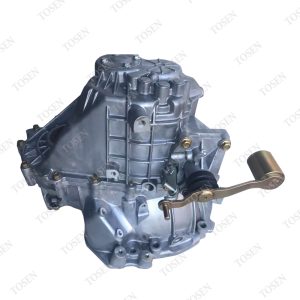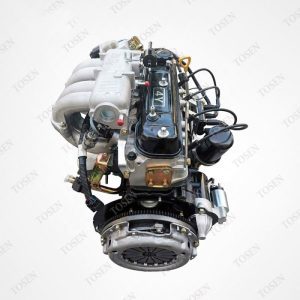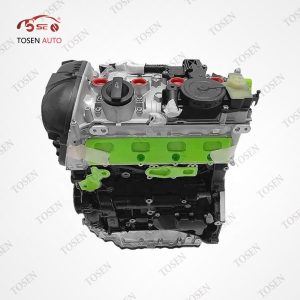
Engine serial number verification is not complete when someone types a number into an email. A useful result shows what the identifier means, where it was found, the full characters that were read, and which physical engine and transaction records carry that same identity.
For a repair shop, fleet buyer, remanufacturer, or importer, the practical output is a recheckable file. It should let another reviewer compare the mark with manufacturer-specific information, follow it through inspection and packing, and stop a purchase when the number is unclear or inconsistent.
Use this checklist to record the identifier, preserve the original evidence, and decide whether the offered unit can be accepted, held for clarification, or escalated. Keep fitment, assembly scope, condition, provenance, and warranty as separate approvals.
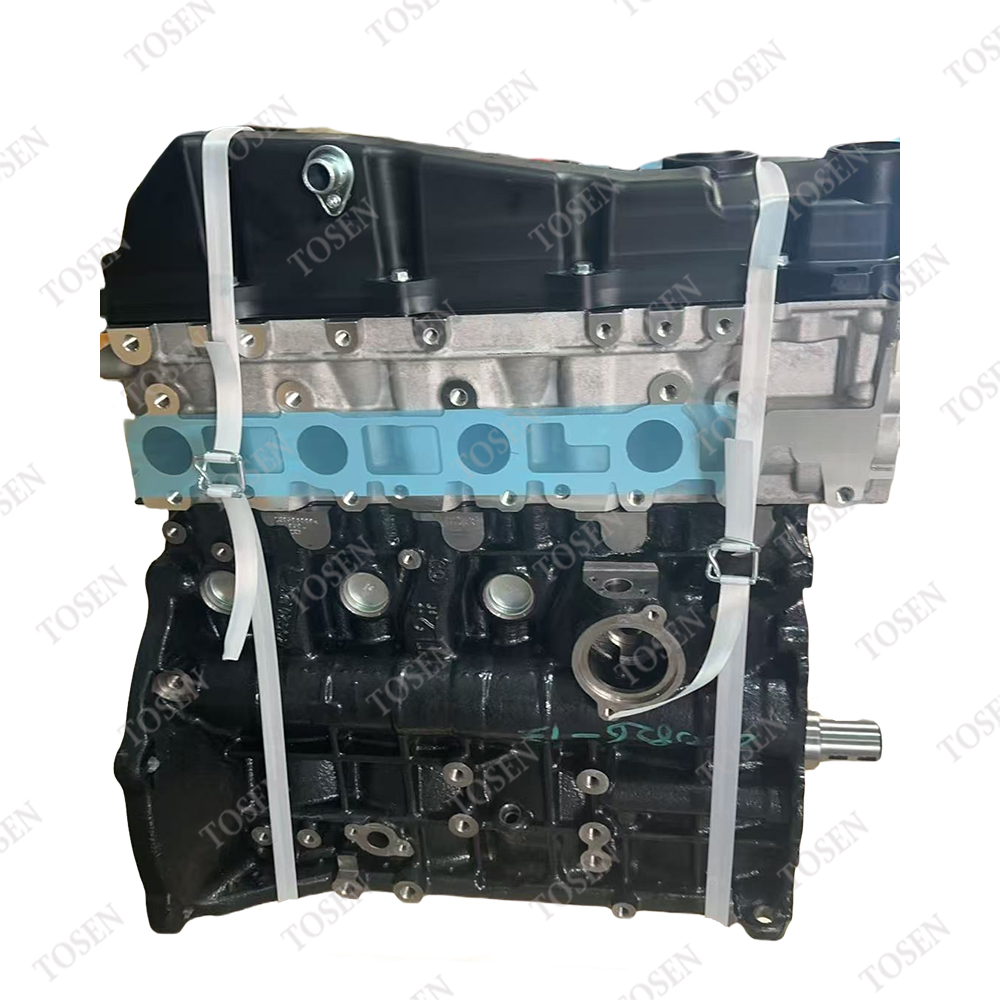
Keep six identifiers in separate fields
| Item | Description |
|---|---|
| Vehicle VIN or chassis number | Identifies the vehicle and its reported original configuration under the applicable market system. |
| Engine code or family | Groups an engine design or variant; many physical units may share it. |
| Engine serial number | Identifies one physical engine within the issuer’s numbering system. |
| OE or part number | References a service part or assembly design, not one unit’s complete history. |
| Casting number | Identifies a casting or revision and may appear on many engines. |
| Supplier unit ID | A seller-controlled traceability field that supplements, but should not silently replace, the original mark. |
NHTSA describes the VIN as a 17-character vehicle identifier and notes that decoder information is reported by the manufacturer. That makes a VIN a strong vehicle record, but it does not prove which engine is physically installed after an earlier replacement. A current CARB engine-change checklist illustrates the distinction by requesting original and donor engine-family data, a new engine serial number, the vehicle VIN label, photographs, and work or invoice records as separate fields.
First decision
Label the field before interpreting the value. If a seller calls a family code, stock number, or casting mark a serial, ask who issued it and what it identifies.
Capture the mark so it can be checked again
- Confirm the candidate engine is controlled and has not been substituted while photographs are taken.
- Find the location from service information for the exact engine family and market. Do not carry a location from an unrelated model.
- Take a context photograph that shows the marked pad, plate, or label and enough surrounding engine features to locate it again.
- Take a straight-on close-up in even light. Add a second angle when glare, corrosion, paint, or stamping depth hides a character.
- Transcribe the complete prefix, separator, leading zero, suffix, and sequence exactly. Mark an uncertain character as uncertain instead of choosing one.
- Keep the original-resolution files and record the date, engine location, order reference, photographer, and any cleaning performed.
A close-up without context is easy to reuse against another engine. A wide photograph without readable characters is impossible to audit. Keep both. VW service information provides a concrete example: for the 2014 Tiguan covered by that document, the engine code and serial are located at the engine/transmission joint, while code information also appears elsewhere. The useful lesson is not that every engine shares that location; it is that the location must come from the correct manufacturer-specific source.
- Context view and straight-on close-up belong to the same engine.
- Full string is visible; no prefix, suffix, separator, or leading zero is cropped.
- Typed transcription preserves uncertain characters and does not auto-correct them.
- Original files remain available, not only screenshots pasted into a report.
- Order, unit, date, location, and photographer are recorded.
Validate location and format with model-specific evidence
| Source | Useful for | Buyer check | Limit |
|---|---|---|---|
| OEM service manual or parts system | Location, character structure, production break, supersession | Exact engine family, market, year, and revision | Access and coverage vary |
| Official vehicle or regulator record | Vehicle configuration, engine-change evidence, jurisdictional fields | Program, date, and jurisdiction | Not a universal fitment approval |
| Controlled supplier build or inspection record | Unit tag, test record, job number, packing handoff | Issuer, revision, original attachment, and unit link | Supplier assertion needs reconciliation |
| Public decoder or marketplace listing | Discovery and preliminary plausibility | Source owner and cited manufacturer data | Do not use alone for release |
Fleetrite gives a useful engine-family example: its guide lists specific serial-number sources and a concrete format, then warns that units near a model update can require a separate technology check. That is why a plausible character count is not enough. Record the exact reference and the production boundary you used, and preserve any mismatch instead of forcing the number into a familiar pattern.
Source rule
Use a decoder to generate a question, not to erase a conflict. Manufacturer-specific physical and document evidence controls the next step.
Reconcile the serial across five records
- Approval record — VIN or application, engine family, physical serial, photos, required assembly scope, and open questions.
- Inspection or test record — the same serial or an explicit cross-reference to a controlled supplier unit ID.
- Commercial record — quotation, purchase order, invoice, warranty, and any core or donor documentation use the same identity.
- Packing handoff — packing list, crate label, seal, and pre-shipment photographs show the approved unit.
- Receipt record — receiver compares the physical mark, crate, documents, condition, and discrepancies before installation-sensitive work.
The public Xinlin workflow shows why the chain matters: the seller asks for VIN information to check a part number, then asks for the product serial number and supporting evidence during a warranty issue. EngineFinders similarly connects the engine number with invoice and fitting records. These are supplier practices, not independent proof, but they show how a missing unit link can become a claim problem long after the first fitment discussion.
- No document uses only the model or engine family when a unit-level field is available.
- A supplier unit ID is mapped to the physical serial rather than substituted without explanation.
- Retests and revised documents retain the original result and explain the change.
- A replaced unit gets a new approval record; old photographs are not carried forward.
- Receipt comparison happens before teardown, installation, or disposal of packing evidence where practical.
When the serial chain reaches unit-level test evidence, use Engine Oil Pressure Test Before Shipping: Complete Guide to see how identity, method, conditions, actual readings, and the applicable service reference belong in the same record.
Route every serial conflict before release
| Observed issue | Immediate status | Evidence to request | Possible disposition |
|---|---|---|---|
| One or more characters are unclear | Hold | New light/angle, location guide, original files, second reader | Record resolved transcription or continue hold |
| Mark location or format conflicts with the reference | Hold and escalate | Exact family/market source, casting and label context, supplier build record | Correct the reference, inspect physically, or reject |
| Serial differs between unit, test report, or invoice | Quarantine the transaction | Unedited photos, revision history, substitution record, packing evidence | Reapprove the actual unit or reject |
| Area appears ground, restamped, damaged, or relabeled | Do not infer authenticity | Qualified physical inspection and applicable authority/manufacturer route | Document explanation or reject; legal outcome is jurisdiction-specific |
| No OEM serial is visible | Hold the claim, not automatically the engine | Manufacturer guidance, supplier-controlled unit ID, provenance and photos | Use an explicit alternative chain only when the buyer accepts it |
| Two units show the same claimed serial | Quarantine both | Original files, timestamps, full-unit context, inventory history | Escalate and reject unresolved duplication |
CARB’s current California checklist treats a faded or missing engine emissions label as a failed inspection condition in that program and requires a detailed photo and document set. Do not generalize that result into another jurisdiction. Use it as a practical example of why an unreadable identifier deserves a recorded stop and an applicable escalation route rather than a guessed character.
Conflict rule
A hold is a valid outcome. The record should say what is wrong, which evidence is missing, who can resolve it, and whether the unit remains controlled.
Keep fitment and condition as separate gates
| Gate | Serial can support | Separate evidence still needed |
|---|---|---|
| Physical identity | Tie photographs and records to one engine | Issuer, location, full mark, and conflict resolution |
| Vehicle fitment | Connect the candidate unit to the review | VIN/chassis, engine code/suffix, OE references, market, transmission, electronics, emissions, and interfaces |
| Assembly scope | Identify the engine covered by the offer | Signed included, installed, loose, transferred, optional, and excluded parts list |
| Condition and tests | Tie results to the unit | Condition category, method, setup, readings, limits, exceptions, retest, and approval |
| Provenance or legal status | Connect supporting documents | Applicable ownership, donor, import, registration, or authority checks |
| Warranty and freight | Identify the subject of a claim | Start trigger, exclusions, installer duties, notice route, remedy, packing and receiving evidence |
United Engine asks buyers to combine VIN, engine code, displacement, application, serial when available, casting or cylinder-head information, oil-pan style, and photographs. Product pages from Sunshine and Mag Engines separately list engine family, vehicle applications, supplied scope, condition, and warranty. Taken together, those examples show the correct boundary: the serial ties the evidence to a unit, while the other fields decide whether that unit is the right commercial and technical choice.
Use Engine Code Vs VIN: Differences, Fitment and Buying Decision when the vehicle record and the identifier on the currently installed engine do not agree. Resolve that conflict before treating the candidate serial as a fitment input.
- Compare available engine assemblies and long blocks only after the identifier set and required supply scope are clear.
- Use unit-linked compression, oil-pressure, leak, or inspection evidence only for the exact configuration and method recorded.
- Keep packaging, receiving, installation, first-start, and warranty duties in the same transaction file.
When the identifiers are stable, review engine assemblies and long blocks by the written scope and exact application evidence rather than by a product title alone.
Use the engine assembly quality inspection guide to define the unit-linked visual, dimensional, and test record that should follow identity approval.
Complete the buyer verification sheet
- Vehicle record: full VIN or chassis number, model, production date, market, transmission, drive layout, and relevant emissions/electronic configuration.
- Installed or removed engine: engine code/family, full serial, label and casting references, two-view original photographs, location, and uncertain characters.
- Candidate engine: unit-specific serial or mapped supplier ID, current photographs, condition, source/provenance fields, and no-substitution term.
- Validation source: manufacturer or applicable official reference, exact family/market/model-year coverage, document title, revision, page, and limits.
- Commercial file: quotation, purchase order, invoice, warranty, required assembly scope, and any donor/core record use the same unit identity.
- Evidence chain: inspection/test report, packing list, crate/seal photos, shipping handoff, receiving record, and discrepancy notes are reconciled.
- Conflict record: issue, status, requested evidence, responsible reviewer, deadline, resolution, and preserved revision history.
- Decision: accept for the next fitment and commercial gate, hold for named evidence, escalate to a qualified source or authority, or reject.
| Decision | Use when | Required record |
|---|---|---|
| Accept identity | The physical mark, applicable source, and transaction records agree | Reviewer, date, source, original files, and remaining fitment/condition gates |
| Hold | A character, location, format, document, or unit link is incomplete | Exact missing evidence, owner, unit-control status, and review date |
| Escalate | Authenticity, alteration, duplication, regulatory, or manufacturer interpretation is outside the buyer’s evidence | Qualified contact or authority, question submitted, and response |
| Reject | A material conflict remains unexplained or the offered unit cannot be tied to the records | Reason, affected documents, and unit disposition |
Do not score the record by the number of filled boxes. One unresolved identity conflict can outweigh a complete shipping section. Approve the serial record only for what it proves, then continue to fitment, scope, condition, packing, and warranty review.
Use the checklist before the next supplier review Complete the fields on this page, then compare the verified identifier set with the relevant TOSEN engine category and technical guidance. Keep unresolved characters and conflicts visible. On-page engine serial verification checklist
Frequently Asked Questions
Is an engine serial number the same as an engine code?
Usually not. An engine code or family identifies a design or variant shared by many units, while a serial number identifies one physical engine within the issuer’s system. Confirm the terminology in manufacturer information for the exact engine.
What if the engine serial number is not visible?
Do not guess or accept a typed value without a source. Check the correct manufacturer-specific location, request context and close-up photographs, preserve the unit, and ask whether an approved supplier ID or other controlled record can be explicitly mapped to it.
Can I verify any engine serial number online?
There is no safe universal decoder for every manufacturer, market, and production period. Prefer the applicable OEM service or parts system, an official vehicle or regulator record, and controlled supplier documentation. Treat public decoders as preliminary leads.
Does a matching serial number prove the engine will fit?
No. It identifies the candidate unit. Fitment still needs the VIN or chassis context, engine code and suffix, OE references, transmission, electronics, emissions equipment, physical interfaces, and a written assembly-scope comparison.
What if the serial on the received engine differs from the invoice?
Quarantine the discrepancy before installation-sensitive work. Preserve crate and unit photographs, packing and invoice records, and ask the supplier for the substitution or correction history. Reapprove the actual unit only after identity, fitment, scope, condition, and terms are complete.
Decide what happens to this unit
Accept a serial record when another reviewer can identify the field, locate the mark, read the same complete characters, verify the applicable source, and follow the same unit through inspection, commercial, packing, and receipt records. Hold or escalate when any link is unclear. Then evaluate fitment, supplied scope, condition, provenance, packing, and warranty on their own evidence.
Complete the serial verification sheet Carry the verified VIN, engine code or family, serial, source reference, photographs, open conflicts, required assembly scope, quantity, and destination into the next supplier review. On-page engine serial verification checklist