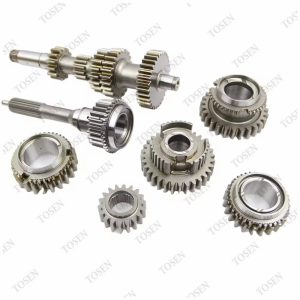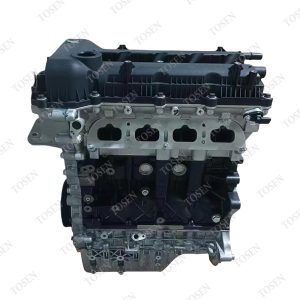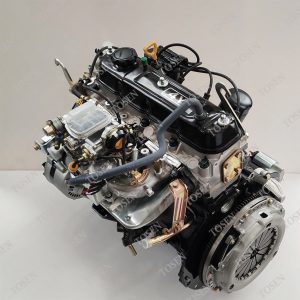
The fleet gearbox replacement cost you should budget is the full cost of putting a verified replacement into service: the gearbox itself, the fluid and filter it needs on day one, any programming its electronics require, the core deposit held until your old unit goes back, freight and crating, and the income the vehicle loses while it waits. The invoice price of the unit is only the first of those lines.
Two choices decide whether the total stays under control: buying a replacement gearbox that actually fits the vehicle, and comparing supplier quotes on the same scope. The method works the same whether your fleet runs manual and automatic transmissions or a single gearbox standard. This guide breaks the cost down line by line, shows realistic ranges for each, explains how to keep the replacement count at one, and ends with a per-vehicle cost sheet you can copy and reuse across the fleet.
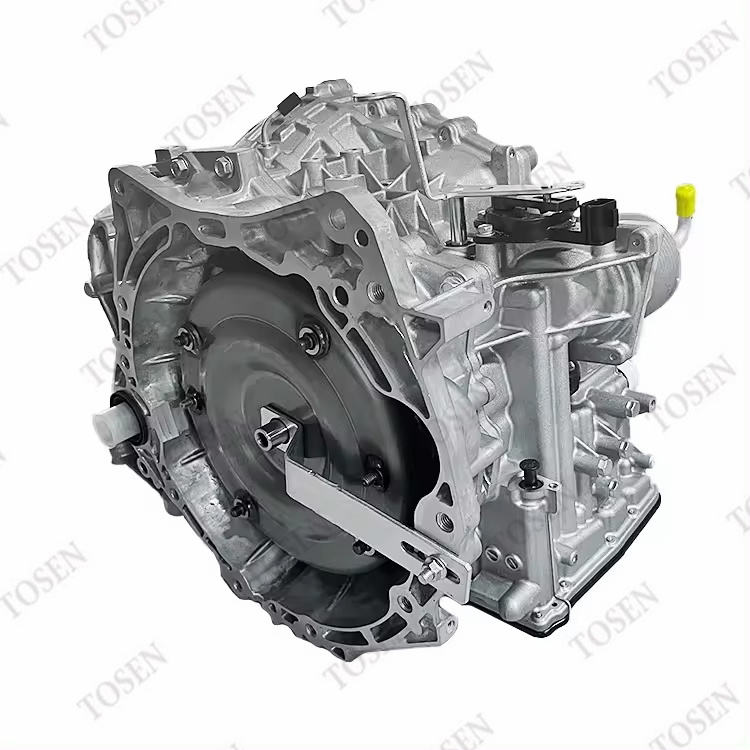
What a Fleet Gearbox Replacement Actually Costs
A fleet gearbox replacement costs the sum of everything it takes to return the vehicle to work with a unit you trust. That boundary is wider than most price tables suggest. Published consumer guides quote an installed price for the gearbox and stop there. A fleet budget cannot, because several of the largest lines settle outside that invoice.
Start by separating the money that leaves the business now from the money that only settles later. The unit, the fluid and filter, the programming and the installation labor are cash out now. The core deposit is cash held: it comes back only when your old gearbox is returned and accepted as rebuildable. Freight and crating depend on how you batch the shipment. Downtime is not an invoice at all, but for a working vehicle it is often the line that hurts most.
There is also a hidden line that never appears on a quote: the cost of buying the wrong unit. A gearbox that matches the model family but not the vehicle takes the whole process back to zero, and every line is paid twice. The next sections treat that risk as a cost line with its own control, not as bad luck.
The full cost boundary at a glance
Replacement unit (defined scope and condition grade)
Commissioning: correct-spec fluid, filter, programming or adaptation
Core deposit (cash held until the old unit is accepted back)
Freight and crating (reduced when units are batched)
Vehicle downtime while the gearbox is sourced, shipped, installed and commissioned
Fitment risk: the cost of a wrong unit is the whole cycle twice
What Goes Into the Cost: Component by Component
Each line in the boundary has its own range and its own drivers. The ranges below mix published market context with wholesale-supply practice: US installed prices are marked as such, because that is what most public data measures. A landed wholesale cost is built from the same lines but settles differently, so treat the figures as budget anchors, not quotes.
| Cost line | What it covers | Realistic range (context) | What moves the number |
|---|---|---|---|
| Replacement unit | The gearbox itself. Scope varies: bare gearbox, or complete assembly with converter and controller. Grade varies: new, remanufactured or used. | US installed prices: remanufactured $3,500–$7,500; used $1,800–$4,500; new OEM $4,500–$10,000+. Wholesale unit prices are quoted per RFQ. | Scope and grade; drive layout (2WD/4WD); model family; quantity and destination |
| Fluid and filter | Correct-specification fluid and filter at commissioning, plus cooler-line checks. | A full ATF service runs about $150–$400 per event in US shops; a CVT can need around 10 liters of fluid. | Fluid type and quantity; whether the unit ships wet or dry; filter accessibility |
| Programming and adaptation | Controller coding, adaptation resets, EEPROM handling after the swap. | About $100–$300 per event for common vehicles; more when a controller must be matched or cloned. | Electronics complexity; whether the original controller is reused |
| Core deposit | Refundable deposit held until your old gearbox is returned rebuildable. | Quoted per unit; settles only after the core is accepted. | Deposit size; return window; rebuildability criteria in the supplier's terms |
| Freight and crating | Crate or pallet, sea or air freight, duties at destination. | Per shipment; falls sharply per unit when replacements are batched. | Crate specification; weight and dimensions; destination port; batch size |
| Downtime | The days the vehicle earns nothing: sourcing, shipping, installation, commissioning. | Your own daily vehicle cost times the days off the road. | Lead time; planned versus reactive replacement; spare-unit availability |
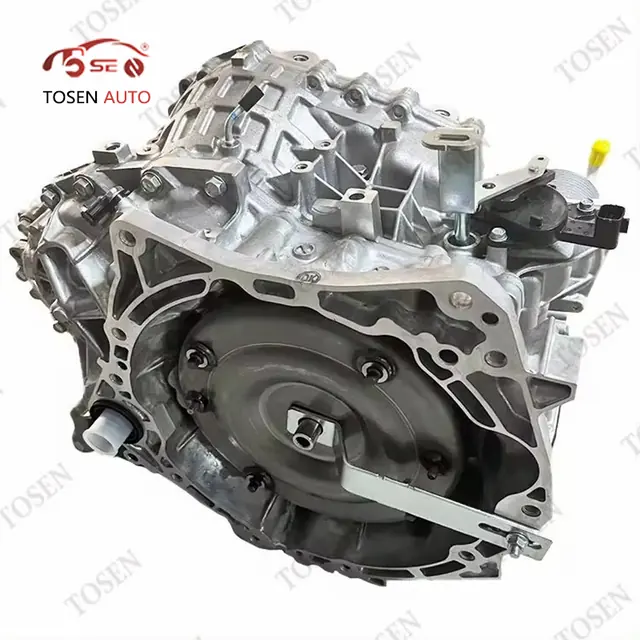
Two lines deserve special attention because fleets underestimate them. First, commissioning is not optional. The JF011E CVT transmission assembly used across Nissan, Dodge and Mitsubishi applications requires NS-2 specification fluid, changed at about 60,000 miles in normal service and 30,000 in severe duty. Remanufacturers state in their warranty terms that the wrong fluid causes premature wear and voids coverage, and that warranty claims on some units require proof of on-time fluid changes. Budget the fluid as a hard line, not a courtesy top-up.
Second, the core deposit distorts cash flow more than cost. The money is held, not spent, but it is held per unit for the length of the return window. A ten-vehicle program with a four-hundred-dollar deposit each ties up real working capital until every old gearbox is crated, shipped and accepted. Read the return window and the rebuildability criteria before you compare headline prices, and treat a rejected core as a permanent addition to the unit line.
Why Fitment Risk Is a Cost Line
The most expensive gearbox is the one that does not fit. A model number alone does not prove interchange. The JF011E CVT (also known as RE0F10A, F1CJA or CVT2 depending on the vehicle brand) serves Nissan, Dodge, Jeep and Mitsubishi applications, yet units inside that one family still differ by drive layout, input and output flanges, gear ratios and controller versions. The same logic applies to the 33030-style cross-references common on Toyota commercial gearboxes: the numbers are candidates, not proof.
A wrong-fit unit fails quietly. It arrives, it looks right, and only at installation does the flange, the spline or the electronics refuse to match. At that point you have already paid the unit price, the freight and part of the labor, and the vehicle has been down for weeks. Every line is then paid a second time for the correct unit, plus return shipping for the wrong one, plus a possible restocking or core dispute. Budgeting fitment verification as a cost line of nearly zero is the cheapest decision in this whole guide.
Verification is a short, fixed checklist. Run it before the purchase order, not after the crate opens:
- Decode the full VIN of the vehicle, not just the model name
- Photograph the tag on the old gearbox before removal and keep it with the file
- Confirm drive layout (2WD or 4WD) and the input/output flange or spline details
- Cross-reference the unit's part number and version, including controller or EEPROM requirements where the family uses electronics
- Ask the supplier to confirm the interfaces against your VIN and tag in writing before you order
- Keep the old unit intact until the replacement is verified installed and running, so the evidence for any dispute survives
Suppliers who verify fitment against your evidence before quoting are not slower, they are cheaper. A written interface confirmation turns a wrong-unit dispute from an argument into a claim.
Compare New, Remanufactured, Used and Rebuild-in-Place
The four ways to source a replacement gearbox differ less on price than on where the risk sits. Compare them on the same axes: what you pay up front, what warranty stands behind the unit, how long the vehicle is down, and what happens if the unit fails again.
| Option | Upfront cost | Typical warranty | Downtime | Main risk | When it fits a fleet |
|---|---|---|---|---|---|
| New OEM unit | Highest (US installed context: $4,500–$10,000+) | Full manufacturer coverage | Long if ordered to build, short if stocked | Price; long lead time on some models | Vehicles with long service life ahead; low tolerance for repeat failures |
| Remanufactured unit | Middle (US installed context: $3,500–$7,500) | Written supplier warranty, often conditional on correct fluid and installation | Moderate; shipping plus swap | Warranty conditions must actually be met | The default fleet choice for most mid-life vehicles |
| Used / salvage unit | Lowest up front (US installed context: from about $1,800) | Often none or very short | Short if the unit is local | Unknown history; a repeat failure costs a second full cycle | End-of-life vehicles or emergency bridge repairs where the economics are accepted |
| Rebuild in place | Parts plus heavy labor (truck benchmark: $3,500–$8,500) | Typically 12 months on the rebuild in writing | Longest; the vehicle sits during teardown | Case damage found mid-rebuild raises the price | When the case is sound and downtime can be scheduled into a service window |
Two reference points from published heavy-truck practice translate well. A properly rebuilt gearbox can be expected to last a long service life with maintenance, which is why rebuilding stays attractive when the casing is sound. And when a rebuild quote climbs toward the price of a warranted remanufactured unit, the reman unit becomes the better economic choice, because it also removes the teardown time from your bay.
A conditional rule you can defend
Vehicle with years of duty left: new or remanufactured with a written warranty. The premium is insurance against a repeat failure.
Vehicle near retirement: used or rebuild-in-place, but only with a downtime buffer and your eyes open to the risk.
Any choice: the deciding inputs are the vehicle's remaining service life, your cost of downtime, and the warranty conditions you can actually meet.
Build a Per-Vehicle Cost Sheet and Normalize the Quote
Turn the component list into a working document. One sheet per vehicle, every line owned by a number or a clear blank. The sheet does two jobs at once: it builds your budget, and it forces every supplier quote into the same shape so the numbers are finally comparable.
| Cost line | Your number | Evidence basis / notes |
|---|---|---|
| Replacement unit (state scope and grade) | Written quote with scope; price without scope is not comparable | |
| Fluid and filter at commissioning | Manufacturer specification for the exact gearbox; quantity and type | |
| Programming / adaptation | Shop estimate for the vehicle's electronics | |
| Installation labor | Local shop rate times estimated hours | |
| Core deposit (cash held) | Quote terms: deposit, return window, rebuildability criteria | |
| Freight and crating | Per-unit share of the batched shipment, plus duties | |
| Downtime cost | Your daily vehicle cost times estimated days | |
| Fitment verification | Nearly zero | VIN, old-unit tag photo, drive layout, written interface confirmation |
| Total budget | Sum of the lines; the number you defend internally |
When quotes arrive, check them against a fixed list before comparing prices. A quote that answers all of these is a comparable quote; anything else is a number, not an offer.
- Unit scope stated: bare gearbox or complete assembly, and what exactly is included
- Condition grade stated: new, remanufactured or used, with the warranty duration and its written conditions
- Fluid and filter: included, or listed separately with type and quantity
- Programming or adaptation: included, or stated as the buyer's responsibility
- Core terms: deposit amount, return window, and what makes a core acceptable or rejected
- Freight and crating: Incoterms or delivery basis, crate specification, weight and dimensions
- Fitment confirmed: the supplier has matched the unit against your VIN and old-unit tag in writing
Keep the completed sheet in the vehicle's file. When the same model returns for its next gearbox, your own numbers beat any published price table.
Next step: Run the fitment checklist for one vehicle, then confirm the exact unit on the JF011E CVT transmission assembly page or browse the complete transmissions category before you request a quote. Per-vehicle cost sheet and RFQ checklist from this guide
Scale the Decision Across the Fleet
One replacement is a repair. Ten are a program, and programs are where fleets win or lose money. The mechanism is simple: every gearbox that fails on the road takes the full reactive price, while every gearbox replaced inside a planned window takes the planned price. Fleet benchmark data cited in maintenance-management publications puts a planned fluid service at roughly $180–$320 per unit against $3,800–$8,500 for a full replacement on commercial automatics. The exact numbers vary, but the gap does not: deferring the small line is what buys the big one.
Rank the fleet by risk, not by age alone. A delivery van doing daily stop-start duty in heat is a higher gearbox risk than a highway cruiser with more years on it. Sequence the highest-risk gearboxes into scheduled service windows, and let the per-vehicle cost sheet set the budget for each slot. Planned windows also convert downtime from an emergency into a schedule you can live with.
Batch the logistics. Freight per unit falls when replacements share a shipment; core returns are cheapest when several old units travel back together; and once you have verified a model family fit for one vehicle, the same verification evidence covers its siblings. A spare unit on the shelf for your most critical vehicle type can turn a two-week outage into a one-day swap.
The program in one paragraph
Rank vehicles by gearbox risk and duty, not age alone
Replace the highest-risk units in scheduled windows using the per-vehicle cost sheet
Batch freight, crating and core returns; reuse verified fitment evidence across sibling vehicles
Keep one verified spare for the vehicle type whose downtime hurts most
Frequently Asked Questions
What exactly is a core charge on a replacement gearbox?
A core charge is a refundable deposit a supplier holds until your old gearbox is returned and judged rebuildable. It is cash held, not spent, but it ties up working capital for the whole return window. Read the return deadline and the criteria that make a core acceptable before you compare prices, because a rejected core turns the deposit into a permanent cost.
Will the same JF011E gearbox number fit every vehicle listed for it?
Not automatically. The JF011E family (RE0F10A, F1CJA, CVT2) spans Nissan, Dodge, Jeep and Mitsubishi applications, but units inside the family still differ by drive layout, input and output flanges, ratios and controller versions. Confirm the fit against the full VIN and the old unit's tag before ordering. A family number is a candidate, not a promise.
Is a used gearbox ever the cheapest option for a fleet?
Sometimes, when the vehicle is near retirement and the downtime risk is accepted. Used units carry the lowest up-front price but often no warranty and an unknown history, so a repeat failure costs a second full replacement cycle. For vehicles with service life ahead, a remanufactured unit with a written warranty is usually cheaper over the years that matter.
What must a comparable gearbox quote include?
At minimum: the unit scope (bare gearbox or complete assembly), the condition grade and warranty with its written conditions, fluid and filter treatment, programming responsibility, core deposit and return terms, and freight or delivery basis. A price without these is a number, not an offer, and comparing it against a complete quote is meaningless.
How is gearbox replacement budgeting different from engine replacement budgeting?
The cost-boundary logic is the same, but the lines differ. Gearboxes add fluid-specification commissioning, controller programming or adaptation, and electronics matching inside model families, while engine programs carry their own core and test-evidence conventions. If you also manage engine replacements, apply the same per-vehicle sheet method to both.
How long does a fleet gearbox replacement take?
Plan in three blocks: sourcing and shipping (days to weeks, driven by lead time and distance), the physical swap (hours to a day once the unit is on site), and commissioning (fluid, filter, programming and a road test). The sourcing block dominates, which is why planned windows and a verified spare unit shorten total downtime more than any other decision.
Put the Number Together and Act on It
A defensible fleet gearbox replacement cost is built, not found. Fill the per-vehicle cost sheet for one vehicle, run the fitment checklist before any purchase order, and hold every quote to the normalization list. Those three artifacts, not a lower sticker price, are what keep the total down and the count at one. The same sheet method carries over to engine replacement budgeting when the powertrain program eventually needs it.
Before you request a quote: confirm the exact unit against your VIN and old-unit tag on the JF011E CVT transmission assembly page, or browse the complete transmissions category for your fleet's models, then send the cost sheet with your RFQ. Per-vehicle cost sheet, fitment checklist and RFQ normalization list from this guide