Fleet engine replacement cost is not one market price. It is the cost of a defined engine scope for a verified vehicle, plus installation, logistics, downtime and the risk that the repaired asset still cannot perform its assigned work.
Start with one vehicle and one duty cycle. Separate cash that leaves the business now from costs that remain after core refunds, warranty recoveries or disposal proceeds, then compare that scenario with repairing the existing engine and retiring the vehicle.
Start With the Full Cost Boundary
| Item | Description |
|---|---|
| Decision cost | The net economic effect of one vehicle-level option over the period the fleet expects to keep and use the asset. |
Keep three views beside each other. The supplier quote shows the offered unit. Installed cash shows what must be paid to return the vehicle to service. The decision cost adds downtime, substitute capacity, remaining vehicle risk and recoveries. Fleetio’s TCO method likewise includes capital, operating, maintenance, administration and downtime instead of using purchase price alone.
| View | Include | Do not assume |
|---|---|---|
| Supplier quote | Engine price and listed inclusions | Freight, core, installation or fluids are included |
| Installed cash | Delivered engine, labor, ancillaries, towing, taxes and deposits | A refundable core is already a final cost |
| Decision cost | Installed cash plus downtime and remaining-asset effects, less valid recoveries | A low invoice creates the lowest operating cost |
Use ranges where the input is uncertain
Record a low, expected and high case for lead time, additional parts and downtime. Keep the source and date beside each input.
Build the Vehicle Baseline Before Pricing the Engine
| Input | Record | Why it matters |
|---|---|---|
| Identity | VIN, engine code, model year, configuration | Controls fitment and labor scope |
| Duty | Route, load, idle hours, required equipment | Sets the value of uptime |
| Condition | Transmission, cooling, aftertreatment, chassis, electrical | Shows whether a new engine solves the main risk |
| Economics | Book, market, salvage and replacement values | Makes repair and retirement comparable |
| History | Recent repairs, failures, utilization and downtime | Tests whether the engine event is isolated |
- State the planned remaining service period after the work.
- List known non-engine work due within that period.
- Use miles, kilometers or hours that match the asset’s duty.
- Record whether an equipped spare or rental can truly do the same job.
A public Utah Transit Authority bid shows why the baseline must be specific. Its 2025–26 pricing separates an L9 make-to-order recon engine, a core charge, freight and 50 hours of engine removal and replacement labor for named Gillig buses. Those line items are a traceable example, not a price benchmark for another fleet.
Compare Engine Options by Scope, Not Labels
| Option | Scope question | Risk question |
|---|---|---|
| Repair existing engine | Which damage and root cause are included? | What findings could expand the job after teardown? |
| Used engine | What identity, mileage and test evidence belongs to this unit? | Who pays removal labor if the unit is wrong or fails? |
| Rebuilt engine | Which parts were inspected, machined or replaced? | Is the builder’s process and warranty documented? |
| Remanufactured engine | What standard, replacement policy and included hardware apply? | Is the supplier claim independently verified or supplier-reported? |
| New engine | Is it OEM, aftermarket or new old stock, and what is included? | Does the extra cash reduce a risk this fleet actually carries? |
- Normalize long block, complete engine and running-complete offers to the same installation endpoint.
- Add accessories, seals, fluids, programming, cooling-system work and root-cause repairs only when the vehicle-specific job requires them.
- Keep warranty duration, labor allowance, geography and authorization rules in separate columns.
Do not turn a supplier case into a forecast
Cummins reports favorable ReCon results from an anonymized customer case, but its document says potential-revenue figures are theoretical assumptions. Use such evidence to ask questions, not to promise savings.
Price Downtime With Your Own Operation
- Define the unavailable period from failure to usable return, not only workshop hours.
- Separate diagnosis, sourcing, transport, queue, installation, commissioning and any rework.
- Choose the real response: spare, rental, subcontract, reschedule or lost work.
- Price each response from fleet records, contracts or current quotes.
- Run low, expected and high downtime cases and name who owns each estimate.
- Record the vehicle, route and shift behind each figure so another fleet manager can test and approve the assumption.
Downtime is duty-specific
A van parked overnight may cost little. A specially equipped truck missing a scheduled job may cost far more. Do not reuse one rate across every department.
Automotive Fleet recommends measuring downtime against each customer or department’s operating pattern and separating controllable maintenance time from accidents, abuse and outside delays. Its specialized examples show why an eye-catching loss figure cannot be transferred to a different fleet.
Compare Repair, Engine Replacement and Vehicle Retirement
| Scenario | Add | Credit or recovery | Main uncertainty |
|---|---|---|---|
| Repair existing engine | Diagnosis, teardown, machining/parts, labor, downtime | Warranty or insurance recovery if valid | Final scope after teardown |
| Install replacement engine | Delivered engine, core cash, labor, ancillaries, commissioning, downtime | Core refund and applicable warranty recovery | Fitment, included scope and lead time |
| Retire and replace vehicle | Replacement acquisition, upfit, finance/admin, delivery gap | Sale or salvage proceeds | Delivery time, duty fit and residual assumptions |
Compare each option over the same planned service period and utilization. Automotive Fleet’s repair-or-replace method starts with repair estimate, book value, market value and salvage, then adds downtime and alternate transport. That structure is more useful than dividing a repair invoice by the price of a new vehicle.
- Confirm the rest of the vehicle can support the planned remaining duty.
- Include upcoming non-engine work in every keep-the-vehicle scenario.
- Use the same time horizon and discounting method across options.
- Record qualitative constraints that money cannot erase, including roadworthiness or unavailable parts.
Decision rule
Choose the scenario that meets the duty requirement with the best supported total, timing and risk profile. The lowest expected dollar value is not enough when one unresolved constraint can stop the vehicle.
Normalize Every Supplier Quote
- Vehicle VIN, engine code, model year and market configuration.
- Supplier part number and photos of physical identifiers.
- Long block, complete engine or other written bill of materials.
- Condition definition and unit-linked test evidence.
- Lead time, Incoterm, freight, duties, unloading and damage process.
- Core eligibility, return window, transport and rejection reasons.
- Warranty start, term, labor allowance, exclusions, geography and pre-authorization.
- Installer responsibility for fluids, ancillaries, programming and first-start records.
| Area | Minimum record | Cost it controls |
|---|---|---|
| Fitment | VIN/engine-code response and part reference | Wrong-unit return and rework |
| Scope | BOM and excluded installation items | Ancillary and labor delta |
| Logistics | Route, delivery point, lead time and damage terms | Freight and downtime |
| Core | Eligibility, deadline and refund amount | Cash timing and forfeiture risk |
| Warranty | Coverage, authorization and claim evidence | Recoverable versus retained risk |
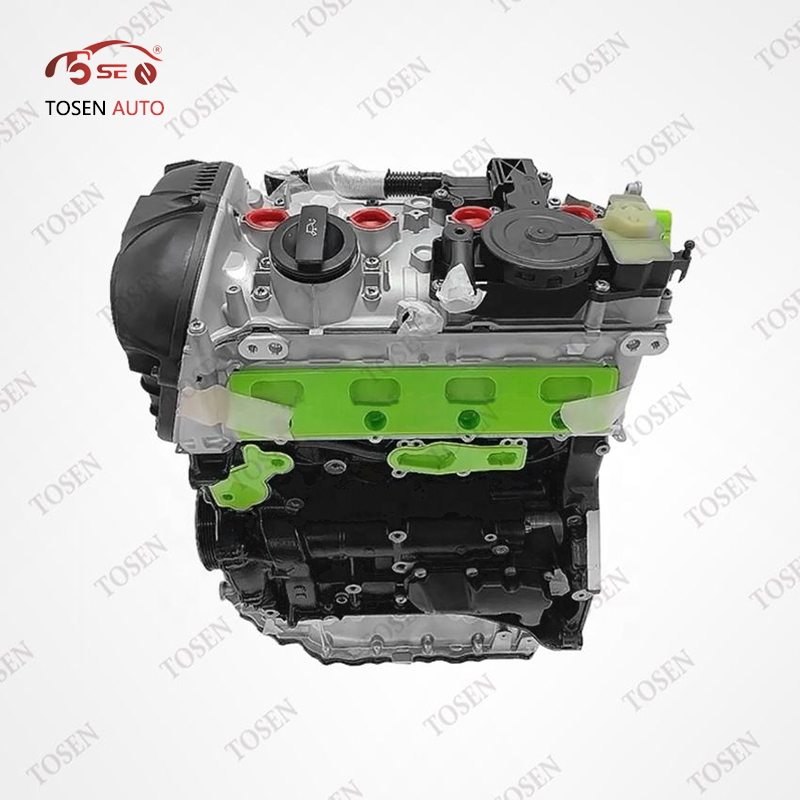
Use engine assemblies as a category-level shortlist only after the required scope is clear.
Application pages start a check; they do not finish it
A product or guide title can narrow the question. It cannot replace VIN, engine-code, physical-identifier and written-scope confirmation.
A page such as Long Block Engine for Audi A6L C5 1.8L Replacement identifies one application to investigate. Attach the supplier response and part scope to the vehicle record before carrying its price into the fleet scenario.
The same cost model still needs a separate fitment check for each application. How to Choose the Right Engine Assembly for Your Toyota Hiace or Hilux covers those questions for that vehicle family without implying interchangeability with another model.
Scale the Decision Across the Fleet
- Rank units by failure urgency, remaining value and route criticality.
- Map spares, bays, technicians, engines and cash by week.
- Phase work so linked duties or one backup pool are not taken out together.
- Return actual cost, downtime and warranty events to the lifecycle record.
| Constraint | Question | Response |
|---|---|---|
| Cash | When do deposits, balances, labor and core refunds occur? | Build a weekly cash calendar |
| Workshop | How many bays and qualified hours are available? | Reserve slots before engines ship |
| Spare capacity | Can the spare perform the same route or upfit? | Test duty equivalence |
| Supply | Could several units depend on one lead time or part? | Phase orders or document alternatives |
| Procurement | Do several orders depend on the same supplier promise? | Preserve a workable backup route |
Use policy as a range, not an autopilot
Fleetio’s replacement analysis reports an optimal range because real assets do not follow a perfect cost curve. Apply the same caution when phasing engine work.
Finish With a One-Page Decision Sheet
- Vehicle identity, duty, utilization and required return date.
- Current condition, remaining service plan and non-engine work due.
- Repair, replacement-engine and retirement scenarios on one horizon.
- Low, expected and high installed cash plus downtime.
- Core, warranty, salvage and other recoveries shown separately.
- Fitment, BOM, test, lead-time and installer evidence attached.
- Fleet-level cash, workshop and spare-capacity conflicts.
- Decision, owner, date, trigger for recheck and post-job actuals.
A useful approval line
State why the chosen scenario meets the duty requirement, which assumption could change it and when that assumption will be checked again.
After the job, replace estimates with actual delivered cost, labor, downtime, core outcome and warranty events. Keep the source date and any changed assumption so the next manager can compare like with like across future vehicle decisions. That feedback improves the next decision; an internal score or a clean worksheet does not prove savings.
Frequently Asked Questions
What should a fleet engine replacement estimate include?
Include the delivered engine, removal and installation, fluids, seals, required ancillaries, commissioning, towing, taxes or duties, downtime and substitute capacity. Show core deposits and possible warranty recoveries separately so cash timing is not confused with net cost.
How do I calculate downtime cost for a fleet vehicle?
Map the vehicle’s actual unavailable hours to the real response: spare, rental, subcontract, reschedule or lost work. Use your own work orders, contracts and current quotes, then run low, expected and high cases instead of applying one rate to every unit.
When is replacing the engine better than replacing the vehicle?
Engine replacement can be the stronger option when fitment and scope are verified, the rest of the vehicle supports the planned duty, and its full scenario cost and return time compare well with repair and retirement. The answer changes when major non-engine work, parts shortages or duty mismatch remain.
Is a core charge part of engine replacement cost?
A core charge is cash paid until the old engine is accepted under the supplier’s rules. Count expected forfeiture, return freight and handling as costs. Keep the refundable amount as a timed cash item until eligibility and refund are confirmed.
Can I use an average fleet engine replacement price for budgeting?
Use a broad allowance only for early planning and label its source, class, market and date. An approval decision needs a vehicle-specific scope, labor plan, logistics, downtime and risk range because those inputs vary too much for one average to control the job.
Turn the Estimate Into a Vehicle Decision
Start with one verified vehicle and one duty. Normalize repair, replacement-engine and retirement scenarios to the same time horizon, then add downtime, core cash, recoveries and the condition of the rest of the asset. If a quote cannot support fitment, scope, lead time or warranty inputs, keep that uncertainty visible instead of hiding it inside an average.
Complete the on-page decision sheet Use the decision-sheet fields above with your fleet records. Once the scope and fitment are documented, review the relevant TOSEN engine category or exact application page for the next supplier questions. Visible checklist in this article