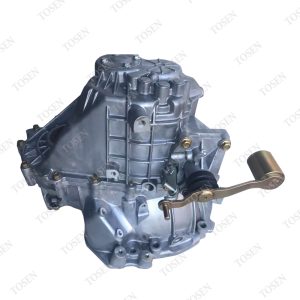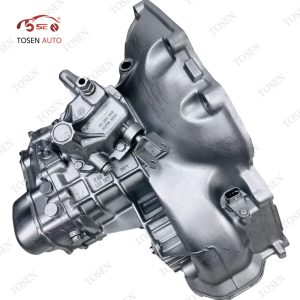
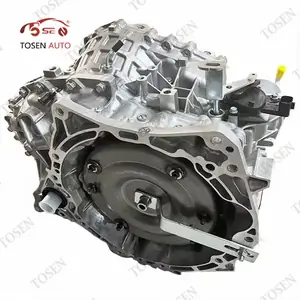
The JF011E CVT transmission is a Jatco-built continuously variable transmission that appears under several names. Nissan calls it the RE0F10A, Mitsubishi calls it the F1CJA, and Dodge and Jeep applications simply call it the JF011E or CVT2. If you run a repair shop, an import business, or a fleet, the odds are good that one of these units is already in your bay. This guide walks through what the different names really mean, how to confirm that a replacement unit matches your vehicle, and the checks to run before you commit to a new or remanufactured gearbox.
Why the Same JF011E Code Is Used Across Nissan, Mitsubishi and Dodge
The JF011E was built by Jatco and fitted to a wide family of front-drive vehicles, mostly with engines up to about 2.5 litres. Because the core case and pulley system were shared, the transmission code travelled with the part rather than with one car brand. That is why the same unit is documented as the RE0F10A on Nissan Altima, Murano, Qashqai and X-Trail, the F1CJA on Mitsubishi Outlander, Lancer and ASX, and the JF011E on Dodge Caliber, Jeep Compass and Jeep Patriot. Independent service information, including the ATSG manual for this family, treats the JF011E, RE0F10A and F1CJA as the same base design.
The catch is that “same family” is not the same as “identical part.” A workshop that has seen a delayed-engagement complaint on one Nissan Altima learns quickly that the fix depends on which valve body style and which solenoid set the unit uses. Nissan, Mitsubishi and Dodge/Jeep each wired the case connector slightly differently, and some years even changed the internal pressure sensors. That is why buyers are told to confirm by transmission code first and then by vehicle, year, and drivetrain before ordering.
The safest habit is to order by the code on the old unit’s plate plus the VIN of the car. Our Automatic Transmission for Dodge, Mitsubishi, Nissan – JF011E product page shows the reference code JF011E and the related search code RE0F10A on one listing, which makes cross-application matching straightforward. A supplier that can show the code and ask for your VIN is following the process that prevents wrong shipments.
Ask yourself three questions before you quote a customer:
- What code is stamped on the old unit — JF011E, RE0F10A, F1CJA, or W1CJA?
- What vehicle, model year, and engine is it bolted to?
- Is the car two-wheel drive or all-wheel drive?
2WD or 4WD: Input and Output Flanges That Decide Fitment
The JF011E family splits into two-wheel-drive and all-wheel-drive variants, and the difference is not cosmetic. The output side of the case is machined differently to carry a simple transaxle or a transfer-drive takeoff, and the bellhousing and input shaft must line up with the engine’s flexplate and starter. Ordering a 2WD unit for a 4WD car, or the reverse, means the output flange or tail case will not match, and that is a return nobody wants to pay for.
This is exactly why a name-only search is dangerous. Two Nissan Qashqais from different model years can share the JF011E code and still differ in the output configuration. The reliable way to check is to read the transmission plate, count the drive layout of the car, and send a clear photo of the old unit’s tag or the VIN to the supplier. When you browse our manual and automatic transmissions category, every unit is presented by its transmission code and application family, so the 2WD/4WD split is part of the conversation instead of an afterthought.
Do not rely on the code alone for ratio matching either. The final-drive ratio and the internal ratio spread were tuned per application. The same base JF011E can feel very different between a light sedan and a heavier SUV because the calibration and final drive differ. Confirming the model year with the seller is the cheapest insurance against a unit that bolts up but drives wrong.
CVT Fluid and Filter: Which Oil the JF011E Needs
Belt-driven CVTs are sensitive to fluid. The JF011E family is specified with Jatco NS-2 or NS-3 CVT fluid depending on the year and market, and the factory service recommendation for many applications is a fluid and filter service in the area of every 60,000 kilometres. The ATSG service manual for the JF011E family documents the disassembly and reassembly sequence that a rebuild shop follows, and the fluid handling is part of that standard — CVT fluid is not interchangeable with ordinary ATF, and the wrong oil accelerates belt and pulley wear.
If you are installing a replacement unit, budget for fresh CVT fluid, a new filter, and the cooler line flush. A common mistake is to bolt in a good gearbox and then send contaminated fluid through it, which puts the new belt and pulleys at risk within the first few thousand kilometres. The filter service is usually paired with the fluid change because CVT filters collect the fine wear debris that would otherwise score the pulley faces.
After installation, a scan tool that can read CVT pressure is worth having. Industry rebuild coverage notes that pulley pressures on this family can climb well beyond 800 psi under load, and the case is fitted with pressure taps so a technician can verify clutch and pulley pressures instead of guessing. That kind of test data is also what separates a controlled installation from a comeback.
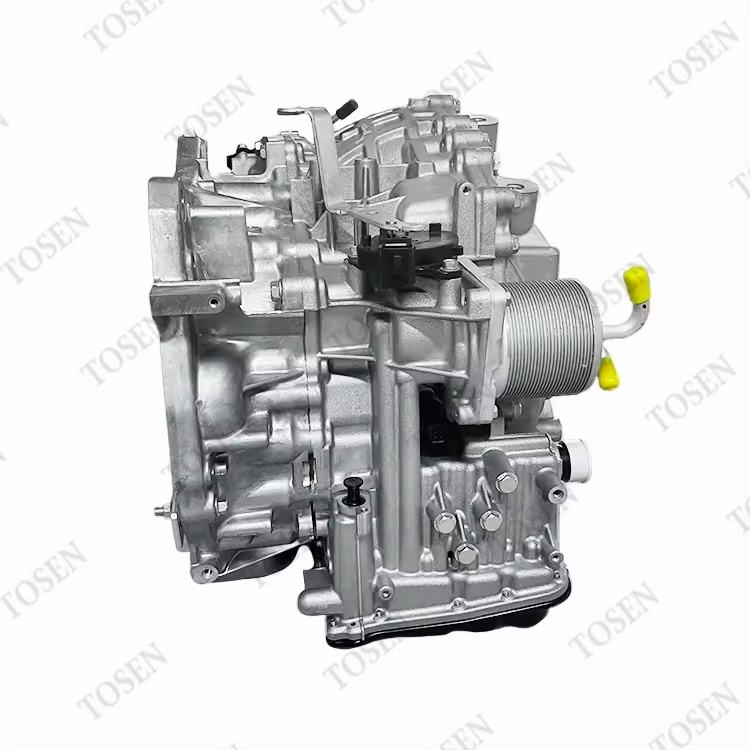
New or Remanufactured — and What Happens to Your Core
Both new and remanufactured JF011E units are available, and the choice changes your price, your lead time, and your warranty terms. A new unit uses fresh castings and a new belt; a remanufactured unit starts from a used core that is cleaned, machined, and rebuilt with new wear parts. Either can be reliable when the supplier documents what was actually replaced.
Ask three direct questions of any seller:
- Was the steel push belt replaced with a new one?
- Were the pulley faces and step motor checked or renewed?
- What test data — pressures, code clears, shift behaviour — was recorded after assembly?
Core return policy is part of the same conversation. A reman unit usually assumes you send your old gearbox back, and the terms decide who pays the freight and what condition the core must be in. Confirm the core acceptance rules before you pay, not after the crate arrives. For the selection logic between replacing a unit and rebuilding the one in the car, our related technical guide covers the thinking for fleets and repair shops that manage both transmission families.
Crate Size, Weight and the Arrival Inspection Checklist
A complete JF011E is a heavy, sealed assembly, and it ships in a wooden crate designed to survive sea freight. Before the crate leaves the port, agree on the packing specification, the gross weight, and the marked dimensions with the supplier so your receiving team and your customs broker are not surprised. Wooden crating is not optional packaging: it protects the machined faces, the valve body, and the belt from transit shock and moisture.
When the crate arrives, follow a short checklist before you sign anything:
- Photograph the crate from all sides while the driver is present.
- Look for signs of impact, crushing, or water entry.
- Open and inspect the unit’s case, oil pan, and connector for damage.
- Confirm the code on the unit matches what you ordered.
- Note any damage on the delivery documents before signing.
Documenting the arrival protects your warranty claim if something was damaged in transit. The responsibility line matters: once the crate is signed off, any claim moves from the carrier to the parts warranty conversation, so the photos and the delivery note are your evidence.
Frequently Asked Questions
Is a Nissan RE0F10A the same as a Mitsubishi F1CJA or a Dodge JF011E?
Yes, they belong to the same Jatco JF011E base design, which is why the ATSG manual treats them together. But application variants differ in wiring, sensors, final drive, and 2WD/4WD output, so you should still confirm the code on the old unit and the vehicle’s VIN before ordering.
What CVT fluid does the JF011E take?
Most JF011E-family applications specify Jatco NS-2 or NS-3 CVT fluid depending on model year and market. Use the fluid called for on your exact application, pair the change with a new filter, and flush the cooler lines before installing a replacement unit.
Can a JF011E from a 2WD car fit a 4WD car?
Not as a straight swap. The output case, flanges, and drive takeoff differ between 2WD and 4WD variants. Confirm the drive layout of the vehicle and send the old unit’s code and photos to the supplier so the correct variant is crated.
Should I buy a new or a remanufactured JF011E?
Both can be sound if the supplier documents the rebuild. For a reman unit, confirm the belt is new, the pulleys were checked, and test data was recorded. For any unit, agree on the core return terms and the warranty period in writing before you pay.
Why does my replacement CVT shift late into gear?
A short delay into drive or reverse is common on this family and some manufacturers published it as normal behaviour. If the delay grows beyond a few seconds, the usual suspects are the lock-up select solenoid, the switching valve, or the flow control valve in the pump — all documented in the ATSG manual for this unit.
Get a Fitment-Confirmed Quote
Submit your VIN, old-part label / OE number, model year, quantity, and destination port to receive a fitment confirmation and a quote. The transmission code on your old unit plus the VIN is what locks in the correct JF011E variant — 2WD or 4WD, Nissan or Mitsubishi wiring, and the right final drive. We confirm fitment before anything is crated, and the same identifiers become the records that ship the correct unit to your door.
References
- ATSG — JF011E CVT service manual (disassembly, reassembly, fluid handling): atsg.walkelis.com/BOOKS/JF011E.pdf
- Fender Bender — The JF011E to the JF015E (Jatco CVT identification, wiring, and common failures): fenderbender.com — JF011E to JF015E