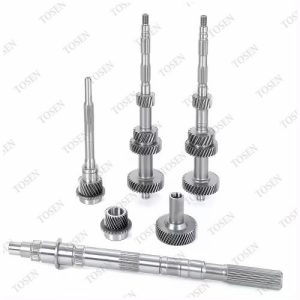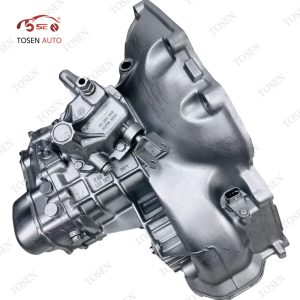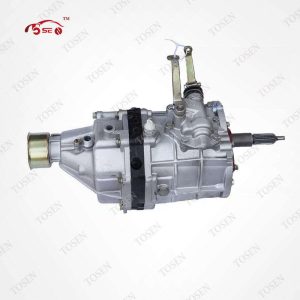
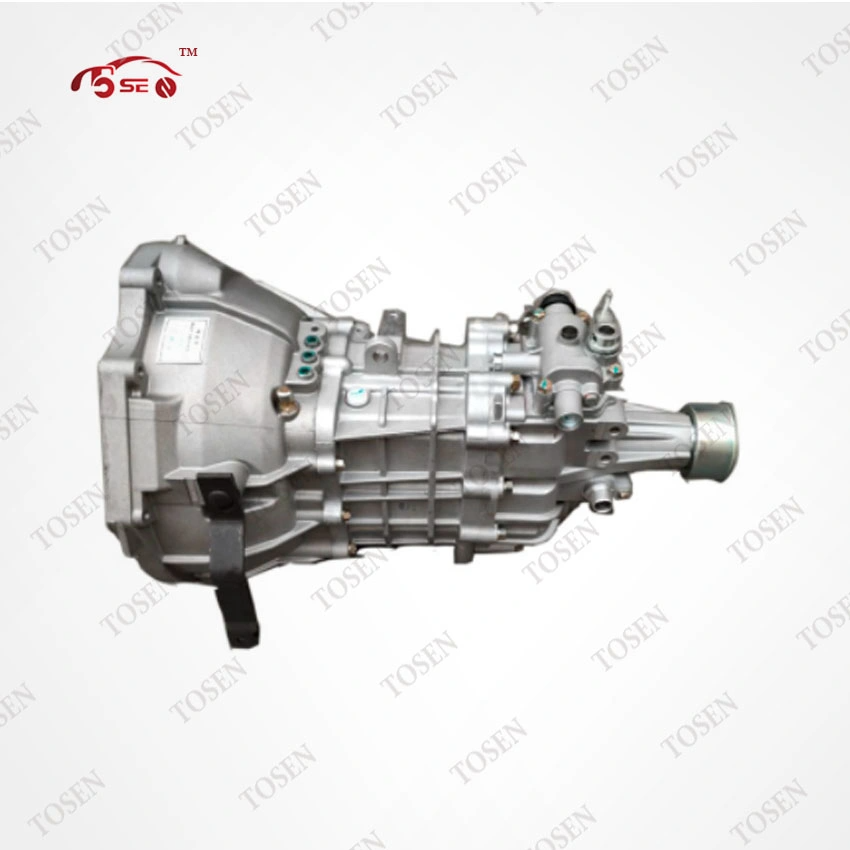
The Chevrolet N300 and N200 are 1.2-litre light commercial vans that thousands of workshops, importers, and fleet managers keep on the road across Latin America, the Middle East, and Africa. When the five-speed manual gearbox starts to whine, jump out of gear, or grind in second, the decision is usually the same: rebuild the old unit or replace the whole assembly. This guide walks through the Chevrolet N300 N200 gearbox as a wholesale purchase — how to confirm a replacement really fits, what to check on the input and output side, which oil and service parts to plan for, how to compare new and remanufactured units, and what to expect when the crate arrives. You will finish with a checklist you can hand to any supplier before you pay.
Does the Same Gearbox Code Really Fit the N300 and the N200?
The N300 and N200 share a common 1.2-litre, five-speed manual, rear-wheel-drive family. That makes buyers ask the fastest question in the business: if the gearbox code on my old unit matches a listing, will it bolt straight in? Casting codes, OEM part numbers with a 33030-style prefix, and family codes like the JF011E-series you see in JATCO service manuals all get quoted on listings. A shared family code, however, does not mean identical internals. The ATSG service manual for the JF011E documents multiple variants under one family code — different drums, valve bodies, and final drives that are not interchangeable. The same logic applies to a manual gearbox: model year, drivetrain, and bellhousing pattern all shift the fit.
The reliable path is the same one a careful supplier follows. Match three identifiers — the VIN, the transmission code or old-part label on the unit, and the model year of the van — and let the supplier confirm the exact variant before any crate is built. Model-name guesses cause wrong shipments, and wrong shipments on a marine route are expensive. If a listing cannot tell you which drivetrain or year it serves, treat that as a red flag rather than a bargain.
You can see the exact unit built for this platform on our Manual gearbox Transmission for Chevrolet N300 N200 1.2L page, which lists the application and the supplied configuration.
2WD vs 4WD: Why Input Shaft and Flanges Decide the Fit
The N300 and N200 vans are sold mostly as rear-wheel-drive five-speed models, but platform twins in the same manufacturing family appear with different drivetrain layouts in some markets. That is where the real fitment work happens: the bellhousing bolt pattern, the input shaft spline count and length, the output flange or yoke that meets the driveshaft, the speedometer drive, and the final ratio set.
When you order, be specific. A 2WD unit carries a different tail housing and output flange than a four-wheel-drive variant, and the clutch release system often differs too. If your vehicle is four-wheel-drive, say so in the first message — do not assume the listing covers it because the model name matches. The same habit applies to vans converted for taxi or cargo use, where the axle ratio may have been changed by a previous owner.
Before you quote, collect the transmission code from the unit label, count the splines on the input shaft if the unit is already out, and photograph the bellhousing and the tail. Suppliers who ask for these details are protecting you from the single most common cause of returns. To compare what ships across our full range, browse our manual and automatic transmissions category.
Gearbox Oil, Filters, and the Service Parts You Will Need
A fresh gearbox deserves a fresh service at install. The old oil in the used unit, or the factory fill in a new one, should be drained and replaced with the grade specified for the 1.2L manual transmission — confirm it from the old unit’s oil label or the OEM specification, because oil grades are not interchangeable. While the gearbox is on the bench, check the drain plug magnet for metal, and replace the filter screen or magnetic filter if the unit carries one.
Plan the small parts at the same time so you do not stop mid-install: a new top-cover gasket, a drain plug washer, and a new release bearing if the clutch is open. If the old unit jumped out of gear, inspect the shift linkage bushes and the gear-lever base before you blame the gearbox. Public service manuals such as the one linked in the references below show the same pattern — transmission problems are often cured by a worn linkage, a tired bearing, or old oil rather than a failed gear set.
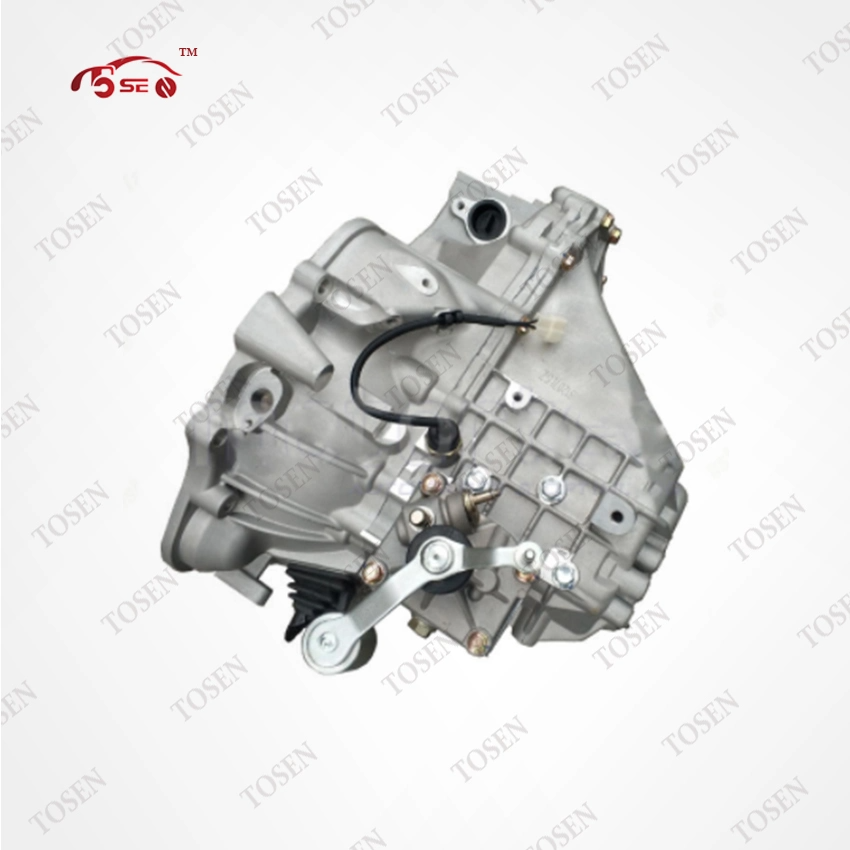
New vs Remanufactured: What to Verify Before You Quote
Both new and remanufactured units are available for this platform, and both can be sound buys. A new assembly uses fresh casings and components, which removes the variability of a used core. A remanufactured unit starts from a used casing that is inspected, machined, and rebuilt to specification — usually cheaper, but only as good as the rebuild records behind it.
Ask for the same evidence on either option. The supplier should be able to state that the casing was crack-checked, that synchronisers and bearings were replaced rather than reused, and that seals and gaskets are new. Ask whether the shift mechanism ships with the assembly or transfers from your old unit. And agree on the warranty in writing before dispatch, including when it starts — at shipment or at installation — because that timing decides most later disputes.
For the selection logic between a rebuilt unit and a full replacement, see our related technical guide on manual versus automatic transmissions for fleets.
Core Returns, Wooden Crating, and Sea-Freight Dimensions
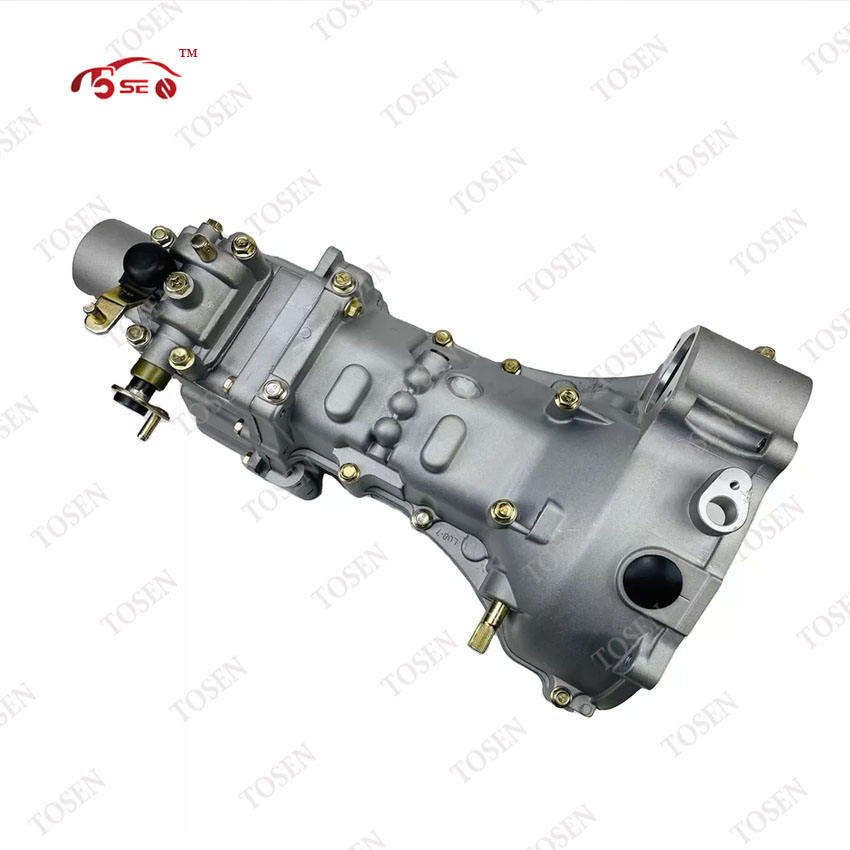
Wholesale buyers usually ship to a port, not to a door. That changes two things: how the unit is packed, and what happens to the old core. A gearbox shipped by sea needs a wooden crate that protects the casing, the bellhousing face, and the input shaft, with moisture protection for the machined surfaces. Confirm the crate dimensions and gross weight with the supplier before you book freight, and keep them on the packing list — carriers and customs agents will ask for them.
If a remanufactured program requires your old unit as a core, get the policy in writing before you order. Ask what condition the core must be in, how much credit it earns, who pays the return freight, and whether the casing can be exchanged outside the original shipping crate. Core terms that are clear before the first order prevent a slow, expensive argument after the third one.
Installation Flow After the Crate Arrives
Work through a fixed sequence the moment the unit lands. Photograph the crate before opening, and report any visible damage to the carrier while they are still present. Remove the unit and check the tag or OE number against your order — this is the last easy moment to catch a mix-up. Before bolting anything in, verify the bellhousing pattern, the input shaft splines, and the release system against the old unit laid out beside it.
Fill the gearbox with the correct oil, check the shifter engagement through all gears on the bench, then install with the mounts and alignment in order. Test the clutch release, run the gearbox through each ratio under power, and listen for whine in the top gear cruising range. Keep the installation photos and the serial number with the invoice — they become the reference point if a warranty question ever comes up.
Frequently Asked Questions
Will a gearbox listed for the N300 fit my N200?
Not automatically. The two vans share the 1.2L five-speed manual family, but year and drivetrain variants differ. Confirm with the VIN, the transmission code, and the model year instead of relying on the model name.
Do I need the 2WD or the 4WD version?
Most N300/N200 vans are rear-wheel-drive five-speed units. If your platform twin or converted vehicle is four-wheel-drive, tell the supplier up front — the tail housing, output flange, and often the release system are different.
Is a remanufactured gearbox as good as a new one?
Both can be sound if the supplier documents the work: casing crack check, new synchronisers and bearings, and new seals. A reman unit usually costs less; a new unit removes core variability.
What oil does the 1.2L manual gearbox take?
Use the grade specified for this transmission, confirmed from the old unit label or the OEM specification. Drain the old fill, check the magnet for metal, and replace the filter screen if the unit carries one.
Do you require a core return?
Policy varies by program. Ask for the terms in writing before ordering — what condition the core must be in, the credit amount, and who pays return freight.
Get a Fitment-Confirmed Quote
Submit your VIN, old-part label / OE number, model year, quantity, and destination port to receive a fitment confirmation and a quote. This closes the loop: the same identifiers that prove fitment become the records used to ship the correct gearbox for your N300 or N200.
References
- ATSG — JF011E Continuously Variable Transmission Service Manual (code-level variant identification): atsg.walkelis.com/BOOKS/JF011E.pdf
- FenderBender — From the JF011E to the JF015E: how generational changes make parts non-interchangeable: fenderbender.com (JF011E to JF015E)
- Manuals Plus — public transmission service manual reference: manuals.plus (B01HG13BMY)
- Automobile Spec — Chevrolet N200 (2008–2013) and N300 (2012 onward) 1.2L vehicle background: automobile-spec.com (Chevrolet N200), automobile-spec.com (Chevrolet N300)