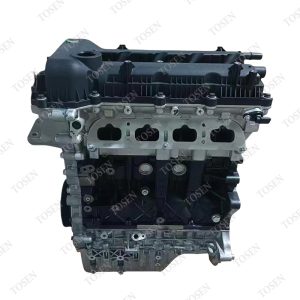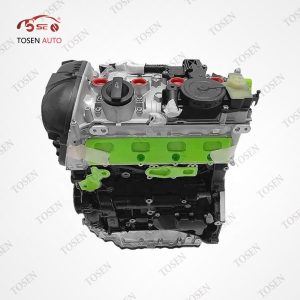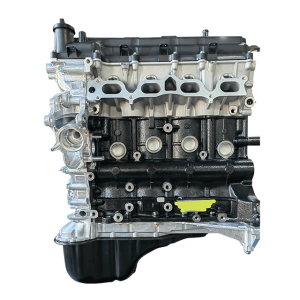
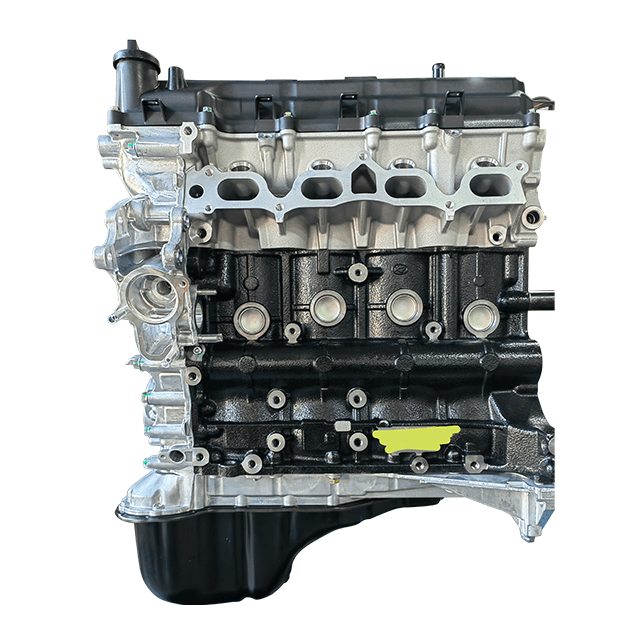
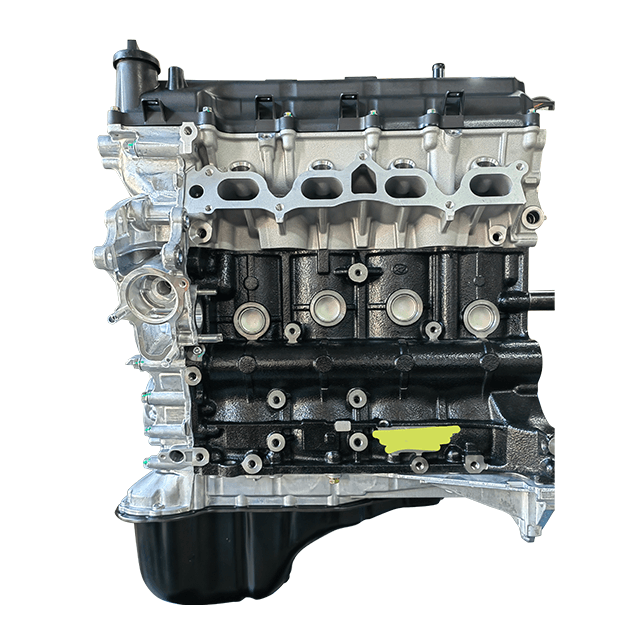
The 2TR engine block is the cast-iron heart of the 2.7-litre petrol engine that Toyota has fitted to the Hilux pickup since the mid-2000s. Workshops and importers order this block when the original unit cracks, loses a cylinder liner, or suffers a bottom-end failure that makes repair uneconomic. Before you commit to one, several things must line up: the engine code, the block scope you actually need, the condition evidence you should demand, and the responsibility boundary for crating, shipping, and first start. This guide walks through each of those checks so you can order with confidence.
Does the 2TR Block Match Your Hilux VIN and Engine Code?
Fitment starts with the engine code, not the model name. The Hilux has used several different engines over the years — diesel units such as the 2KD-FTV and 1KD-FTV, and petrol units such as the older 3RZ-FE and the newer 2TR-FE. All of them can sit in a bay that looks similar in a photo, but the blocks share almost no internal parts. The engine code, which is stamped on the block and listed in the vehicle’s build data, is the only reliable way to separate a 2TR from a 1TR or from a 2KD diesel.
Toyota’s published repair documentation for the Hilux shows where the engine serial and code are located and how to read them against the chassis record. That matters because two Hiluxes of the same year can carry different engines depending on the market and the trim. A supplier that asks for the VIN first is following the correct process, because the VIN, the code on the old block, and the model year together decide whether you need a 2TR-FE block or something else entirely.
Here is the short fitment checklist to have ready before you quote:
- Full VIN of the target vehicle.
- Engine code stamped on the old block (2TR-FE for the 2.7L petrol).
- Model year and body style (Hilux single cab, double cab, etc.).
- Fuel type — petrol 2TR-FE, not the diesel 2KD or 1KD units.
- OE number or old-part label from the failed engine where available.
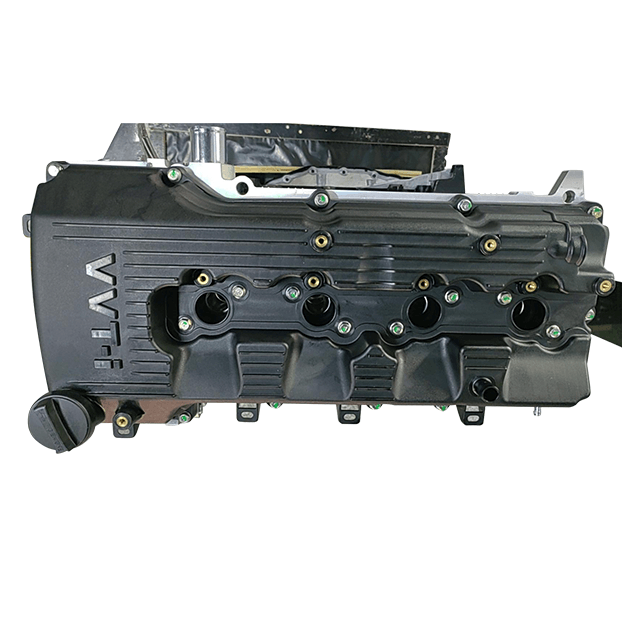
If your application is the 2.7L Hilux petrol engine, you can see the exact unit we build and supply on our Heavy Duty 2TR Engine Block for Toyota Hilux 2.7L Gasoline Corrosion Resistant OEM product page, which lists the fitment and the supplied configuration.
Bare Block, Short Block, Long Block, or Complete Engine?
The word “block” means different things to different sellers. Before you compare prices, decide which level of assembly you actually need, because that single decision changes what you must transfer from your old engine and how much labour to plan for.
| Assembly level | What is included | What you reuse from the old engine |
|---|---|---|
| Bare block | Machined block casting with cylinder bores and bearing caps | Everything else — head, crank, pistons, timing, accessories |
| Short block | Block, crankshaft, pistons, rods, and bearings | Head, valvetrain, timing, manifolds, and accessories |
| Long block | Short block plus cylinder head, valvetrain, camshafts, and timing cover | Manifolds, sensors, front dress, and some accessories |
| Complete engine | Long block plus manifolds and most accessories | Minimal — often just the wiring and mounts |
Most workshops replacing a failed 2TR choose between a short block and a long block. A short block makes sense when the old head is known-good and you can rebuild the top end yourself. A long block saves that labour but costs more and still needs your manifolds, sensors, and front dress. A bare block is the right call only when you have a machine shop capable of assembling the bottom end to spec. Confirm with the seller exactly which gaskets and seals ship in the box, so you do not stop mid-build to order a second parts kit.
To compare what each option ships with across our catalogue, browse our engine assemblies and long blocks category.
New or Remanufactured — and How to Verify the Block
Both new and remanufactured 2TR blocks are available, and both can be sound — but the label alone proves nothing. A new block uses fresh castings and parts. A remanufactured block starts from a used core that is machined back to specification. What you should compare is the evidence behind each unit.
Ask the supplier for the condition of the cylinder bores and the treatment applied before shipping. A bare casting that sits in a damp crate can corrode on the machined surfaces within weeks, which is why corrosion-resistant treatment matters for any block that will cross an ocean. Ask whether the unit is new, remanufactured, or a used core that has only been cleaned — those three are very different products at very different prices, and the difference shows up in reliability.
Independent buying guides such as United Engine’s replacement engine guide make the same point: verified condition data is the single best signal of a healthy unit, and a seller that cannot show it should be treated as a risk. Keep any photos or test data the supplier provides with the invoice, because they become your reference point if a warranty question comes up later.
Compression, Oil Pressure, and Seal Checks Before Installation
Before a 2TR block is installed, the checks that protect you are the same ones Toyota prescribes in its workshop procedure. Compression across all cylinders tells you the rings, valves, and sealing surfaces are holding. An oil-pressure check at operating temperature confirms the oil pump circuit and bearing clearances. These two readings, taken on the assembled engine, are the strongest evidence that the bottom end is healthy.
Toyota’s published Hilux repair manual defines the compression and oil-pressure test procedure, so you can ask a seller or your own installer to follow the same standard you would use in the bay. A cold compression figure taken before first start, and an oil-pressure figure after the oil system is primed, give you a documented baseline. Keep them with the invoice — they are the reference for any later claim about the supplied assembly.
On a bare block specifically, the buyer-side checks are different. Before you assemble anything, inspect the machined faces for rust or damage, verify the cylinder bore condition, and check the deck surface for corrosion. If the block has been machined, ask for the machining record. None of this is a certification — it is simply evidence that the part you are paying for was treated as an engineered component rather than a pulled core.
Wooden Crating, Sea Freight, and the First-Start Line
Most 2TR blocks cross an ocean in a wooden crate. Good crating is not packaging theatre: it protects the bare machined surfaces from corrosion and keeps the casting from cracking under container stack loads. On arrival, inspect the crate before you sign for it, and photograph any damage while the carrier is present. Moisture stains, a cracked skid, or a dented corner are worth a claim note, not a shrug.
The second half of the deal is the first-start line. A short block or bare block is a machined assembly, not a tuned, running engine. You must complete the build, prime the oil system, and carry out a controlled first start. Agree in writing where the supplier’s responsibility ends and your installer’s begins — that boundary decides most warranty outcomes. A clean first start protects both sides: pre-fill the oil system, crank without fuel to build pressure, then start and watch for noise, smoke, and temperature.
For the wider selection logic across Hiace and Hilux petrol and diesel assemblies, see our related technical guide on choosing the right engine assembly.
Frequently Asked Questions
How do I confirm a 2TR block fits my Hilux 2.7L exactly?
Match the VIN, the engine code stamped on the old block (2TR-FE), the model year, and the fuel type. Share those with the supplier so they can confirm the exact variant before shipping.
What is the difference between a bare block, short block, and long block?
A bare block is only the machined casting. A short block adds the crankshaft, pistons, rods, and bearings. A long block adds the cylinder head, valvetrain, and timing. The choice depends on what you can transfer from your old engine and how much labour you plan to do.
Should I buy a new or remanufactured 2TR block?
It depends on budget and the machining quality behind each unit. Both can be sound if the seller provides bore condition photos, machining records, and corrosion-protection details. New blocks avoid core variability; reman blocks usually cost less but need verified machining to be trustworthy.
What should I check when the wooden crate arrives?
Photograph the crate and the block before unpacking. Look for moisture, a cracked casting, corrosion on machined surfaces, and damaged skids. Report any issue to the carrier and supplier before signing.
Who is responsible if the engine fails after installation?
Warranty typically covers the supplied assembly against defects, not installation errors. The first-start line agreed before purchase sets where the supplier’s duty ends and the installer’s begins.
Get a Fitment-Confirmed Quote
Submit your VIN, old-part label / OE number, model year, quantity, and destination port to receive a fitment confirmation and a quote. This closes the loop: the same identifiers that prove the 2TR block matches your Hilux 2.7L become the records used to ship the correct unit for your application.
References
- Toyota Hilux Repair Manual — engine code location and compression / oil-pressure test procedure: toyotamanuals.gitlab.io (Hilux manual)
- Toyota vehicle / engine code reference data: toyotamanuals.gitlab.io (engine data reference)
- United Engine — Replacement Engine Buying Guide: unitedengine.com/replacement-engine-buying-guide