A long-block order can fail before the crate leaves the supplier. The quote may name the right engine family while the sump, head, sensors, or included parts do not match the vehicle waiting in the workshop.
That is why choosing a diesel long block supplier is an evidence problem, not a catalog problem. A repair-shop owner or fleet buyer needs one chain that connects the original engine identity, the quoted bill of materials, the actual unit, its release records, the export crate, and the warranty file.
This guide turns that chain into eight purchasing checks. You will define the long-block boundary, audit the supplier, specify a usable test pack, normalize MOQ and delivery terms, and protect the receiving and first-start record.
The result is a quote request that a supplier can answer without guessing—and a comparison your technical and purchasing teams can defend.
Freeze Engine Identity Before You Compare Suppliers
Start with evidence that describes the failed unit, not the seller's closest listing. Toyota identifies the 2KD-FTV as a four-cylinder, 2,494 cc direct-injection diesel used in representative Hiace applications. That confirms family-level plausibility, but it does not confirm every vehicle-year, market, sump, mount, manifold, sensor, or fuel-system interface.
- Record the full engine code and every visible suffix, stamp, casting mark, and serial reference.
- Provide the VIN, vehicle model, model year, sales market, transmission, and drive configuration.
- Photograph the old engine label and capture any OE number used on the original order or service record.
- Add clear photos of the sump, mounts, cylinder head, intake and exhaust faces, sensors, fuel equipment, and accessory brackets.
- Ask the supplier to return the proposed engine identity and any required transfer or modification points in writing.
Use a mismatch stop rule
Stop the quote comparison when the VIN result, engine code, OE reference, or physical interfaces conflict. A lower price cannot correct an unidentified variant.
The supplier should state what was checked, what remains conditional, and which additional photo or measurement will close the gap. Keep that answer with the RFQ revision.
Put the Long-Block Supply Boundary in Writing
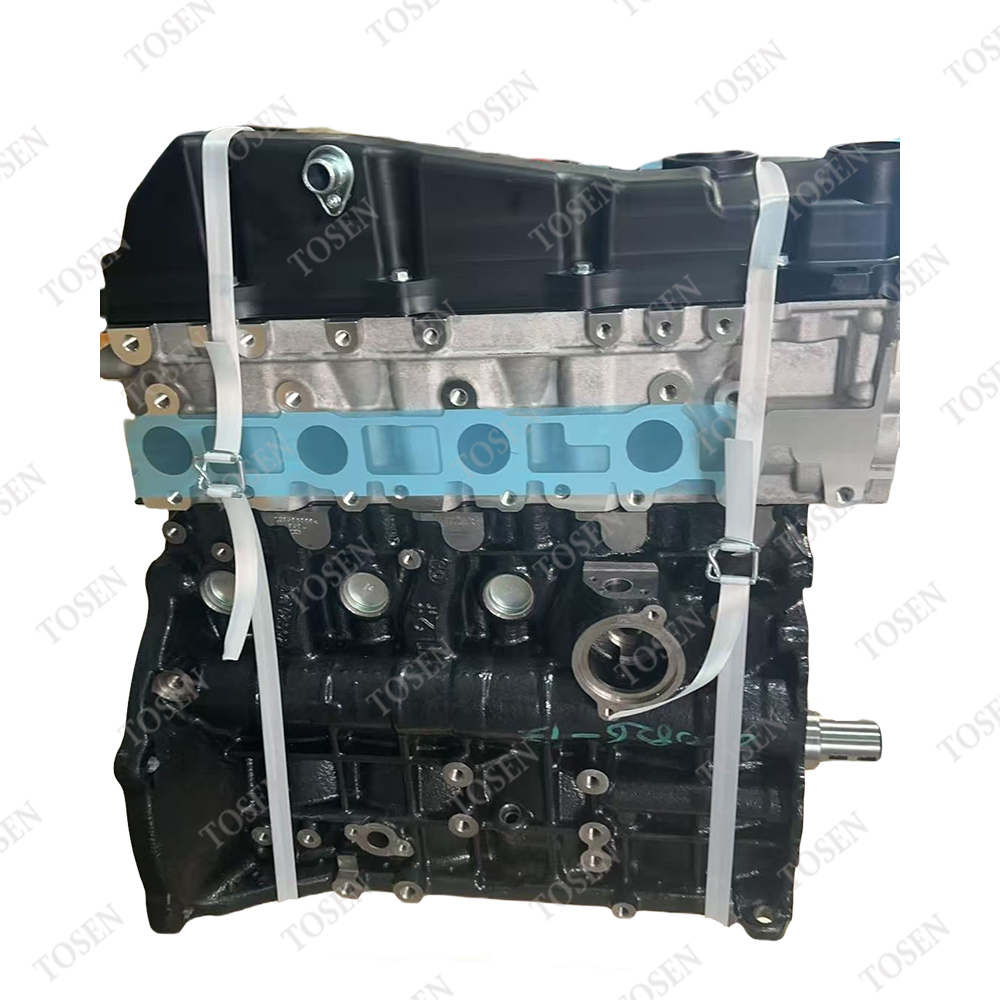
Treat short block, long block, and complete engine as scope categories, not fixed bills of materials. Real listings use broad labels beside narrower transfer notes, so the quote must name every major assembly and its condition. TOSEN's engine assemblies and long blocks category is useful for shortlisting, while the signed BOM controls what the workshop receives.
| Assembly | Usual center of scope | Write into the quote | Main buyer risk |
|---|---|---|---|
| Short block | Block and lower rotating assembly | Block, crankshaft, rods, pistons, bearings, oil-pan status | Head, timing, sealing, and transfer work remain |
| Long block | Short block plus cylinder head and valvetrain | Head, cam/valve gear, timing parts, covers, pumps, gaskets, sensors | Seller definitions differ at the edges |
| Complete engine | Long block plus a wider set of systems | Turbo, fuel equipment, manifolds, wiring, ECU, starter, alternator, brackets | Photo may show parts that are excluded |
| Any condition | New, remanufactured, rebuilt, or used | Condition basis, replaced parts, machining, donor history, test evidence | The same scope label can carry different condition risk |
Make the BOM outrank the image
Attach a line-by-line inclusion and exclusion schedule to the quotation. Mark each part new, remanufactured, used, transferred from the old engine, optional, or not supplied.
Ask the installer to review the transfer list before payment. Missing injectors, turbo hardware, sensors, brackets, covers, pumps, or consumables can change the installed cost and the warranty boundary.
Audit a Diesel Long Block Supplier Through an Evidence Chain
- Match the legal company, payment beneficiary, website, quotation header, facility address, and sales contact. Resolve every naming or account change before deposit.
- Send the same identity pack and BOM question to each supplier. Score whether the reply identifies uncertainty, transfer parts, and the evidence needed to close fitment.
- Request a traceability example that connects an engine identifier or batch, work order, inspection record, photographs, packing mark, and shipment document.
- Review one representative release pack with sensitive customer details removed. Check revision, date, unit link, method, result, and approval—not just the template design.
- Name who can approve technical deviations and final shipment release. Put the escalation and document list into the purchase order.
A certificate, factory video, or polished sample can support due diligence, but none proves that the quoted unit will follow the same controlled route. The chain is stronger when every record shares a quotation number, order reference, unit or batch identifier, and revision. That lets purchasing stop a release when one link is missing.
- Verify the issuing organization, scope, date, and validity of any certificate rather than treating its logo as proof.
- Ask for original files or portal-verifiable records when a key approval depends on a document.
- Reject reused photos or test sheets that cannot be tied to the quoted unit or batch.
- Record every agreed exception in the quote or PO; chat messages should not be the only approval trail.
- Use a pre-shipment hold point: no packing approval until identity, BOM, release evidence, and open deviations are closed.
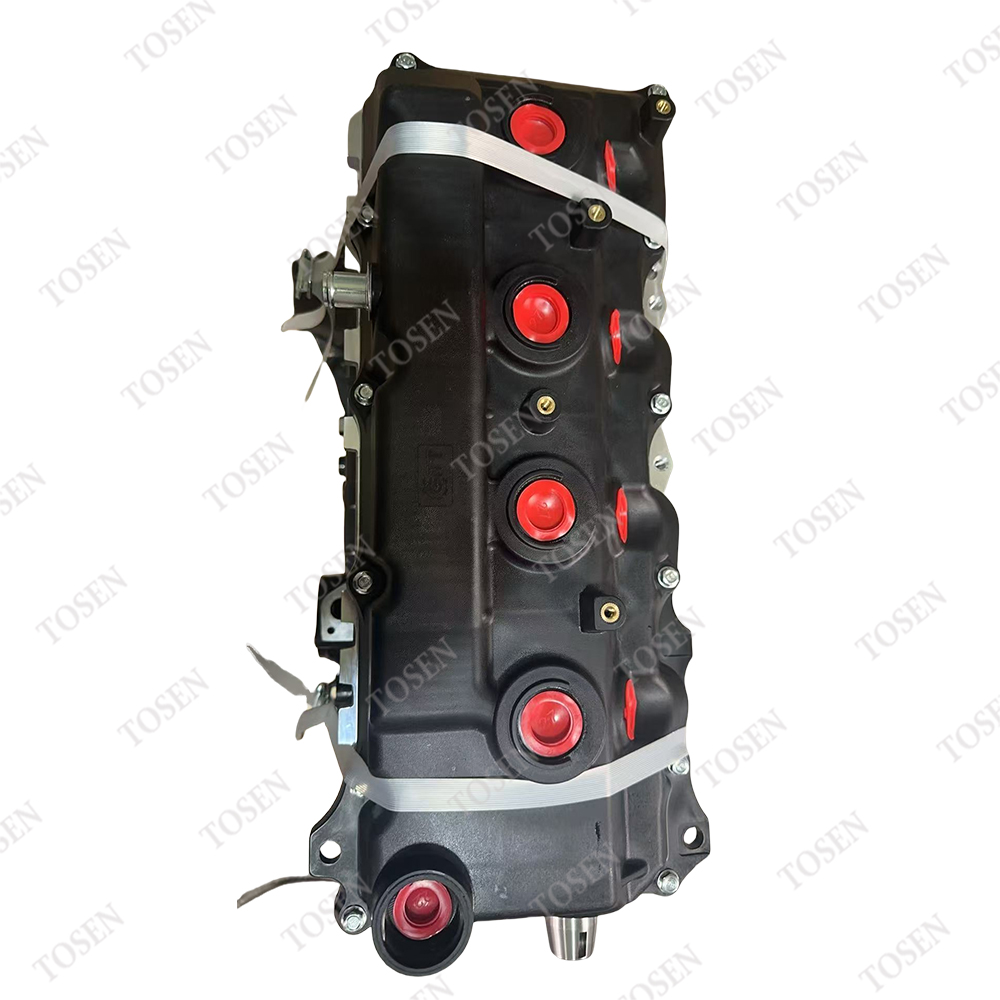
Demand a Unit-Specific Mechanical Release Pack
| Record | Minimum usable fields | Decision use | Red flag |
|---|---|---|---|
| Identity photos | Unit/batch mark, all sides, sealing faces, date or order reference | Connect the physical unit to the quote | Only catalog photos or cropped identifiers |
| Compression or sealing check | Method, setup/condition, cylinder results, acceptance reference, date, unit ID | Review cylinder sealing when relevant to condition | One pass/fail line with no readings or method |
| Oil-pressure or lubrication check | Method, operating condition, reading, reference, instrument ID, unit ID | Review lubrication evidence when the supplied build permits the test | A generic value detached from test condition |
| Dimensional/build record | Measured feature, method, result, correct manual/drawing reference, revision | Check machining or assembly release for rebuilt/remanufactured units | A tolerance copied from another variant |
| Visual and leak inspection | Inspection points, result, close photos, open deviation and disposition | Catch damage, corrosion, missing plugs, or leakage before packing | Checklist signed before the unit photos were taken |
The correct acceptance reference depends on engine variant, condition, build stage, and test method. Toyota's 2KD-FTV repair information, for example, defines specific procedures and dimensional limits for block and rotating-component inspection. Use the applicable manual or approved drawing named in the supplier record; do not paste one internet number into every RFQ.
- Require the same unit or batch identifier on the quote, record set, image filenames, crate mark, and packing list.
- Ask which checks are possible on the supplied build and which require a completed engine or installation.
- Define who reviews each result and who can accept a documented deviation.
- Keep original-resolution images and readable files; screenshots of unreadable reports do not support approval.
- Withhold shipment release when an identifier, method, result, reference, date, or approval is missing.
Normalize MOQ, Lead Time, and Landed Quote Scope
| Quote line | Normalize to | Hidden-risk question |
|---|---|---|
| Identity and condition | Same engine identity pack and same new/remanufactured/used basis | Has the supplier priced a different variant or condition? |
| Assembly scope | Same signed BOM, exclusions, consumables, transfer parts, and optional items | Which missing part shifts cost to the workshop? |
| Quantity and MOQ | Required order quantity plus sample, repeat, and mixed-SKU conditions | Does the headline unit price require more units than the buyer needs? |
| Lead time | Deposit-to-release timeline with evidence-review and deviation time | Is the date production complete, packed, handed to carrier, or delivered? |
| Trade and freight | Named Incoterms rule/version and named place, packing basis, route, and validity | Who books, pays, insures, clears, unloads, and handles delay? |
| Warranty remedy | Same coverage questions and estimated return/replacement logistics responsibility | Can the remedy cost more than the apparent saving? |
- Separate quoted engine value from optional ancillaries, spare parts, export packing, documents, inspection, and freight.
- Ask the customs broker to confirm destination classification, import eligibility, duties, taxes, and required documents; do not rely on a generic supplier estimate.
- Record quote validity, currency, payment milestones, deposit protection, bank charges, and the release hold point.
- Compare the cost of delay and workshop rework as risks, not invented fixed surcharges.
Rank the delivered decision, not the lowest unit price
A comparable quote uses the same identity, BOM, condition, quantity, evidence deliverables, packing, trade rule, named place, and warranty questions.
Keep assumptions in a separate column and require the supplier to confirm or correct them before technical and commercial approval.
Control Export Packing and Receiving Evidence
- Pre-pack: photograph the released unit, identifiers, open ports, sealing faces, lifting points, loose items, and supplied accessories.
- Protect: cap openings, control moisture and corrosion risk, restrain the engine at approved points, isolate loose parts, and record crate construction.
- Mark and load: match unit, packing list, crate marks, gross/net weight, dimensions, handling marks, container or vehicle, and seal where applicable.
- Receive: photograph the unopened crate on the carrier, record visible damage before signature, and note exceptions on the delivery record.
- Open and notify: preserve packaging, compare contents with the BOM, photograph discrepancies, and notify the responsible parties within the agreed clock.
Wooden crating appears in real engine-supplier shipping policies, but the material name alone does not prove protection. The buyer needs continuity: the same unit seen at release, restrained inside the documented crate, loaded under the recorded mark, and inspected at receipt. Put the required photo angles and notification channel in the PO before dispatch.
- Confirm package dimensions, weight, lifting and unloading needs before booking the destination facility.
- State whether corrosion protection, moisture barrier, desiccant, port caps, and accessory boxes are required for the route and storage period.
- Require close photos before the crate closes and wider photos after marking and loading.
- Give the receiving team the BOM, crate marks, photo checklist, exception wording, contacts, and deadline before arrival.
- Do not discard the crate, restraints, labels, or damaged parts until the carrier, insurer, supplier, and buyer agree the evidence is complete.
Agree the Warranty and First-Start Boundary
| Term | Exact question | Record to retain |
|---|---|---|
| Start and end | Does coverage start at shipment, receipt, installation, or first start; how is the date proven? | Shipment/receipt record, installation invoice, commissioning date |
| Covered defect | Which supplied parts and manufacturing or rebuild defects are covered? | Signed BOM, condition statement, warranty revision |
| Installation duties | Which cleaning, flushing, consumables, measurements, installer qualifications, and surrounding-system checks are mandatory? | Installer checklist, parts invoices, photos, readings |
| Notice and diagnosis | How quickly must the buyer stop, notify, test, and preserve parts; who authorizes teardown? | Fault timeline, codes, video, fluid evidence, written authorization |
| Remedy and costs | Repair, replacement, parts credit, or return; who pays labor, freight, duties, storage, and reinstallation? | Claim decision, shipping approval, cost authorization |
| Exclusions | Which overheating, contamination, fuel, turbo, injector, cooling, modification, storage, or misuse events are excluded? | Pre-install root-cause and surrounding-system record |
Competitor examples publish different durations, start dates, parts-only limits, freight allocations, and installation exclusions. Do not treat those examples as a market standard. Compare the language offered for this order, then have the workshop confirm it can produce the required records before the engine arrives.
- Photograph the unit identifier, seals, delivered condition, supplied ports, and accessories before installation.
- Document the cause of the original failure and corrective work on cooling, fuel, air, lubrication, turbo, and control systems as applicable.
- Record installed consumables, pre-lubrication or priming steps, fluid specifications, initial readings, fault codes, leaks, and first-start time.
- Stop operation and preserve evidence when an abnormal condition appears; do not dismantle beyond the written claim procedure without approval.
- Keep the quote, BOM, release pack, receiving file, installation record, and first-start log under one unit identifier.
Send a Quote-Ready Diesel Long-Block RFQ
- Buyer and project: company, contact, workshop or fleet use, destination country and named port or delivery place.
- Vehicle identity: VIN, make/model, model year, market, transmission, drive configuration, and photos of the vehicle label when available.
- Original engine identity: full code/suffix, serial or stamp, old label/OE number, failure summary, and interface photographs.
- Requested supply: short/long/complete boundary, line-by-line BOM, exclusions, condition, transfer parts, consumables, options, and acceptable alternatives.
- Order basis: sample or production quantity, MOQ question, repeat forecast, required release date, quote currency, validity, and payment milestones.
- Evidence deliverables: proposed unit identity, traceability, inspection/test methods and results, reference criteria, photos, open-deviation process, and pre-shipment hold point.
- Logistics: export protection, crate specification, package dimensions/weight, route, named Incoterms rule/version and place, freight option, documents, and unloading needs.
- Warranty: start date, coverage, installer duties, exclusions, notice and diagnosis process, remedy, and labor/freight/duty allocation.
Attach the same RFQ and response table to every shortlisted supplier. If 2KD is in scope, the catalog listing named 2KD Engine Long Block for TOYOTA Hiace A 3.0 Diesel Motor Engine can start the conversation, but its page title and photos do not replace engine-code, VIN/OE, BOM, and unit-evidence review.
For fitment logic before the inquiry, use the related technical guide. Return each unresolved interface question in writing so the supplier can confirm it or request the missing evidence.
Request fitment confirmation and a written quote. Send the VIN, old-engine label or OE number, model year, required assembly scope, quantity, and destination port. Ask TOSEN AUTO to return the proposed engine identity, BOM, evidence pack, MOQ, lead time, packing basis, trade term, and warranty response in the same format. Completed diesel long-block RFQ checklist
Frequently Asked Questions
Is an engine code enough to confirm a diesel long-block fit?
No. Use the full code and suffix with VIN, vehicle market and year, old label or OE reference, transmission/drive details, and interface photos. Family-level specifications can catch an obvious mismatch, but the supplier should return the proposed unit identity and unresolved fitment conditions in writing.
What is normally excluded from a long block?
There is no universal exclusion list. Turbo, injectors, fuel equipment, manifolds, sensors, wiring, ECU, starter, alternator, pumps, brackets, covers, and consumables may be supplied, optional, transferred, or excluded. The quotation's signed BOM and exclusion schedule should control.
Should every supplier provide the same compression value?
No. The applicable method and acceptance reference depend on engine variant, condition, build stage, and test setup. Ask for the unit identifier, method, operating condition, individual results, reference document, date, and approval. Reject a generic pass statement that cannot be tied to the quoted unit.
When should a diesel-engine warranty start?
The parties must agree rather than assume. Shipment, receipt, installation, and first start create different practical periods. Record the chosen trigger, how it is proven, any installation deadline, required commissioning evidence, exclusions, notice period, remedy, and allocation of labor, freight, duties, and reinstallation cost.
Approve the Evidence Chain, Not the Headline
A dependable supplier decision connects one engine identity to one written BOM, one release pack, one delivered quote basis, and one receiving and first-start record. If any link changes, reopen the comparison before approval.
Give the workshop the same documents purchasing used to place the order. That keeps transfer parts, packing exceptions, installation duties, and warranty evidence visible before the engine reaches the bay.
Ask TOSEN AUTO for a fitment-confirmed diesel long-block quote. Submit the VIN, old-engine label or OE number, model year, required scope, quantity, and destination port. Request the proposed identity, BOM, unit evidence, MOQ, lead time, packing basis, trade term, and warranty terms in writing. Completed diesel long-block RFQ checklist