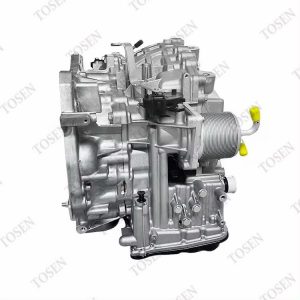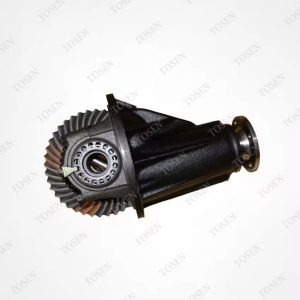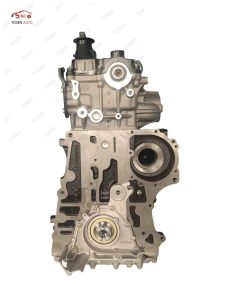
A mislabeled drivetrain part can send a workshop down the wrong buying path before the first quote arrives. S160G is often presented beside a 1.5-liter Geely application, yet verified catalog and workshop records identify it as a manual transmission, not an engine.
A Geely S160G manual transmission replacement therefore starts with identity, not price. The buyer must connect JL-S160G and part number 3000000011 to the original unit, then compare its housing, mounts, input, outputs, linkage, sensors, supplied scope, and commercial terms.
This guide turns that work into a clear approval sequence for repair shops, rebuilders, importers, and fleet buyers. It also shows where technical specifications help and where they cannot replace vehicle-specific confirmation.
First, Correct the Record: S160G Is a Transmission
| Item | Description |
|---|---|
| JL-S160G / S160G | A five-speed manual transmission or transaxle model designation. |
| 3000000011 | A catalog part number associated with the JL-S160G transmission assembly. |
| MR479QA | An engine code named separately in Geely MK application listings; it is not another name for S160G. |
The confusion is easy to trace. A product title may say “engine” because S160G appears beside a 1.5-liter application, while the same page breadcrumb, body copy, and photographs show a manual gearbox. Catalog sources also separate the S160G transmission from the MR479QA engine. Use the component category, model designation, part number, and physical unit together; never approve the order from the title alone.
Stop rule
If a quote calls S160G an engine, pause the order and ask the seller to identify the actual component, part number, and photographed unit in writing.
Build a Fitment Match Before You Compare Prices
Start with the original gearbox label or casting information, then add the vehicle model, build period, VIN details available to the workshop, engine code, and current part number. JL-S160, JL-S160G, and JL-S160GA are related names, but available catalogs assign different assembly numbers. That is enough reason to treat them as separate candidates until a supplier proves interchange. A related transmission fitment guide shows the same interface-first discipline across another gearbox family.
| Evidence | Original unit | Offered unit | Approval question |
|---|---|---|---|
| Model and suffix | Full label or catalog reference | Full label or traceable supplier record | Are all characters accounted for? |
| Part number | 3000000011 or recorded alternative | Photographed number and quote line | Is any supersession documented? |
| Bellhousing and input | Straight-on and side photos | Matching photos | Do bolt pattern, input, and clutch interface agree? |
| Mounts and casing | All mounting bosses visible | Same angles and bosses visible | Will the unit sit in the original mounts? |
| Outputs and selector | Both axle outputs, selector and linkage | Same viewpoints | Do interfaces and positions match? |
| Electrical points | Switches, sensors and connectors | Same details | Are connectors present and compatible? |
- Record every suffix instead of shortening the code
- Use matching photo angles for the original and offered units
- Ask who verified the match and which catalog or measurement was used
- List transfer parts and unresolved differences before approving payment
Repair, Rebuild, or Replace the Complete Unit?
| Path | Best fit when | Main evidence | Primary risk |
|---|---|---|---|
| Targeted repair | Fault is isolated and housing, shafts, and gears remain serviceable | Diagnosis plus parts availability | Hidden damage expands the job |
| Rebuild | Wear is broader but the correct case and core are recoverable | Teardown measurements and rebuild scope | Quality depends on parts and workmanship |
| Replacement assembly | Housing or hard parts are damaged, parts are scarce, or downtime is critical | Verified fitment, condition/test record, scope and warranty | Wrong variant or incomplete assembly |
| Pause and diagnose | Noise, shift complaint, leak, clutch fault, or linkage issue is not isolated | Road test and workshop inspection | Replacing the gearbox may not fix the symptom |
Separate gearbox faults from clutch release, linkage, mounts, driveshafts, and lubricant problems before choosing a complete unit. If the drain oil contains debris or the housing is damaged, retain photos and workshop notes. If a rebuild is considered, ask which bearings, synchronizers, seals, gears, and shafts are available for the exact variant. Compare total downtime and responsibility, not just the initial parts price.
Decision rule
Approve replacement only when the diagnosis supports it and the candidate unit has stronger fitment and condition evidence than the repair uncertainty it is meant to remove.
Define the Supplied Scope in Writing
A gearbox can be shown with selector hardware, release components, switches, brackets, or mounts that are not included in the quoted scope. Treat “complete” as an opening question. Ask for dated photos of the exact unit and a line-by-line packing list before the seller closes the crate. Review the manual transmissions category to understand the supplier's broader assembly scope, then keep the S160G quote specific.
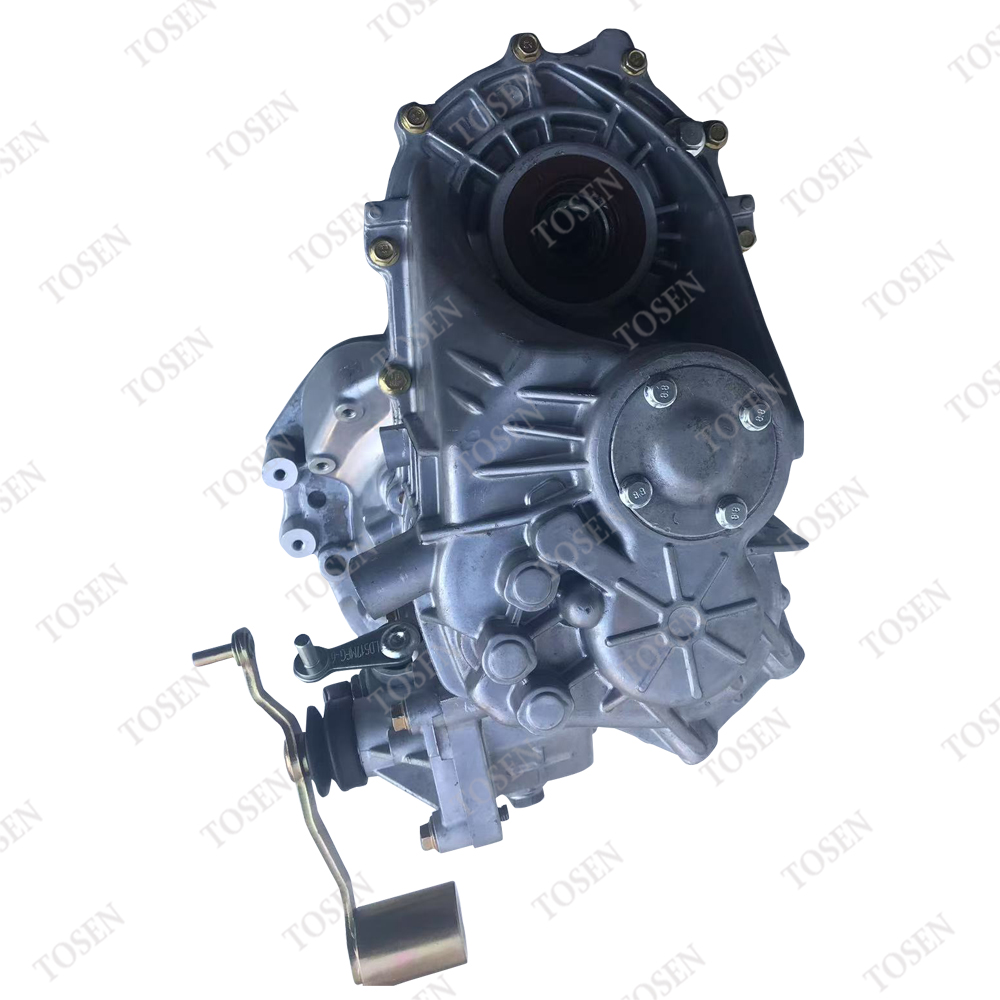
- Transmission case and bellhousing
- Input shaft and both output interfaces
- Selector mechanism and external linkage parts
- Reverse switch, speed sensor, and visible connectors
- Clutch release fork, bearing, or slave components if offered
- Mounting brackets, support pieces, plugs, and protective caps
- Oil status: drained, filled, or shipped with preservation fluid
- Included documentation, test record, and warranty terms
- Mark every reused original part in the workshop plan.
- Do not assume a photographed accessory is included unless the quote names it.
- Confirm whether missing or damaged external parts affect a claim before installation begins.
Use Specifications as a Verification Baseline
| Field | Recorded value | Buyer use |
|---|---|---|
| 1st gear | 3.182 | Compare documentation; not a stand-alone fitment test |
| 2nd gear | 1.895 | Check the claimed model record |
| 3rd gear | 1.250 | Keep with the complete ratio set |
| 4th gear | 0.909 | Keep with the complete ratio set |
| 5th gear | 0.703 | Keep with the complete ratio set |
| Reverse | 3.133 | Reference value |
| Final drive | 4.267 | Important when comparing related S160-family units |
| Lubricant | API GL-4 SAE 75W-90 | Confirm the exact service procedure and quantity before filling |
| Recorded oil-capacity range | 2.1–2.4 L | Use the vehicle/workshop procedure and level plug as final authority |
These values help expose a wrong model record, but they do not prove that the bellhousing, mounts, outputs, linkage, or sensors will fit. Preserve the complete specification context. Do not substitute a different API service category only because the viscosity looks similar, and do not treat a listed capacity as permission to overfill. The workshop procedure and the correct level check govern the service.
Specification boundary
Use ratios and lubricant as verification checkpoints. Use codes, part numbers, application records, and physical interfaces for fitment approval.
Inspect the Crate Before the Workshop Commits
- Photograph every side of the unopened crate, labels, bands, base, and any puncture, tilt, stain, or crushed corner before signing.
- If damage is visible, note it on the carrier record and follow the agreed inspection or refusal process. A clean delivery signature can weaken later evidence.
- Open the crate without lifting the unit by the selector, shafts, sensors, or small brackets. Keep the packaging until acceptance is complete.
- Compare the received code, part number, housing, mounts, outputs, selector, switches, plugs, and accessories with the pre-shipment record.
- Rotate or bench-check only under the supplier and workshop procedure. Record any crack, impact mark, abnormal play, contamination, leak, or missing protection before installation.
- Crate and carrier evidence saved
- Unit secured to a stable base
- Shafts and ports protected
- Housing and mounting bosses undamaged
- Received scope matches the quote
- Discrepancies reported before installation or disassembly
Send a Quote Packet a Supplier Can Verify
- Vehicle make, model, market, build date, and VIN details available
- Original gearbox code and readable label or casting photos
- Original part number and any catalog supersession
- Engine code and transmission type recorded separately
- Bellhousing, mounts, input, outputs, selector, sensors, and connectors photographed
- Requested condition: new, rebuilt, remanufactured, or used
- Required included parts and known transfer parts
- Test evidence requested for the exact unit
- Warranty scope, exclusions, claim steps, and labor position
- Incoterm, destination, crate dimensions/weight, lead time, and damage process
Use the existing Geely S160G manual transmission listing to compare product photos and identity. Ask the supplier to return the completed match basis and every exception in writing.
Prepare the fitment packet first. Submit the exact JL-S160G evidence, desired scope, and destination for written confirmation before approving the gearbox. On-page S160G fitment and quote checklist
Frequently Asked Questions
Is Geely S160G an engine code?
No. Verified product, catalog, and workshop records identify S160G or JL-S160G as a manual transmission. MR479QA appears separately as an engine code in Geely MK application listings.
What part number is associated with the JL-S160G gearbox?
Multiple catalog and marketplace sources associate 3000000011 with the JL-S160G assembly. Confirm the number on your original unit or catalog record and ask the supplier to photograph the offered unit's identification.
Can JL-S160, JL-S160G, and JL-S160GA be interchanged?
Do not assume so. Available catalogs show different names and assembly numbers, and owner discussions report ratio differences within the family. Require a documented supersession or a full interface and specification match.
Which oil does the JL-S160G workshop information specify?
The available workshop material specifies API GL-4 SAE 75W-90 and records a 2.1–2.4 L capacity range. Follow the correct vehicle/workshop fill and level procedure rather than using the range as a fixed fill quantity.
What photos should I send for fitment confirmation?
Send the label or casting marks, bellhousing and input, all mounts, both output sides, selector and linkage, switches, sensors, connectors, and full-unit views. Use the same angles for the offered gearbox.
Should I install the gearbox before reporting freight damage?
No. Photograph the unopened crate and the unit, note visible damage through the carrier process, and report discrepancies before installation, disassembly, or disposal of the packaging.
Verify Before the Gearbox Leaves the Crate
A reliable S160G replacement decision begins by naming the component correctly. From there, the strongest record connects JL-S160G and 3000000011 to the vehicle and original gearbox, then confirms every physical interface and supplied part.
Keep diagnosis, technical specifications, commercial scope, and freight acceptance as separate checks. That makes it easier to see which facts are verified, which parts will transfer, and who must resolve a discrepancy before installation.
Use the checklist before requesting approval. Send the code, part number, application details, matching photos, required scope, terms, and destination to the supplier for written fitment confirmation. On-page S160G fitment and quote checklist