96395381 is a 16-valve DOHC cylinder head that the sources checked catalogue for the 1.8 L F18D3 engine. A 1.6 L label appears in the TOSEN AUTO page URL and in an older TOSEN AUTO listing, but no catalogue source read for this article assigns the reference to a 1.6 L engine. For a Chevrolet F18D3 96395381 cylinder head order, that difference is the first thing to settle: the reference, the engine code and the casting all have to agree before price or supply scope mean much.
The checks below follow the way the risk sits. Identity comes first, then a physical check of the casting, then the supply scope, then the inspection record. Gasket, bolts, timing and cooling come last because they protect the purchase at fitting, not at the quote stage.
Quick check before you pay. Engine code on the block and a GM parts lookup for the displacement; casting characters and box label photographed; bare or assembled scope in writing; inspection record with method and result; warranty exclusions and return terms; packed weight and freight-damage terms.
What 96395381 Identifies — and Why Some Listings Say 1.6 L
The reference and the engine code are not the same kind of identifier. 96395381 is a part number a catalogue uses to group an offer. F18D3 is an engine code. When a listing puts both on one page, the buyer still has to check that the part fits the engine in front of them.
The evidence for this reference points to 1.8 L. A Universidad del Azuay study of the F18D3 describes a 1796 cc DOHC inline four and names a 2013 Chevrolet Optra 1.8 as the vehicle. A Daewoo Lacetti parts-catalogue row lists 96395381 as 1.8 L, four cylinders and 16 valves. The TOSEN AUTO page URL still carries "F18D3 compatible with Chevrolet Optra 16V 1.6L", and an older TOSEN AUTO listing uses the same 1.6 L wording, which does not agree with either source. The listing's own specification panel gives the reference and the Chevrolet/Daewoo application without a displacement, so the string is a label carried in the URL, not evidence of a second application.
| Identifier | What the evidence says | What it does not prove | Physical check |
|---|---|---|---|
| 96395381 | Catalogue reference for a Chevrolet/Daewoo cylinder head; a Lacetti catalogue row gives 1.8 L, four cylinders and 16 valves | That every unit sold under the number uses the same casting | The marks on the head, and the number on the box |
| F18D3 | GM engine code for a 1796 cc DOHC inline four, studied in a 2013 Optra 1.8 | That every market and model year used the same head casting | The engine code on the block, not the VIN alone |
| "1.6L" in the URL | A displacement label in the seller's URL; the catalogue sources checked do not assign 96395381 to a 1.6 L engine | That the head fits a 1.6 L engine | The engine code and the combustion-chamber size |
Two things follow. First, the 1.6 L text is a listing label, not a fitment claim you can rely on. Second, the 1.8 L evidence is strong enough to make the displacement a question you ask, not a fact you assume. If your engine is a 1.6 L, stop and confirm the reference in writing before you order.
Some catalogues also group 96395381 with 92064173, 92062816 or 25181240. No source read for this article documents whether those numbers describe the same casting, so treat them as questions for the supplier and as numbers to compare with the casting, not as interchangeable references.
This article covers the F18D3 application only. If the block carries a different 1.8 L engine code, verify that code separately before you use this checklist.
Read the Casting and the Engine Code, Not the Listing Label
The listing label is a claim. The casting is the object. A buyer can check the second without trusting the first, and that is why a photo request belongs before payment, not after delivery.
Start with the marks that are actually in the metal. Casting marks sit in different places on different heads, so do not rely on one location. Photograph the full top view, the combustion face, both end faces and a close-up of every raised or stamped character. Then read the engine code on the block. The VIN describes the original build; after an engine swap it does not describe the engine that is fitted.
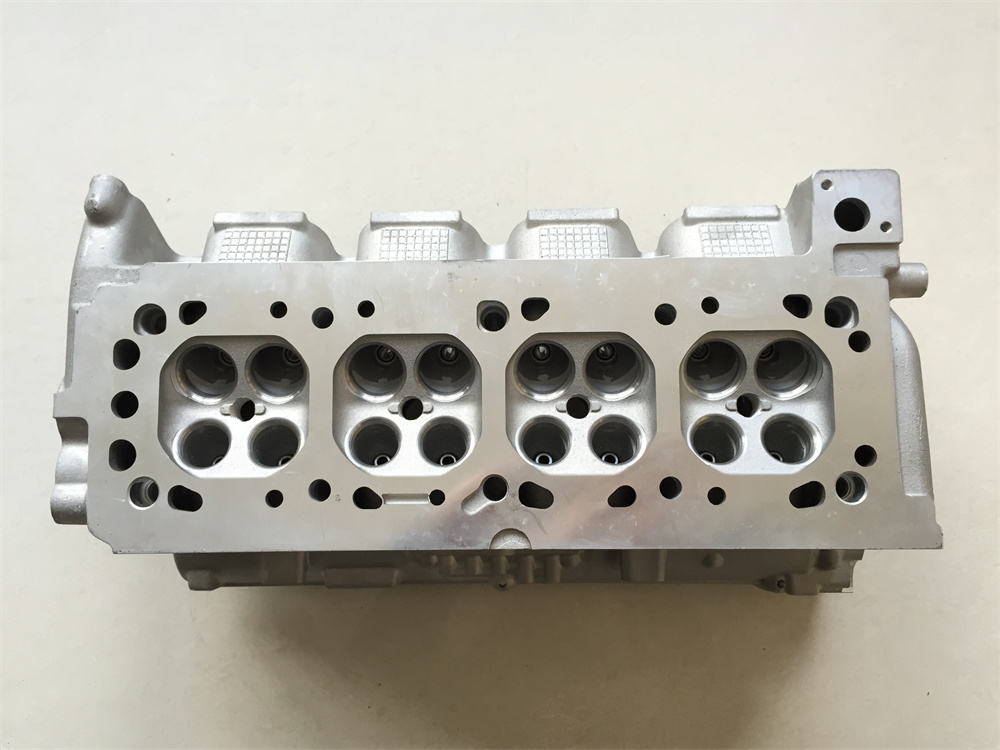
None of the four supplied photos is a close-up of the casting characters. Ask for three frames: one of the raised or stamped characters on the top face, one of the number on the box label, and one of the engine code on the block. Without those photos, "match the casting" is a check you cannot complete.
| View | What the supplied photo shows | What it does not prove |
|---|---|---|
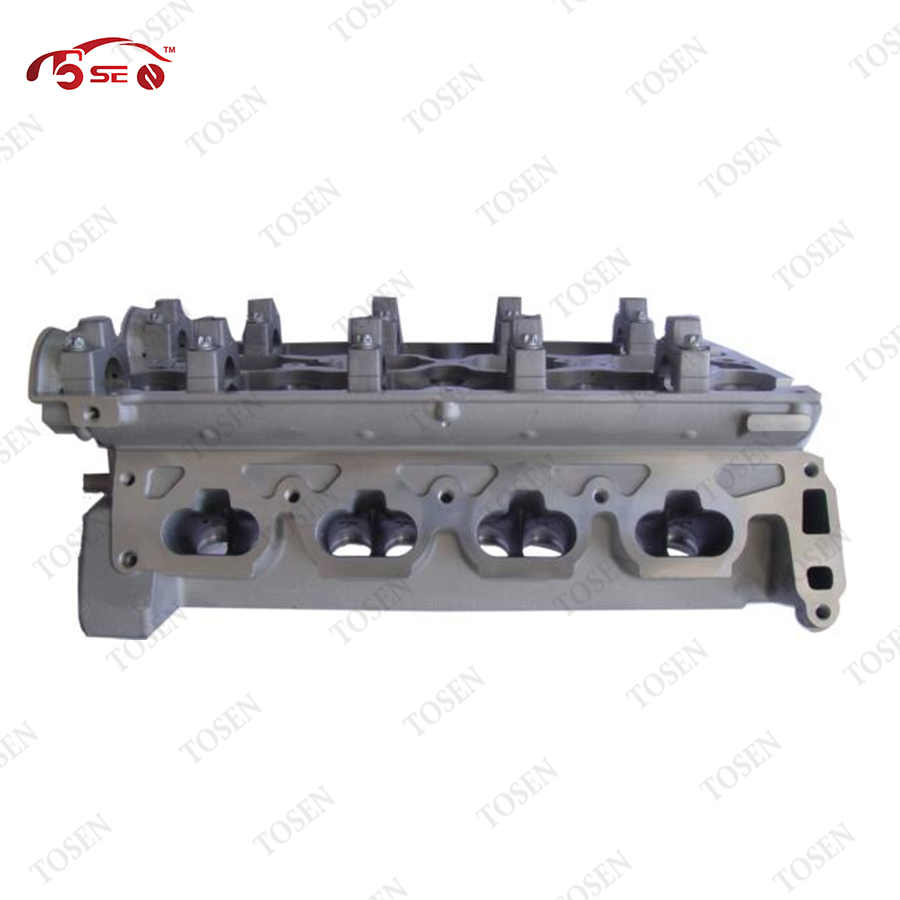
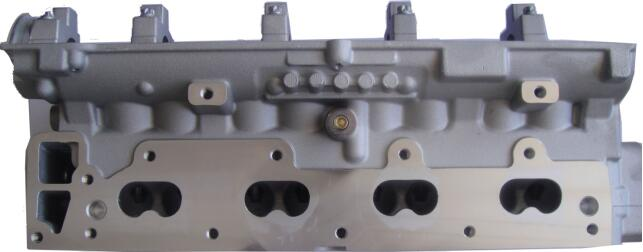
| Manifold side | Four ports on the manifold side, a bare casting, no valves or camshafts fitted | That the ports match a 1.6 L or a 1.8 L intake |
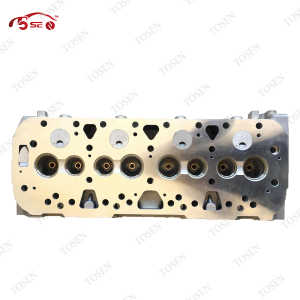
| Combustion face | Four chambers, four valve seats in each chamber, 16 seats in total | Chamber volume or valve sizes |
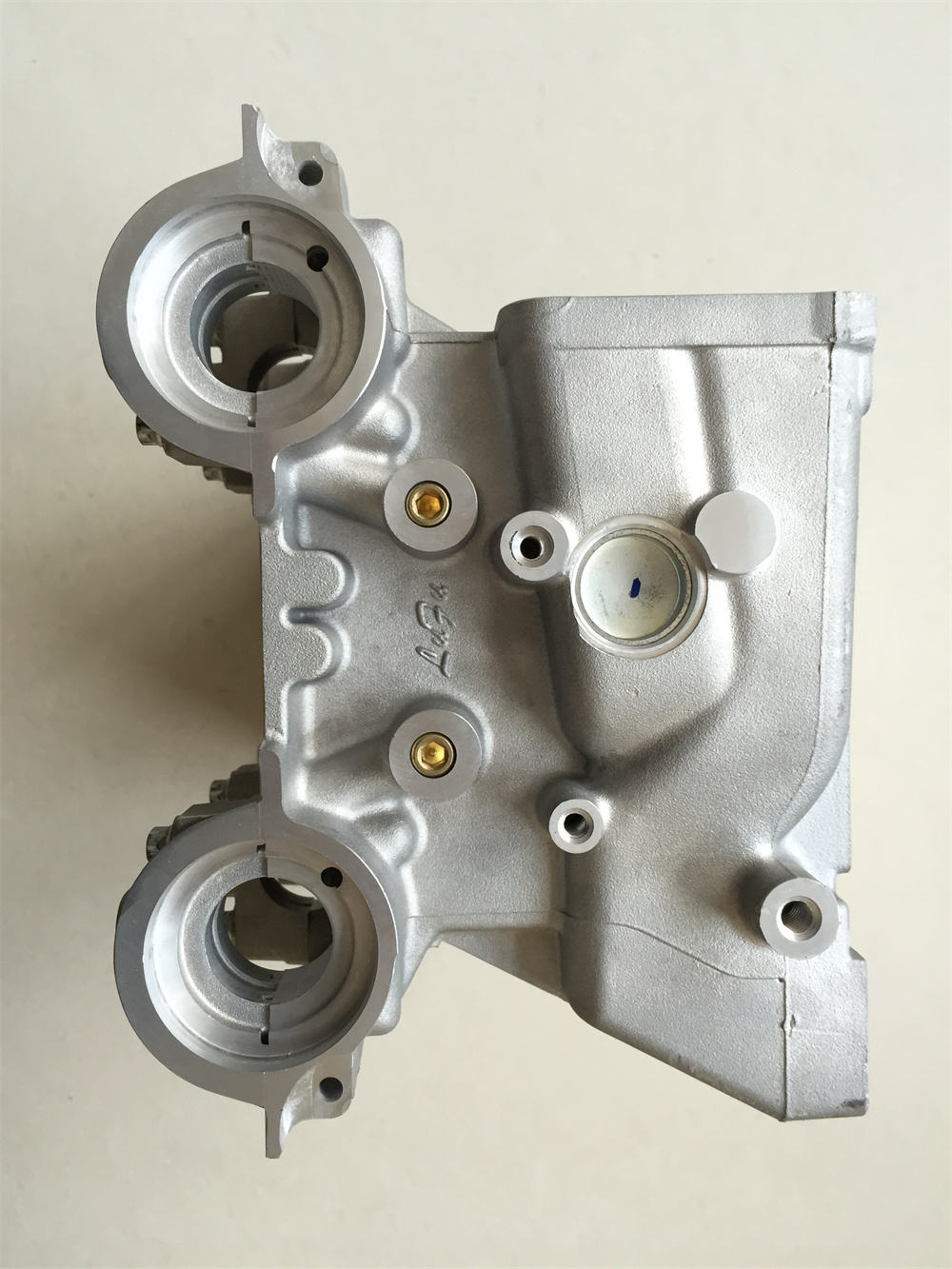
| End face | Two camshaft bore openings and a core plug | Cam-bore wear or alignment |
| Manifold face | Paired ports and a flat mounting face | The port shape inside the casting |
If the marks are new to you, our guide explains how to find and read the number on a head, including the places sellers forget to photograph.
- Full top view in daylight
- Combustion face, straight on
- Both end faces
- Close-up of every raised or stamped character
- Box label with the number
- The engine code on the block
- A photo of the old head beside the replacement, once both are on hand
Ask the supplier to photograph the unit they will ship, not a stock image. A photo of a different casting tells you what the seller can photograph, not what is in the box.
Bare or Complete: What the Box Should Contain
The photos show the scope of the unit photographed before the seller answers in words. The head shown in our listing photos is bare: four chambers, 16 seats, two camshaft bore openings, no valves, springs or camshafts fitted. If a quote says "complete", the word is doing work the photos do not support.
The product page calls the part a "Cylinder head assembly"; that label does not confirm that valves or camshafts are included. The photos show a bare casting, so confirm the scope in writing.
A bare head and an assembled head are supply scopes, not quality grades. The useful question is not which word the seller uses but which parts are installed, which are supplied loose, which are excluded, and which do not apply to this engine.
| Item | Bare head | Assembled head | Confirm in writing |
|---|---|---|---|
| Casting with guides and seats | Usually yes | Yes | Whether the seats are finished |
| Valves | No | Yes, if stated | New or reused |
| Springs, retainers, keepers | No | Yes, if stated | Brand and specification |
| Valve stem seals | No | Usually | Included or excluded |
| Camshafts | No | Often, not always | Whether they are matched to the head |
| Lifters (hydraulic) | No | Often, not always | Type and quantity |
| Cam caps | Usually yes, matched | Yes, matched | Matched set, not mixed |
| Head gasket | No | Usually no; confirm if a kit | Separate part number |
| Head bolts | No | No | Manual specification |
| Thermostat and housing | No | No | Separate part |
The cam caps deserve their own line. They are normally line-bored with the head, so a set from another casting may not align. If the offer includes camshafts, ask whether the caps are the ones that came with that head.
Compare total cost, not the head price. A bare head plus valves, springs, seals, a gasket, bolts and the labour to assemble it can cost more than an assembled head. A remanufactured or repaired unit carries its own repair history or core charge. Use the same list for both quotes.
The labour difference is easier to see side by side. The bare vs complete head at a glance page lays out what each route leaves for the workshop before you commit to a scope. A shop that can fit valves, check seat sealing and check the valvetrain can use a bare casting; an importer who wants fewer sourcing steps can use an assembled head. Neither route removes the gasket and bolt decision.
What a Pressure Test Proves — and What It Misses
A pressure test is a leak test, not a condition report. In a water-jacket test, a plate with cavities that match the head's coolant passages is clamped to the deck with a gasket, and fluid is admitted under pressure. A patent record from the U.S. Department of Energy database describes that arrangement: a test plate, a gasket at the mating face, and a port for admitting fluid under pressure.
A second method uses air instead of fluid. The cavities are charged, the gauge is watched, and a soap solution shows where a leak escapes. Both methods answer the same narrow question: do the sealed coolant cavities hold?
That question matters. A cracked water jacket can put coolant into the oil or the combustion chamber, and a pressure test can find it. But the test does not measure the flatness of the deck, the sealing of a valve, the wear in a cam bore or a crack that never reaches a sealed cavity.
A usable record says more than "passed". Ask for the method, the pressure or holding condition, how long it held, the result, the date, and the unit or batch it belongs to. If flatness was measured, ask for the value and the limit it was checked against. If the seats were checked, ask for the result. A statement that the head was tested and a record of what was tested are different things.
- Test method (water jacket, air, or both)
- Pressure or holding condition
- Hold time
- Result, including any leak location
- Flatness value and the limit used
- Valve-seat result
- Cam-bore and lobe result
- Crack-inspection method and result
- Date and unit or batch reference
The TOSEN AUTO listing describes the head as new and covered by a 12-month warranty, and its badges claim OEM quality, ISO 9001 certification and 100,000 km tested. Those are seller statements. The page does not publish an inspection record, so ask for one before you treat any "tested" claim as evidence, and ask what the warranty excludes. A supplier that sends the record and the terms in writing is giving you something a badge cannot.
Flatness, Seats and Cam Bores: The Measurements That Decide Acceptance
The checks a pressure test misses are the ones that decide whether the head seals and runs. They are also the checks a buyer is least likely to see in a quote, because each one needs a tool and a number.
Deck flatness is measured with a straight edge and a feeler gauge, or on a surface plate. The gauge is worked along the deck in several directions, and the largest gap is compared with the workshop manual's limit. The limit is engine-specific. A number copied from another engine, or from a listing, is not a specification for this head.
Valve seats are checked by contact pattern, vacuum or pressure. A head can pass a water-jacket test and still have a seat that leaks compression, because the two tests seal different things. Valve guides are measured for clearance, and the cam bores are checked for scoring and measured for alignment. A DOHC head has two camshafts, and each runs in a line of bearing bores; every bore in both lines matters, and alignment needs a measurement, not a look.
Crack inspection is a separate method again. Dye penetrant on the chamber, seat and port areas finds surface-breaking cracks that a visual check can miss. It does not find a void inside the casting. If a seller says "crack tested", ask which method and which areas.
| Check | How it is made | Evidence to ask for | Limit source |
|---|---|---|---|
| Deck flatness | Straight edge and feeler gauge, or surface plate, across several axes | Measurement and the limit used | Workshop manual for the engine code |
| Valve-seat contact | Contact pattern, vacuum or pressure | Seat result and method | Workshop manual or seat manufacturer |
| Valve-guide clearance | Bore gauge and valve-stem micrometer | Clearance values | Workshop manual |
| Cam bore | Visual and measured for scoring and alignment | Bore condition and any measurement | Workshop manual |
| Cam lobe | Measured lift and visual wear | Lobe measurements | Workshop manual |
| Crack inspection | Dye penetrant on chamber, seat and port areas | Method, areas tested and result | Inspection standard or workshop practice |
The photos show the casting, not the measurements. The current condition and warranty terms sit on the 96395381 Cylinder Head for Chevrolet and Daewoo product page; use that page to confirm them before you put the measurement questions to the supplier in writing.
Gasket, Bolts, Timing and Cooling: Match the Head to the Block
A cylinder head is only part of the joint. The gasket, the bolts, the timing and the cooling system decide whether the new head survives its first month.
Three failures send these heads to a shop. A timing belt that breaks or jumps can leave valves bent, so check the valves and guides before fitting a replacement head. Overheating can warp the deck, so measure flatness before you accept a core or fit a new head. A repaired head can look new after welding and machining, so ask for a written "no repairs" statement and look for weld or grind marks around the chambers and ports.
- Confirm the gasket for the engine code and the head's deck. A gasket listed for a different displacement or gasket type is not a match.
- Check the manual's head-bolt specification. If it calls for torque-to-yield bolts, they are one-time use. If it allows reuse, measure them against the manual's limit.
- Set the crank and cam timing marks to the engine's procedure before the timing belt goes on, and confirm the camshafts are the ones for this head.
- Check the parts that caused the first failure: thermostat, water pump, radiator, fan, hoses and the timing belt.
- Clean both decks, check the block deck for flatness, torque the head in the manual's sequence, then fill and bleed the specified coolant and check for leaks.
- New head gasket, correct type and thickness
- Head bolts to the manual's specification
- Timing belt and tensioner condition
- Thermostat and housing
- Water pump
- Radiator, fan and hoses
- Block deck flatness
- Correct coolant and bleed procedure
The supplier's scope usually stops at the head. The gasket, bolts and cooling parts are the buyer's or the workshop's scope, and they belong in the same budget. If the quote includes a gasket, confirm the part number; a generic gasket in the box is not the same as the correct one. If the stamped number turns out to be a different one, start from the replacement cylinder heads category rather than from a vehicle name.
Before You Pay: The 96395381 Checklist
The cheapest moment to reject a wrong head is before payment. The sequence below turns the earlier checks into a single pass or fail.
- Photograph the old head before cleaning: the casting marks, the deck, the ports and both end faces.
- Read the engine code on the block. Do not rely on the VIN if the engine may have been swapped.
- Confirm the displacement. If the engine is a 1.6 L, stop and confirm the reference before you order this head.
- Ask for photos of the actual unit, not a stock image, and compare the casting marks with your old head.
- Ask for an itemised scope: what is fitted, what comes loose in the box, what is left out, and what does not apply.
- Ask for the inspection record, with the method, pressure or holding condition, hold time, result, date and unit reference.
- Confirm the warranty terms, who pays return freight, and how the head will be packed.
- Put the agreed reference, scope and record in the quotation, not in a chat message.
Commercial Terms to Put in the Quote
- MOQ and price basis, per unit and FOB or CIF
- Lead time and how long the quote holds
- Payment terms and currency
- Warranty length, what it excludes and how a claim is made
- Packed weight and carton dimensions
- Manufacturer and material, and whether the casting is new or repaired
- The inspection record and photos of the actual unit
Stop signs: a repaired or welded head offered as new, which you can challenge with weld or grind marks around the chambers, a chamber-volume check, dye penetrant, or a written "no repairs" statement; a box number that disagrees with the casting; a supplier who will not ask for your engine code and a casting photo; no inspection record; and a price far below two or three comparable quotes for the stated scope. Any one of those is cheaper to walk away from than a return freight bill.
On Arrival and at Fitting
A cylinder head can survive a long sea freight and still be damaged by a rough final mile. The deck edge is the vulnerable part, and a burr or a dent there can stop the gasket sealing.
- Photograph the box before opening it
- Check the foam and the corners for crush damage
- Inspect the deck edge and the port faces for dents and burrs
- Listen for loose hardware
- Match the number on the box to the casting
- Match the included parts to the itemised list
- Store the head flat, not resting on the combustion face
- Keep the deck covered until fitting
At fitting, clean the deck, check the block deck, prime the oil system, use the specified coolant and bleed the cooling system. Torque values, the tightening sequence and cam timing come from the workshop manual for the engine, not from a supplier page or from this article. This engine uses hydraulic lifters, so there is no routine valve-clearance adjustment to make.
Frequently Asked Questions
Is 96395381 a 1.6 L or a 1.8 L head?
The catalogue row checked lists 96395381 as 1.8 L, four cylinders and 16 valves, and a university study gives the F18D3 as a 1796 cc DOHC engine in a 2013 Optra 1.8. The 1.6 L text appears in the page URL and some listings but conflicts with that data. Check the engine code on the block and confirm the displacement before ordering.
Will 96395381 fit a Chevrolet Optra 1.6?
Do not assume it will. A 16-valve count is not a displacement match, and the 1.6 L and 1.8 L versions can differ in bore and combustion-chamber volume. The catalogue row checked for this article lists 96395381 as a 1.8 L application. If your Optra is a 1.6 L, ask the supplier to confirm the reference against your engine code and casting in writing.
What should a complete 96395381 head include?
It depends on the offer, so ask for a list that marks each item as fitted, loose in the box, left out, or not used on this engine. For a 16-valve DOHC head, the list should cover valves, springs, retainers, stem seals, camshafts, lifters, cam caps, gasket and bolts. A bare head should include the casting with guides, seats and matched cam caps, and little else. The quotation defines the scope, not the word complete.
Does a pressure test prove the head is good?
No. A water-jacket pressure test proves the sealed coolant cavities hold under the test condition. It does not measure deck flatness, valve seating or cam-bore wear, and it can miss a crack that does not reach a sealed cavity. Ask for the flatness, seat and cam-bore evidence as well, and for the method, pressure and hold time behind the pressure result.
Confirm the Head Before You Pay
The risk in a 96395381 order sits in three places: a reference that was never reconciled with the engine, a supply scope that was never written down, and an inspection claim with no record behind it. Each is cheaper to settle before payment than after fitting.
Send the engine code, a casting photo and the scope you need, bare or assembled, with your quote request. TOSEN AUTO lists the 96395381 cylinder head for Chevrolet and Daewoo with its current condition, warranty terms and four photos; the cylinder-head category covers other references. If the reference, displacement or scope does not line up, ask before you pay, not after the head is on the block.