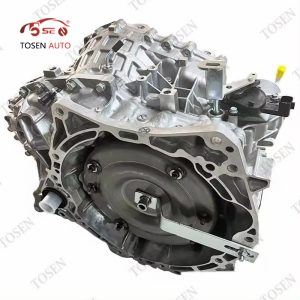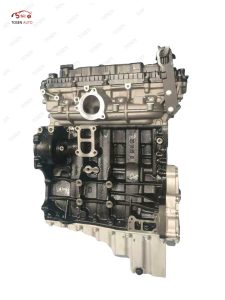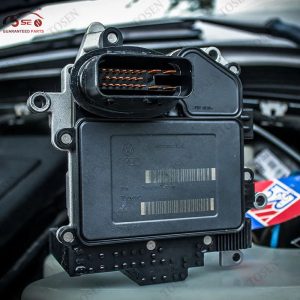
A supplier can send a polished PASS certificate while leaving you unable to identify the engine, repeat the method, or explain one cylinder's result. That is a document risk before it becomes a workshop problem.
A useful engine leak-down test certificate records a controlled event for one tagged unit. It shows how each cylinder was tested, what escaped, which limit applied, who approved the result, and whether any retest changed the decision.
Use this checklist to separate evidence from decoration. You will audit the record, route weak results, preserve traceability to the crate, and identify the fitment, lubrication, packing, and warranty checks that still remain.
Start With What the Certificate Can Prove
| Item | Description |
|---|---|
| Supports | A controlled comparison of cylinder sealing when the engine, method, tester, conditions, and individual readings are recorded. |
| Can help locate | An intake-valve, exhaust-valve, ring/cylinder, cooling-system, or adjacent-cylinder path when the observation is documented. |
| Does not prove | VIN or OE fitment, supplied component scope, oil circulation, external leak freedom, service life, packing quality, or warranty coverage. |
| Issuer boundary | A supplier-issued test record is not automatically an accredited laboratory certificate or independent product certification. |
Leak-down testing feeds regulated air into a stationary cylinder positioned at top dead center on its compression stroke. The result describes sealing under that setup. It should support a release, retest, or diagnosis decision—not a blanket claim that the complete engine is ready for every vehicle and destination.
Buyer rule
Treat PASS as the conclusion of a traceable record. If identity, method, each cylinder, and the applicable limit are missing, the conclusion has no auditable foundation.
Audit the Certificate Field by Field
| Record field | Acceptable evidence | Hold trigger |
|---|---|---|
| Engine identity | Engine code plus serial, production, or supplier unit tag; purchase-order line | Only a model family, filename, or handwritten nickname |
| Assembly state | Long block, complete assembly, installed engine, or test fixture; components fitted | The tested configuration cannot be reconciled with what will ship |
| Method reference | Tool manual, service procedure, or controlled work instruction with revision | No procedure or an unrelated percentage chart |
| Equipment | Tester make/model and asset or serial ID; regulator/source identification | Generic “leak tester” with no equipment trace |
| Conditions | Date, temperature state, inlet setting, units, adapter, TDC confirmation, cylinder order | Cold/hot state, pressure, or TDC method omitted |
| Results | Every cylinder, indicated leakage, leak path, initial/repeat result, and applicable limit | Average only, missing cylinder, overwritten value, or PASS only |
| Control status | Calibration due date or documented functional/zero check appropriate to the process | Expired, absent, or unverifiable equipment check |
| Approval and revision | Technician/station, reviewer, timestamp, disposition, revision history | Unsigned file, unexplained edit, or corrected copy replacing the original |
ISO guidance for testing controls emphasizes method validity, maintained equipment, traceability, item handling, and correct reporting. A factory does not need to call every worksheet an accredited result. It does need enough information for the buyer to know what was tested, how it was tested, and who accepted it.
Lock the Method Before Comparing Percentages
- Confirm the cylinder was at top dead center on the compression stroke, with both valves closed.
- Record how the crankshaft was held. Regulated air can rotate an engine that is not secured correctly.
- Name the tester make/model, fixed restriction or scale type, hose, and adapter used for the application.
- Record inlet pressure, units, regulator setting, air-source condition, and the stabilization rule before reading.
- State whether the engine was warm, cold, newly assembled, stored, or tested on a fixture; do not mix conditions silently.
- Record the zero, calibration, or functional check required by the tool and factory procedure.
- Use the correct service or work-instruction limit for that engine and test setup.
- Repeat an abnormal result after checking TDC, connection sealing, and equipment before changing the disposition.
OTC's 5609 instructions illustrate a tool-specific method: warm the engine, position TDC compression, use the correct adapter, set regulated pressure, and stay at or below that tester's 100 psi limit. Another production tester can use a different valid setup. Multiquip also notes that the indicated percentage is relative to tester design, so two certificates are not comparable merely because both print a percent sign.
Comparability rule
Compare each result with the named procedure and acceptance source. Compare suppliers first on record completeness; compare raw percentages only when the test systems and conditions are demonstrably equivalent.
Read the Cylinder Pattern and Leak Path
Start with the acceptance rule named for the exact engine, tester, and condition. Published guides often describe broad bands, but those bands do not override the service information or controlled factory work instruction. Then read the individual cylinders as a pattern: level, spread, repeatability, and observed escape path.
| Record pattern | What it may mean | Buyer action |
|---|---|---|
| All cylinders meet the applicable limit and remain consistent on repeat | Sealing is consistent under the recorded setup | Continue to identity, fitment, lubrication, external-leak, packing, and warranty gates |
| One cylinder is higher than the others | Local valve, ring/cylinder, head-sealing, connection, or TDC issue | Retest under verified conditions and require the leak path and disposition |
| Two adjacent cylinders show abnormal leakage or cross-flow | A shared head-gasket path or setup issue is plausible | Hold shipment until diagnosis and corrected evidence are approved |
| All cylinders are broadly high | Wrong limit, unsuitable cold/stored condition, tester/setup error, or widespread sealing issue | Verify method and equipment first; do not average the problem away |
| Air is heard at intake or exhaust | The corresponding valve path may not be sealing | Record the location and require diagnosis, not only a new percentage |
| Air reaches crankcase, coolant, or an adjacent cylinder | Ring/cylinder, head-gasket, crack, or cross-cylinder path may be involved | Hold and escalate under the applicable service procedure |
| Repeat improves only after setup changes | Initial method or connection was not controlled | Keep both results and document exactly what changed |
| Only an average or PASS is shown | A local defect and spread cannot be reviewed | Request the original per-cylinder worksheet before release |
The Onan service manual makes the control point explicit: do not make a rebuild decision from high leakage unless tester accuracy is known. Leak-path observations add diagnostic value, but they remain observations until the responsible technician applies the correct service procedure. Preserve the first result, the retest, and the reason for any changed disposition.
Tie the Record to the Engine and Crate
- Photograph the engine code and serial or supplier unit tag beside the purchase-order reference before testing.
- Record the tester, controlled conditions, cylinder order, initial values, leak paths, retests, and final disposition in the original file.
- Capture a short photo or video sequence that shows the same tag, assembled test condition, gauge connection, and worksheet date.
- Keep edits as numbered revisions. Preserve the original, name the change, identify the reviewer, and never replace an abnormal result silently.
- Carry the approved record number to the packing list and crate label; photograph preservation, protected ports, supports, and the closed crate.
- At receipt, reconcile the unit tag, crate condition, record number, and damage notes before installation or warranty-sensitive work.
Audit trail
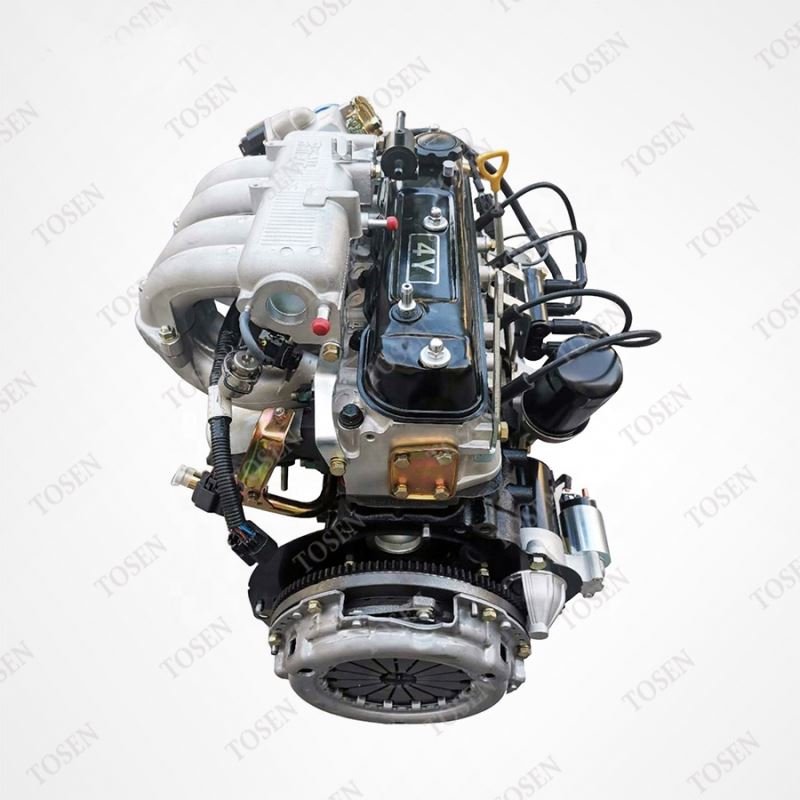
A PDF screenshot proves little by itself. The strong packet connects original files, timestamps, engine identity, test setup, approval, crate, and receiving evidence without a broken handoff.
If accredited-laboratory status is claimed, verify the laboratory, accreditation, and relevant scope separately. Do not infer it from a seal or the word certificate.
Add the Checks Leak-Down Cannot Replace
| Gate | Evidence to request | Risk controlled |
|---|---|---|
| Identity and fitment | VIN/OE cross-check, engine code, unit tag, interface and sensor photos, destination notes | Wrong variant or incompatible mounts, controls, sump, intake, exhaust, or accessories |
| Assembly scope | Signed bill of materials and comparison of tested versus shipped configuration | Missing components or evidence from a configuration that will not ship |
| Cylinder sealing | Traceable leak-down certificate plus compression evidence when specified | Unresolved valve, ring/cylinder, or head-sealing condition |
| Lubrication | Oil-pressure or oil-circulation record appropriate to the assembly and fixture | A sealing pass with an unproven oil-system condition |
| External integrity | Coolant/oil pressure or leak checks where applicable; clean and protected openings | External leakage, contamination, or open ports |
| Preservation and packing | Corrosion protection, capped ports, supports, moisture barrier, labels, and crate photos | Storage or sea-freight damage after testing |
| Commercial handoff | Written warranty start, installer duties, receiving window, freight-claim steps, and exclusions | A valid test that cannot be used in the applicable claim process |
Use an engine assembly verification guide to define the fitment and scope evidence before you treat the sealing record as shipment-ready.
Compare available engine assemblies and long blocks only after the test packet is complete. These commercial pages do not turn a leak-down sheet into a fitment guarantee.
Use a Release, Retest, or Hold Checklist
- RELEASE only when the certificate identifies the exact engine and purchase-order unit.
- RELEASE only when method, tester, equipment status, pressure, temperature state, TDC control, units, and acceptance source are recorded.
- RELEASE only when every cylinder and leak path is shown, repeats are preserved, and the authorized disposition matches the data.
- RETEST when TDC, adapter sealing, regulator setting, temperature condition, or equipment check is doubtful but correctable.
- HOLD when a cylinder remains outside the applicable limit, the leak path is unresolved, or a retest changes without explanation.
- HOLD when original files, revision history, unit photos, approver, or crate traceability cannot be produced.
- HOLD until VIN/OE fitment, supplied scope, lubrication, external integrity, preservation, packing, and warranty terms pass their own gates.
- Record the decision owner, open actions, due date, and evidence required to move from hold or retest to release.
The output is a controlled evidence request, not a demand for one magic percentage. Use the complete engine assembly supplier audit to add the exact identity, scope, method, limit, and file requirements before the crate closes.
Prepare a quote-ready engine evidence request. Provide the VIN or OE number, engine code, required assembly scope, and this on-page certificate checklist when asking TOSEN AUTO to confirm a matching engine and evidence package. On-page checklist and verified TOSEN engine category and buyer guides.
Frequently Asked Questions
Is a supplier leak-down certificate the same as an accredited laboratory report?
No. A supplier can issue a useful factory test record without laboratory accreditation. If ISO/IEC 17025 accreditation is claimed, verify the issuing laboratory, accreditation body, current certificate, and scope relevant to the reported work.
What leakage percentage should a buyer accept?
Use the limit for the exact engine, tester, and documented condition. Tool and service sources publish example bands, but Multiquip notes that indicated percentages are relative to tester design, so an unrelated universal cutoff is not a sound purchase specification.
Can a cold engine be leak-down tested before shipping?
A cold or fixture test can be useful if the supplier identifies that condition and applies a validated internal procedure or relevant service reference. Do not compare it directly with a warm-engine result unless the method supports that comparison.
Should the buyer receive photos or video with the certificate?
They strengthen traceability when they show the same unit tag, test setup, date, and worksheet. Keep original files and metadata where practical; a cropped gauge photo without unit identity is weak evidence.
Does a passing leak-down test replace a compression or oil-pressure test?
No. Leak-down isolates cylinder sealing under static pressure. Compression, oil pressure, external-leak checks, fitment, supplied scope, packing, and warranty each answer a different release question.
Make the Certificate Carry the Decision
A buyer-ready leak-down certificate names the engine, method, tester, conditions, every cylinder, leak path, retest, limit, reviewer, and revision. Those fields turn a PASS label into evidence that can be checked after shipment.
Keep the same unit identifier through fitment, assembly scope, lubrication checks, packing, receipt, and warranty handoff. Release only when each gate has its own evidence; otherwise state exactly what must be retested or resolved.
Confirm the engine and evidence together. Use the on-page checklist, then send TOSEN AUTO the VIN or OE number, engine code, required assembly scope, and requested test packet before approving shipment. Existing TOSEN engine category and buyer guidance.