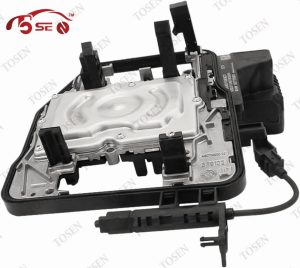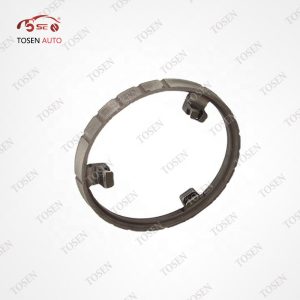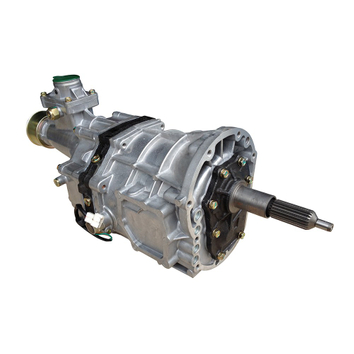
A Hilux badge and model year can produce several plausible engine listings. For a repair shop, fleet, or importer, the costly mistake is not finding too few options; it is allowing a nearly right unit to move into freight and installation.
Toyota Hilux engine compatibility should be treated as an evidence chain. The vehicle identifiers, old-engine markings, candidate engine, assembly scope, interfaces, test record, packing, and warranty responsibilities must describe the same job.
This guide turns that chain into a stop/go packet. Complete each check before comparing price, and pause the RFQ whenever two trusted identifiers or physical features disagree.
Freeze the Hilux Identity Before You Compare Engines
Start with identifiers that can be photographed and checked again. Toyota service information shows vehicle identifiers on the vehicle and the engine serial number on the cylinder block. Record the VIN or frame number exactly as it appears, then add the model plate, production month, market, current engine-code stamp, engine serial, old-unit label, and any OE references from the removed assembly.
- Photograph the VIN/frame number and model plate in one legible, uncropped image each.
- Photograph the engine-code and serial stamping on the old block; include a wider location photo.
- Record model, production month, market, transmission, drive type, and emissions/control details available on the vehicle.
- Add old-unit labels, casting marks, OE numbers, and connector/interface photos.
- Run the VIN/frame or catalog lookup and save the result with its source and date.
- Create a contradiction log. Mark each difference as resolved, accepted with evidence, or open.
Stop rule
Do not release a quote or deposit while a trusted lookup, physical stamp, old-unit label, OE reference, or interface photo conflicts. A supplier’s application list cannot close that gap by itself.
Match Interfaces, Not Just the Engine Family
| Interface | What to compare | Evidence to request | Release condition |
|---|---|---|---|
| Mounting and block | Mount bosses, brackets, casting features | Matched side photos and OE/casting references | Locations and patterns agree |
| Oil system | Sump shape, pickup, oil-cooler and filter arrangement | Lower-angle photos and BOM | No chassis or transfer conflict |
| Air and exhaust | Intake/exhaust sides, turbo or manifold layout | Both-side photos and included-parts list | Transfer plan is written |
| Fuel and controls | Pump/injector type, sensors, connectors, ECU-related hardware | Connector close-ups and application reference | Control strategy is confirmed |
| Cooling and accessories | Ports, brackets, pulleys, alternator/AC interfaces | Front/rear photos and scope sheet | Reused parts are identified |
| Driveline | Bellhousing pattern, flywheel/flexplate, clutch or converter interface | Rear-face photo and transmission details | Installer approves the match |
Engine codes such as 2KD-FTV, 1KD-FTV, 1GD-FTV, 2GD-FTV, or 4Y identify families, not a universal plug-and-play promise. Current supplier pages often group several vehicles under one family. That is useful for discovery, but the release decision comes from the exact application and interface evidence.
- Ask the supplier to mark every interface as same, transferred, adapted, not included, or not applicable.
- Require a photo or catalog/OE reference for every critical 'same' answer.
- Have the installer approve any transfer or adaptation before the engine ships.
- Keep unresolved control, emissions, or driveline differences in the contradiction log.
Define Short Block, Long Block, or Complete Assembly
| Scope | Common repair boundary | Buyer must confirm | Main project risk |
|---|---|---|---|
| Short block | Lower engine assembly | Head, timing parts, sump, covers, and all transferred systems | High transfer and machine-work dependency |
| Long block | Short block plus cylinder head/valvetrain in common usage | Timing covers, manifolds, fuel/ignition, turbo, sensors, sump, and accessories | Supplier definitions vary |
| Complete assembly | Broader configured engine package | Exact intake, exhaust, fuel, ignition, electrical, cooling, clutch/flexplate, and accessories | The word 'complete' can still hide exclusions |
Choose the scope from the failure analysis and the condition of parts you would transfer, not from the shortest installation promise. A damaged turbo, contaminated oil cooler, cracked manifold, incompatible wiring, or worn accessory can turn a lower engine price into repeat labor. The quote should list included, installed, loose, optional, transferred, and excluded items line by line.
Scope controls price comparison
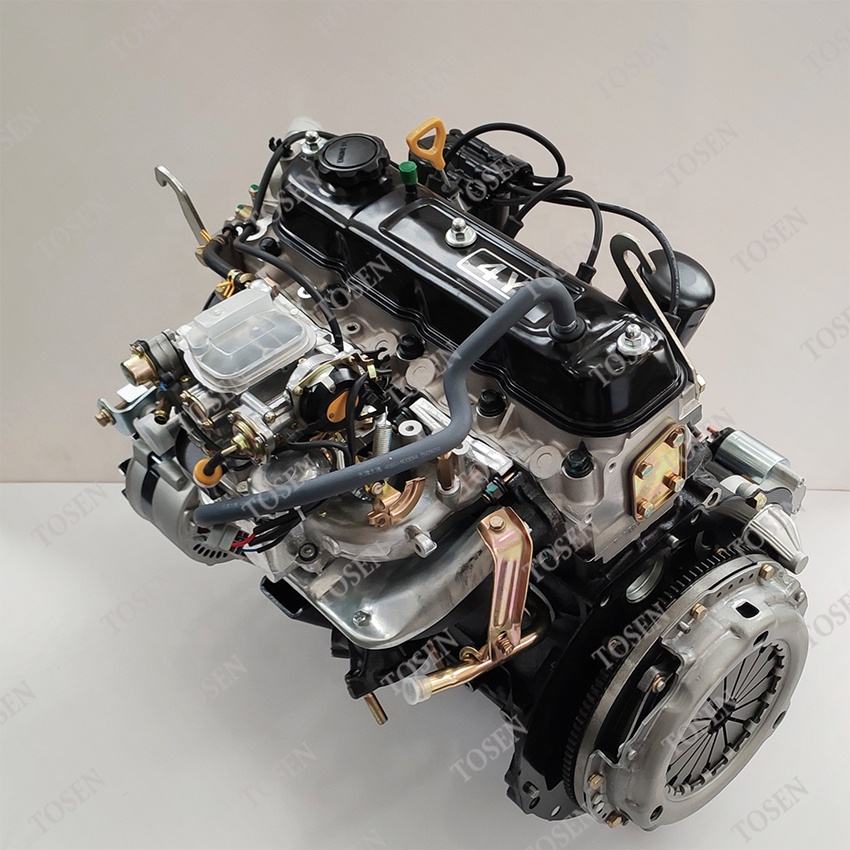
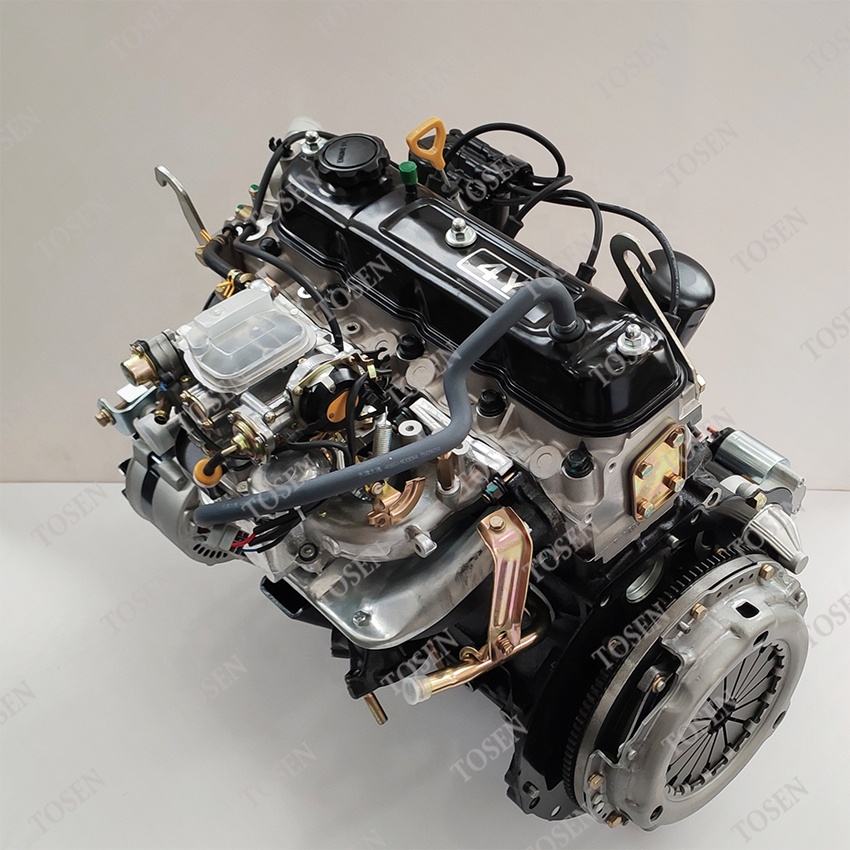
Compare two offers only after their BOMs use the same columns and responsibility terms. The authentic TOSEN 4Y complete-assembly example below shows one real product scope; it does not prove fitment for every Hilux.
Compare Condition by Evidence, Not Labels
| Condition | Evidence to request | Questions to settle | Do not accept alone |
|---|---|---|---|
| New aftermarket | Manufacturer/source trace, build date, unit photos, inspection and test record | Which parts are new and what standard controls the build? | New, OEM quality, 100% tested |
| Remanufactured or rebuilt | Core identity, inspection and machining record, replaced-parts list, measurements, final tests | Which wear items and known failure points were addressed? | Fully rebuilt, like new |
| Used OEM/donor | Donor identity, mileage source if claimed, condition photos, inspection/test results | What is known, unknown, and excluded from warranty? | Low mileage, good running |
Current 2KD supplier pages show why labels cannot carry the decision. One listing describes a remanufactured short engine with a parts-only warranty; others market new or tested long blocks. When reviewing engine assemblies and long blocks, treat those offers as examples of market variation. Your comparison should use the same evidence fields, currency basis, assembly scope, destination, freight term, and warranty responsibility.
- Tie provenance, process, measurements, photos, and tests to the quoted unit or production batch.
- Separate parts coverage from labor, towing, freight, duties, and consequential costs.
- Record the warranty start event: shipment, delivery, installation, or first start.
- Reject absolute durability or direct-fit claims that are not supported by the signed application record.
Require Unit-Linked Inspection and Test Evidence
| Item | Description |
|---|---|
| Unit identity | Serial, build/batch ID, and photos that match the quote and packing list |
| Method | What was inspected or tested and with which equipment |
| Condition | Cold/hot, cranking/running, speed, oil/coolant state, or bench setup as applicable |
| Result | Actual readings or observations, not only pass/fail |
| Reference | The verified service specification or approved internal criterion for this exact engine |
| Traceability | Date, operator/approver, media, and release status |
A supplier may advertise compression, oil-pressure, sealing, or general testing. That is a useful conversation starter, not the release record. Do not carry a value from a 2KD page into a 4Y, 1KD, 1GD, or 2GD decision. Ask which verified Toyota service reference applies to the exact candidate and under what test condition.
- Match the unit ID across the quote, test sheet, photographs, crate mark, packing list, and invoice.
- Request readings for the tests relevant to the chosen scope and condition; avoid a generic certificate.
- Record open deviations and the person authorized to accept them.
- Release the unit only after required evidence is complete and the compatibility packet is signed.
Control the Handoff from Crate to First Start
- Supplier release: photograph all sides, openings, accessories, labels, and the unit ID before crating.
- Packing: protect openings and surfaces, control moisture, secure lifting points, and record crate marks and gross dimensions.
- Receipt: inspect the crate before signing, note visible damage, and photograph each stage of opening.
- Installation: record transferred parts, supporting-system corrections, fluids, priming, and deviations from the approved scope.
- First start: capture the readings and observations required by the exact service data and warranty terms.
- Exception/claim: notify the named contact within the written window and preserve parts, media, readings, and chronology.
A related technical guide can help the buyer organize selection questions, but the warranty is only operational when each handoff has an owner. Write down who may release the crate, who records receipt damage, which installer steps are mandatory, what first-start evidence is required, and who pays for diagnosis, labor, freight, or replacement under each accepted outcome.
- Keep one unit ID on the engine, evidence folder, crate, shipping documents, and first-start sheet.
- Agree on Incoterm, insurance, destination charges, inspection window, and damage-notice method.
- Do not use generic torque or pressure instructions; follow the verified data for the exact engine and configuration.
- Get the remedy path and exclusions before shipment, not after a claim.
Send a Compatibility Packet, Then Compare Quotes
- Vehicle: VIN/frame number, model, production month/year, market, drive type, transmission, and destination rules to confirm locally.
- Old unit: engine-code and serial photos, labels, casting marks, OE references, interface photos, and failure summary.
- Candidate: exact code/suffix, serial or batch ID, application cross-reference, and signed contradiction log.
- Scope: included, installed, loose, optional, transferred, and excluded parts; condition and provenance/process evidence.
- Release: unit-linked inspection/tests, applicable references, deviations, photos, date, and approval.
- Commercial: quantity, currency, Incoterm, destination port, lead time, packing, insurance, payment milestones, and quote validity.
- Warranty: start event, duration, parts/labor/freight boundaries, installer requirements, claim notice, evidence, response time, and remedy.
Once the packet is complete, you can inspect a real 4Y Engine Assembly for Toyota Hiace Hilux. That page proves an available supply path; it does not replace the written match against your VIN/frame, old-unit evidence, OE reference, and interface matrix.
Release decision
Compare price only when identity, interfaces, assembly scope, condition, unit evidence, delivery basis, and warranty responsibilities use the same definitions across offers.
If a supplier cannot sign the critical fields, mark the offer incomplete rather than estimating the missing risk.
Request written fitment confirmation Send the VIN/frame number, old-engine label or OE number, model year, quantity, and destination port to TOSEN AUTO for a compatible-scope review and quote. Existing TOSEN engine product, category, and technical-guide pages
Frequently Asked Questions
Is the Toyota Hilux VIN enough to order a replacement engine?
Use the VIN or frame number as a production-configuration input, then confirm it against the model plate, current engine-code/serial stamp, old-unit labels, OE references, and physical interfaces. Stop if those sources conflict until the difference is resolved in writing.
Does the same engine code guarantee that a Hilux engine will fit?
No. The code identifies an engine family, but sump, mounts, manifolds, sensors, emissions hardware, controls, and flywheel or flexplate interfaces can still differ. Approve each interface and transfer item before shipment.
Should I buy a short block, long block, or complete engine?
Choose from the failure, reusable parts, installer capability, downtime, and total delivered project cost. The signed BOM should identify every included, installed, loose, optional, transferred, and excluded component because supplier definitions vary.
When should an engine warranty start?
There is no universal answer. Agree in writing whether coverage starts at shipment, delivery, installation, or first start, and define installation evidence, notice windows, exclusions, and responsibility for diagnosis, labor, freight, or replacement before dispatch.
Turn Compatibility into a Signed Decision
A compatible Hilux replacement engine is the unit whose identity, interfaces, assembly scope, condition, and evidence agree with the vehicle and the repair plan. A model name, year range, or engine-family code is only the start.
Keep the same unit ID and responsibility chain through testing, crating, receipt, installation, and first start. That record makes supplier quotes comparable and gives every party a clear stop point when evidence is missing.
Complete the packet before asking for price Submit the VIN/frame number, old-engine label or OE number, model year, quantity, and destination port to TOSEN AUTO for written fitment confirmation and a quote. Existing TOSEN engine product, category, and technical-guide pages