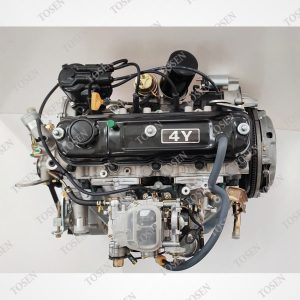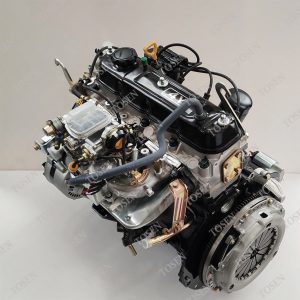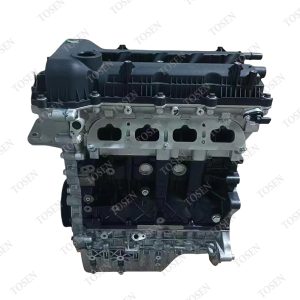
Long block storage before installation should keep the engine dry, supported and protected without changing the preservation method supplied with the unit. Start with the engine identifier, packaging condition, storage instructions and planned installation date.
Do not rotate the crankshaft, add oil, remove caps or open a sealed barrier unless the instructions for that long block require it. Keep the package away from water, dust, spray and impact, then give the installer the same unit details and storage instructions before work begins.
Inspect the Package Before Putting It Away
Before moving the long block into its storage bay, compare the labels with the order and inspect every side of the case, pallet or wrap. Photograph wet areas, crushed corners, shifted supports, torn barriers, open ports and missing pieces while the package is still in its received condition.
- Match the purchase order, packing list, engine code, supplier unit number and readable labels. Keep the VIN or OE reference with the same unit.
- Photograph the outer package, handling marks, seals and any sign of impact or moisture before opening.
- Check loose parts and documents listed for the shipment. Do not assume a missing item is hidden in another carton.
- If the barrier is torn, the base is unstable, labels conflict or moisture is visible, place the package in a dry secure area and contact the supplier or carrier before altering it.
- Note the arrival date and planned installation date so the written storage period and inspection interval can be compared.
Do not wipe away corrosion, replace damaged wrap or turn the engine before the supplier explains what to photograph and how the protection should be restored. Early cleaning can hide the cause of damage and may introduce the wrong material.
Decide Whether to Keep the Package Sealed
A sealed barrier may protect exposed metal from moisture and contamination. Open it only when identification, visible damage or the written storage instructions make opening necessary. Before cutting wrap or breaking a seal, decide who will inspect the unit and how the protection will be restored.
| Observed situation | Next step | Details to capture |
|---|---|---|
| Package is dry, intact and fully identified; installation is within the written storage period | Keep it sealed under the stated storage conditions | Seal photos, preservation date, storage limit and inspection interval |
| Package is damaged, wet or inconsistent with the paperwork | Move it to a dry secure area and request inspection instructions | Arrival photos, affected areas, carrier notice and supplier response |
| Identification requires opening but no damage is visible | Agree how it will be opened, photographed and protected again | Opening method, unit photos, resealing method and new preservation date if required |
| The written storage period will end before installation | Ask whether the unit needs fresh preservation or different storage | Applicable method, materials, responsible person and next inspection date |
Do not treat a wooden case, plastic sheet or foil bag as proof of a particular storage life. The usable period depends on the actual preservation method, the condition of the barrier and the environment around the package.
Ask this before opening
What protection is active now, how long does it apply under this warehouse condition, and what must be done after the barrier is opened?
Choose a Dry, Stable Storage Bay
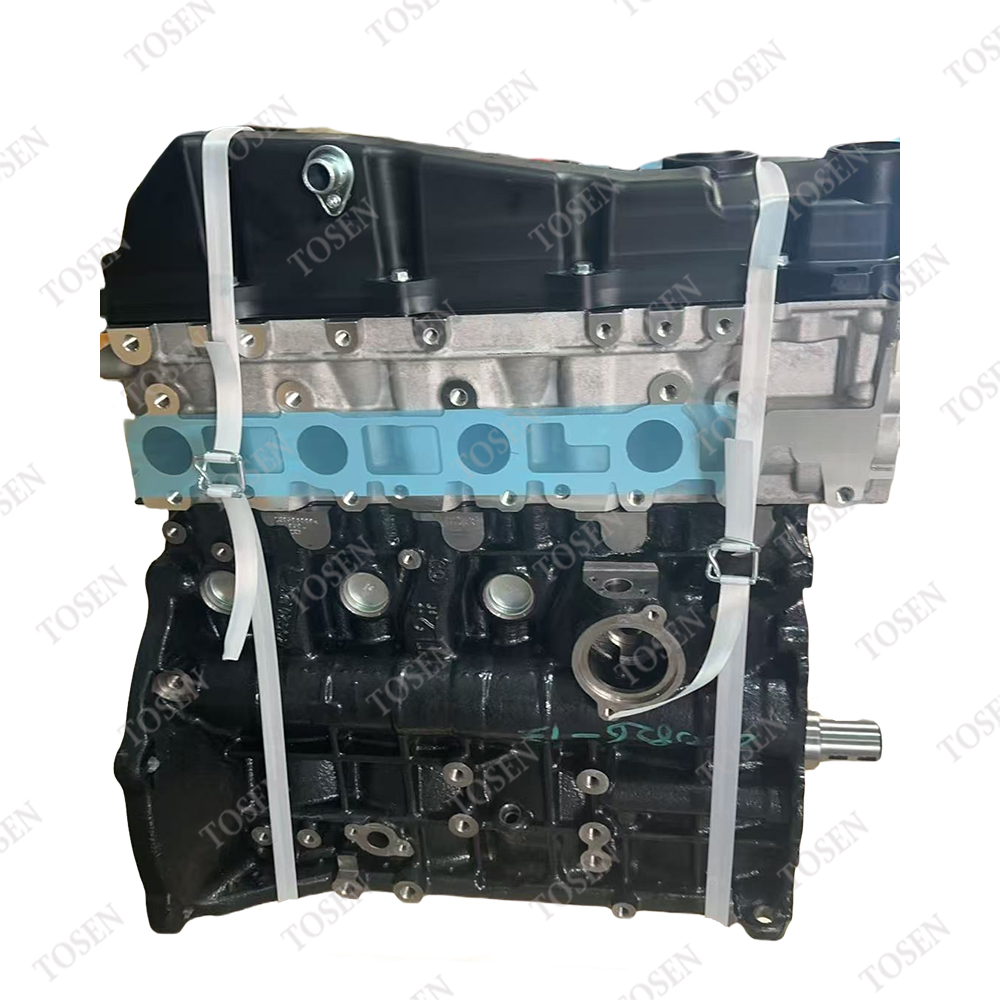
Choose the bay from the written storage conditions and the weight and footprint of the packaged long block. Prefer a dry indoor position with stable support, room for inspection and protection from roof leaks, floor wash, grinding dust, chemicals and vehicle impact.
| Area | Suitable condition | Move the unit when |
|---|---|---|
| Support | The supplied base is level, stable, undamaged and suitable for the packaged load | The unit rocks, sags, leans or rests on vulnerable engine parts |
| Moisture | The area stays dry and is separated from leaks, drains and wash spray | Packaging becomes damp, condensation appears or water can reach the base |
| Contamination | Ports stay covered and dust, grinding debris and chemicals are kept away | Cutting, washing or corrosive-material work shares the bay |
| Access | Staff can view the package without climbing on it or moving it | The barrier can be punctured, parts can be removed or inspection is blocked |
Leave clearance around the base so staff can see the floor, supports and lower edges of the package. Keep the engine off bare ground, do not stack loads on the case, and do not place it where routine traffic can strike or snag the wrap.
Keep the base visible
A clear perimeter makes water, leaning supports, torn wrap and pest activity easier to spot before they reach the engine.
Inspect the Stored Engine on Its Required Schedule
Use the inspection interval written for the unit and inspect again after a leak, impact, move, unauthorized opening or major change in the warehouse environment. If no interval was supplied, ask for one instead of inventing a monthly schedule.
- Match the engine label to the stored unit and compare the current date with the preservation date and planned installation date.
- Inspect the case or pallet, barrier, seals, caps, supports and loose-part containers without disturbing protected openings.
- Look for new moisture, staining, corrosion, pest activity, dust entry, impact, movement or missing labels. Photograph the same sides each time.
- Note the date, visible warehouse conditions, changes found and the next inspection date beside the unit information.
- When anything changes, ask the supplier whether to keep the package sealed, inspect the engine, replace packaging or renew preservation.
Inspect again after a change
A moved pallet, torn cover, roof leak, wet floor or broken seal is a reason to inspect early even when the next scheduled date is weeks away.
Protect Openings and Follow the Unit Instructions
Keep plugs, covers, coatings, bags and shipping fluids as supplied unless the instructions for the actual long block call for a change. Storage staff should not improvise with general-purpose spray, grease, oil or plastic wrap.
- Keep the preservation instructions and engine identifier beside the packaged unit.
- Use a clear tag to prevent installation or starting while damage, moisture or identity questions are unresolved.
- Replace a missing or damaged cap only with the part and method specified for the opening.
- Do not rotate the crankshaft because of a calendar reminder. First determine whether rotation is required, prohibited or needs preparation.
- Keep removed caps, bags and shipping materials available until the installer understands what must be refitted or discarded.
- Use trained lifting and support methods for the actual packaged weight. This article does not provide a rigging arrangement or load rating.
A generic rotation routine cannot account for the preservation treatment inside a particular engine. If the instructions are silent about rotation, internal lubrication or fluid changes, leave the protected parts undisturbed and ask for a procedure that names the engine and storage method.
Where to look first
Instructions supplied for the identified long block
The applicable engine service information
Written technical guidance that names the unit and preservation method
Prepare the Long Block Before Installation
Before the long block leaves storage, match it to the vehicle information and give the installer the storage instructions that came with it. A clean exterior does not establish fitment, supplied scope or readiness for first start.
- Match the application — Compare VIN or OE reference, engine code, supplier unit number and the old engine.
- Inspect the package — Check the base, barrier, ports, caps and stored condition before removing protection.
- Identify what must be removed — List coatings, plugs, bags, shipping fluids and desiccants covered by the unit instructions.
- Plan the installation — Identify transferred components, required seals, fluids, filters, priming steps and fitment checks.
- Capture the first start — Note initial readings, leaks, warning lamps and corrective work against the identified engine.
- Compare the long-block supply boundary line by line. Manifolds, turbo, fuel equipment, sensors, covers, sump and accessories must not be assumed from the label.
- Resolve corrosion, wetting, impact or missing-cap concerns before installation hides the affected area.
- Give the installer the preservation-removal and first-start instructions for this engine.
- Do not use a product photograph or category page as fitment proof. Compare the written identifiers with the vehicle and old unit.
Use How to Choose the Right Engine Assembly for Your Toyota Hiace or Hilux to prepare the identity and supplied-scope questions before the unit reaches the workshop. The signed quotation and current technical information must still describe the engine being installed.
Give the Installer the Information That Matters
| Item | Description |
|---|---|
| Unit identity | Purchase order, VIN or OE reference, engine code, supplier unit number and label photos. |
| Stored condition | Arrival date, preservation date, storage limit, package changes and inspection dates. |
| Workshop inputs | Included parts, transferred components, protection to remove and applicable first-start instructions. |
- Keep engine identity and supplied-part details together so the installer does not rely on appearance.
- Include photographs of any package damage, wetting, corrosion or replaced cap before the affected area is covered.
- State when the unit arrived, where it was stored and whether the barrier was opened or preservation renewed.
- List the caps, coatings, bags, fluids and loose parts the installer must identify before assembly.
- Provide the contact route for fitment, preservation, first-start and warranty questions.
Review the 2KD Engine Long Block for TOYOTA Hiace A 3.0 Diesel Motor Engine only when that engine family and supplied scope match the vehicle information. Use the page to start an enquiry, then compare the quoted identifiers and included components.
Compare wider engine assemblies after the engine code, long-block scope, storage conditions and installer needs are clear. This keeps the product search tied to the actual vehicle and workshop task.
Request storage and fitment details in writing Send TOSEN AUTO the VIN or OE reference, engine code, required long-block scope, planned storage period, warehouse conditions and installation date. Ask which preservation and first-start instructions apply to the quoted unit. Use TOSEN product, category and enquiry pages.
Frequently Asked Questions
Should a stored long block be turned by hand every month?
Do not apply a universal rotation schedule. Follow the instructions for the actual engine and preservation method. If rotation is required, determine what preparation and tooling are needed before moving the crankshaft.
Can the long block stay in its shipping crate until installation?
It can remain packed when the crate, barrier and preservation method are suitable for the planned conditions and period. Inspect the outside as required and respond to wetting, damage, opening or an expired preservation date.
Should the engine be wrapped tightly in ordinary plastic?
Use the barrier and moisture-control method specified for the unit. Extra plastic can change ventilation or trap moisture. Ask how the package should be inspected, opened and sealed again.
What if no preservation date was supplied?
Ask for the preservation method, completion date, valid storage conditions, inspection interval and removal instructions. The shipping date alone does not show when internal protection was applied.
Can a clean-looking engine go straight to installation?
No. Compare the identifiers, included parts, capped openings, package condition and storage instructions first. Then give the installer the correct preparation and first-start information for that engine.
Recheck the Unit Before Installation
Keep the long block stored only while its identity, protection, environment and inspection dates remain clear. If the barrier is damaged, the written period ends or instructions conflict, leave the engine undisturbed and ask for unit-specific direction before opening, rotating or treating it.
Confirm the quoted unit before storage or installation Send TOSEN AUTO the vehicle identifiers, required long-block scope, expected storage period, warehouse conditions and installation date. Ask for the preservation, inspection and first-start instructions that apply to the quoted engine. Use the existing TOSEN enquiry route.