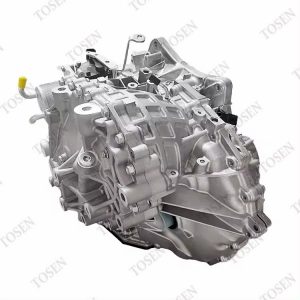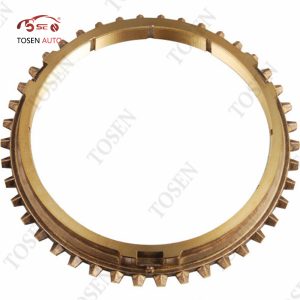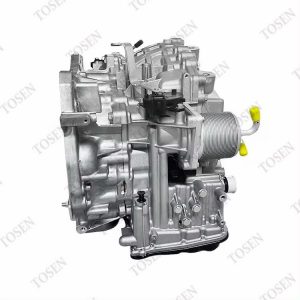
A truck synchronizer kit wholesale supplier sells complete synchronizer kits — kit-level references such as the Eaton Fuller K-3492, which groups the parts for one serviced gear position under a single number — in batch quantities to gearbox rebuilders, parts distributors, fleet repair centres and regional importers. Buying that way holds down unit cost and keeps rebuild throughput steady only when the delivered batch matches a documented scope, and that is a records problem before it is a parts problem. This guide fixes what a kit supplier must show on paper, the specifications a synchronizer kit quotation has to state, how minimum order quantity works on kit lines, and the quote checklist that lets a buyer compare several suppliers line by line.
What a Synchronizer Kit Wholesale Supplier Must Show on the Record
Qualification for a bulk synchronizer kit order rests on four records, and a supplier who cannot produce them is asking for trust instead of offering evidence. The first is catalogue consistency: the kit entry itself. On a properly catalogued kit line, the current reference appears together with the earlier reference from the parts documentation — the K-3492 synchronizer kit for Eaton Fuller transmission rebuilding carries the earlier kit reference K-2446 in the corresponding documentation — and the entry states what the reference delivers rather than leaving the contents to the photograph.
The second record is kit-level specification disclosure. A synchronizer kit is one kit-level delivery covering the synchronizer parts for a serviced position; an individual synchronizer ring is a single friction component sold on its own, and a low-range synchronizer component is a third, narrower reference. Those three order scopes exist side by side in the same parts documentation, so a supplier whose listing blurs them has not yet earned a wholesale order. The third record is sample confirmation: the first article measured against the removed originals before volume ships. The fourth is batch wording — a written statement that the production batch will match the approved sample.
The Specs Every Synchronizer Kit Quotation Must State
A quotation for synchronizer kits is only as good as the fields it commits to, because Eaton Fuller transmissions divide their ratios between a high-range section and a low-range section, and the assembly being serviced decides which kit the order must reference. Kit selection therefore runs gearbox model first, then range section, then gear position — and the quotation has to show that chain, not just a part number and a unit price. Buyers comparing the Eaton Fuller synchronizer kit K3492 against other sources can hold every candidate to the same table.
| Spec field | What it locks down | Where the buyer gets it |
|---|---|---|
| Kit reference (K-3492, also written K3492) | The current catalogue entry for the exact kit line | Supplier catalogue and the truck’s parts documentation |
| Earlier kit reference (K-2446) | The historical entry the current reference carries forward | Parts documentation for the corresponding application |
| Component scope | Whether the price covers a complete kit, an individual ring or a low-range component | Teardown findings at the serviced position |
| Range section and gear position | Which section of the gearbox the kits serve | Gearbox identification and the teardown record |
| Supply condition (new) | Whether the kits ship as new parts, as the listing states | Supplier product listing |
| Component markings and dimensions | Proof that delivered parts match the originals on the bench | Removed parts, measured at disassembly |
| Photographs of mating components | Evidence where original markings are illegible | Workshop records from the teardown |
One habit keeps the spec set honest: every order for a synchronizer kit begins with a confirmed gearbox identification, and the synchronizer service at a given position follows from that designation. A supplier that quotes against a truck model name alone has skipped the step that makes the rest of the paperwork meaningful. For the deeper number history behind the kit reference, the K3492 cross-reference and fitment guide on this site carries the older kit numbers in detail; the wholesale layer discussed here only needs the current entry, the earlier entry and a stated scope.
How to Audit the Supplier Before the Money Moves
The audit turns those records into a sequence, and the order of the steps matters as much as the steps themselves. Follow them in this order and a weak supplier tends to disqualify before any payment discussion starts.
- Send one identical enquiry to every candidate supplier. Use the same field set — gearbox code, kit reference, component markings, dimensions, gear position, quantity, destination — so the answers can be laid beside each other; suppliers who reply with a price but none of the fields have failed the first test.
- Require the sample-first gate. The first article is measured against the removed originals — markings, dimensions and the position the parts serve — before any volume is confirmed, so the sample approval is a real inspection record rather than a formality.
- Demand batch-to-sample wording. The production batch must be tied to the approved sample in writing; measurement of the first kit and the last kit in a consignment should return the same numbers.
- Put scope and terms on paper before payment. The written order states the chosen scope per position, the quantity and the delivery destination; a supplier who resists writing down what was approved verbally is telling the buyer what a later dispute will look like.
Red flags cluster around the same behaviour:
- Listing titles that switch between kit, ring and component for the same number without stating the delivered scope.
- Quotations that arrive without the requested fields, or with the gearbox identification quietly dropped.
- Refusal to confirm received components against the gearbox assembly identification before installation.
- Silence on how batch consistency is maintained between the sample and the volume order.
MOQ and Quantity Decisions on Kit Lines
Minimum order quantity on synchronizer kit lines is a negotiated commercial term, not a property of the part. The kit scope itself decides how many kits the record supports: widespread wear across a position points to one kit per worn position, a single condemned part points to the narrower component reference, and the teardown findings — not the price list — decide how many of each the order carries. Because kits exist to restore clean engagement at serviced positions inside a larger gearbox rebuilding project, the quantity a buyer needs follows the inspection sheet for the gearboxes on the bench.
The practical ladder starts small on purpose. The first order stays at sample size and passes the same comparison the teardown record demands; the volume order follows once the sample measures clean, and it inherits the approved specification. When a supplier’s minimum sits above the current rebuild schedule, the negotiation is about delivery shape, not quality: phased shipments and split deliveries tied to the same approved sample let the programme continue without a warehouse of unverified kits. Wear-driven demand does not need to be forecast precisely — the synchronizer ring wear symptoms guide on this site explains the behaviour that puts synchronizer parts on an order at all — but the batch tied to each release must stay uniform, whatever the release sizes are.
The Quote Checklist That Makes Offers Comparable
The enquiry this guide builds toward is deliberately boring: one message, the same fields, sent to every supplier under audit, including the category source for synchronizer rings and gearbox parts that stocks the kit line. Uniform inputs are what make the returned quotations comparable — a supplier cannot be cheapest on a field they were never asked to fill.
| Field | What it locks down |
|---|---|
| Gearbox code | The model designation that anchors every synchronizer reference in the parts documentation |
| Kit reference with earlier reference | The exact catalogue entry being priced, current number and historical number together |
| Component markings from removed parts | That the quoted kits match the originals on the bench |
| Dimensions | Geometry agreement without waiting for the shipment to prove it |
| Gear position under repair | The serviced position, so the supplier quotes the correct scope |
| Quantity and destination | Commercial terms and freight, on the same basis for every supplier |
Two habits complete the record. Keep the sent message on file so the accepted quotation can be checked against it field by field, and treat any gap between what was asked and what was quoted as a finding to resolve before payment, not a detail to absorb later. The same discipline extends to ring-level orders too: when a worn position only condemns one friction component, the parts-identification walkthrough on ring, cone and sleeve roles shows which reference the narrower order should carry.
Frequently Asked Questions
What should a synchronizer kit wholesale supplier provide before a bulk order is placed?
Four records form the baseline: a consistent catalogue entry showing the kit reference beside its earlier reference with a stated component scope; kit-level specification disclosure in writing; a sample confirmed against the buyer’s teardown record before any volume ships; and wording that binds the production batch to the approved sample. An answer that comes back as a bare price, with none of the requested fields, is a claim rather than a record — and a bulk order placed on a claim has no baseline to enforce later.
How does a synchronizer kit differ from an individual synchronizer ring in wholesale ordering?
A synchronizer kit is a kit-level delivery that groups the synchronizer parts for one serviced position under a single reference — K-3492 for Eaton Fuller transmission rebuilding — while an individual synchronizer ring is one friction component sold on its own. A wholesale order states the chosen scope for each position, because widespread wear at a position points to the complete kit and a single condemned part points to the narrower component reference, and the supplier ships whatever the written scope says.
How do quantity tiers and MOQ affect synchronizer kit orders?
Minimum order quantity on kit lines is a negotiated term, and the workable sequence keeps the first order at sample size so the first article and the teardown record can be compared before volume is confirmed. Where a supplier’s minimum exceeds the rebuild schedule, phased deliveries tied to the same approved sample keep the programme moving without overstocking. The quantity itself follows the teardown findings — one kit per worn position — rather than the price break a supplier offers.
What information must a synchronizer kit quote request include?
The message carries the gearbox code read from the transmission, the kit reference with its earlier reference where the documentation lists one, the component markings and dimensions from the removed parts, the gear position under repair, the quantity and the delivery destination. Photographs of the mating components belong in the same message where original markings are hard to read. Identical field sets sent to every supplier make the returned quotations comparable line by line.
Put the Record Together, Then Place the Order
A wholesale synchronizer kit purchase is decided on paperwork long before it is decided on parts: the catalogue entry that states its own scope, the specification table the quotation signs up to, the sample that was actually measured, and the enquiry that every candidate supplier received in identical form. Those four artefacts are what turn several competing offers into one comparable decision, and they cost a buyer nothing but discipline.
Ready to run the checklist against a live kit line? Route the enquiry through the request-a-quote form on the K3492 Eaton Fuller synchronizer kit product page — gearbox code, kit reference with any earlier reference, component markings and dimensions from the removed parts, gear position, quantity and destination — and the quotation comes back checked against the gearbox identification. The same field set works for any other supplier still under audit.