A rough-running work truck can need a small ignition repair or a much larger engine job. Approving a replacement before the workshop separates those possibilities can leave the original fault unresolved.
This guide to 2TR engine failure symptoms helps repair-shop owners and fleet buyers record the problem, request useful tests and choose the next step. It focuses on the gasoline 2TR-FE, not Toyota's diesel engine families.
Use it as a workshop discussion checklist, not a roadside repair procedure. The vehicle's exact Toyota service information and a qualified technician's findings take priority over a general symptom list.
When should you stop the engine and arrange recovery?
Do not keep driving to see whether it clears
An oil-pressure warning while driving or an overheating warning needs immediate attention. Stop safely and follow the vehicle owner's manual; arrange professional assistance.
Severe knocking, major loss of power or violent shaking also warrants stopping use and asking the workshop how to recover the vehicle. Do not run the engine just to record a better video.
Toyota's Tacoma owner guidance distinguishes low oil pressure from low oil level. A normal dipstick reading does not prove that pressure is adequate. Do not remove a hot cooling-system cap, open the hood through escaping steam, or reach near moving belts and fans.
- Once safely parked, note which warning appeared first and whether the engine was cold, warm, idling or under load.
- Record any recent oil service, coolant loss, overheating event or repair. Keep the invoice and the oil or coolant specification used.
- Photograph the dashboard only when safe. Describe the sound and when it started; avoid repeated restarts to reproduce it.
- Tell the recovery service about fluid leakage or suspected mechanical damage. Let the technician decide which tests can be performed safely.
2TR engine failure symptoms: what should the shop check?
Rough idle, hesitation and poor starting can come from ignition or mixture faults as well as mechanical damage. A misfire code identifies a detected combustion problem; it does not say that the block or cylinder head must be replaced. Ask the shop to connect each finding to a test.
| Observed symptom | Workshop checks to discuss | What it does not prove |
|---|---|---|
| Rough idle, hesitation or a misfire code | Preserve codes and operating data; inspect the correct spark plugs, ignition coils, connectors and relevant air/fuel controls. | A code or a rough idle alone does not establish worn cylinders. |
| Oil use, oily plugs or blue-looking exhaust smoke | Record oil consumption and external leaks; inspect plug deposits and crankcase ventilation, then investigate sealing where indicated. | Oil on a plug does not distinguish rings, cylinders and valve guides by itself. |
| Coolant loss, overheating or persistent exhaust vapor | Check the cooling system for leakage and operation; investigate an internal leak if the findings support it. | Smoke color alone cannot confirm a head-gasket fault or identify the damaged part. |
| New ticking, rattling or deep knocking | Locate the noise and assess lubrication, valve gear, timing components or external accessories as appropriate. | A phone recording cannot reliably locate an internal fault. |
| Low power or difficult starting without an obvious warning | Compare cranking behavior, ignition, air/fuel findings and mechanical condition using the applicable service procedure. | No warning lamp does not prove that the engine is mechanically healthy. |
Ask for observations such as which cylinder has a fouled plug, whether coolant is actually disappearing, and when the symptom occurs. DENSO and NGK guidance show why plug deposits can have several causes. These checks are diagnostic possibilities, not evidence that every 2TR-FE develops the same faults.
What test evidence should you request before approving work?
- Identify the vehicle first. Record the VIN or chassis number, engine code, market and relevant service history. The workshop should select the matching Toyota procedure before interpreting a result.
- Preserve the diagnostic record. Request stored and pending codes, available freeze-frame data and the conditions under which the fault occurs. Clearing codes first can discard useful context.
- Check the indicated external systems. Have the technician explain ignition, connector, air/fuel and cooling findings before attributing the symptom to internal wear.
- If compression testing is appropriate, request results for every cylinder, test conditions and the limits from the applicable manual. A single pressure reading without context is incomplete evidence.
- Localize an abnormal finding. Ask whether further sealing, oil-pressure, cooling-system or internal inspection is needed, and what the proposed test can establish. The technician must choose a safe method.
Toyota's published 2TR-FE inspection procedure controls conditions such as engine temperature and cranking speed. That is why a cold reading, weak-battery reading and correctly performed test cannot simply be compared as equal results. Do not borrow a pressure limit from a different model, market or manual edition.
Fields to include in the workshop report
Vehicle and engine identity; complaint and operating conditions; codes and saved data; manual reference; test conditions; cylinder-by-cylinder readings; relevant pressure or leakage findings; technician interpretation; recommended next action.
This is an empty record template, not a completed test report. If warming or cranking the engine would be unsafe, the shop should record that limitation and explain the alternative inspection. Ask which finding supports the proposed repair and which questions remain open. An inconclusive test is a reason to investigate, not automatic permission to buy another engine.
Should you repair a component, inspect further or replace?
Choose the next action from the located fault and the condition of the rest of the vehicle. High mileage, a warning lamp or one unpleasant noise is not enough to choose a complete engine replacement. Ask the workshop to put its reasoning beside the measurements.
- Pursue a component repair when testing identifies an ignition, wiring, air/fuel or cooling fault and the mechanical findings do not indicate an internal repair. Confirm the symptom is resolved afterward.
- Request an internal-repair assessment when the damage appears localized. The shop must establish the condition of the related parts before deciding that a cylinder-head or other partial repair is sufficient.
- Compare rebuild and replacement when inspection confirms substantial internal damage or the proposed repair scope becomes extensive. Include the required work on retained cooling, lubrication and external components.
- Hold the purchasing decision when test conditions are unknown, findings conflict or the cause remains unlocated. Request the missing evidence rather than treating uncertainty as proof of a failed engine.
For a fleet vehicle, compare written job scopes: diagnostic work, engine or repair parts, installation, required supporting repairs and expected downtime. Consider the transmission, chassis and intended service use too. There is no universal mileage or repair-cost percentage that makes replacement correct for every vehicle. Keep the final approval separate from the initial symptom report.
If replacement is justified, which 2TR configuration should you buy?
Once the replacement decision is supported, match the vehicle configuration before comparing suppliers. The 2TR-FE name alone is not a complete fitment specification. Single VVT-i and Dual VVT-i replacement listings exist, so have the supplier check the original unit rather than rely on a broad advertised year range.
| Check | What to compare | Hold the order if |
|---|---|---|
| Vehicle identity | VIN or chassis number, engine code, market and OE references; photos of the original unit. | The supplier confirms only Toyota Hilux, Toyota Hiace or 2.7L. |
| Controls and interfaces | Valve-timing configuration, sensors, wiring interfaces, manifolds, oil pan and mounting arrangement. | A required difference has no documented resolution. |
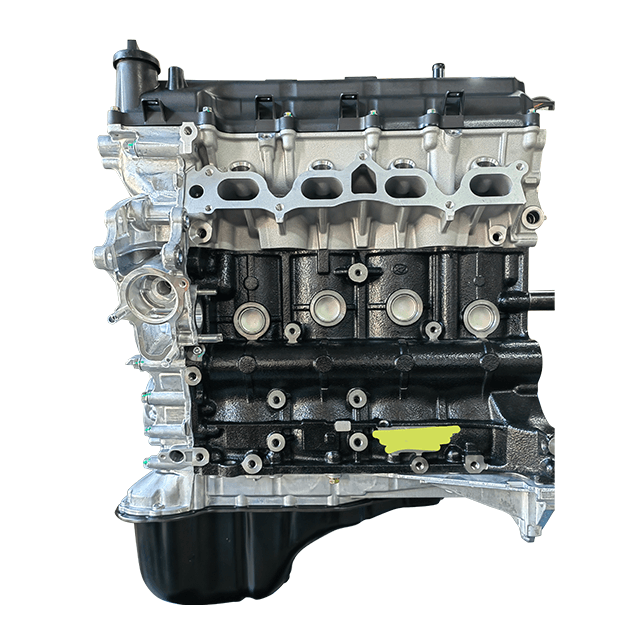
| Assembly level | A short block normally covers the lower assembly; a long block normally adds the head and valve gear. Confirm the exact parts. | The quote uses bare or complete without an included-parts list. |
| Condition and testing | New or remanufactured status, actual-unit identity and applicable inspection records. | A generic photo or quality slogan replaces a unit-specific answer. |
| Reusable components | List the old accessories and external parts the installer will inspect and transfer. | A part implicated in the original failure is assumed safe to reuse. |
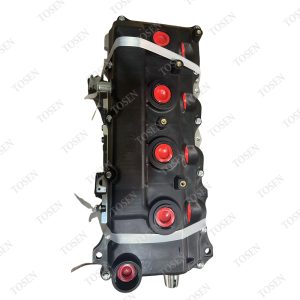
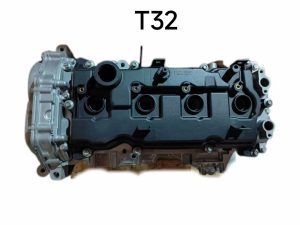
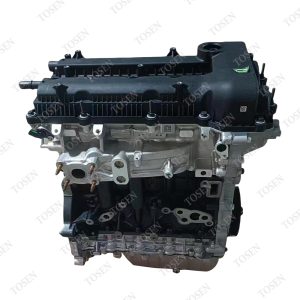
TOSEN AUTO has a listing titled Heavy Duty 2TR Engine Block for Toyota Hilux 2.7L Gasoline Corrosion Resistant OEM. Treat that page as an enquiry starting point, not proof that every configuration fits or that its headline claims apply to your order. Ask for the exact build scope and supporting documents.
Compare the available engine assemblies and long blocks only after those identifiers are agreed. The written quote should separate the engine, required transfers and missing parts; a lower bare-unit price can represent a different job scope.
What must be signed off before delivery and first start?
- Before dispatch: agree the unit identity, supplied components, test documents, packing method and written claim terms.
- At receipt: compare the unit with the order, photograph the crate and engine, and report damage or discrepancies using the agreed process.
- Before installation: have the workshop close the original fault and assess every retained component implicated in it.
- At first start: the installer follows the applicable service and supplier requirements, records the checks and hands over the maintenance instructions.
A replacement does not repair the systems around it. If overheating or lubrication failure caused the damage, the workshop must address that cause before the next engine is operated. Do not substitute a generic online break-in or oil-priming routine for the instructions applicable to the supplied unit.
- Request dispatch photographs showing the unit identifier, protected openings and crate condition. Agree who inspects freight damage and how quickly evidence must be submitted.
- Ask whether the warranty starts at dispatch, delivery or installation. Confirm commercial-use eligibility, labour, freight, exclusions and the claim contact in writing.
- Name the installer responsible for fitment, transferred components and first-start records. Resolve any disagreement about required supporting repairs before work begins.
- Keep the diagnosis, supplier correspondence, unit report, delivery photographs and installation invoice together. These documents explain what was approved and what was actually supplied.
Use the related technical guide for the broader Toyota Hiace and Hilux assembly discussion. For this job, retain the exact VIN, 2TR-FE configuration and written scope as the controlling fitment record.
Frequently Asked Questions
Can the engine need mechanical work without a fault code?
Yes. The absence of a stored code does not measure cylinder sealing or confirm oil pressure. Report physical symptoms and let the workshop decide which checks are needed; do not wait for a warning lamp before reporting coolant loss or unusual noise.
What if the workshop can only test the engine cold?
Ask it to record that limitation, the reason and the applicable interpretation. If the normal service conditions cannot safely be achieved, the report should distinguish a preliminary finding from a confirmed repair decision.
Does a complete engine include the ECU and every accessory?
Not necessarily. Treat complete as a seller's description until the quotation lists the actual components, required transfers and configuration. Have the installer approve that list before dispatch.
Does a test sheet guarantee warranty coverage?
No. A test sheet documents specified checks on an identified unit; warranty coverage depends on the agreed terms and circumstances. Keep both the report and the written installation and claim requirements.
Make the next decision from recorded evidence
A useful repair decision connects the reported symptom to a located fault, then defines the work needed. If replacement is justified, carry that evidence into the fitment, supplied-parts and installation discussion instead of starting again from a product headline.
Use the checklist for your TOSEN fitment enquiry. Have your workshop record the diagnosis, then prepare the VIN, 2TR-FE configuration and required assembly scope. Use the product or category link above to ask TOSEN AUTO for written fitment and scope confirmation. On-page workshop and handover checklist