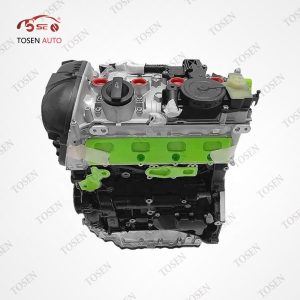
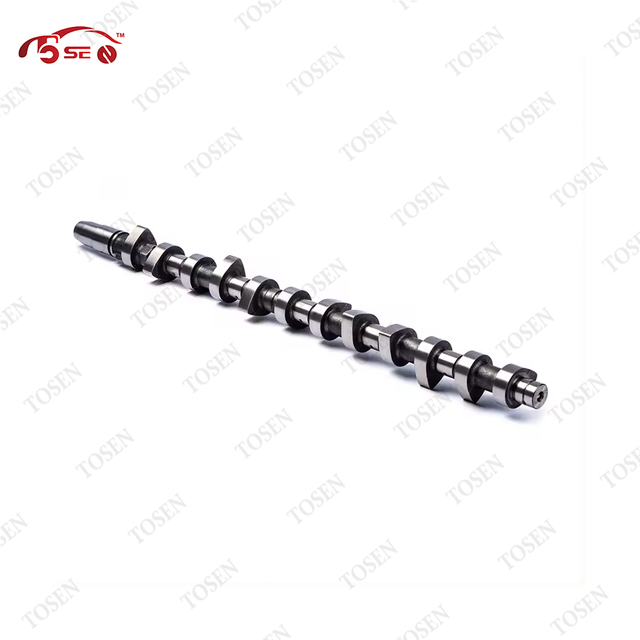
The 13501-17010 camshaft is the OE number that Toyota fits to the 1HZ engine, the inline-six diesel that powers a large share of Land Cruiser 70-series trucks and vans. If you machine engines, remanufacture heads, or buy parts for a workshop chain, this part number appears again and again on HZJ75 and HZJ79 rebuild lists. This guide shows you how to confirm the camshaft really matches your engine, what to check on the blank and the journals before you commit, when a used core can be reground, and the shipping details that stop a good part arriving damaged.
Does the 13501-17010 Camshaft Fit Your HZJ75 or HZJ79?
Fitment starts with three identifiers that must agree: the OE number on the old part, the engine code stamped on the block, and the chassis code of the vehicle. The 1HZ is the engine code, and it appears in Land Cruiser 70-series bodies such as the HZJ75 pickup and the HZJ79. When the three identifiers line up, the 13501-17010 camshaft is the correct service part for that engine.
Do not rely on the model name alone. “Land Cruiser” covers petrol sixes, V8s, and several different diesels, and each family uses a different camshaft. The HZJ prefix in the chassis code is what tells you the truck left the factory with the 1HZ. Write down the full VIN, confirm the engine code on the block plate, and compare the OE number printed on the old camshaft before you order anything.
The same logic applies to remanufacturers. If you are rebuilding a core, ask for the old cam’s markings and keep the OE number as the master record. A camshaft with the right external shape but the wrong OE number can still fail the lobe-height or journal checks, so the number is your first gate, not your last one.
For a different 2L-diesel application, you can compare the part we list on the Camshaft 13501-54050 for Toyota Hiace, Hilux and Chaser 2L Diesel product page, which shows how OE-number-led fitment is documented on the product side.
Run this quick fitment checklist before you quote:
- OE number on the old camshaft (for example 13501-17010).
- Engine code stamped on the block (1HZ).
- Chassis prefix of the vehicle (HZJ75, HZJ79, or other 1HZ bodies).
- Model year, because late-market calibrations can differ.
- Condition of the used core if you plan a regrind.
Cast or Forged? What the Blank Material Tells You
Camshafts are made two ways. A cast blank starts as molten metal poured into a mould, which gives the maker the freedom to shape the lobes as part of the casting. A forged blank is hammered or pressed from a steel billet, which packs the metal fibres tightly and gives extra strength in high-stress engines. Cast iron cams are common on production diesel engines because they are strong enough for the valve loads and cheaper to produce; forged steel cams show up where the maker needs more durability or smaller lobe shapes.
Do not guess which one you are buying. Ask the supplier directly what the blank is, and look for the answer in the part description or the inspection sheet. For a 1HZ rebuild, what matters most is that the replacement matches the original valve timing profile and lobe geometry. A “universal” performance cam from another engine is a risk, not an upgrade, because the 1HZ has its own firing order and lobe spacing.
Two quick tests separate a genuine service part from a cheap imitation. First, check the surface finish of the lobes and journals: a production cam is ground and polished, not roughly machined. Second, weigh it if you can. A cast-iron cam for this engine should feel heavy and solid; a hollow or flimsy-looking part is a warning sign. None of these checks replace the supplier’s own test record, but they are fast filters when you inspect before payment.
When you need to see the wider range of parts in this family, browse our engine crankshafts and camshafts category, which collects the crankshaft and camshaft listings in one place.
Journal Size, Hardness and When a Cam Needs Regrinding
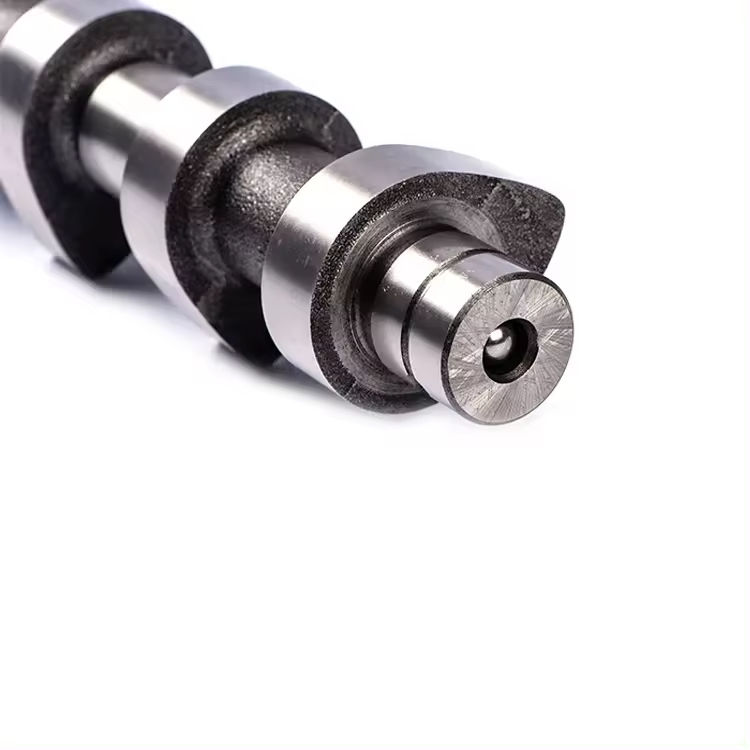
The journal is the round bearing surface of the camshaft that spins inside the cam bearings in the head. Its diameter and surface hardness decide whether the part can be used as-is or must be reground. A new production cam arrives at the finished journal size and case-hardened to resist wear. A used core, by contrast, may have been run in a dirty engine, which wears the journals oval and the lobes flat.
Here is the rule for remanufacturers: measure before you machine. Use a micrometer to check each journal in at least two directions, and record the lobe lift of every intake and exhaust lobe. Compare those numbers with the specification for the 1HZ. If the journals are out of round or the lobes are worn below the usable height, the cam must be reground — and regrinding removes case-hardened material, so the part must be re-hardened afterwards. A cam that is ground without re-hardening will wear out fast and is not a repair at all.
Ask the supplier to state the journal condition explicitly. “New” should mean finished journals at specification. “Reground” should mean ground to a listed undersize, re-hardened, and supplied with the journal size written on the test sheet. If neither is stated, that is a risk flag, because you are paying for a part whose condition you cannot verify.
For the selection logic that connects camshaft condition to the rest of the engine, see our related technical guide on choosing the right engine assembly.
Bearings, Tappets and the Parts That Wear With the Cam
A camshaft never works alone. It presses on the tappets or followers, which open the valves through pushrods and rockers, and it spins inside the cam bearings fitted to the cylinder head. When you buy a camshaft, you should also plan the parts that mate with it: the bearings, the tappet faces, and the timing chain or gear that drives it.
The practical point is simple. If the old engine had a wiped cam lobe, the metal debris usually travels through the oil and scores the bearings and tappet faces as well. Fitting a new cam over scored bearings or worn tappets means the new part inherits the same failure. Budget for the bearing set and the tappets in the same order, and check the oil gallery and filter for debris before assembly.
Suppliers that remanufacture 1HZ engines usually sell the camshaft as part of a matched set or can pair it with bearings. Ask for the complete list of mating parts in the quote so you are not chasing a second shipment mid-rebuild. This is also the moment to confirm whether the cam drives the oil pump and vacuum pump through its front end, because the driving gear or keyway must match the original.
Rust-Proofing and Shipping a Camshaft Without Damage
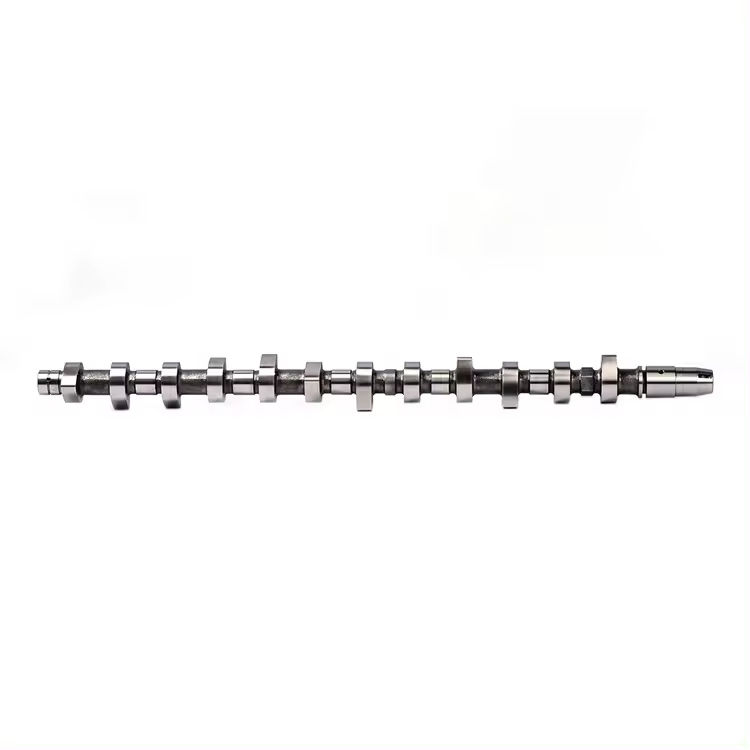
A camshaft is a machined steel part, and bare machined steel rusts quickly in humid air or salt-sea transit. Good suppliers coat the journals and lobes with a rust inhibitor before packing, wrap the cam in oiled paper or film, and fix it inside a box or wooden crate so it cannot knock against the walls during freight.
Before the part leaves the factory, three things should be in place. First, the protective coating on every machined surface. Second, cushioning that keeps the cam off the box floor and stops it rolling. Third, a packing list or inspection sheet that travels with the part, so the consignee can check the item matches the order without opening the crate blind.
On arrival, inspect before you sign. Open the packing, check the cam for rust spots, nicks, or bends, and photograph anything suspicious while the carrier is present. A single bent journal from a dropped crate is enough to make the cam unusable, and the claim is far easier when the damage is photographed at the door.
Frequently Asked Questions
What engines and vehicles use the 13501-17010 camshaft?
The 13501-17010 is the OE-numbered camshaft for the Toyota 1HZ inline-six diesel. It is commonly listed for Land Cruiser 70-series bodies such as the HZJ75 pickup and the HZJ79, and any other vehicle fitted with the 1HZ engine code.
How do I know if my vehicle has a 1HZ engine?
Check the chassis code, which starts with HZJ for 1HZ-equipped Land Cruiser bodies, and confirm the engine code stamped on the engine block plate. The VIN also carries this information and is the record a supplier should ask for.
Is a cast camshaft worse than a forged one for the 1HZ?
Not automatically. Production diesel cams are often cast iron and are engineered for the engine’s valve loads. What matters is that the replacement matches the original lobe profile and journal specification. Ask the supplier what the blank material is and whether the part is new or reground.
Can I regrind a used 13501-17010 camshaft?
Yes, if the journals are within usable limits and the lobes are not worn below specification. Regrinding removes hardened material, so the part must be re-hardened after grinding. Get the journal undersize and the re-hardening detail in writing before paying for the service.
Should I replace bearings and tappets with the new camshaft?
Usually yes. A wiped lobe releases debris into the oil, which damages the bearings and tappet faces. Replacing the cam over damaged mating parts risks the same failure again. Budget for the bearing set and tappets in the same order.
Get a Fitment-Confirmed Quote
Submit your VIN, old-part label / OE number, model year, quantity, and destination port to receive a fitment confirmation and a quote. That closes the loop: the same identifiers that prove the 13501-17010 camshaft fits your 1HZ become the records used to pack, rust-proof, and ship the correct part for your HZJ75 or HZJ79.
References
- Nason — New product memo (23111-2G200, crankshaft and rotating parts reference): nason.com.au (PDF)
- Engine Parts UK — AMC camshaft and engine parts catalogue: enginepartsuk.net (PDF)
- Extra Mile — Camshaft and engine parts catalogue: extra-mile.us (PDF)