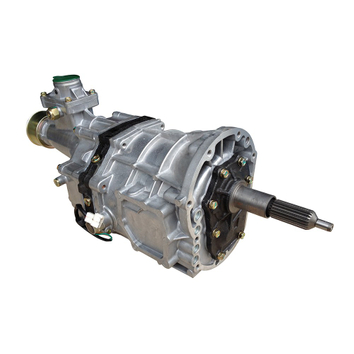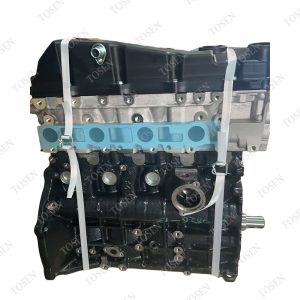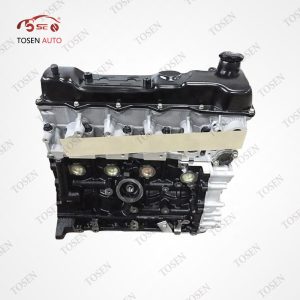
An engine-code search can produce a clean table and still leave a workshop with the wrong replacement. The missing information is usually not another horsepower figure; it is the link between that figure, the vehicle, the offered unit, and the parts included.
Current Chery SQRE4T15C engine specs also appear in different model and market contexts. A useful record therefore keeps sourced facts separate from fields that require VIN, marking, calibration, and order confirmation.
This guide builds that record in sequence: baseline specifications, output variation, identity, supplied scope, test evidence, freight, receiving, and first start. Use it to turn an engine-code-only request into a file that a workshop, buyer, and supplier can all review.
Chery SQRE4T15C Engine Specs: Start With a Sourced Record
| Item | Description |
|---|---|
| Baseline fact | A value tied to a named official application and source. |
| Version-dependent field | A value that may change with model, market, calibration, or publication context. |
| Order-specific field | A detail that only the offered unit, photos, documents, and written scope can confirm. |
| Field | Published value | How to record it |
|---|---|---|
| Engine type | SQRE4T15C; turbocharged inline four | Keep the exact code and named vehicle application |
| Displacement | 1498 ml | Record source, model, and access date |
| Valvetrain | Four valves per cylinder; DVVT | Treat as the official application baseline |
| Bore × stroke | 77 × 80.5 mm | Do not use dimensions alone as fitment proof |
| Compression ratio | 9.5 | Keep with the named application |
| Fuel system | Multi-point EFI | Confirm the offered configuration and retained controls |
| Output | 115 kW at 5500 rpm; 230 N·m at 1750–4000 rpm | Tag as source-specific, not universal |
Record rule
Put the source beside the number. The specification becomes evidence only when a reviewer can see which model and market context produced it.
Treat Power and Torque as Version-Specific Fields
| Official source | Named application | Published output | Buyer interpretation |
|---|---|---|---|
| JETOUR Global | X70 Plus, engine type SQRE4T15C | 115 kW; 230 N·m | Direct named-code baseline |
| Chery South Africa | Tiggo 7 Pro 1.5 Turbo | 108 kW; 210 N·m | Regional/model context; brochure does not name the code in the table |
These figures should not be averaged, ranked, or used to declare that one source is wrong. They describe different published applications. A buyer should preserve the named model, market, transmission, emissions context, and source date, then ask which calibration and hardware the offered engine supports. Until those fields align, treat the rating as a reference rather than an approval value.
Hold point
If an offer states only “SQRE4T15C 115 kW,” ask for the vehicle/application basis and a photo of the offered engine marking before treating the figure as a match.
Do not convert a vehicle brochure into a universal bare-engine specification.
Build the Identity Chain Before Fitment Approval
- Capture the complete VIN and decode the vehicle attributes available for the destination market. Keep the decoder result as supporting evidence, not a final parts decision.
- Photograph the original engine-code marking in place and transcribe every character. Add model year, market, drivetrain, transmission, and current ECU or calibration references available to the workshop.
- Photograph mounts, sump, intake and exhaust sides, turbo interfaces, sensors, connectors, coolant and oil connections, flywheel or flexplate side, and accessory positions.
- Ask the supplier to return the same fields for the offered unit and state the match basis, differences, transfer parts, and any unresolved condition in writing.
- VIN and vehicle/build record attached
- Original engine marking photo attached
- Offered engine marking photo attached
- Transmission, controls, emissions, and interface differences named
- Workshop and supplier approvals recorded separately
The existing TOSEN compatibility guide goes deeper into the fitment conversation. Use that method after the identity chain is complete; a broad application list is discovery evidence, not permission to install.
Compare Long-Block and Complete-Assembly Scope Line by Line
| Offer label | Likely core | Fields that still need written confirmation |
|---|---|---|
| Short block | Block and rotating assembly | Timing cover, oil system, head, fasteners, seals |
| Long block | Block plus assembled cylinder head | Timing set, sump, covers, manifolds, turbo, fuel system |
| Bare engine | Seller-defined core | Every ancillary, bracket, sensor, connector, and shipped opening |
| Complete assembly | Seller-defined engine with selected ancillaries | Turbo, manifolds, injectors, wiring, ECU, starter, alternator, flywheel/flexplate, A/C and steering parts |
- Mark each line Included, Excluded, Transfer from original, New consumable, or Not applicable.
- Attach dated photos of the exact offered configuration; catalog photos cannot close the scope.
- Name the condition of every included ancillary separately from the core engine.
- List missing brackets, fasteners, seals, fluids, filters, and one-time-use parts before dispatch.
- State who owns compatibility and warranty risk for transferred systems.
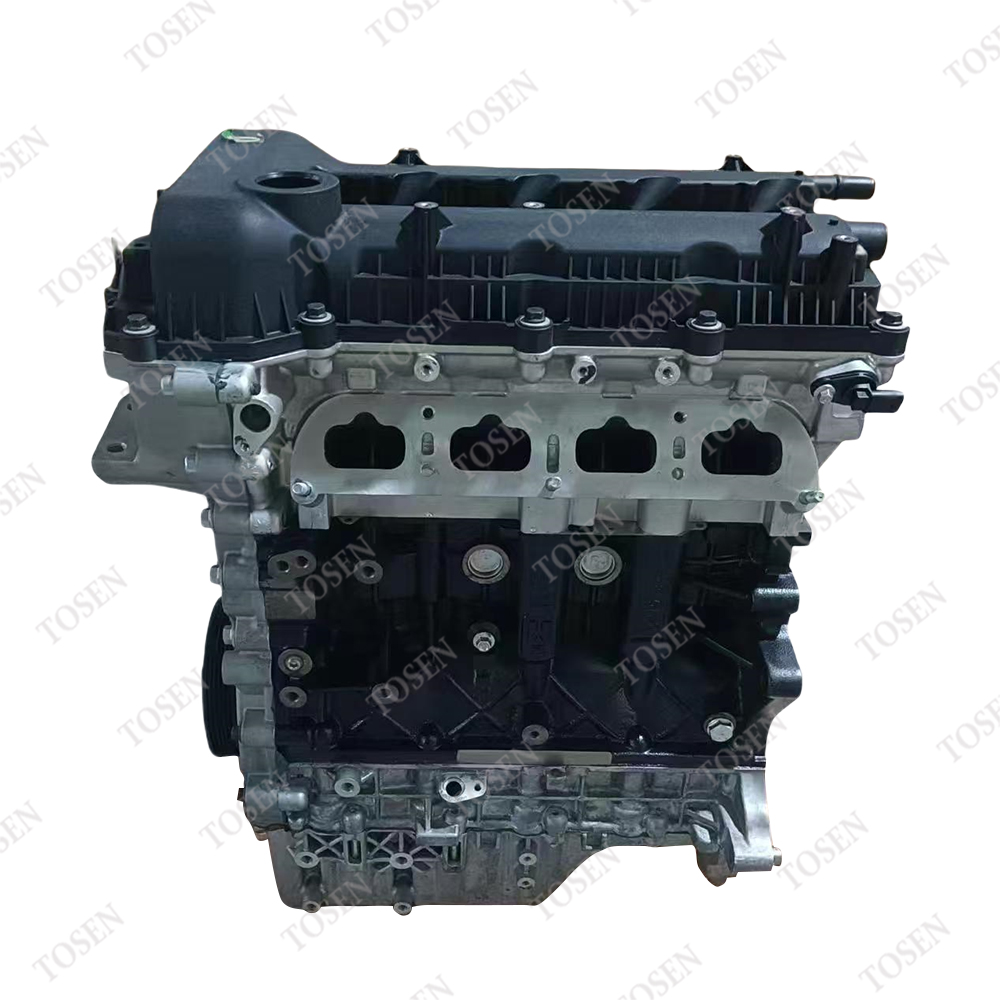
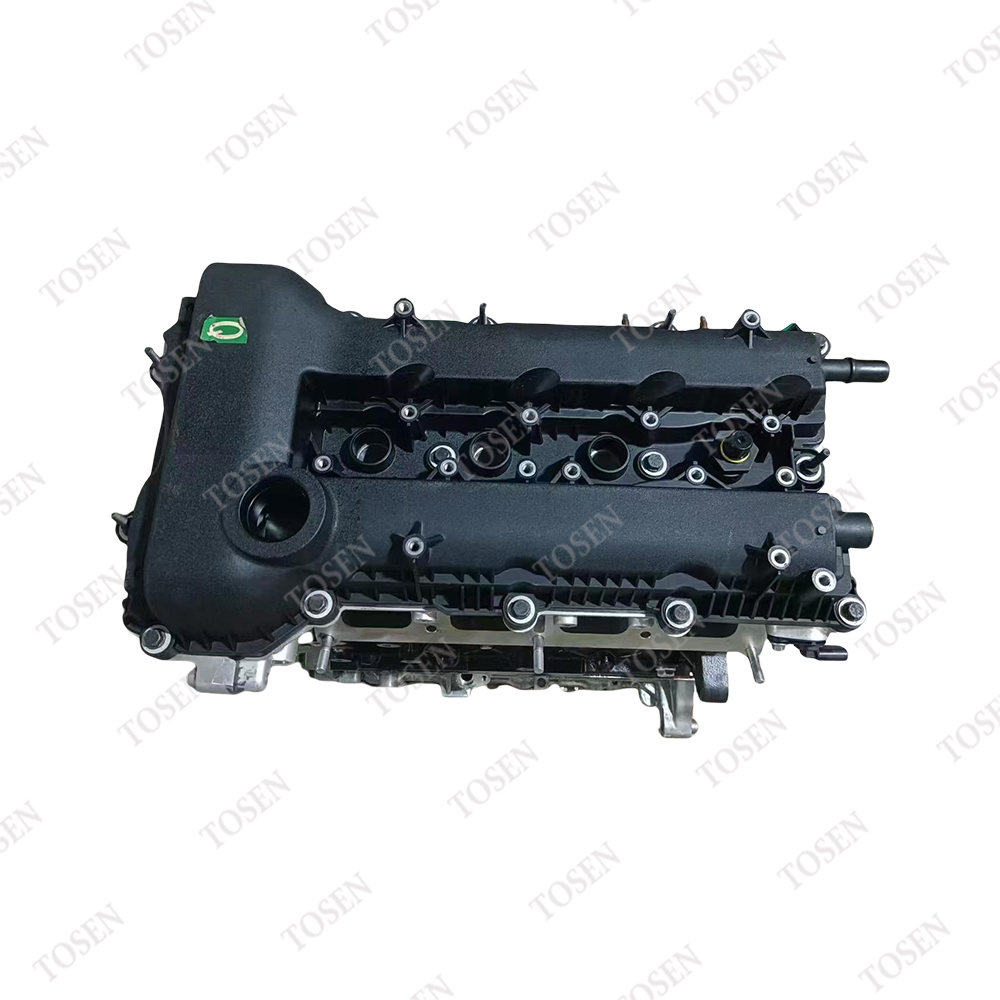
The live TOSEN SQRE4T15C gasoline engine listing and the broader engine assemblies and long blocks category show commercial availability. They do not replace the signed scope schedule. One current competitor calls an engine with gearbox and accessories “complete,” while another sells the engine without ancillaries; the words alone are not comparable.
Ask for Evidence That Follows the Engine
- Current photos of the exact offered engine, its code/marking, stock or order reference, all sides, openings, interfaces, included parts, and visible exceptions
- Condition statement that distinguishes new, remanufactured, rebuilt, used, test, or other inventory and names what that condition means for this unit
- Inspection or test name, method, conditions, date, equipment reference where available, raw values, acceptance basis, and issuer
- Separate evidence coverage for the core, turbo, fuel system, sensors, starter, alternator, and other included ancillaries
- Written warranty start event, duration, installation rules, claim deadline, required evidence, exclusions, remedy, and freight/labor responsibility
- Packing close-out photos that show protected openings, supports, labels, crate condition, and the same identity reference
Evidence rule
“Tested,” “new,” and “complete” are conclusions. The approval record needs the exact unit, method, result, scope, exception, and warranty consequence behind each word.
A donor-specific used-engine listing may offer mileage and vehicle history, while a new or rebuilt unit may offer production or process records. Neither path is automatically stronger. The useful record is the one tied to the offered engine and the buyer's acceptance criteria.
Carry the Record Through Freight and First Start
- Packing close-out — confirm supports, protected openings, loose-item inventory, labels, crate photos, and applicable solid-wood packaging documentation.
- Carrier handoff — record package count, visible condition, documents, and any exception before departure.
- Receiving — photograph every side before opening, then record impact, water, broken seals, shifted supports, or missing packages before signing without exception.
- Pre-start — reconcile the scope, inspect shipping protection and contamination risk, complete the workshop's lubrication, cooling, timing, control, and transfer-part checks.
- First start — record readings and observations defined by the engine documentation and warranty terms; stop when a stated limit or abnormal condition is reached.
- Order and engine identity visible in packing and receiving photos
- ISPM 15 status checked with the forwarder when solid-wood packaging is used
- Transit exceptions reported before unpacking or installation
- Workshop pre-start record completed and retained
- Warranty notice route and stop conditions available to the installer
Do not invent universal oil-pressure, compression, or first-start limits from a sales page. Use the correct vehicle/engine service information and the supplier's written warranty procedure. The shared record should show what was checked, by whom, when, and what action followed.
Close the File With a Buyer-Ready Verification Record
- Identity — VIN, model/build/market, transmission, original marking, offered marking, and interface photos
- Specifications — source-tagged baseline plus version- and order-specific fields
- Scope — included, excluded, transferred, new-consumable, and not-applicable lines
- Evidence — condition, inspection/test records, photos, exceptions, and acceptance decisions tied to the order
- Warranty — start event, rules, exclusions, evidence, remedy, and cost responsibility
- Logistics — packing, documents, carrier handoff, receiving inspection, and damage route
- Approvals — supplier match basis, workshop installation approval, buyer release, unresolved holds, and dates
Release condition
Release the purchase only when every unresolved item has an owner, evidence request, deadline, and decision consequence.
A blank field is not approval. Mark it Not applicable, Conditional, Rejected, or Pending.
Send the same record to every supplier. Use the engine assemblies and long blocks category to compare how supply pages describe scope, then keep the written offer as the controlling record. That makes evidence, warranty, and freight answers comparable and keeps a lower headline price from hiding missing parts or responsibilities.
Frequently Asked Questions
What are the official SQRE4T15C engine specifications?
JETOUR's current X70 Plus specification names SQRE4T15C and lists 1498 ml, turbocharging, an inline-four layout, four valves per cylinder, 9.5 compression, 77 × 80.5 mm bore and stroke, 115 kW at 5500 rpm, and 230 N·m at 1750–4000 rpm. Keep that model and source context beside the values.
Why do some SQRE4T15C-related pages show 108 kW and 210 N·m?
Current official vehicle pages can publish different 1.5T ratings by model and market. Do not average the figures or assume the cause. Record the source, named application, market, transmission, and date, then confirm the offered engine's calibration and hardware.
Is the SQRE4T15C code enough to confirm fitment?
No. Combine the engine marking with VIN/build information, market, transmission, controls, emissions equipment, mounts, sump, turbo, connectors, sensors, and accessory interfaces. The supplier should state the match basis and every difference in writing.
Does a complete SQRE4T15C engine include the turbo and accessories?
Not necessarily. Current sellers use “complete,” “bare,” “long block,” and “without ancillaries” differently. Use a line-item inclusion, exclusion, and transfer schedule with photos of the exact offered configuration.
Which test records should I request before shipment?
Ask for records tied to the unit or order: identity photos, condition path, test or inspection method, conditions, date, raw values, acceptance basis, issuer, exceptions, covered components, and warranty consequence. Use the correct service limits for the vehicle and engine documentation.
Use the Record, Not the Engine Code Alone
A dependable SQRE4T15C specification file separates official baseline data from model, market, calibration, fitment, supplied scope, and unit-condition variables. It then carries the same identity through evidence, packing, receiving, and first start.
Complete the seven-part checklist before comparing offers. If a field is missing, record the owner and hold point instead of filling it with an assumption.
Use the verification checklist first. Then review the TOSEN SQRE4T15C listing or engine-assemblies category and obtain written confirmation for your VIN, engine marking, scope, evidence, warranty, and destination. In-article SQRE4T15C buyer verification checklist