A workshop comparing two replacement engines needs to know whether both offers can solve the same vehicle problem. A larger displacement or a lower quote does not settle that question.
The 2KD-FTV vs 1KD-FTV decision starts with the engine already fitted, the vehicle identity and the parts included in each offer. A like-for-like replacement and a proposed conversion need different checks.
Use this comparison to separate fixed specifications from variant-dependent details, compare short and long assemblies, and prepare the evidence request before ordering. It is a purchasing guide, not an engine-swap or installation procedure.
2KD-FTV vs 1KD-FTV: which differences matter?
The fixed starting difference is displacement: the 2KD-FTV is 2,494 cc, while the 1KD-FTV is 2,982 cc. Toyota also specifies different bore and stroke dimensions. These facts identify different engine designs; they do not establish that one can replace the other in a particular vehicle.
| Check | 2KD-FTV | 1KD-FTV | What the buyer should do |
|---|---|---|---|
| Nominal capacity | 2.5 litres; 2,494 cc | 3.0 litres; 2,982 cc | Match the documented original application. |
| Bore x stroke | 92.0 x 93.8 mm | 96.0 x 103.0 mm | Do not select internal parts by the KD family name alone. |
| Basic layout | Inline four-cylinder turbo diesel | Inline four-cylinder turbo diesel | Shared layout does not prove interchangeable assemblies. |
| Power and torque | Depend on application and specification | Depend on application and specification | Compare the same market, model year and calibration. |
| Replacement suitability | Requires exact vehicle and part-reference confirmation | Requires exact vehicle and part-reference confirmation | Obtain written fitment confirmation for the offered unit. |
Toyota Industries publishes different output figures for its listed Hiace applications. Those figures describe those applications, not every Hilux, Hiace or donor engine carrying the code. Avoid comparing one seller's peak figure against another seller's unspecified version.
A useful comparison has the same starting point
For an existing vehicle, first establish its original engine and required specification. For a vehicle purchase, compare the complete factory vehicle configuration. Neither decision can be reduced to displacement alone.
Are you replacing the original engine or planning a conversion?
Treat a different engine code as a separate project
A proposed 2KD-to-1KD change needs an application-specific engineering and approval assessment. Do not treat a seller's broad model list as permission for a direct swap.
For a failed engine, a documented like-for-like replacement is the sensible starting shortlist. Even then, the code alone is not the complete specification. The original vehicle, donor unit and supplied assembly must be reconciled before the workshop commits to the installation.
- Record the VIN or chassis number, production date, market and original engine code before evaluating offers.
- Ask whether the proposed unit is a replacement for the original specification or a conversion requiring other changes.
- For a conversion, require a written plan covering mechanical interfaces, fuel system, electronics, cooling and applicable emissions equipment.
- Have the responsible specialist check the destination's registration, inspection and emissions requirements before purchase.
- Pause the order if the seller cannot identify which parts transfer, which must change and who accepts responsibility for the result.
A conversion quote can appear attractive when it includes only the engine. It is not comparable with a replacement quote until the extra parts, diagnosis, approval work and commissioning are defined. The workshop should price that complete scope before discussing any hoped-for performance benefit. This guide does not approve a conversion or provide a universal list of interchangeable parts.
What must match beyond the engine code?
- Vehicle record: VIN/chassis number, production date, market, transmission and original engine details.
- Engine record: readable code and serial markings where present, catalog references and clear photographs of the actual unit.
- Mechanical interfaces: sump shape, mounting points, bellhousing connection, flywheel or flexplate, and accessory brackets.
- Air and fuel equipment: manifolds, turbo arrangement, injector and pump references, plus the items retained from the original engine.
- Electronic interfaces: connectors, sensor locations, control-unit references and any required coding or learning procedures.
- Emissions configuration: identify the vehicle's original equipment and obtain a specialist assessment of the proposed package.
Use the catalog lookup and physical comparison together. A vehicle identification number helps establish the original build, but it cannot prove what a previous owner installed later. If the current engine differs from the vehicle record, resolve that history before relying on either identifier.
- Capture the vehicle record and original-engine photographs.
- Ask the supplier to identify the offered unit and matching references.
- Have the workshop compare the interfaces and record every difference.
- Close each difference in writing before accepting the fitment decision.
Fuel-system details deserve a separate line in that record. DENSO states that replacement injectors carrying compensation codes require code registration; its bulletin also calls for checking whether fuel-pump learning must be reset. Ask the installer to use the instructions and diagnostic equipment appropriate to the actual system. Do not assume that transferring a connector or retaining the old control unit completes the electronic checks.
How should you compare assembly scope and engine condition?
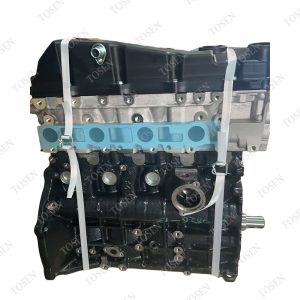
Specify assembly scope and engine condition as two separate fields. A long block can be new, remanufactured or used; the name describes an assembly level, not the condition of every part.
| Offer | Typical starting scope | What remains to confirm |
|---|---|---|
| Short block | Lower engine assembly; cylinder head generally outside the scope | Exact components, head condition, machining and remaining assembly work. |
| Long block | Lower assembly with cylinder head and valvetrain | Timing parts, covers, fuel equipment and every accessory included or excluded. |
| Fuller or complete assembly | More external equipment may be supplied | An itemized list; the word complete and a photograph are not a parts contract. |
Condition needs its own evidence. For a remanufactured unit, request the inspection, machining and replacement-parts record. For a used unit, request donor identity and condition evidence. For a new unit, confirm the supplied specification and inspection record. None of these labels removes the need to check the actual unit.
- Mark each component as included, transferred, separately purchased or excluded.
- Confirm the condition of transferred accessories before approving their reuse.
- Put part references, condition and revision details on the same quote.
- Resolve any conflict between photographs, specification tables and sales messages.
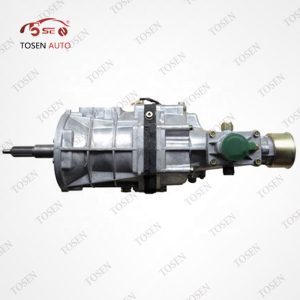
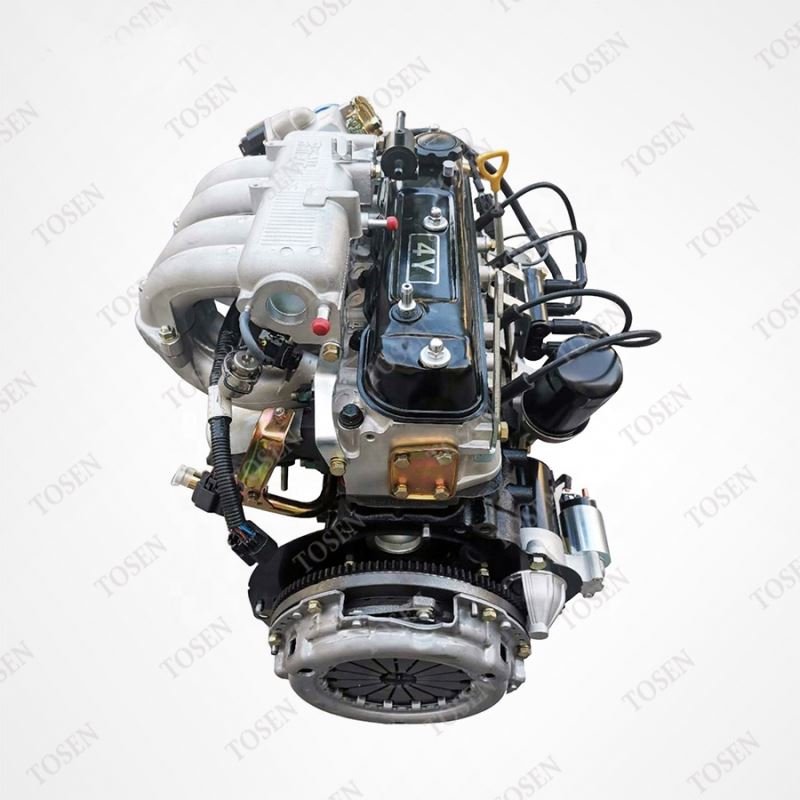
The TOSEN listing titled Car Engines for Toyota 2kd Engine Parts is a starting point for a 2KD inquiry. Its condition and accessory descriptions need written confirmation for the offered unit. The reviewed main photo visibly carries a 4Y marking, so it should not be used to verify a 2KD engine. Request current photographs and readable identity markings before proceeding.
Which test records should travel with the engine?
- Unit identity: the report, engine markings, quote and packing record should identify the same assembly.
- Compression or sealing evidence: ask what method was used, under what conditions, and which applicable limits were used.
- Oil-pressure evidence: request measured results and test conditions where that check forms part of the supplied-unit inspection.
- Rebuild evidence: request the relevant measured clearances, machining record and replacement-parts list.
- Disposition: ask who reviewed any out-of-limit result and what correction or retest followed.
A generic video or a statement that every engine is tested does not identify the unit being shipped. Toyota's 2KD repair information uses specific inspection methods and measured clearances. A buyer should therefore ask for the applicable method and results, rather than inventing one compression or oil-pressure threshold for every variant.
Review example, not a claimed test
If a report lacks the engine identity or test conditions, keep that evidence item open. Ask for the missing record before accepting it; a longer video does not replace traceability.
Keep these records with the order. They give the workshop a defined starting point for receiving inspection and any later technical discussion. They are not a guarantee against every future fault.
What should be agreed before payment and first start?
Compare quotes only after scope and fitment are aligned. Include the engine, retained-part assessment, replacement accessories, freight, duties where applicable, installation, diagnostics and commissioning. Add any core deposit and return costs to the comparison.
- Before payment: approve identity, included parts, test evidence and the written warranty.
- Before dispatch: request unit and crate photos, secured packing details, labels and the delivery arrangement.
- At receipt: record packaging condition and engine identity before installation; report discrepancies through the agreed process.
- Before first start: have the installer complete the applicable service checks and document responsibility for transferred parts.
- At handover: retain commissioning records, dates and the contact route for any claim.
Ask for the warranty start event in writing: dispatch, delivery, installation or another stated milestone. Confirm the claim procedure, notification window, evidence required and treatment of labour, freight and consequential costs. Do not infer these terms from the number of months in a product headline.
- Agree who investigates an early fault before parts are dismantled or returned.
- Confirm unloading arrangements and the process for recording transit damage.
- Keep one order reference across the quote, test report, packing record and installation file.
Use the engine assemblies and long blocks category to compare available supply scopes after the vehicle checks are complete. A lower unit price is only useful when the remaining work and responsibilities are visible.
Frequently Asked Questions
What if the vehicle already has an undocumented engine swap?
Record both the original vehicle identity and the engine currently installed. Ask the workshop to identify the differences and establish the required replacement specification before sending a supplier a single engine code.
Does a turbo shown in a listing photo come with the engine?
Only a written included-parts list can settle that. Ask the seller to identify whether the photo shows the actual offered unit, an example assembly or equipment that must be transferred separately.
Can a test video replace the written inspection record?
Use it as supporting evidence, not a substitute for unit identity, test conditions and measured results. Ask the supplier to connect the video and report to the same engine and order reference.
What if the warranty starts before the engine reaches the workshop?
Calculate the usable time under the written terms and planned delivery schedule. Resolve the start event and any installation deadline before payment rather than assuming the period begins at first start.
Choose the engine package you can verify
Choose a replacement path from verified vehicle identity, matching references and a clear parts list. The 2KD and 1KD specification differences matter, but the purchase decision also depends on condition evidence, installed scope and an agreed handover.
For additional scope guidance, use the related technical guide before comparing supplier responses. Keep unresolved fitment or evidence questions on the checklist until the responsible party answers them.
Use the checklist before choosing a supplier. Take your VIN/chassis number, engine code, OE references and required parts list to TOSEN AUTO to confirm the offered application and assembly scope. On-page fitment, test-evidence and handover checklists.