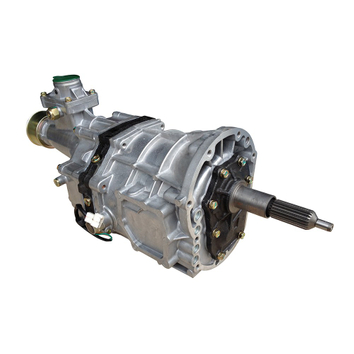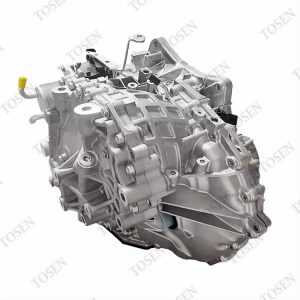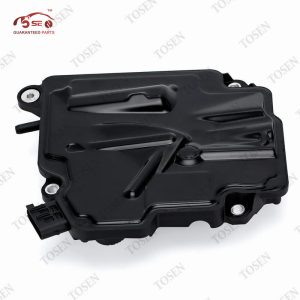
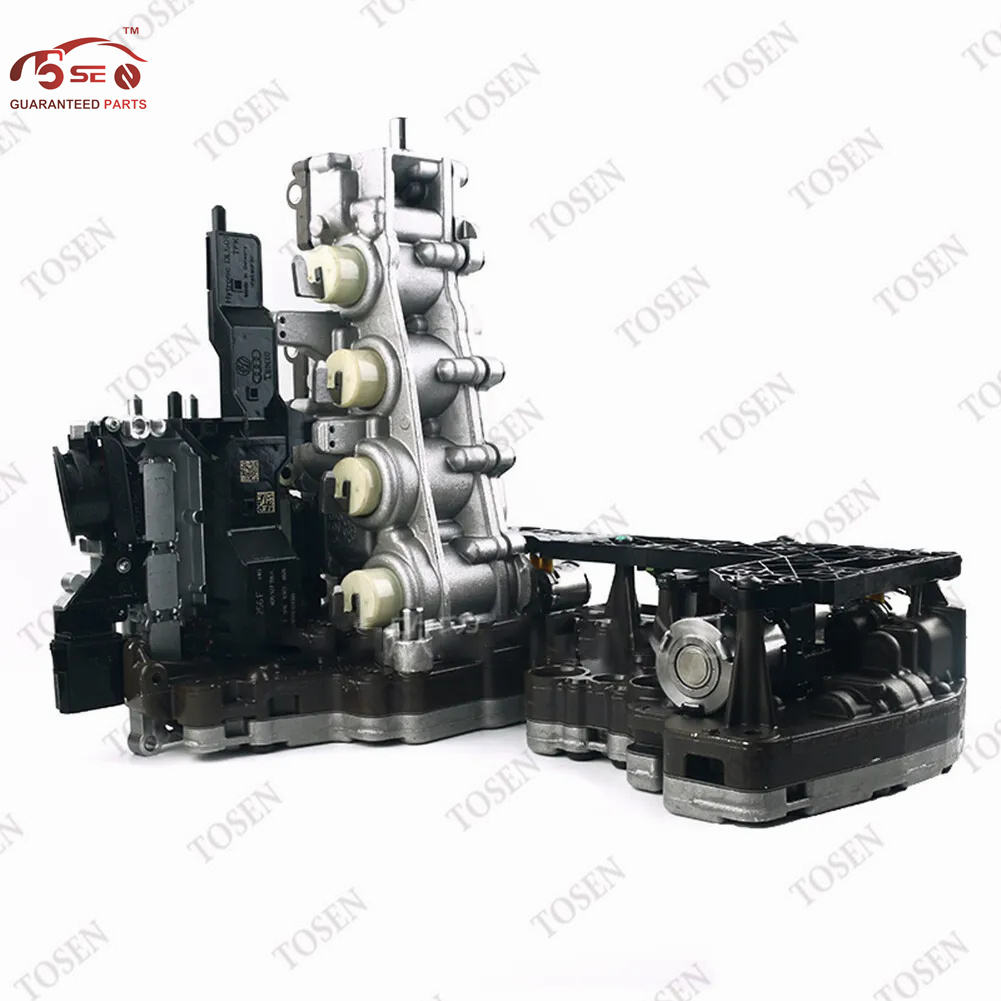
The DL501 0B5 valve body is the part most Audi A4, A5, and A6 owners blame first when a 7-speed S tronic starts acting up — and usually they are right. This guide explains which cars use the 0B5, how to recognize a failing mechatronic unit, and exactly what to check before you buy a replacement. You will learn why the part number suffix matters, why a blank unit may not work in your car, and what paperwork and testing a trustworthy supplier should show you before shipping.
How to Spot a Failing DL501 0B5 Mechatronic Unit
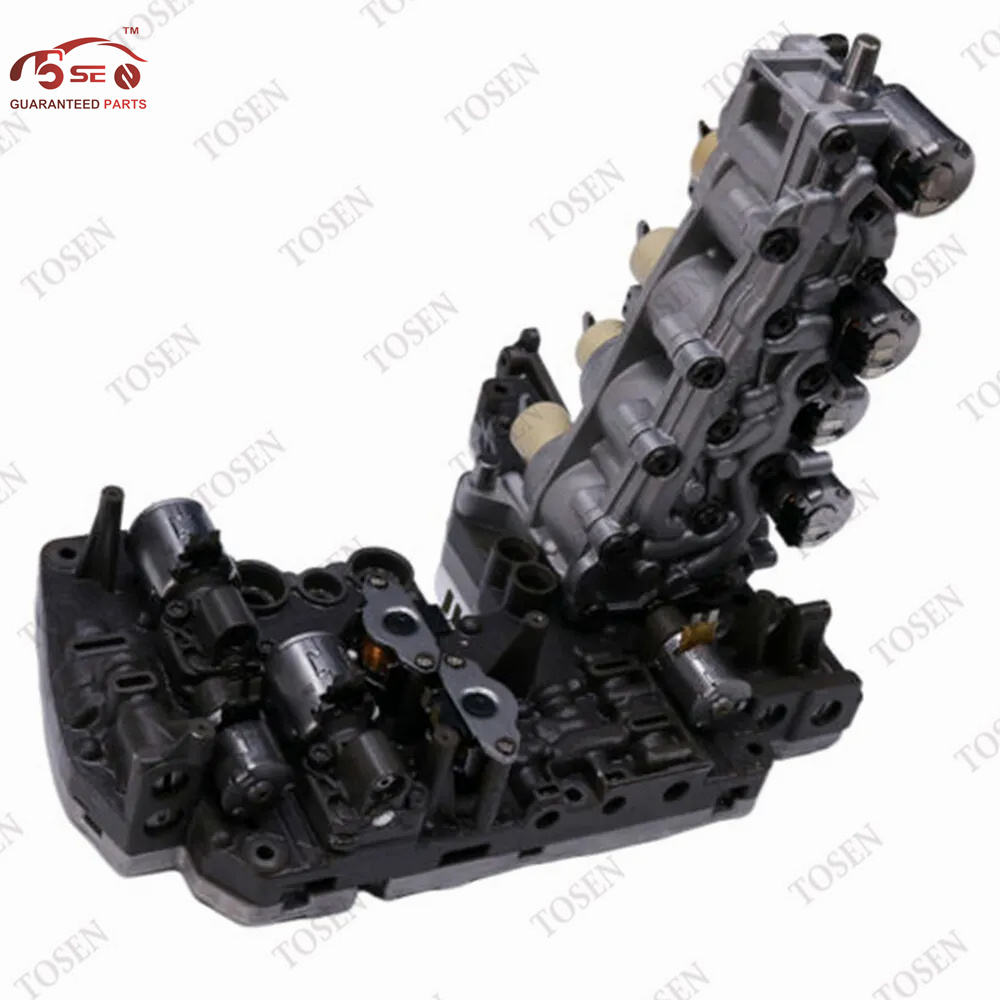
The mechatronic unit on the 0B5 combines the valve body, solenoids, and the transmission control module in one housing. It lives inside the transmission, bathed in hot fluid, so it is a common failure point on high-mileage Audis. The first signs usually come from the driver seat before any warning light appears: a hard 1st-to-2nd shift, a delayed or harsh reverse engagement, or a brief hesitation when the car is asked for sudden acceleration. As the unit wears, drivers often report a flashing or blinking “D” in the instrument cluster and the transmission defaulting to a limp mode that locks it into one gear.
Fault codes back up the mechanical symptoms. Common complaints on the 0B5 include codes related to pressure sensors inside the mechatronic, speed sensors on the transmission input and output, and solenoid circuit faults. The factory-style repair instruction for this transmission family walks a technician through checking the hydraulic and electrical sides of the unit step by step before deciding what to replace — a process worth following before you spend money on parts. When a scan confirms sensor or solenoid faults inside the mechatronic, most shops choose to replace the whole unit rather than chase a single failing solenoid inside a housing that has to come out anyway. If you are in that position, you can look at the 7 Speed DL501 Valve Body for VW Audi A4 A5 A6 to see what a complete replacement unit looks like before you commit to a repair path.
Which Audi Models Use the 0B5 DL501 — and Why the Part Number Still Matters
The 0B5 transmission (called DL501 internally) is the 7-speed dual-clutch “S tronic” used across the Audi range: the A4, A5, A6, A7, Q5, and related models, roughly from the late 2000s onward. The valve body you need is not defined by the car model alone. Audi used several revisions of the 0B5 over the years, and each revision can use a different mechatronic part number. That is why any supplier that only asks for your car model is guessing. A reliable cross-check needs the transmission code from the sticker or your VIN, and the part number printed on your old unit if it is still readable.
Here is the key compatibility rule: the physical connector and the bolt pattern may look identical across revisions, but the hydraulic mapping and the software inside the control module are tuned to a specific suffix. Fitting a valve body with the wrong suffix can produce exactly the same symptoms you started with — harsh shifts, fault codes, or a transmission that refuses to go into gear. Audi built the S tronic so that the valve body and the transmission control unit work as one tuned assembly. For this reason, a serious supplier stocks the different 0B5 variants rather than selling “one valve body fits all,” and confirms the suffix against your old part label before dispatch. You can browse the range of transmission control units and mechatronics to see how the catalog is organized by exact part rather than by vague fitment claims.
Blank, Pre-Programmed, or Coded: What You Actually Need
This is the question that separates a smooth swap from a two-week headache. A blank mechatronic unit arrives with no software. On an older, simpler transmission, a blank unit could be taught the vehicle settings during a re-code. On the 0B5, the control module is paired to the vehicle through the Audi control unit architecture. Installing a blank or an incorrectly programmed unit usually triggers component protection or immobilizer-related blocks, and the gearbox simply will not function until the module is correctly matched to the car.
Depending on your equipment and the specific software generation, this coding can be done by a specialist with dealer-level diagnostics. Some shops prefer a unit that arrives already programmed to the customer’s VIN, so the car can be driven through the adaptation process without a second visit to the coder. Others buy a clean unit and code it in-house. Both paths work — but only if you know which one you are buying. Ask the supplier directly: “Is this unit blank, programmed, or programmed to my VIN?” A good supplier will tell you plainly, because the answer changes how you install it. If your shop does the coding work itself, a clean tested unit is the economical choice; if not, a VIN-coded unit saves labour and diagnosis time.
What Is Included, and How Is a DL501 Valve Body Tested Before Shipping?
Buyers are often surprised to learn that a “valve body” listing may not include everything needed for a complete swap. On the 0B5, the valve body, the solenoid set, the wiring harness, and the electronic control module are usually sold as one mechatronic unit — but not always. Confirm the scope of the part you are ordering: does it include the TCU on top, or is it the hydraulic valve body only? If you order only the valve body but your real fault is the control module, or vice versa, you will find out at the moment the car is back on the lift. This is why the phrase “complete mechatronic, valve body included” matters when you compare quotes.
Testing is the second thing to confirm. Industry practice for mechatronic rebuilds is a bench test: the unit is filled with transmission fluid, pressurized, and cycled through its shift patterns outside the car before it is ever shipped. This catches sticking solenoids, leaking seals, and electrical faults that a visual inspection misses. The same logic applies to valve bodies on other luxury transmissions — a widely read guide on the Mercedes 722.9 valve body and conductor plate explains how much failure can be hidden inside the hydraulic plate, and why testing before installation is the only way to be sure. When you buy from a supplier, ask what testing was done and whether the result is documented. A batch of “valve body only, untested, as-is” parts will always look cheaper on paper and almost always cost more in the end.
After Installation: Basic Settings, Adaptation, and What the Warranty Covers
Even a correctly coded, bench-tested unit needs one more step once it is in the car: the basic settings and adaptation run. The gearbox control module has to re-learn the clutch touch points, the shift pressure, and the idle adaptation for the specific mechanical wear of your transmission. This is done with diagnostic software that puts the transmission through a guided procedure — not something a fresh install can skip. If the unit was supplied programmed to your VIN, the adaptation still must be run; if it was a blank or clean unit, the coding comes first and the adaptation second.
This install sequence is also where warranty boundaries get defined. Software faults, wrong coding, and damage from a rough adaptation are usually excluded from parts warranties, because they are installation issues rather than manufacturing defects. A supplier that documents the part number, the test result, and the programming state on the invoice is giving you the paperwork you need if a problem appears later. For a deeper look at how transmission computers differ across DSG, CVT, and torque-converter gearboxes, this related technical guide explains why the control strategy changes the part you need to order.
Frequently Asked Questions
Can I use a DL501 0B5 valve body with a different part number suffix?
Not safely. Different suffixes on the 0B5 can share the same physical layout but use different hydraulic tuning and software. Fitting a mismatched unit often reproduces the original faults or creates new ones. Match the suffix from your old unit label or your VIN before ordering.
Can I install a blank mechatronic unit and code it myself?
Yes, if you have dealer-level diagnostic equipment and experience with Audi component protection and immobilizer matching. If not, order a unit that is already programmed to your VIN, or budget for a specialist to do the coding. Confirm which version you are buying before the part ships.
Is the valve body included when I buy a DL501 mechatronic unit?
It depends on the listing. Some listings are the hydraulic valve body only; others are the complete mechatronic with valve body, solenoids, harness, and TCU. Ask for the exact scope in writing, because a partial unit will not fix a fault in the missing half.
Does the unit need a bench test before it is shipped?
A reputable supplier tests the unit with transmission fluid under pressure before dispatch and can document the result. This is standard practice for mechatronic rebuilds and is the main safeguard against hidden solenoid or seal faults.
Do I need to run basic settings after installing the new valve body?
Yes. The transmission control module must relearn clutch touch points and shift pressures through a guided adaptation procedure. Skipping this step leaves you with harsh shifts and stored faults even when the hardware is perfect.
Are software or coding problems covered by the warranty?
Usually not, because they are installation issues. Read the warranty terms and ask for the programming state and test result to be written on the invoice, so hardware faults are covered and the scope of the claim is clear.
Get a Fitment-Confirmed Quote
Every 0B5 unit we list is confirmed against the buyer’s own details before it is prepared. To order the right DL501 0B5 valve body for your Audi A4, A5, A6, A7, or Q5, submit your VIN, the label or OE number from your old unit, the vehicle year, the quantity you need, and your destination port. We confirm the exact suffix, confirm whether you need a blank or VIN-programmed unit, and send you a fitment-confirmed quote. Our transmission control units are packed in wooden cases for sea freight so the part arrives protected and the paperwork is ready for customs.
References
- VW/Audi 0B5 mechatronic repair instruction (PDF): https://d2q1ebiag300ih.cloudfront.net/uploads/instruction/file/1969/225740-01K-IN.pdf
- MercedesMedic — 722.9 valve body and conductor plate guide: https://www.mercedesmedic.com/must-read-722-9-7g-tronic-valve-body-conductor-plate/
- Mechatronic part number reference example (DQ200 0AM927769D): https://www.gmsspares.com.au/product/0am927769d/