The MD701465 Mitsubishi synchronizer ring is the brass or steel part that lets your L200 or L300 driver shift from one gear to another without grinding. When this ring wears down, the gearbox gets noisy, hard to shift, and eventually impossible to select without double-clutching. This guide explains how to cross-reference the part number, how to tell a single ring from a full synchronizer set, what to check before you buy, and how to order with confidence for a repair shop, a rebuild center, or a wholesale order.
What Is the MD701465 Synchronizer Ring and Where Does It Fit?
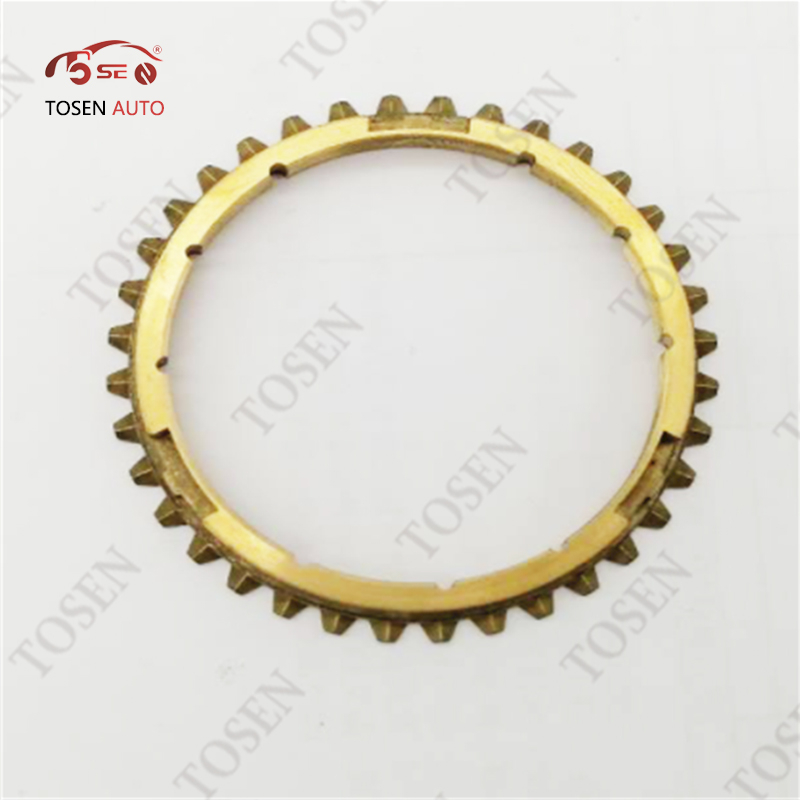
A synchronizer ring sits between the gear and the hub inside a manual transmission. When you move the shift lever, the synchronizer sleeve slides over the hub and presses the ring against a cone on the gear. The friction between the ring and the cone matches the gear speed to the shaft speed, and the teeth then lock in cleanly. If the ring is worn or glazed, that speed-matching step fails, and you hear the classic grinding sound.
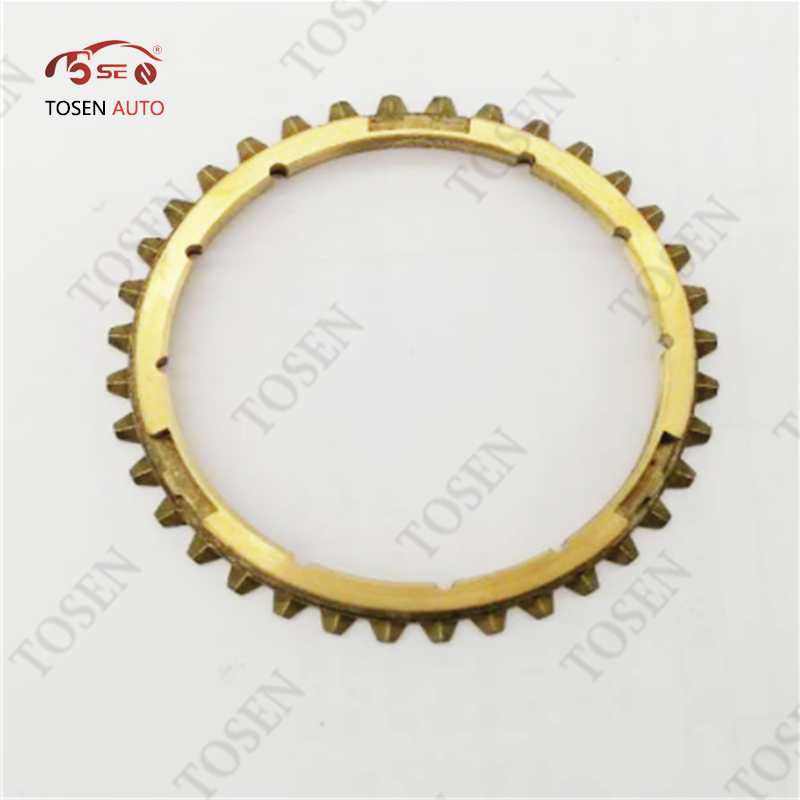
MD701465 is a Mitsubishi OEM part number. On the original catalogue it is listed as a main drive pinion synchronizer ring used in the L200 and L300 gearbox range. The same listing shows the OEM cross numbers 36530-97283 and 36530-28414, so you may see those numbers stamped on the old part instead of MD701465 itself. All three point to the same ring family.
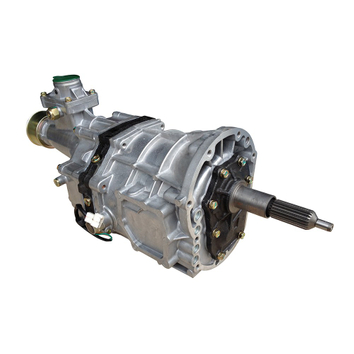
Before you order anything, take the old ring out and confirm the gearbox model. The L200 and L300 were sold with several manual gearboxes across different model years, and not every synchronizer ring is interchangeable. The part number on the old ring, the gearbox code, and the vehicle VIN together tell a supplier exactly which ring to ship. You can inspect the exact unit supplied for this application on our Gearbox Transmission Synchronizer Ring MD701465 for Mitsubishi L200 L300 Anillo Sincronizador Auto Parts page, which lists the model, the OEM cross numbers, and the new-part type.
MD701465 Cross-Reference: OEM Numbers and How to Confirm Fitment
Cross-referencing is the first and most important step, because a synchronizer ring is a precision part. Even a small difference in cone angle, tooth count, or spline fit means the ring will not seat, and the gearbox has to come apart again. Do not rely on the model name alone.
Collect these three identifiers before you ask for a quote:
- OEM number on the old ring — for example MD701465, 36530-97283, or 36530-28414. The number is usually stamped on the face of the ring.
- Gearbox model or code — find it on the gearbox plate or in the service records of the L200 or L300.
- Vehicle VIN — this locks the exact build and helps a supplier spot a ring from a different gearbox family that looks similar in a photo.
The MD701465 family is part of a wider Mitsubishi L200 synchronizer-ring range. Related OEM numbers in the same catalogue family include MD724170, MD745893, MD835281, MR111596, MR111956, ME511691, and ME582897. These numbers are not all the same part, but they show how the L200 line uses many ring variants. That is exactly why the OEM number and the gearbox code have to agree before you commit.
When you send a quote request, include the OEM number, the quantity, and a photo of the old ring if you can. A serious supplier will ask for the same information. If a listing cannot confirm the ring dimensions or the cross numbers, treat it as a warning and move on.
Ring, Cone, Hub, Sleeve: Do You Need the Whole Synchronizer Set?
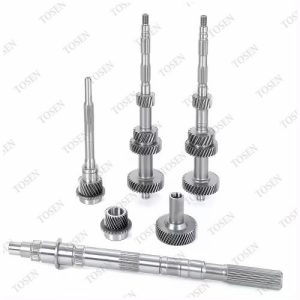
A synchronizer assembly is more than a ring. The key parts are the ring itself, the cone or synchro cone it presses against, the hub, and the sliding sleeve. When a gearbox grinds, buyers often order only the ring and then find out that the cone is scored or the sleeve teeth are chipped.
The practical rule is this: if the gearbox is already open and the failure is clearly a worn ring with a clean cone, a single ring can solve it. If the grinding was heavy or the gearbox ran for a long time with a bad synchronizer, replace the ring and the cone together, because the cone carries the wear from the ring. The hub and sleeve should be checked for burrs and chipped teeth, but they usually last longer than the ring.
For workshops that rebuild many gearboxes, keeping a small stock of rings and cones for the same gearbox family makes sense. For a complete list of what we supply in this line, browse our synchronizer rings and gearbox parts category and match the OEM numbers to your application.
Friction Material and Pre-Lubrication: What Matters Before Install
Synchronizer rings are made to generate friction on purpose. Most rings in the truck and pickup line use case-hardened steel, brass, or a brass-like friction surface. The friction material matters because it decides how smoothly the ring bites into the cone and how long it lasts.
Mitsubishi-style rings are commonly brass-lined or brass-bodied, which gives a good friction balance and a reasonable service life. When you order, ask what material the ring is made from. A steel ring without the right friction treatment may grab or chatter, and a worn brass ring can lose its bite quickly if the gearbox oil is old or contaminated.
Pre-lubrication is a simple step that installers sometimes skip. Before assembly, coat the ring and cone faces with clean gearbox oil so the first engagement does not run dry. This is the same practice the Eaton light-duty synchromesh service manual describes for its own synchronizer service, and it protects the friction faces during the first few shifts.
Also confirm the correct oil grade for the gearbox. Old, worn-out oil with metal particles is a common cause of premature ring failure. If the ring failed once, inspect the oil before you rebuild, because a rebuilt gearbox will eat another ring quickly if the oil is full of debris.
How to Judge Wear on a Synchronizer Ring
Knowing when a ring is finished saves you from replacing good parts or missing bad ones. Look at three things on the old ring.
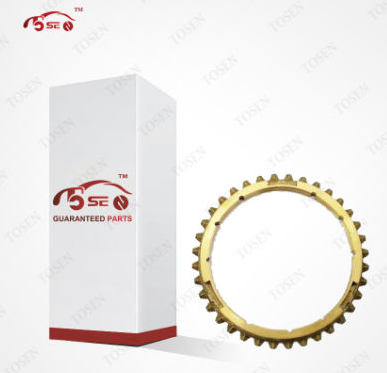
- Tooth count and tooth condition. Count the teeth on the ring and compare them with the replacement. Chipped or rounded teeth mean the sleeve has been hammering into the ring. If the tooth count is wrong, the part does not fit, no matter what the box says.
- Cone surface. The tapered friction face should have a clean, even pattern. Blue spots, deep grooves, or a polished, glazed surface mean the ring has lost its bite. A glazed ring slips instead of gripping.
- Dimensions and taper. Measure the inside diameter of the ring and the cone angle against the old part. A ring that is worn undersized will not clamp the cone correctly.
The Eaton and Eaton-Cummins service manuals make the same point in their synchronizer sections: the wear check is visual and dimensional, not a guess. That is why a careful supplier will confirm the tooth count and dimensions on a sample before shipping a large order.
Single Ring or Full Assembly: Making the Repair Decision
Here is the decision path a repair shop goes through, in plain order.
- If the complaint is a single grinding gear and the gearbox comes out cleanly, inspect the ring for that gear first. A single worn ring can be replaced on its own.
- If two or more gears grind, suspect a common problem like worn hubs, a bent shift fork, or old oil. Check the whole synchronizer area before ordering parts.
- If the gearbox has high mileage or the shift forks show wear, order a complete synchronizer set for that gear while the box is open. It saves a second teardown.
- If you are repairing for resale, a full set gives your customer a guaranteed-clean shift and protects your warranty.
Buying a complete set is more expensive per job, but it removes the risk of opening the gearbox twice. For a fleet or a shop with a reputation to protect, that trade-off is usually worth it. See our related technical guide on synchronizer ring wear symptoms and replacement for a deeper look at diagnosing the failure before you order.
Batch Consistency for Wholesale Orders
When you buy synchronizer rings in bulk, the number you get must match the sample you approved. Inconsistent batches cause the biggest problems: a batch that looks right in a photo but has a different tooth count or taper means a row of gearboxes waiting on parts.
For a wholesale order, ask the supplier for a sample first. Check the sample against the old ring, confirm the tooth count, the cone dimensions, and the OEM cross numbers, and keep the measurements on file. Then require the production batch to match the sample. This is standard practice for transmission parts, and it protects both sides.
Confirm the packing method too. Synchronizer rings are small, hard parts, and they ship well in boxes, but for mixed orders with larger transmission parts a wooden crate is the safer choice for sea freight. The goal is the same: parts arrive without burrs or damage, and the batch stays consistent with what you approved.
Frequently Asked Questions
Is MD701465 the same as 36530-97283 or 36530-28414?
In the original catalogue, MD701465 is listed together with 36530-97283 and 36530-28414 as the OEM numbers for this L200/L300 synchronizer ring. Always check the number stamped on the old ring and confirm with the supplier, because Mitsubishi uses many ring variants across the L200 line.
Should I replace just the ring or the whole synchronizer set?
Replace just the ring if the cone is clean and the failure is a single worn ring. Replace the ring and cone together after heavy or long-running grinding. Inspect the hub and sleeve for chipped teeth, but they usually last longer than the ring.
How do I know the ring will fit my L200 or L300 gearbox?
Confirm the OEM number on the old ring, the gearbox code, and the VIN with the supplier. A supplier should confirm the tooth count and cone dimensions on a sample before a large order ships.
What causes a synchronizer ring to wear out quickly?
Old or contaminated gearbox oil with metal particles is a common cause. Incorrect oil grade, heavy trailer work, and aggressive shifting also shorten ring life. Always check the oil before you rebuild.
Do new rings need any preparation before installation?
Yes. Coat the ring and cone friction faces with clean gearbox oil before assembly, and follow the gearbox oil specification. Pre-lubrication is a standard step in transmission service manuals.
Get a Fitment-Confirmed Quote
Submit your VIN, old-part label / OE number, model year, quantity, and destination port to receive a fitment confirmation and a quote. The same identifiers that prove the MD701465 ring fits your L200 or L300 gearbox become the records used to ship the correct parts, so your order arrives right the first time.
References
- Eaton — Light-Duty Synchromesh Transmissions Service Manual: eaton.com (TRSM2105)
- Eaton Cummins — Endurant Service Manual: eatoncummins.com (TRSM0950)
- Ford Technical Service Bulletin — ZF Model S5-42 M/T Inspection Information: charm.li (ZF S5-42)