The Mercedes 722.9 conductor plate is one of the most commonly replaced parts on the 7G-Tronic seven-speed automatic. It is the small printed-circuit board that carries the speed sensors and the solenoids between the valve body and the transmission control unit, and it is responsible for a long list of drivability complaints and P-codes. This guide explains what the plate actually does, the symptoms that point to it, how to read the part-number suffixes, what a proper bench test looks like, and the questions to ask a supplier before you buy.
What the 722.9 Conductor Plate Actually Does
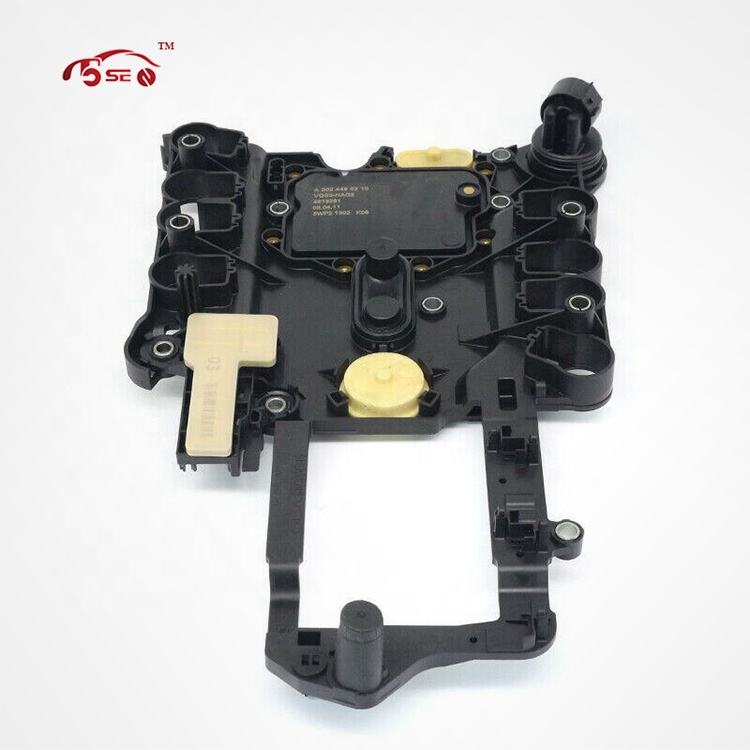
The 722.9 is a seven-speed automatic used across C-Class, E-Class, ML/GLE SUVs and Sprinter vans. The transmission is electronically controlled by a TCU that mounts on top of the mechatronic assembly. Between the TCU and the valve body sits the conductor plate — a flexible circuit board that distributes power and signal to the shift solenoids, the pressure solenoids, and the three speed sensors (turbine, internal and output). The plate lives in transmission fluid and is exposed to heat cycling every time the gearbox works, and it carries both the speed sensors and the solenoid connections, so a single cracked solder joint or contaminated contact can produce multiple, seemingly unrelated symptoms. Service literature treats the plate as a non-repairable sub-assembly: if it is faulty, it is replaced as a unit.
The system is best thought of in three layers: the valve body with the mechanical valves and solenoids; the conductor plate linking those solenoids and the speed sensors to the TCU; and the TCU itself, the processor that decides when to shift. When the complaint is the plate, the valve body and TCU are usually still good. When the TCU is at fault, the plate is often wrongly replaced first. Reading the codes and live data correctly is what separates a one-part repair from a parts cannon.
Symptoms and Fault Codes That Point to the Plate
Plate-related complaints show up in three groups: a transmission warning, a shift-quality complaint, and a cluster of P-codes. The driver-facing signs are a transmission warning lamp, a “Visit Workshop” message, the gearbox dropping into a single-gear limp mode, and harsh or delayed shifts on cold starts that may improve as the fluid warms. None are unique to the plate, but combined with the codes below they shift the suspicion away from the valve body and toward the electronics.
The codes that most consistently trace back to the 722.9 plate are well documented in service guidance and rebuilder documentation: P0705 (range sensor), P0715 / P0716 / P0717 / P0718 (turbine speed sensor), P0720 / P0721 / P0722 / P0723 (output speed sensor), P2200 / P2201 / P2204 / P2205 / P2206 / P2207 (solenoid supply and reference), and P2766 / P2767 / P2768 (pressure-control solenoid).
Specialist rebuilders add a useful rule of thumb: if two or more of the speed-sensor codes are present at the same time, the plate is more likely the cause than three independent sensor failures — that pattern is the strongest single argument for replacing the plate rather than chasing individual sensors. A scan-tool freeze-frame from the day the codes set, combined with a resistance check of the plate’s sensor circuits against the service value, is the fastest confirmation path. If the readings are out of range and the valve body is clean, the plate is the prime suspect.
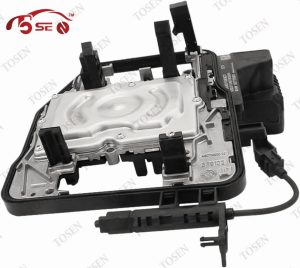
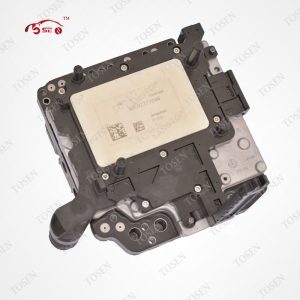
For sourcing, the right unit for the 722.9 platform is the 722.9 7G Gearbox Transmission Conductor Plate Repair Control Unit for Benzs, a Tosen-supplied plate that fits the 7G-Tronic mechatronic and ships ready to code to the vehicle.
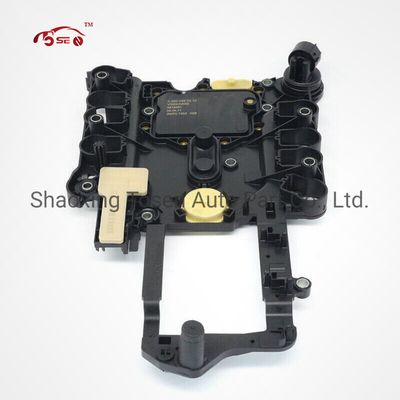
Part Identification and Number-Suffix Compatibility
Once the plate is confirmed, the next decision is which suffix fits the vehicle. The three most common reference numbers are A0002701700, A0002702600 and 2202702406, and they are not freely interchangeable. Each suffix corresponds to a specific mechatronic generation (VGS1, VGS2 and VGS3 in Mercedes service terminology) and a specific connector and calibration. A VGS1 plate on a VGS3 mechatronic will physically fit and the TCU will recognize the solenoids, but the shift map will be wrong and the codes will return. Two identifiers must agree before a plate is shipped: the OE suffix on the original plate’s label, and the TCU’s software index, a letter code stamped on the TCU housing. If the seller only asks for model and year, that is a warning sign — the same Mercedes model can carry different mechatronic generations across a production run.
For a buyer weighing repair against replacement, three options exist. A repair-and-return service rebuilds the customer’s own plate and is the cheapest for a soft fault with a known code; it is not suitable for a no-communication or internal-logic-board failure. A used or cloned plate is the cheapest upfront but needs the most coding work and carries the highest repeat-fault risk. A new OE-grade plate such as the Tosen-supplied unit in the transmission control units and mechatronics category sits in the middle on price and is the simplest to code because the calibration matches the OE spec.
The blank-versus-programmed question belongs here. Most aftermarket plates ship blank, meaning the TCU must be coded (or “SCN-flashed”) with a dealer-level tool or a compatible aftermarket tool such as Xentry/DAS or Autel. A pre-programmed unit has been coded to a generic 722.9 profile and still needs a final VIN write, but removes the bench-coding step. If the seller cannot tell you which you are getting, ask before you pay: a blank plate plus a dealer coding session changes the total cost significantly. Two further questions decide the right part: does the plate ship with the valve body (on the 722.9 they are separate sub-assemblies, and a contaminated valve body can destroy a new plate within weeks), and does the suffix on the box match the suffix stamped on the original plate? A re-boxed unit with a mismatched suffix is a common source of repeat faults.
Bench Testing, Replacement Procedure and Basic Setting
A bench test separates a tested plate from a part that only looks new. The minimum checks a workshop or a serious buyer should ask for: continuity across the sensor circuits, isolation between adjacent tracks, and a soak test at elevated temperature that catches cold-solder joints that pass a room-temperature test but fail in service. Rebuilders who publish their test data list the circuit resistances, the isolation values and a thermal-cycle result, matched to a known-good reference plate. A “tested” label without data is not a tested plate.
Replacement is a mechatronic-out job, not a pan job, on most 722.9 vehicles. The mechatronic is removed, the plate is unbolted from the valve body, and the new plate is fitted with a fresh sealing ring and the correct torque sequence. The valve body and the plate should never be separated and reassembled without a new seal; a reused seal is the single most common cause of an internal leak after a plate swap.
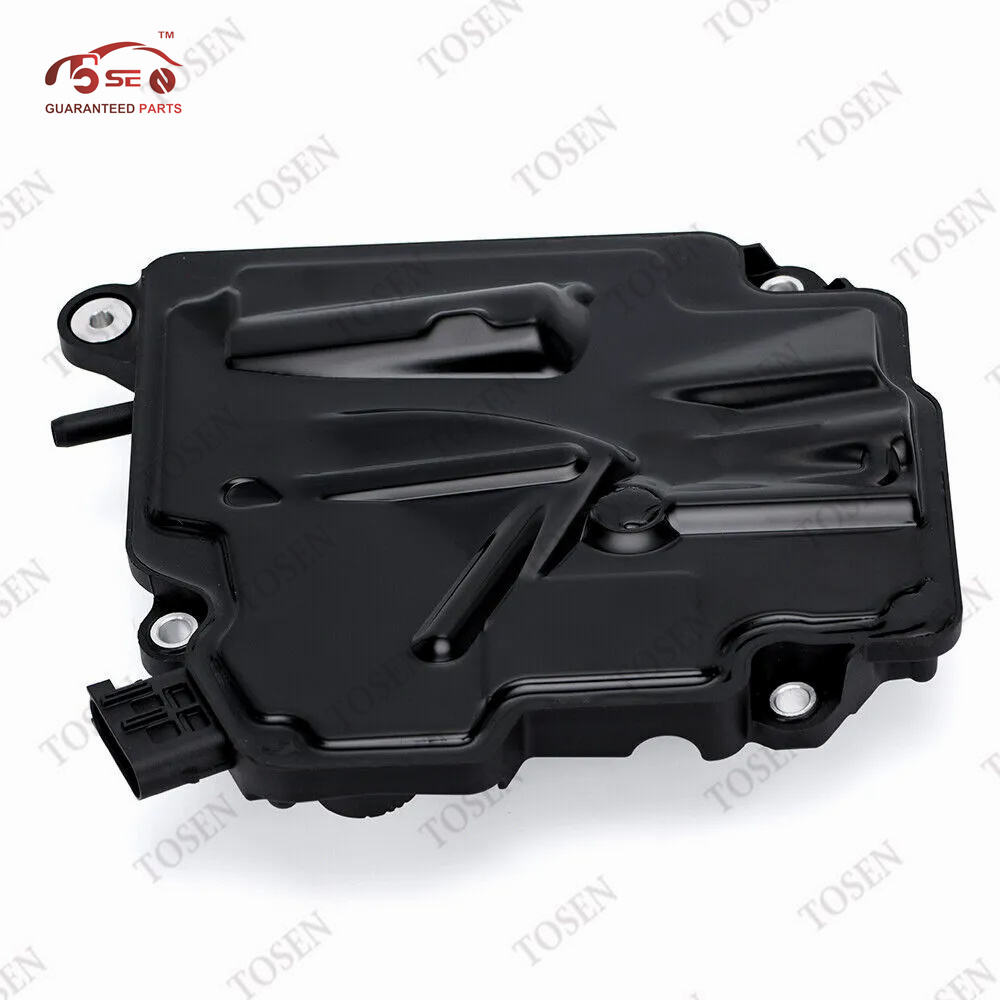
After installation, two setting steps are required. The first is a basic setting of the mechatronic, which teaches the TCU the zero points of the pressure solenoids and the speed sensors. The second is a SCN coding pass that writes the VIN and the configuration to the new plate. Both steps are within the scope of a workshop tool such as Xentry, and aftermarket tools that support the 722.9 platform cover them as well. A unit that returns no fault after a road test and a setting pass is the goal; a unit that returns the same code within a week usually points to a valve-body problem the plate replacement did not address.
For a broader look at how the plate fits into the mechatronic relative to other 7-speed TCUs, the related technical guide on transmission control units walks through the same architecture for the DSG, CVT and 7G-Tronic platforms.
On warranty, a defect in the plate itself is a supplier issue and is normally covered for at least twelve months on an OE-grade aftermarket part. A failure caused by a contaminated valve body, a low-fluid event, or a missed basic setting is an installation issue and is not covered. A written agreement at the time of order that lists what the supplier warrants and where the installer’s responsibility starts makes any later dispute far easier to resolve.
What to Confirm Before You Order
Before a plate is shipped, four pieces of information should be on the order: the full VIN, the OE suffix on the original plate (for example A0002702600), the TCU software index letter, and a clear photo of the old plate’s label. A supplier that asks for all four is following the right process; one that asks only for model and year is taking a risk you will pay for later. On arrival, confirm the suffix on the box matches the suffix on the plate, and that the plate is packed in an anti-static bag inside a rigid box with a dry, oxidation-free fluid side. Photographs at unboxing are the cleanest record for any later warranty claim.
Frequently Asked Questions
Which fault codes are the strongest signal that the 722.9 plate is the fault?
Two or more of the speed-sensor codes (P0715 / P0716 / P0717 / P0718 / P0720 / P0721 / P0722 / P0723) at the same time, combined with a solenoid-supply code such as P2206, are the most reliable indicators. A single sensor code is more often the sensor or the wiring than the plate.
Are the A0002701700, A0002702600 and 2202702406 suffixes interchangeable?
No. Each suffix maps to a different mechatronic generation (VGS1, VGS2, VGS3). The plate will physically fit, but the calibration will be wrong and the original codes will return. Always match the suffix on the original plate’s label.
Does a replacement plate ship blank or pre-programmed?
Most aftermarket plates ship blank and require a SCN coding pass with Xentry/DAS or a compatible aftermarket tool. Some suppliers offer a pre-programmed profile that still needs a final VIN write. Confirm the state of the unit at the time of order, because the coding step changes the total cost.
Can I reuse the valve body when I fit a new plate?
Yes, on a clean and dry valve body. Replace the seal between them and never reuse the old one. If the valve body shows varnish, clutch material, or burnt smell, clean or replace it before fitting the new plate.
What does a proper bench test of the plate look like?
A bench test records the resistance of each sensor circuit, the isolation between adjacent tracks, and a thermal-cycle pass at elevated temperature, matched to a known-good reference. A “tested” label without data is not a tested plate.
Is a software failure covered by the supplier’s warranty?
No. A defect in the plate hardware is a supplier issue and is covered. A failure caused by a missed basic setting, a contaminated valve body, or a low-fluid event is an installation issue and is not covered. Get the split in writing before you order.
Get a Fitment-Confirmed Quote
Submit your VIN, old-part label / OE number, model year, quantity, and destination port to receive a fitment confirmation and a quote. The same identifiers that prove the plate is the right one are the identifiers that close the order and the warranty file, so keeping them in one thread keeps the process clean.
References
- Sonnax / Mercedes service bulletin on 722.9 plate diagnostics — cloudfront.net 225740-01K
- MercedesMedic — 722.9 valve-body / conductor-plate failure overview — mercedesmedic.com
- UpFix — 722.9G TCM conductor plate repair and fault-code list — upfix.com