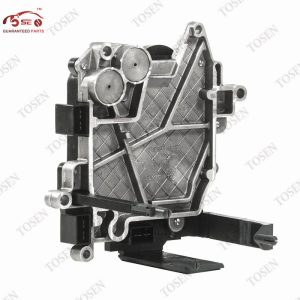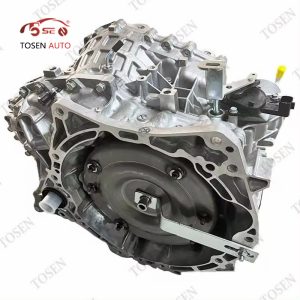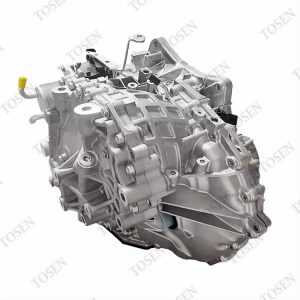
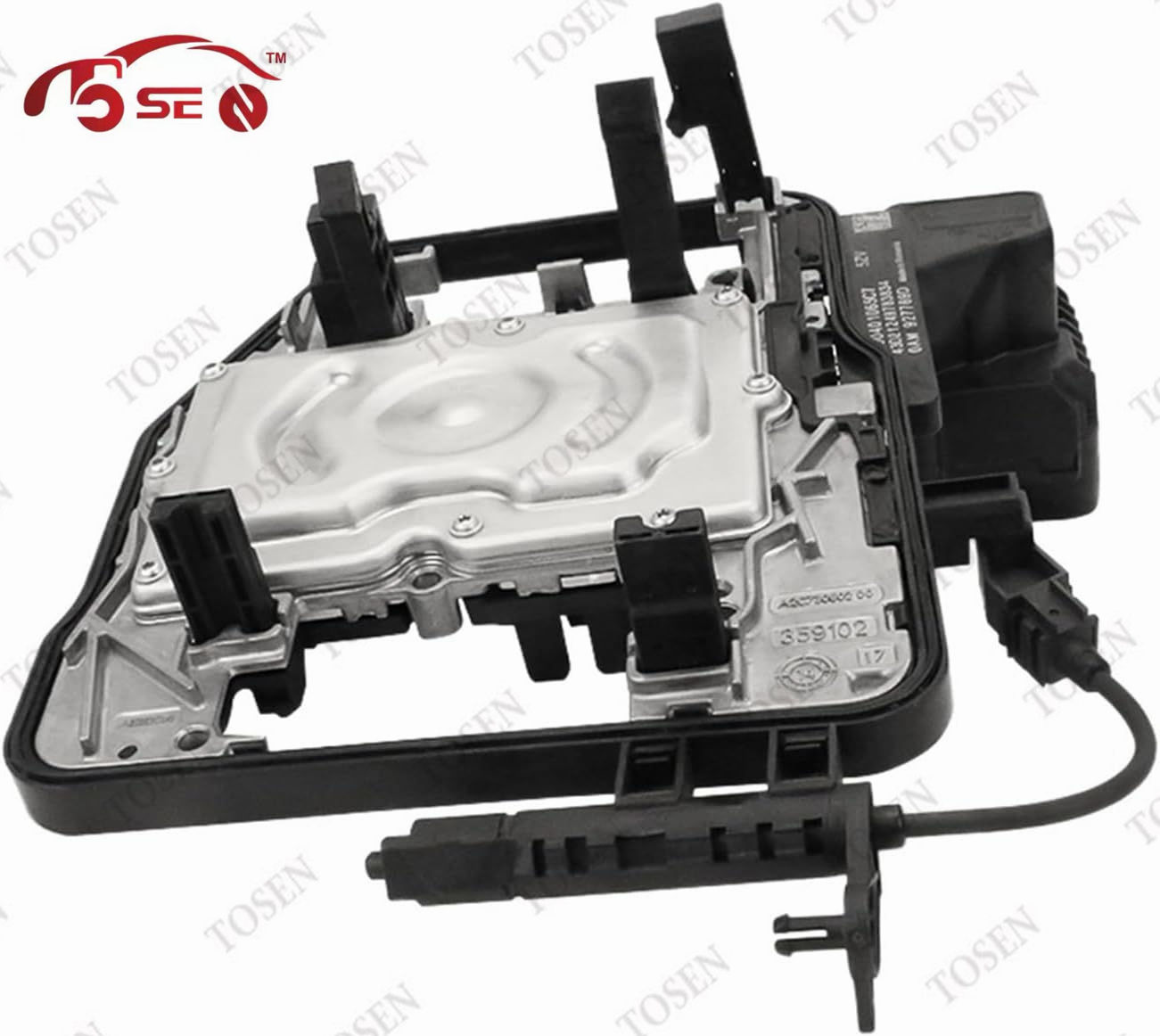
The 0AM927769D DQ200 TCU is the electronic brain of the Volkswagen Group’s 0AM 7-speed dry-clutch DSG gearbox. When it fails, the car often goes into limp mode, loses odd or even gears, or refuses to select reverse — and the fix is usually a replacement transmission control unit rather than a full gearbox. This guide walks through what the part number really means, how to confirm it fits your vehicle, whether to buy a blank or pre-programmed module, and the checklist you should run before and after installation.
Does 0AM927769D Fit Your Vehicle, and Can a Different Suffix Replace It?
Fitment for a DSG control unit is not a model-name question. It is a part-number question. The 0AM927769D belongs to the 0AM (DQ200) family, and the letters at the end of the number — A, B, C, D and others — mark hardware and software revisions released in different model years. A revision letter is not a guarantee of interchangeability, and it is also not an automatic barrier. The correct answer depends on the vehicle’s software index, engine type, and build date, which is why a responsible supplier asks for your VIN before confirming anything.
Two pieces of evidence make this step safe. First, your old unit’s own label: the sticker on the failed TCU carries the exact OE number, and matching that label beats every guess based on “it looks the same.” Second, public parts listings such as GM Spares Australia’s 0AM927769D product page confirm the number belongs to the DQ200 family and is used in VW and Audi DSG applications, which gives you a neutral cross-check before you commit. Take a clear photo of the old label and keep the VIN of the target car ready — both will be asked for.
The DQ200 is a dry-clutch DSG, which means it uses no oil-filled multi-plate packs; the mechatronic unit controls two dry clutches and the shift forks directly. This makes the control unit particularly sensitive to voltage, heat, and internal electronics failure. When symptoms appear as a flashing gear indicator on the dash, hesitation, or sudden loss of drive, the TCU is a prime suspect.
You can see the exact unit we supply for this application on our DQ200 0AM927769D DSG Automatic Transmission TCU page, which lists the supplied configuration and the application it covers.
- Old TCU label photo (the OE number is decisive).
- Full VIN of the target vehicle.
- Model year and engine type of the car.
- Current fault codes from the gearbox (photo or scan).
- Confirmation of the software index if you already know it.
Blank Module or Pre-Programmed: What State Should the TCU Ship In?
This is the question that separates a smooth job from a tow truck. A blank module is an unprogrammed control unit that must be coded and adapted with dealer-level diagnostic tooling before the car will drive. A pre-programmed unit is written with software before shipping, so it is closer to a plug-and-play fit once fitment is confirmed. Both options exist in the market, and both are legitimate — but you must know which one you are buying before you pay.
Volkswagen Group vehicles also use component protection and anti-theft measures that tie the control unit to the vehicle. A used or swapped TCU can trigger these protections even when the hardware is perfectly good, and clearing them requires diagnostic equipment that can talk to the immobilizer system. Some specialist repair shops clone the data from the old unit onto a replacement, which is another valid route. The takeaway: the question “is this module blank, pre-programmed, or cloned?” is not optional, and a supplier that cannot answer it clearly should be treated as a risk.
Our full range of transmission control units and mechatronics covers programmed and configurable options for DQ200 and other DSG families, so you can compare what is actually available before you decide.
Does the TCU Come With the Mechatronic Valve Body?
The mechatronic unit is the combined electronic-and-hydraulic assembly that sits inside the DSG housing. It contains the control board, the sensors, and the hydraulic valve body all in one sealed unit. Some failures live only in the electronics, but many DQ200 mechatronic failures involve the hydraulic side — sticking valves, worn seals, or internal leakage — which a bare TCU board cannot fix on its own.
Because of this, the supply boundary matters. A TCU-only replacement keeps the cost down but assumes the hydraulic part of your old mechatronic is healthy. A complete mechatronic assembly includes both the electronic control unit and the valve body, which removes that assumption. Before ordering, ask directly: does the price include the valve body, the sensors, and the hydraulic block, or is this just the electronic board? A good supplier will tell you exactly what is in the box rather than letting you assume.
If you are doing the diagnosis yourself, guides from independent specialists — such as MercedesMedic’s must-read page on mechatronic valve bodies and conductor plates — show why separating electronics from hydraulics is the correct first step in any DSG-level diagnosis. That method applies to DQ200 just as it does to other dual-clutch families.
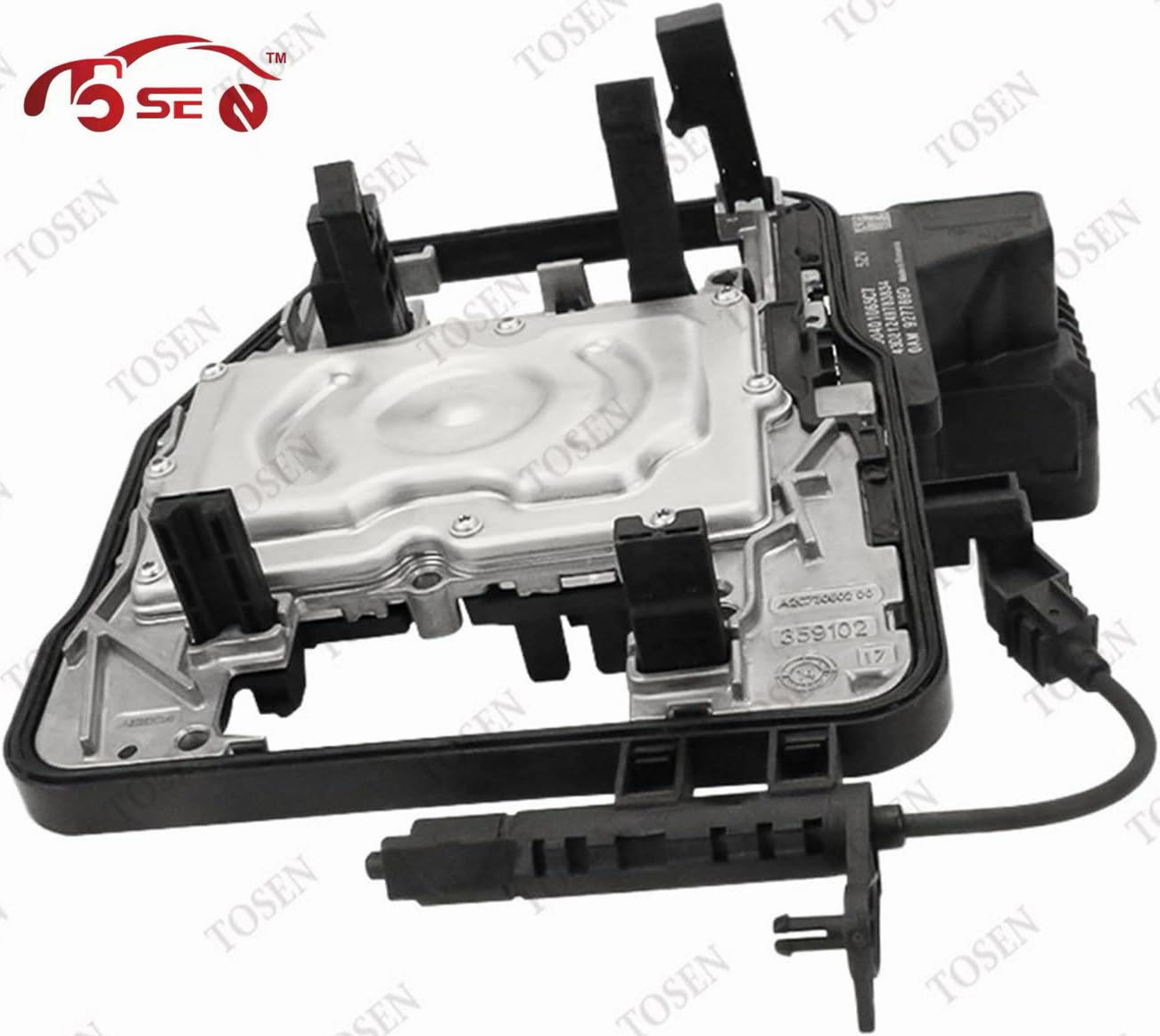
Bench Tested Before Shipping: What Evidence Should You Demand?
Any replacement control unit should be tested before it leaves the factory or the repair bench, and the proof of that test is your single best buying signal. Ask for a bench-test report that covers power-up, communication with a scan tool, shift-solenoid actuation, and temperature behaviour. A seller who can show documented test results is far safer than a seller who only promises that the unit is “new” or “tested.”
For the DQ200 specifically, look for evidence that the mechatronic was run through its range — that the control board communicates on the bus, that the pressure system holds, and that the shift forks respond. The VW DQ200 service documentation, such as the 01K instruction sheet available in public archives, explains the mechatronic handling and testing points that a competent bench test should follow. You do not need to run a full workshop test yourself; you need to confirm the supplier’s bench test covers the same points.
Installation, Basic Setting and the First Drive
After the TCU or mechatronic is fitted, the job is not finished. The DQ200 needs a basic setting (also called adaptation or learning) after installation so the control unit can learn the clutch touch points and the gear positions. Without this step, you can see rough engagement, delayed starts, or a warning light even with a perfect unit.
Plan the workflow before the parts arrive: fit the unit, clear fault codes, run the basic setting with diagnostic tooling that supports DSG adaptation, then test-drive through all gears in both automatic and manual modes. Note any residual codes and the shift feel. If the unit was pre-programmed for your exact VIN family, this step is usually quick; if it is a blank or cloned module, expect more coding work and book the shop time accordingly.
For the differences between a TCU, a mechatronic, and related DSG control systems, our related technical guide on TCU, DSG and CVT control units explains the technology in plain terms and helps you explain the job to your customer or your manager.
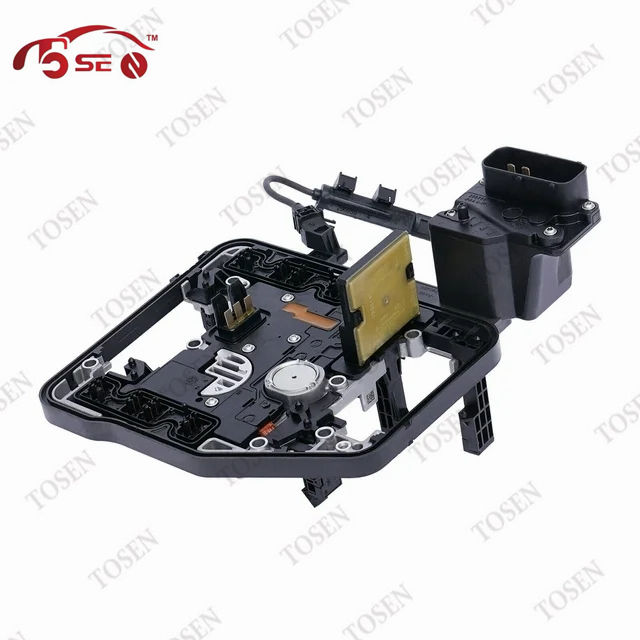
What Does the Warranty Actually Cover (Including Software)?
Software is the most misunderstood part of a TCU warranty. Ask in writing whether the warranty covers the hardware only, or also programming and adaptation issues. A hardware-only warranty is normal, but if a pre-programmed unit arrives with the wrong software index, that is a programming fault — and you want to know before you install it whether the seller treats that as a covered defect.
Also confirm when the warranty period starts and what proof you need. A bench-test report and the old-unit photo you took in step one become your records. Keep them with the invoice, because they are what a claim will be judged against. Clear terms at purchase time prevent an argument months later.
Frequently Asked Questions
Can 0AM927769A, 0AM927769B or 0AM927769C replace 0AM927769D?
Sometimes yes, but never assume it. The suffix letter marks a hardware and software revision. Fitment depends on the vehicle’s software index and build date, so cross-check the old label and VIN with the supplier before ordering.
Should I buy a blank module or a pre-programmed TCU?
A pre-programmed unit is closer to plug-and-play once fitment is confirmed. A blank module must be coded with dealer-level diagnostic tooling. Choose based on the tooling you have available and the vehicle’s software requirements.
Is the valve body included with the 0AM927769D TCU?
It depends on the listing. A bare TCU is only the electronic control board. A complete mechatronic includes the hydraulic valve body and sensors. Always ask what is in the box before paying.
What does “bench tested” mean and why does it matter?
It means the unit was powered up and tested for communication, solenoid actuation, and temperature behaviour before shipping. Ask for the test report — it is the strongest proof that the unit is not dead on arrival.
Will component protection or anti-theft coding block my replacement TCU?
It can. VW Group vehicles can lock a swapped control unit until it is coded to the car. Confirm whether the seller provides support for coding or component-protection clearing, and factor that into your labour plan.
Does the warranty cover software problems?
Ask before you buy. Many warranties cover hardware only, and programming faults may be excluded. Get the software and adaptation coverage in writing.
Get a Fitment-Confirmed Quote
Submit your VIN, the old-part label / OE number, model year, quantity, and destination port to receive a fitment confirmation and a quote. The same identifiers that prove fitment — the old 0AM927769D label and the VIN — become the records used to ship the correct DQ200 TCU, in the programming state and scope you actually need.
References
- GM Spares Australia — 0AM927769D product listing (public confirmation of the OE number and DQ200 application): gmsspares.com.au/product/0am927769d
- MercedesMedic — mechatronic valve body and conductor plate must-read (diagnosis methodology): mercedesmedic.com
- VW DQ200 01K instruction sheet (public service archive): 225740-01K-IN.pdf