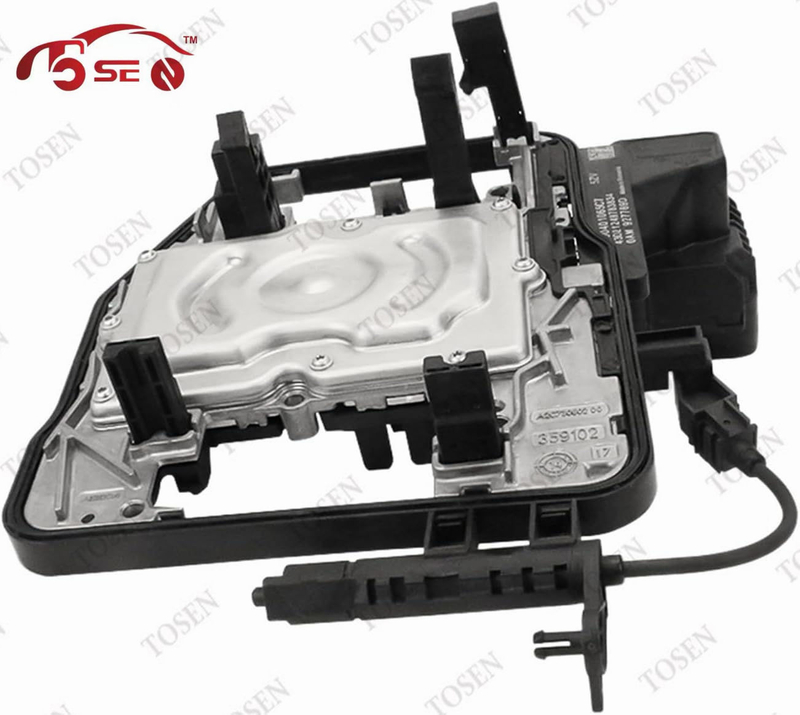
The 0AM927769K is one of the most searched part numbers in the Volkswagen and Audi 7-speed DQ200 (0AM) DSG world. In the aftermarket you will also see the very similar 0AM927769D, and buyers constantly ask whether the two suffixes are the same part. The short answer is that they belong to the same mechatronic family but are not always a straight swap. This guide explains what the suffix letter means, what arrives in the box, how programming and valve-body scope change the job, and the exact checks to demand before you pay.
Can a 0AM927769K Replace a 0AM927769D Directly?
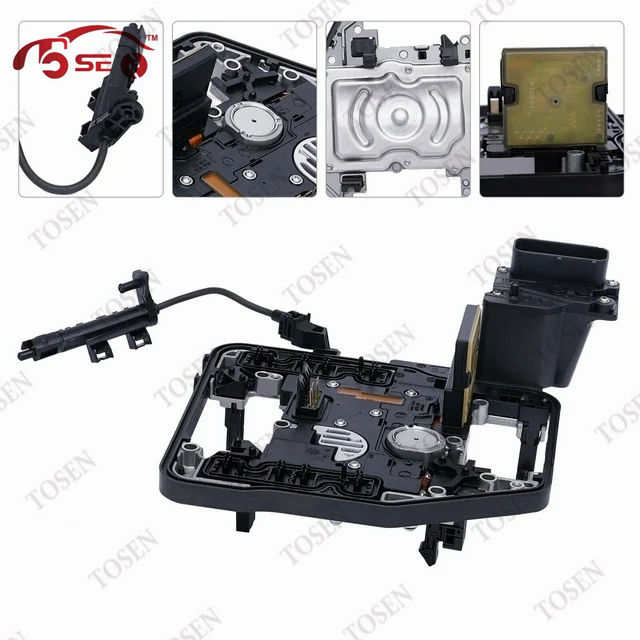
The DQ200 is a 7-speed dry-clutch DSG used across the VW Group small-car range: Golf, Polo, Jetta, Passat, Touran, Audi A1, A3 and similar models from the mid-2000s onward. Its mechatronic unit combines two jobs in one housing. First, it holds the transmission control unit (TCU), the circuit board that decides when to shift. Second, it holds the electro-hydraulic valve body, the block of valves and solenoids that actually moves the clutch pistons and gear-selector forks.
The OE part number 0AM 927 769 has a letter suffix, and published parts data lists revisions from A through Q. The D and E suffixes are early revisions. The K and L suffixes came later with updated electronics and revised software calibration, and the N, P and Q suffixes are the newest generation. In VW’s own catalogues a newer revision usually supersedes an older one, which is why many dealers now stock the K unit as the replacement for an original D unit.
But “usually” is not “always.” Whether a K-suffix module can replace a D-suffix unit depends on three things you must confirm: the gearbox code stamped on the transmission, the model year and electronics generation of the car, and the connector and pinout of the old unit. The gearbox code matters most. Two DQ200 boxes built in different years can carry different sensors, different pump wiring, and different software generations, even though the mechatronic housing looks identical from the outside.
That is why a careful supplier asks for the VIN and the old-part label before quoting, and why a listing that claims one mechatronic fits every DQ200 ever built should be treated with caution. When the suffix question comes up, the safe process is to match the gearbox code first, then let the supplier confirm the exact module. You can see the unit we build around this exact OE number on our High Performance 0AM927769K Transmission Control Module for Audi VW DQ200 DSG page, which lists the fitment scope and supplied configuration.
Blank Module or Pre-Programmed Unit: What Arrives in the Box?
The second question every workshop asks is whether the new module comes ready to run. Suppliers offer two broad options, and the words they use are not always the same.
A blank module is a new unit with no software loaded. It must be programmed with the correct software version for the gearbox before the car will drive, using a VW-compatible diagnostic tool. A pre-programmed unit carries software already, but that does not mean you can simply bolt it on. Most DQ200 mechatronic swaps still require basic settings or adaptation after installation, because every clutch wears at a slightly different rate and the module has to learn the exact engagement points of your clutches.
There is also the question of cloning, immobilizer data and component protection. VW Group electronics are designed to prevent a module from being moved between vehicles. A used module often carries the previous car’s coding, and component protection can lock it to the original vehicle. A supplier selling a used or cloned unit must explain how that is handled before you fit it. Ask directly: is this unit new and blank, new and pre-programmed, or rebuilt from a used core? And does it need coding, cloning, or basic settings after install?
The difference matters for price and for labour. A blank module is usually cheaper but adds programming time and risk if you do not have the right tooling. A pre-programmed unit is more convenient but you should still confirm the software version matches your gearbox code. For the full range of what we supply in this area, browse our transmission control units and mechatronics category and compare the configurations on offer.
Is the Valve Body Part of the Mechatronic Unit?
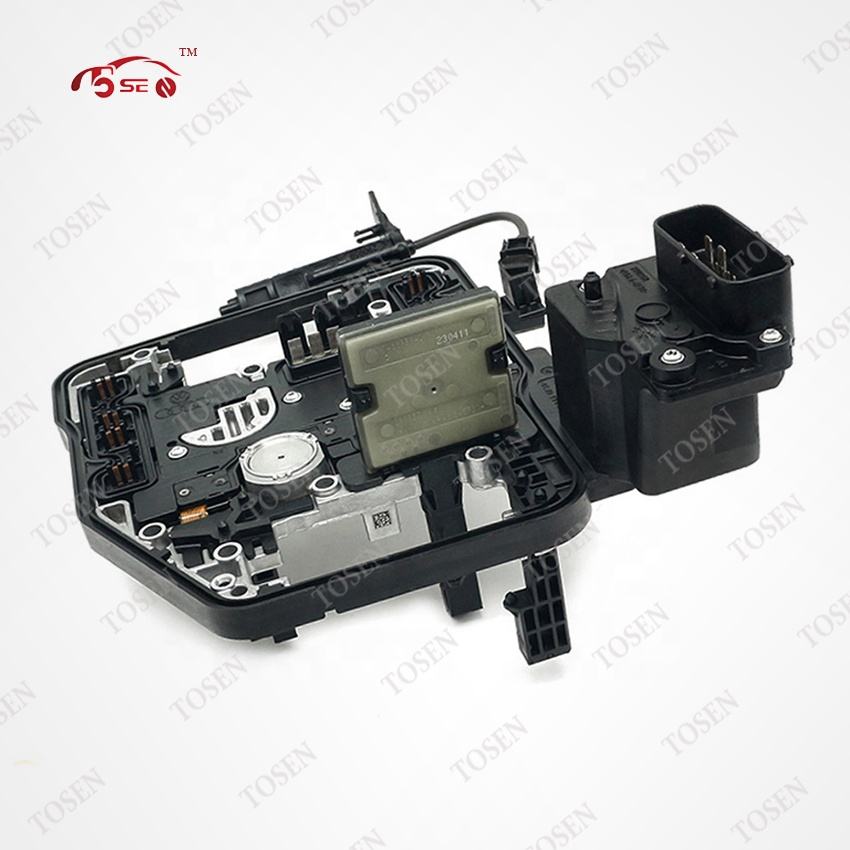
In the DQ200, the TCU board and the valve body are physically joined in one mechatronic housing, but suppliers do not always sell them together. Some listings sell the electronics only. Others sell the complete mechatronic assembly, including the hydraulic valve body and its solenoids.
This distinction decides a large share of comeback failures. If you fit a new electronics board onto a worn valve body, the new TCU has to work with tired solenoids and sticky valves, and the original problem can return within months. If the listing is for the complete mechatronic, the valve body and solenoids are new or refurbished as part of the assembly, which is normally the stronger fix.
Before you order, ask what exactly is in the box: the board only, or the complete mechatronic with valve body and solenoids? Ask which parts you must transfer from your old unit, and whether a new oil seal or gasket kit ships with it. A written answer protects both sides, because the scope of the supply decides the labour plan and the warranty boundary.
Bench Testing and the Checks to Demand Before Installation
Bench testing is what separates a professional mechatronic supplier from a parts re-seller. On a test bench, the module is powered up outside the car and checked for hydraulic pressure build, solenoid response, and correct gear-selection logic. A unit that passes a bench test is far less likely to fail on first start than one that has only been visually inspected.
Ask the supplier three questions about testing. First, is this unit bench tested before shipping? Second, can you provide the test result or the pressure figures with the invoice? Third, what is your pass standard — a basic electrical check, or a full hydraulic and shifting test? A supplier who cannot describe its test standard should be treated as a higher-risk option.
After installation, the DQ200 mechatronic swap is not finished when the module is bolted on. The unit normally needs basic settings or adaptation using a diagnostic tool so it can learn the clutch engagement points. If you are fitting a used or coded unit, VIN coding may also be required so the module communicates correctly with the rest of the car. Plan the job in three steps: mechanical install, software/coding step, then adaptation and road test. For a deeper explanation of how these modules work, see our related technical guide on TCU, DSG and CVT electronics.
Run this checklist before you accept a quote:
- Gearbox code and model year of the car (decisive for suffix match).
- OE number and suffix of the old unit, read from the label.
- Blank, pre-programmed, or rebuilt-from-core — in writing.
- Valve body and solenoids included or transferred from the old unit.
- Bench-test result or test standard available.
- Coding, cloning, and basic-settings responsibility after install.
What Warranty Actually Covers
Mechatronic failures are not always hardware failures. The hydraulic pump, solenoids and pressure sensors can be fine while the software is corrupt or the module has lost its coding. That is why the warranty question matters: does the cover include software and programming faults, or only physical defects?
Ask for the warranty terms in plain language. Does it cover the electronics board? Does it cover the valve body and solenoids? Is a software fault or coding error covered, or is that treated as installer error? Where does the supplier’s responsibility end and your first-start responsibility begin? Many warranty disputes on DQ200 modules come down to exactly this line, so settle it in writing before money changes hands.
Industry repair instructions for the DQ200 mechatronic swap, such as the OE fitting instructions referenced below, describe the standard procedure: remove the old unit, install the replacement, carry out basic settings, and test-drive. A supplier that follows this documented workflow — and can prove its unit passed a bench test — gives you a much cleaner warranty path than one selling a module with no test evidence at all.
Frequently Asked Questions
Can I fit a 0AM927769K when my car originally had a 0AM927769D?
In many cases yes, because the K suffix is a later revision of the same mechatronic family and often supersedes the D in VW’s own catalogues. But the safe answer is to confirm your gearbox code and model year first. The electronics generation, connector pinout and software calibration can differ between builds, so a VIN or gearbox-code check removes the guesswork.
Do I need to program the new DQ200 TCU after fitting it?
Almost always. A blank module needs software loading before the car will drive. A pre-programmed unit still normally needs basic settings or adaptation after installation so the module learns the clutch engagement points. Used or coded units may additionally need VIN coding and protection clearing. Confirm what your supplier covers before you order.
Is the valve body included with a 0AM927769K module?
It depends on the listing. Some sell the electronics board only, others sell the complete mechatronic assembly with the hydraulic valve body and solenoids. Fitting new electronics to a worn valve body is a common cause of repeat failure, so always ask what exactly is in the box and which parts transfer from the old unit.
What is component protection on a DQ200 mechatronic?
It is a VW Group protection system that can lock an electronic module to the vehicle it was first coded to. A used module can carry the previous car’s coding and refuse to work properly in yours. Ask the seller how coding, cloning and protection clearing are handled before you fit a used or rebuilt unit.
Do I need to do basic settings after a mechatronic swap?
Yes, in most cases. The DQ200 module learns the exact clutch engagement points during adaptation, and skipping this step is one of the most common causes of harsh shifts or a gearbox that will not settle after a mechatronic replacement. The documented DQ200 repair procedure always includes the basic-settings step before a road test.
Is a software fault covered by the warranty?
It depends on the supplier. Some warranties cover only physical defects, while others include software and programming faults. Ask for the warranty terms in writing and check where the supplier’s responsibility ends and your installer’s begins, especially around coding, cloning and first start.
References
- OE fitting instruction for the DQ200 mechatronic replacement (225740-01K-IN): PDF instruction file
- Published 0AM 927 769 variant guide covering D, E, K, L, N, P and Q revisions: FDY Automotive — DQ200 0AM 927 769 mechatronic variant codes
Get a Fitment-Confirmed Quote
Choosing between a 0AM927769K and a 0AM927769D should never be a guessing game. Submit your VIN, the old-part label or OE number, the model year of the car, the quantity you need and your destination port, and get an adapter-confirmed quote from TosenAuto. We confirm fitment against your vehicle data, state the programming and valve-body scope in writing, and crates the module for safe sea freight. Send the details and we will confirm the exact 0AM927769K unit for your application.