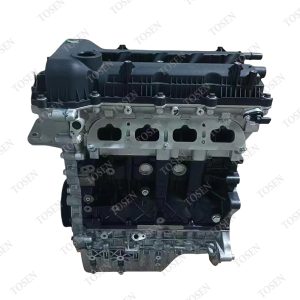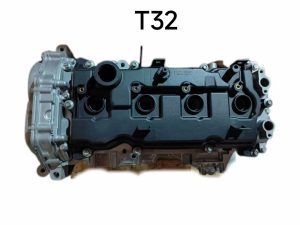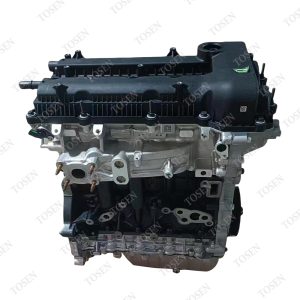
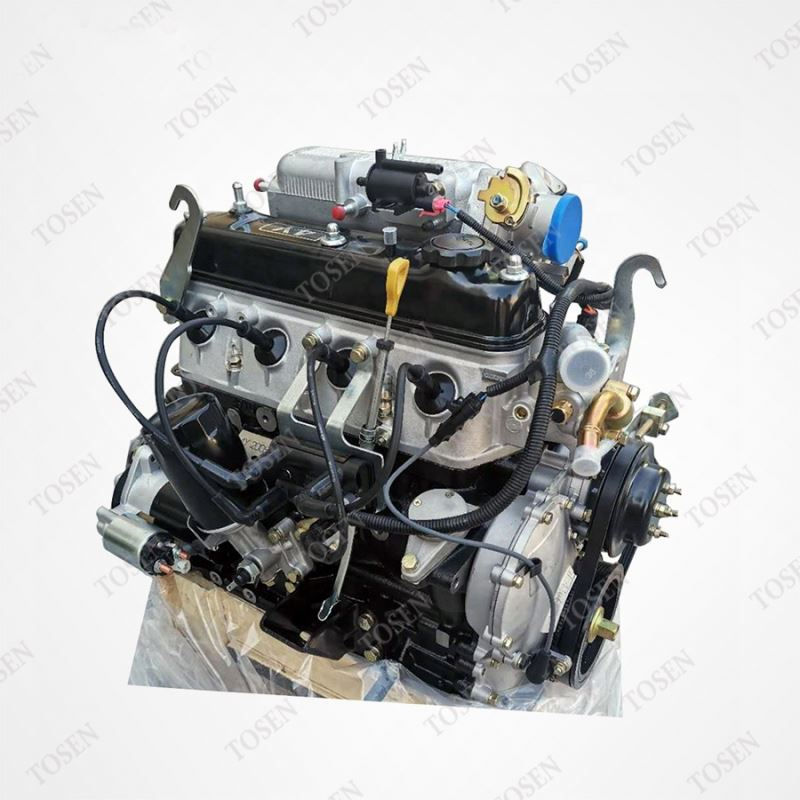
The 1RZ engine long block is the 2.0-litre petrol heart that powered a huge share of Toyota Hilux pickups, Hiace vans, Revo and Kijang models from the late 1980s into the 2000s. When the original unit loses compression, overheats, or suffers a cracked head, a long block is often the most practical fix — it costs less than a complete engine while still arriving with the head already installed. This guide walks you through the exact checks: how to confirm fitment with your VIN, what a long block includes, how to verify condition before you pay, and how to protect the unit during sea freight.
Does a 1RZ Long Block Match Your VIN and Engine Code?
Fitment starts with the engine code stamped on the block, not the model name. The 1RZ is a 2.0-litre, four-cylinder, SOHC petrol unit, while the closely related 1RZ-E is the fuel-injected version of the same family. A Hilux listed as “2.0i” can carry either code depending on year and market, so a visual guess is not enough. Toyota’s published repair manuals show exactly where the engine serial is stamped and how to read it against the vehicle record — the code is something you verify, not assume.
Before you order, line up three identifiers: the full VIN, the engine code on the old block, and the model year and body style of your Hilux. The VIN is the decisive one, because it locks down the regional build, the emission calibration, and the accessory layout. A supplier that asks for the VIN first is following the correct process — it removes the guesswork that causes wrong shipments and costly returns.
The 1RZ sits between the smaller 1RZ family’s stablemates and the larger 2RZ (2.4L) and 3RZ (2.7L) units. They can look alike in a bay, but they share almost no internal parts, so an incorrectly matched block means a wasted crate and weeks of downtime. The engine code and VIN are the only reliable way to tell them apart. You can see the exact unit built for this application on our Engine Assembly 1rz Engine Long Block for Toyota Hilux VI Pickup product page, which states the supplied configuration and the Hilux VI fitment it covers.
Run this quick checklist before you request a quote:
- Full VIN of the target vehicle (decisive for variant).
- Engine code stamped on the block (1RZ or 1RZ-E).
- Model year and body style (single cab, double cab, extra cab).
- Fuel system — carburettor or EFI (1RZ-E).
- OE number or label from the old failed engine, if available.
When Does a 1RZ Need a Long Block Instead of a Repair?
Not every 1RZ failure calls for a long block. A leaking injector seal, a faulty coolant sensor, or a single bad spark plug is a repair, not a core swap. A long block becomes the right answer when the damage reaches the sealed internals of the engine.
The common triggers are predictable. Prolonged overheating can warp the head and pull the cylinder bore out of round. A spun bearing or a scored crankshaft means the bottom end is finished. Loss of compression across two or more cylinders, especially with blow-by at the oil filler, points to ring, liner, or valve-seat damage. Once both the head and the block need major machine work, the labour to rebuild can quickly exceed the cost and risk of a supplied long block.
The practical test is simple: get a compression and leak-down reading on the old engine before you make a decision. If the numbers are well below the specification in the workshop manual, stop quoting individual parts and move to a long-block conversation. That reading also becomes your baseline when you later compare a supplier’s as-shipped test data.
What a 1RZ Long Block Includes — and What You Still Reuse
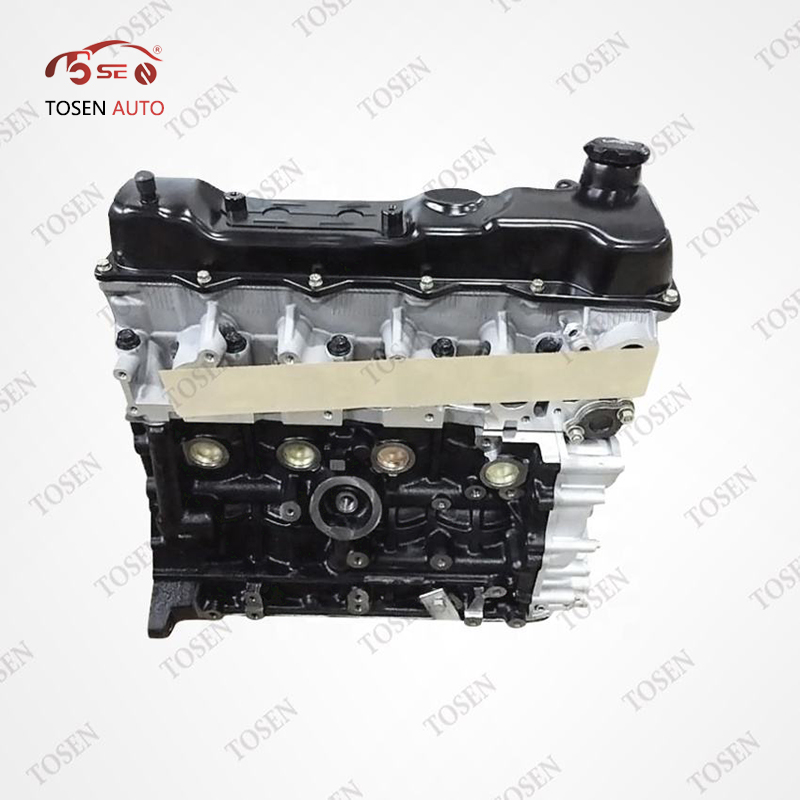
A long block sits between a short block and a complete engine, and the boundary matters because it tells you what you must transfer from your old engine and what labour to plan for. The table below keeps the three options straight.
| Assembly type | What is included | What you reuse from the old engine |
|---|---|---|
| Short block | Block, crankshaft, pistons, rods, bearings | Head, valvetrain, manifolds, EFI and accessories |
| Long block | Short block plus cylinder head, valvetrain, camshaft, timing cover and gasket set | Intake/exhaust manifolds, EFI components, sensors, front dress |
| Complete engine | Long block plus manifolds, EFI, alternator and most accessories | Minimal — often just harness, mounts and body |
Because a long block usually excludes the intake and exhaust manifolds, fuel-injection parts and sensors, it costs less than a complete engine but needs a careful teardown of the donor. Plan your labour around the transfer parts, and confirm with the seller which gaskets and seals ship in the box. A complete gasket set for the reused manifolds saves a second parts order mid-build. To compare what ships with each option across our catalogue, browse our engine assemblies and long blocks category.
New or Remanufactured — and How to Verify Condition
Both new and remanufactured 1RZ long blocks are on the market, and each has a place. A new unit uses fresh castings and components throughout. A remanufactured unit starts from a used core that is machined back to specification. Either can be perfectly sound, but the proof is in the test data, not in the label.
Ask for two results on every unit: a compression test across all cylinders and an oil-pressure check at operating temperature. Independent buying guides such as United Engine’s replacement-engine guide make the same point — verified compression is the single best signal of a healthy bottom end. Toyota’s workshop manual defines the compression and oil-pressure test procedure, so you can ask a seller to follow the same standard you would use in your own bay.
If a seller cannot show a compression or oil-pressure figure, treat that as a risk flag. For a workshop or a fleet, documented test results also protect you when a warranty question comes up later, because they set the baseline the engine shipped with. New units avoid core variability; reman units usually cost less but need verified machining and crack-test records to be trustworthy.
Crating, Sea Freight and the First-Start Responsibility Line
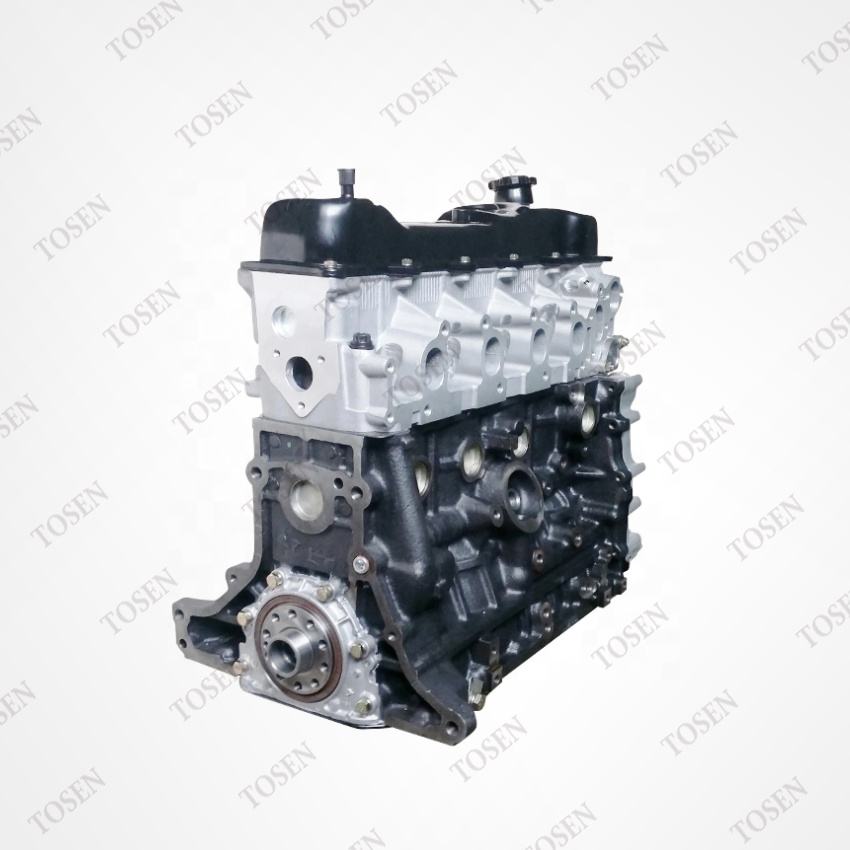
Most 1RZ long blocks cross an ocean in a wooden crate. Good crating is not packaging theatre — it stops the bare machined surfaces from corroding and keeps the casting from cracking in transit. On arrival, inspect the crate before you sign, and photograph any damage while the carrier is still present. If the crate is dented, wet, or punctured, note it on the delivery document before touching the unit inside.
The second half of the deal is the first-start line. A long block is a machined assembly, not a tuned, running engine. You must fit your manifolds, EFI components and sensors, then prime the oil system and carry out a controlled first start. Agree in writing where the supplier’s responsibility ends and your installer’s begins — that boundary decides most warranty outcomes.
A clean first start protects both sides. Pre-fill the oil filter, crank with the fuel pump disabled to build oil pressure, then start and watch for unusual noise, smoke and temperature. Note the cold compression and oil-pressure figures and keep them with the invoice — they are the reference point for any later claim. For the full decision process across Hiace and Hilux variants, see our related technical guide on choosing the right engine assembly.
Frequently Asked Questions
How do I confirm a 1RZ long block fits my Hilux exactly?
Match your VIN, the engine code stamped on the block (1RZ or 1RZ-E), and the model year. Share all three with the supplier so they can confirm the carburettor or EFI variant and the bellhousing pattern before anything is crated.
Is a 1RZ long block the same as a complete engine?
No. A long block adds the cylinder head, valvetrain and camshaft to a short block, but it usually excludes the manifolds, EFI components, alternator and accessories. You transfer those from your original engine during installation.
Should I buy a new or remanufactured 1RZ long block?
It depends on budget and downtime. Both can be sound if the seller provides compression and oil-pressure test results. New units avoid core variability; reman units usually cost less but need verified machining and crack-test records.
What should I check the moment the crate arrives?
Photograph the crate and the block before unpacking. Look for moisture, a cracked casting, and damaged machined faces. Report any issue to the carrier and supplier before signing the delivery document.
Who is responsible if the engine fails after installation?
Warranty typically covers the supplied assembly against defects, not installation errors. The first-start line agreed before purchase sets where the supplier’s duty ends and the installer’s begins.
Get a Fitment-Confirmed Quote
Submit your VIN, old-part label / OE number, model year, quantity, and destination port to receive a fitment confirmation and a quote. This closes the loop: the same identifiers that prove fitment become the records used to ship the correct 1RZ long block for your Hilux, Hiace, Revo or Kijang.
References
- Toyota Hilux Repair Manual — engine code location and compression / oil-pressure test procedure: toyotamanuals.gitlab.io (Hilux manual)
- Toyota service manual — engine mechanical and inspection sections: toyotamanuals.gitlab.io (engine inspection)
- United Engine — Replacement Engine Buying Guide: unitedengine.com/replacement-engine-buying-guide