A replacement engine can be new and still be the wrong unit. A remanufactured engine can carry an impressive test claim and still lack the records needed to approve it. For a repair shop, fleet, or importer, either mistake can turn one engine purchase into two rounds of freight, labor, and downtime.
The decision starts before condition or price. First confirm the vehicle and engine identity. Then compare the exact included parts, required transfers, process evidence, test results, delivery controls, and warranty duties for the engine that will actually ship.
This new vs remanufactured engine comparison gives you a pass-or-reject framework. By the end, you can normalize two quotes, spot missing proof, assign responsibility through first start, and send a supplier-ready RFQ instead of relying on a label.
2 | ScopeNormalize the BOM and transfers.
3 | EvidenceMatch proof to the exact unit.
4 | HandoffControl delivery through first start.
Pass the Fitment Gate Before Comparing Condition
Scroll horizontally to compare columns
| Item | Description |
|---|---|
| Vehicle identity | VIN or chassis number, frame or model code, market, model year, drive layout, transmission, and emissions configuration. |
| Engine identity | Full engine code, serial number, displacement, fuel system, OE number, casting references, and visible labels. |
| Interface identity | Mounts, sump, bellhousing, flywheel or flexplate, manifolds, turbo, sensors, harness connectors, and control requirements. |
Use that hierarchy in order. A model name is discovery data, not final approval. The same platform can use different engines, sensors, emissions equipment, oil-pan shapes, or accessory layouts across markets and production dates. An engine-family code narrows the search, but serial, OE, casting, and interface details may still separate one usable configuration from another.
- Send the full VIN or chassis number and the frame or model code.
- Photograph the engine code, serial pad, OE labels, and casting marks.
- Record fuel system, aspiration, emissions equipment, transmission, and drive layout.
- Photograph the sump, mounts, bellhousing face, manifolds, turbo, sensors, connectors, and accessories.
- Ask the supplier to state any required transfers, calibration, or modification in writing.
- Reject fitment language such as should fit or same family unless the unresolved differences are listed and accepted.
SAE J129 addresses engine and transmission identification numbers, while current supplier guidance commonly asks for VIN, engine code, serial, or casting data. Use those identifiers as an audit trail, not as a promise by themselves. Both the new and remanufactured offer must pass the same written fitment gate before you compare condition, price, or warranty.
New vs Remanufactured Engine: What the Labels Actually Prove
A condition label answers one question: what is the seller representing this engine to be? It does not settle fitment, included scope, performance, service life, or warranty value. In US marketing, the FTC Used Auto Parts Guides prohibit presenting a used industry product as new and require clear disclosure of used or remanufactured status. The guidance also describes treatment required before rebuilt or remanufactured terms are used. Other markets can apply different rules.
Scroll horizontally to compare columns
| Decision point | New engine | Remanufactured engine | Buyer check |
|---|---|---|---|
| Previous use | Represented as unused | Contains previously used components | Written condition on quote, invoice, packaging, and unit |
| Who produced it | OEM, aftermarket manufacturer, or other named producer | Named remanufacturer or factory program | Legal entity, facility or program, and traceable ID |
| Internal work | Manufacturing and assembly records may be available | Disassembly, inspection, machining, replacement, assembly, and testing should be defined | Process sheet and parts-replacement criteria |
| Engineering state | May match a stated specification or revision | May restore a used core to a stated performance specification | Exact application, revision, limits, and deviations |
| Remaining uncertainty | Storage, preservation, scope, handling, fitment, and actual test evidence | Core condition, salvage limits, machining, reused parts, test method, and traceability | Unit-specific approval pack |
Remanufacturing programs are not interchangeable. Caterpillar, JASPER, and Powertrain Products each publish different process and test details for their own products. Those examples show what documentation can look like; they do not create a universal rule for every seller. The same caution applies to new engines. An unused assembly can still have unclear origin, long storage, corrosion, incomplete accessories, or the wrong configuration.
Decision rule
Use the label to define the claimed condition.
Use records tied to the exact unit or batch to judge purchase confidence.
If the seller cannot state condition, producer, scope, and evidence in writing, stop the comparison and request clarification.
Normalize the BOM and Total Installed Cost
Do not compare two engine totals until both suppliers complete the same scope sheet. A new bare engine can cost less than a remanufactured dressed assembly and still create the higher installed cost. A reman long block can look expensive while removing cylinder-head work and reducing transfers. Condition and assembly level are separate variables.
Scroll horizontally to compare columns
| Cost or risk line | New offer | Reman offer | Evidence required |
|---|---|---|---|
| Engine assembly | Quoted condition and exact BOM | Quoted condition and exact BOM | Line-item included/excluded list and exact-unit photos |
| Transfers | Manifolds, fuel system, turbo, sump, covers, sensors, harness, accessories | Same transfer categories | Supplier transfer list and installer labor estimate |
| Supporting systems | Cooling, lubrication, intake, exhaust, fuel, mounts, controls | Same systems plus any reman program requirements | Inspection and replacement plan |
| Logistics | Packing, preservation, freight, insurance, duty, receiving equipment | Same, plus core-return terms when applicable | Written Incoterm, dimensions, weight, crate and core policy |
| Time | Lead time, customs, installation, calibration, commissioning | Availability, core timing, installation, commissioning | Schedule with owner for each task |
| Failure exposure | Warranty parts, labor, freight, downtime, exclusions | Same categories | Full warranty and claim procedure, not a headline duration |
- Value reusable accessories only after inspection; do not assume every transferred part is serviceable.
- Add required fluids, filters, seals, hoses, mounts, coolers, cleaning, calibration, and consumables.
- Price removal and reinstallation risk if a supporting-system fault damages the replacement.
- Record the operational cost of a parked vehicle, occupied bay, missed route, or delayed customer job without inventing a universal daily rate.
- Keep core credit separate until eligibility, deadline, freight, and condition are accepted in writing.
The output should be one side-by-side worksheet with the same rows, currency basis, Incoterm, destination, quantities, and timing assumptions. If a supplier cannot define the BOM or exclusions, keep that offer in clarification status. A low engine price is not a saving until the remaining work and risk have owners.
Set a Different Evidence Bar for New and Reman Engines
Start with evidence that identifies the unit, then ask for proof appropriate to its condition. A generic factory video, sample report, or quality statement can explain capability, but it does not show what happened to the engine in your crate. The approval pack needs an engine serial, job or batch reference that matches the quote, photos, packing list, and test record.
Scroll horizontally to compare columns
| Evidence | New engine offer | Remanufactured engine offer | Pass condition |
|---|---|---|---|
| Condition and origin | Unused status, producer, part/serial or batch, manufacture or storage information | Used-content disclosure, named remanufacturer, core/job/serial trace | Documents and markings agree |
| Build scope | Exact BOM, revision, excluded accessories, preservation | Exact BOM, reused/restored/new parts, machining and replacement criteria | No material scope conflict |
| Dimensional or process control | Applicable production/inspection record or certificate | Cleaning, crack inspection, machining, clearances, assembly controls | Method and acceptance basis are named |
| Functional evidence | Rotation, leak, pressure, electrical or run test as applicable to assembly level | Compression, oil-system, leak, timing or run data as applicable | Units, limits, actuals, date, and traceable ID are present |
| Release and packing | Final inspection, openings sealed, corrosion protection, crate photos | Same controls plus core-related records when relevant | Released unit matches shipment |
| Warranty | Start, parts, labor, freight, exclusions, claim authorization | Same fields plus installation and break-in requirements | Written terms fit the buyer and use case |
- Match the engine identity on every document before judging a result.
- Check that the test suits the assembly level; a bare or non-running unit cannot provide the same evidence as a dressed, runnable engine.
- Compare the stated method and limits with the correct engine manual or agreed specification.
- Review actual values, units, date, inspector or job reference, and any deviations.
- Attach the accepted evidence pack to the purchase order or pro-forma invoice.
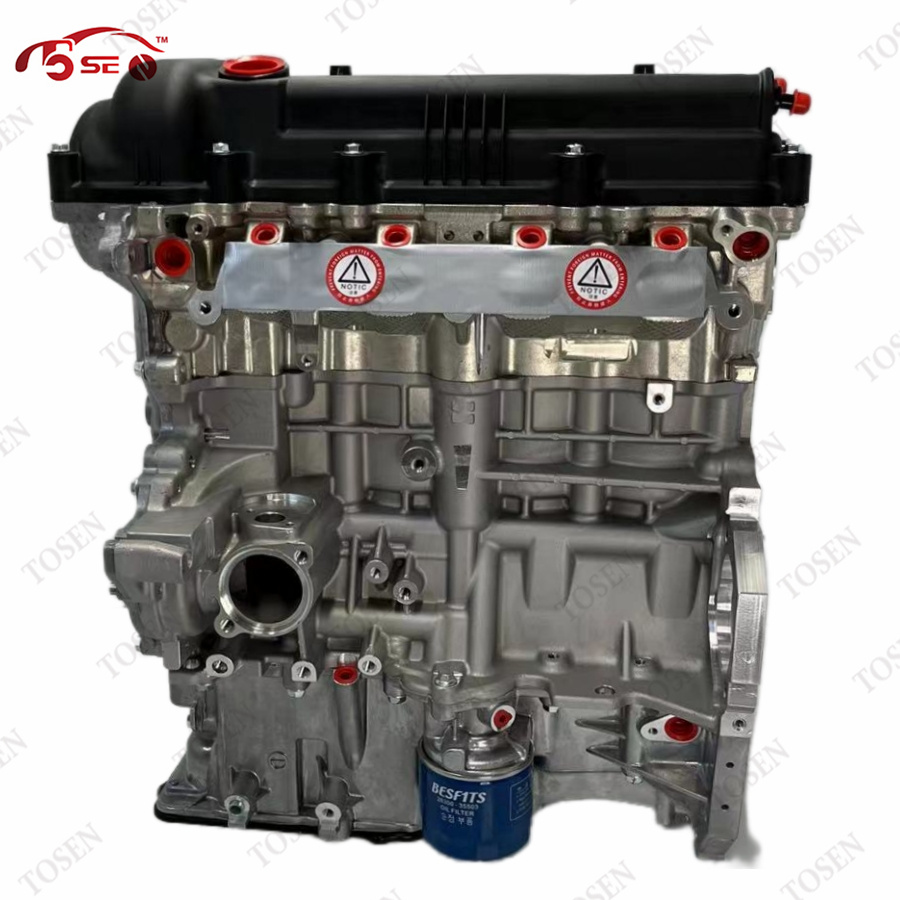
Established remanufacturers publish program-specific examples: Caterpillar describes disassembly, inspection, new wear items, restoration, and functional testing; JASPER lists recorded live-test checks; Powertrain Products describes machining and SIM testing. Use those examples to ask better questions, not to judge another supplier by association. TOSEN's current Gasoline New Korean Car Bare Engine For Hyundai Kia page identifies a brand-new, engine-only offer and asks buyers to confirm OEM number and engine code. That is a useful commercial starting point, but the quotation and evidence pack must define the exact unit and included accessories.
Control the Crate-to-First-Start Handoff
A passed bench test does not protect an engine from poor preservation, crate movement, delayed damage reporting, contaminated support systems, or an undocumented first start. Write one handoff plan before dispatch and name the supplier, carrier, receiver, and installer evidence required at each step.
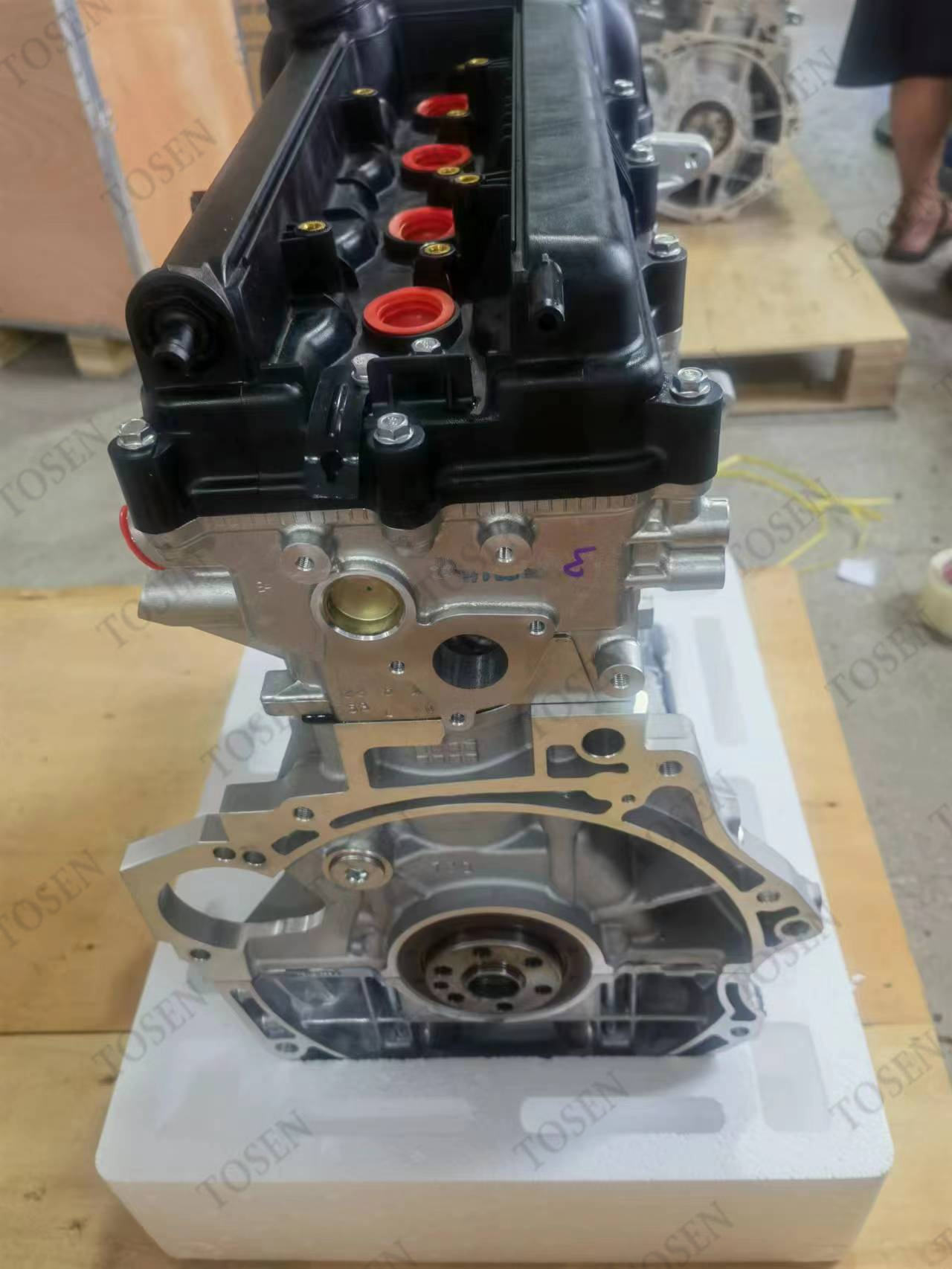
- Pre-pack: photograph the engine ID, ports, included parts, preservation, moisture protection, and crate restraints.
- Dispatch: record crate dimensions, weight, seals, documents, carrier, Incoterm, insurance, and tracking references.
- Receipt: inspect before signing when possible; photograph every side, note visible damage, and preserve packaging.
- Storage and preparation: keep openings sealed, follow preservation limits, and inspect cooling, lubrication, fuel, intake, exhaust, and controls.
- Installation: use the correct service information, record transferred parts, replacements, measurements, fluids, and calibration work.
- First start: document pre-lube or priming, oil pressure, leaks, temperatures, codes, noises, and the supplier's required run procedure.
- Closeout or claim: retain the evidence pack; obtain authorization before disassembly when the warranty requires it.
Scroll horizontally to compare columns
| Field | Question to settle | Evidence to retain |
|---|---|---|
| Start and end | Shipment, delivery, installation, registration, or first start? | Invoice, delivery proof, registration, commissioning record |
| Coverage | Parts only, labor allowance, freight, fluids, towing, or downtime? | Full written warranty and schedule |
| Use and installer | Commercial use, export, self-install, or approved shop restrictions? | Buyer/use approval and installer credentials if required |
| Exclusions | Overheating, contamination, supporting parts, calibration, maintenance, or unauthorized teardown? | Inspection, service, and first-start records |
| Claim path | Who authorizes testing, removal, return, repair, or replacement? | Dated communications, photos, results, and returned parts |
For a practical fitment example, review How to Choose the Right Engine Assembly for Your Toyota Hiace or Hilux, then adapt its identity checks to your application. The selected condition does not change the handoff rule: preserve proof before the crate closes, at receipt, and before anyone changes the engine.
Choose, Clarify, or Reject the Offer
Scroll horizontally to compare columns
| Outcome | Use when | Required next action |
|---|---|---|
| Approve new | Exact fit, unused condition, required scope, evidence, lead time, installed cost, and warranty are acceptable | Attach the approved identity, BOM, evidence, logistics, and warranty pack to the order |
| Approve remanufactured | Exact fit and a traceable reman process/test pack make the installed-risk case acceptable | Lock the exact job or serial, core terms, installation duties, and claim process |
| Clarify | The offer may work but one or more material fields are missing or inconsistent | Issue a dated question list and do not pay or release production until resolved |
| Reject | Fitment is unconfirmed, condition is misleading, scope is undefined, evidence is not traceable, or responsibility is unacceptable | Record the failed gate and compare another source |
New makes sense when unused content, origin, fitment, availability, and warranty justify the complete installed cost. Remanufactured makes sense when the program and exact unit are documented, the application fits, and the price or availability improves the business case without weakening recourse. Neither condition deserves approval by default. Buyers who need a broader product search can review Engine Assemblies before submitting a matched inquiry.
- Buyer company, country, quantity, destination, required date, and intended vehicle or fleet use
- VIN/chassis number, frame/model code, engine code, serial, OE and casting references
- Clear photos of labels, sump, mounts, transmission face, fuel equipment, turbo, sensors, connectors, and old engine
- Requested condition and assembly level, plus the exact BOM, exclusions, and transfer list
- Required origin, build, machining, replacement, measurement, and test evidence with traceability
- Crate, preservation, Incoterm, freight, insurance, core, customs-document, and damage-claim requirements
- Warranty start, duration, parts/labor/freight coverage, commercial-use terms, exclusions, installer duties, and claim authorization
- First-start and commissioning procedure, records, acceptance owner, and escalation contact
Request written fitment and evidence confirmation. Send TOSEN AUTO the completed identity, scope, evidence, logistics, and warranty fields. Ask the team to confirm the exact engine condition, included parts, and fitment before you approve the order. On-page engine RFQ checklist
Frequently Asked Questions
Is the same engine code enough to confirm fitment?
No. The full engine code is a strong filter, but market, production date, emissions equipment, sump, mounts, transmission interface, fuel system, sensors, harness, and controls can still differ. Confirm VIN or chassis data, serial and OE references, photos, and required transfers in writing.
Does remanufactured always mean better than rebuilt?
Do not rank the labels without the seller's process. Ask who performed the work, what was disassembled, inspected, machined, restored, replaced, assembled, and tested, and how the records tie to your unit. FTC guidance addresses truthful use of these terms in US marketing, not a universal service-life guarantee.
Can a new engine be aftermarket rather than OEM?
Yes. New describes unused condition, not automatically the original manufacturer. Record the producer, brand, part and serial or batch identity, specification, revision, application, warranty issuer, and included parts. Do not describe an aftermarket unit as OEM unless the documentation supports that relationship.
What if the reman supplier will not provide individual test values?
Ask what batch or process evidence is available, which tests suit the assembly level, and how release is traced to the engine. If the missing values are material to your risk or acceptance specification, keep the offer in clarification status or reject it. A sample report does not prove your unit passed.
When should the engine warranty start?
There is no single answer. The contract may use shipment, delivery, installation, registration, or first start. Choose a defined trigger that fits transit and installation time, then record the end date, commercial-use rules, labor and freight treatment, exclusions, and claim-authorization steps.
Should I choose remanufactured when a new engine has a long lead time?
Lead time is a valid decision input, especially for a fleet or occupied repair bay. Approve the reman option only if fitment, scope, process and test evidence, total installed cost, handoff plan, and warranty also pass. Availability should not cancel the evidence gate.
Make the Condition Decision on Evidence
Choose only after both offers pass the same fitment gate and appear on the same scope-and-cost worksheet. Then apply the right evidence bar: unused origin and production traceability for the new engine, or a documented restoration, parts, measurement, and test pack for the remanufactured engine.
Keep the crate, receipt inspection, supporting-system work, installation, first start, and warranty claim in one evidence chain. If a material field is missing, clarify it. If fitment, condition, traceability, or responsibility remains unacceptable, reject the offer.
Send a fitment-ready engine inquiry. Provide TOSEN AUTO with the VIN or chassis number, engine code, OE number, photos, required assembly level, quantity, destination, evidence needs, and warranty questions for written confirmation. On-page engine RFQ checklist