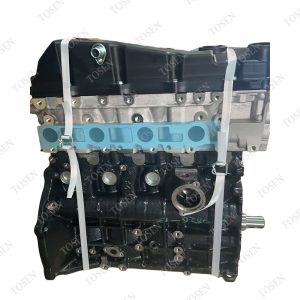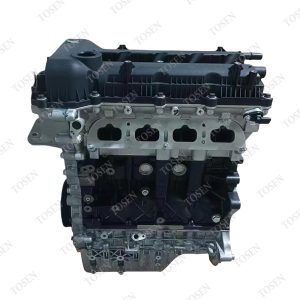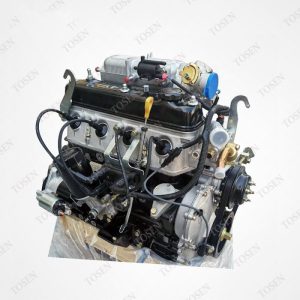
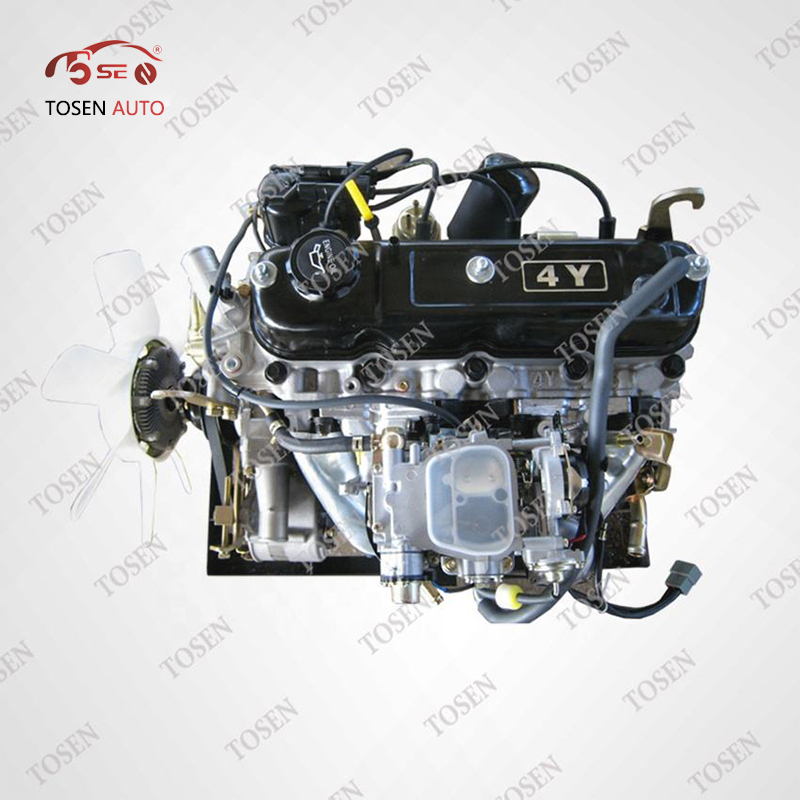
The 4Y engine assembly is a 2.2-litre inline-four gasoline engine that has powered a huge number of Toyota Hiace vans, Hilux pickups, and Dyna light trucks since the late 1980s. When the original motor loses power, burns oil, or knocks at the bottom end, replacing the whole assembly is often faster and more predictable than an in-bay rebuild. This guide explains how to confirm a 4Y engine assembly matches your vehicle by engine code and VIN, what a complete unit includes, how to judge new versus remanufactured, and the tests and paperwork you should ask for before you pay. You will finish knowing exactly what to verify, what to expect in the crate, and how to protect your workshop when the first start happens.
Does the 4Y Engine Code and VIN Match Your Hiace or Hilux?
Fitment starts with reading the engine code correctly. The 4Y belongs to the Toyota 2Y/3Y/4Y family of pushrod gasoline engines. All three share the same basic layout, but they are not the same engine: the 3Y is the smaller 2.0-litre version and the 4Y is the 2.2-litre version. They look similar in a bay photo, and many used-market listings blur the line. That blur is exactly where wrong orders happen. The engine code is stamped on the block and can be read against your VIN. Toyota’s published repair documentation shows where the serial is located and how to read it, so you do not have to guess.
Before you contact a supplier, gather three things: the full VIN, the engine code stamped on the old block (3Y or 4Y), and the model year and body type of the Hiace or Hilux. Those three values decide the carbureted or EFI version, the bellhousing pattern, and the mounting points. A supplier that asks for the VIN first is following the correct process, because it removes the guesswork that causes wrong shipments and expensive returns.
One common trap is assuming that because a 4Y is “bigger” it simply bolts into a 3Y truck. Cables, brackets, manifolds, and the carburetor or ECU setup can differ between the two. That is why the code and VIN matter more than a model-name guess. When in doubt, send the seller a photo of the engine tag and the stamped code. It takes two minutes and saves a week of shipping mistakes.
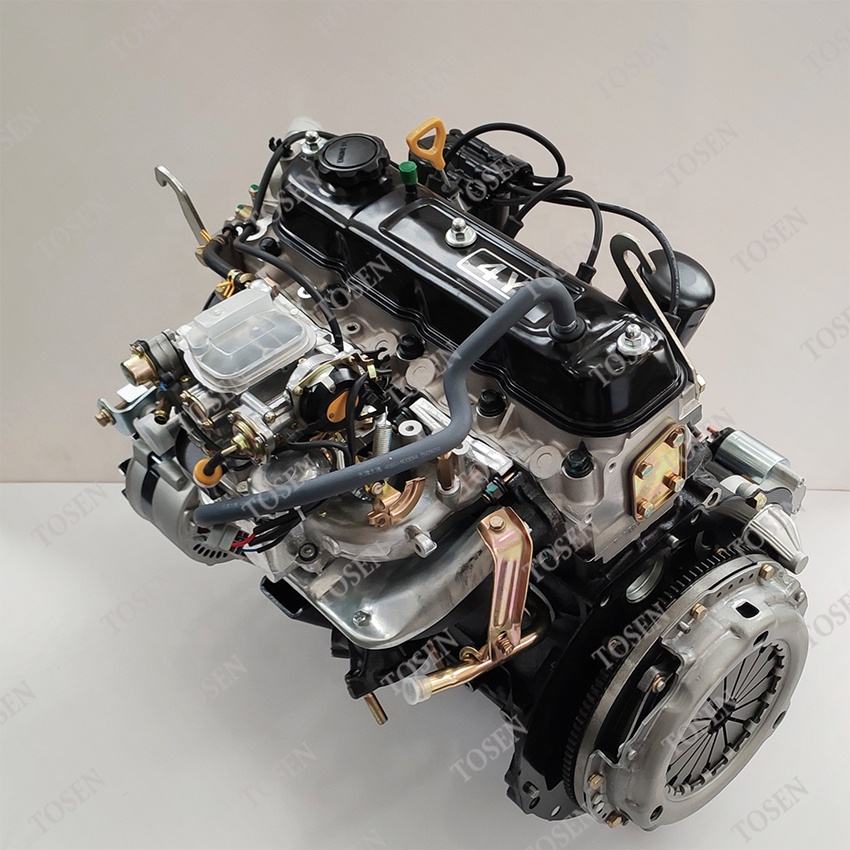
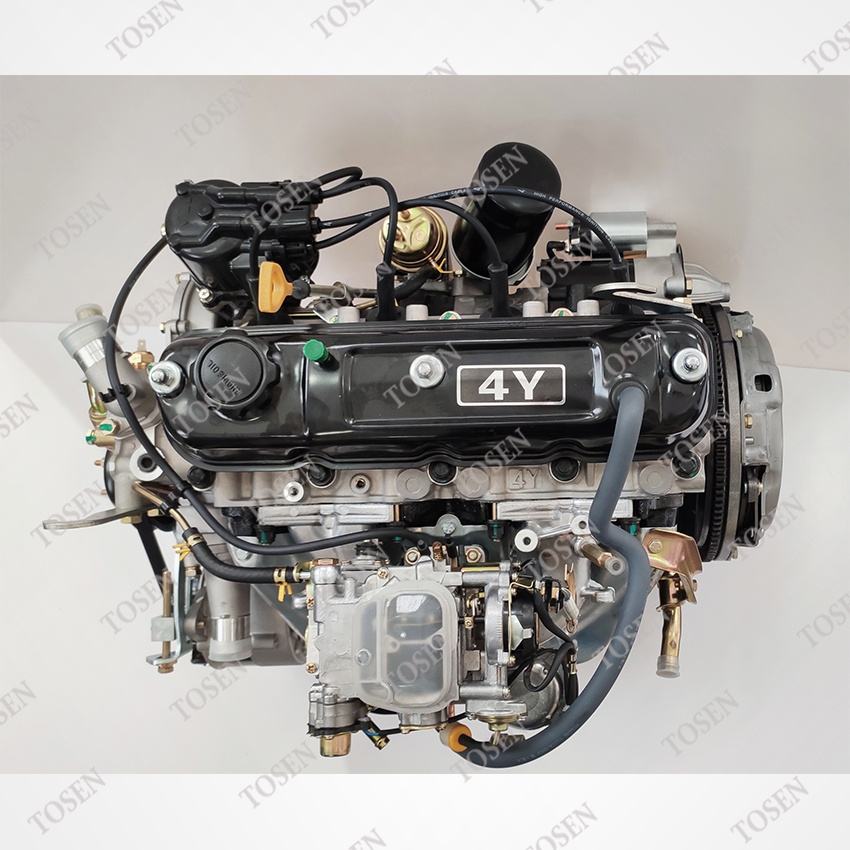
You can see the exact unit built for this application on our 4Y Engine Assembly for Toyota Hiace Hilux page, which lists the supplied configuration and the vehicles it is built for.
Run this fitment checklist before you quote:
- VIN of the target vehicle — decisive for variant and market spec.
- Engine code stamped on the old block (3Y or 4Y).
- Model year and body style (Hiace van, Hilux pickup, Dyna).
- Carbureted or EFI setup if the listing asks for it.
- OE or old-part label from the failed engine.
Complete Assembly, Long Block, or Short Block: What Actually Ships?
“Engine assembly” means different things depending on the seller. The boundary matters because it tells you what arrives in the crate and what you must transfer from your old engine. The table below keeps the three options straight.
| Assembly type | What is included | What you reuse from the old engine |
|---|---|---|
| Short block | Block, crankshaft, pistons, rods, bearings | Head, valvetrain, manifolds, carburetor/EFI, accessories |
| Long block | Short block plus cylinder head, valvetrain, timing cover and gasket set | Intake/exhaust manifolds, carburetor/EFI, sensors, front dress |
| Complete assembly | Long block plus manifolds, carburetor/EFI, and most accessories | Minimal — often just harness, mounts and fluids |
For a Hiace or Hilux in daily commercial service, a complete assembly is usually the lowest-downtime choice: the engine arrives ready to install, and you avoid tearing down the donor and chasing missing brackets. A long block costs less but needs a careful transfer of manifolds and accessories. A short block is a specialist option for rebuild shops that already own a good head.
To compare what ships with each option across our catalogue, browse our engine assemblies and long blocks category.
Whichever option you choose, ask the seller to list exactly what is bolted on versus what is missing. A written inclusion list prevents two problems: a surprise parts order mid-build, and a warranty dispute over a part that never shipped.
New or Remanufactured: How to Verify Condition
Both new and remanufactured 4Y assemblies are on the market, and both can be sound. A new unit uses fresh castings and components throughout. A remanufactured unit starts from a used core that is cleaned, machined, and rebuilt to specification. The label alone tells you little; the test data tells you everything.
Ask for two results on every unit, whether new or reman: a compression test across all cylinders and an oil-pressure reading at operating temperature. Independent buying guides such as United Engine’s replacement engine guide make the same point — verified compression is the single best signal of a healthy bottom end. Toyota’s workshop documentation defines the compression and oil-pressure test procedure, so you can ask a seller to follow the same standard you would use in your own bay.
If a seller cannot show a compression or oil-pressure figure, treat that as a risk flag. For a workshop or a fleet, documented test results also protect you when a warranty question comes up later, because they fix the baseline the engine shipped with. New units avoid core variability; reman units usually cost less but need verified machining and crack-test records to be trustworthy.
Compression, Oil Pressure, and Seals: The Checks You Should Demand
A 4Y that passes compression and oil-pressure tests but still fails quickly is usually a sealing failure. Ask what the seller verifies before the unit is packed: head-gasket integrity, valve sealing, oil-pan and timing-cover sealing, and the condition of the crank seal. A cheap seal failure turns a good engine into a comeback job in the first month.
For a 2.2-litre pushrod engine, the practical rule is simple: get a cold compression reading and a leak-down number on the old engine first. If the old engine is far below spec, stop quoting individual parts and move to an assembly conversation. That reading also becomes your baseline when you later compare the supplier’s “as-shipped” test data against the installed engine.
Do not be shy about asking for photos of the test gauges or the printed test sheet. A supplier that sells complete 4Y units in volume will have these on file. A supplier that hesitates is usually a sign that you are about to pay for someone else’s trial-and-error.
Wooden Crates, Sea Freight, and When the Warranty Starts
Most 4Y engine assemblies cross an ocean in a wooden crate. Good crating is not packaging theatre: it stops bare machined surfaces from corroding and keeps the cast iron block from cracking in transit. On arrival, inspect the crate before you sign, and photograph any damage while the carrier is present. Note the condition of the mounting, the drainage, and the oil film on machined surfaces.
Warranty start is the other half of the deal, and it is worth pinning down in writing. Some sellers count warranty from the invoice date, others from delivery, and a few from first start. Each changes what you actually get. Ask the question in your first email so there is no surprise six months later.
For the selection logic across Hiace and Hilux variants, see our related technical guide on choosing the right engine assembly.
First-Start Responsibility: Where the Supplier’s Duty Ends
A complete 4Y assembly is a machined, tested unit, but it is not a running engine until your installer finishes the job. Agree in writing where the supplier’s responsibility ends and your installer’s begins. That boundary decides most warranty outcomes.
A clean first start protects both sides. Pre-fill the oil filter, prime the oil system by cranking with the fuel or ignition disabled until the gauge shows pressure, then start and watch for unusual noise, smoke, and temperature. Note the cold compression and oil-pressure figures and keep them with the invoice. They are the reference point for any later claim.
Do not skip the re-torque and fluid check after the first few hundred kilometres. Pushrod engines settle in during early running, and a quick re-check of head-bolt torque and oil level catches most early issues while they are still cheap to fix. Log it, sign it, and file it with the rest of the paper trail.
Frequently Asked Questions
Is a 4Y engine assembly the same as a 3Y?
No. They are members of the same Toyota 2Y/3Y/4Y gasoline family, but the 3Y is the smaller 2.0-litre version and the 4Y is the 2.2-litre version. Always confirm the code stamped on your block before ordering.
What is included in a complete 4Y engine assembly?
A complete assembly usually adds manifolds, carburetor or EFI, and most accessories to a long block. Confirm the seller’s inclusion list in writing, because “complete” can vary between suppliers.
Should I buy a new or remanufactured 4Y engine?
Both can be sound. Demand compression and oil-pressure test results either way. New units avoid core variability; reman units usually cost less but need verified machining records.
How do I check the engine code on my Hiace or Hilux?
The engine code is stamped on the block near the front or the bellhousing and can be read against your VIN. Toyota’s published repair documentation shows the location and the reading method.
What should I check the moment the crate arrives?
Photograph the crate and the engine before unpacking. Look for moisture, a cracked casting, and damaged machined faces. Report any issue to the carrier and the supplier before signing the delivery note.
Who is responsible if the engine fails after installation?
Warranty typically covers the supplied assembly against defects, not installation errors. The first-start line agreed before purchase sets where the supplier’s duty ends and the installer’s begins.
Get a Fitment-Confirmed Quote
Submit your VIN, old-part label / OE number, model year, quantity, and destination port to receive a fitment confirmation and a quote. This closes the loop: the same identifiers that prove fitment become the records used to ship the correct 4Y engine assembly for your Hiace or Hilux.
References
- Toyota Hilux Repair Manual — engine serial location and compression / oil-pressure test procedure: toyotamanuals.gitlab.io (Hilux manual)
- Toyota service reference — engine and model identification (Hiace): toyotamanuals.gitlab.io (NCF210E reference)
- United Engine — Replacement Engine Buying Guide: unitedengine.com/replacement-engine-buying-guide