An importer can approve the right engine and still receive a damaged or untraceable shipment. A tidy wooden box tells you little about the unit inside, its restraints or its condition before dispatch.
For engine export packaging wooden case approval, treat the engine identity, packing specification and release photos as one record. Each should refer to the same order and unit.
This guide gives workshop owners, fleet buyers and importers six checks to agree before collection. Use them to question a packing proposal, request missing evidence and decide when a case is ready to leave.
Confirm the engine before approving its case
Confirm the unit and its included parts before the supplier builds or closes the case. A bare long block and a dressed assembly can need different supports, clearances and accessory protection. The packing list must describe the actual shipment.
- Record the purchase-order reference, engine code, unit number or supplier identifier, and photographs of readable labels. Keep the vehicle VIN and old-engine information in the same order file.
- Approve the included-parts list. Identify items mounted on the engine, items packed separately, and components the installer must reuse.
- Request photographs of the actual unit from several sides. Ask the supplier to identify exposed connectors, pulleys, pipework and other parts that need protection.
- Link agreed inspection or test records to the unit identifier. Complete the relevant checks before draining and preservation, and document the resulting shipping condition.
If the vehicle record and installed engine disagree, resolve that conflict before packing approval. Use an engine code vs VIN comparison to prepare the identity evidence; a crate number cannot settle compatibility. Do not assume that a matching engine-family name confirms every mounting, wiring or accessory interface.
Check every wood component against the route
Ask for the materials used throughout the case, including its base, runners, braces and loose dunnage. ISPM 15 addresses plant-pest risks in regulated wood packaging. It does not rate a case for the weight of an engine.
| Component | Buyer check | What it does not prove |
|---|---|---|
| Raw-wood runners, braces or panels | Ask the packer and broker which treatment and marking requirements apply to the destination and transit route. | A panel description alone does not establish compliance for these pieces. |
| Processed-wood panels, such as plywood | Confirm the full construction. ISPM 15 exempts packaging made wholly of specified processed wood materials. | Plywood walls do not make separate raw-wood runners exempt. |
| Mixed or repaired case | Identify added or replaced pieces and have the packer confirm the required marking status. | An old mark is not a substitute for reviewing the current case. |
For US-bound shipments, APHIS guidance is a useful starting point for regulated wood packaging. Other routes need their own destination checks. Ask for clear photographs of relevant marks on the finished packing, and let the broker resolve uncertainty before collection.
Example to flag for review
A supplier describes a case as plywood but fits solid-timber runners underneath. Ask about the runners as well as the panels. Keep material acceptance separate from the restraint and load review that follows.
Approve the restraint and handling plan
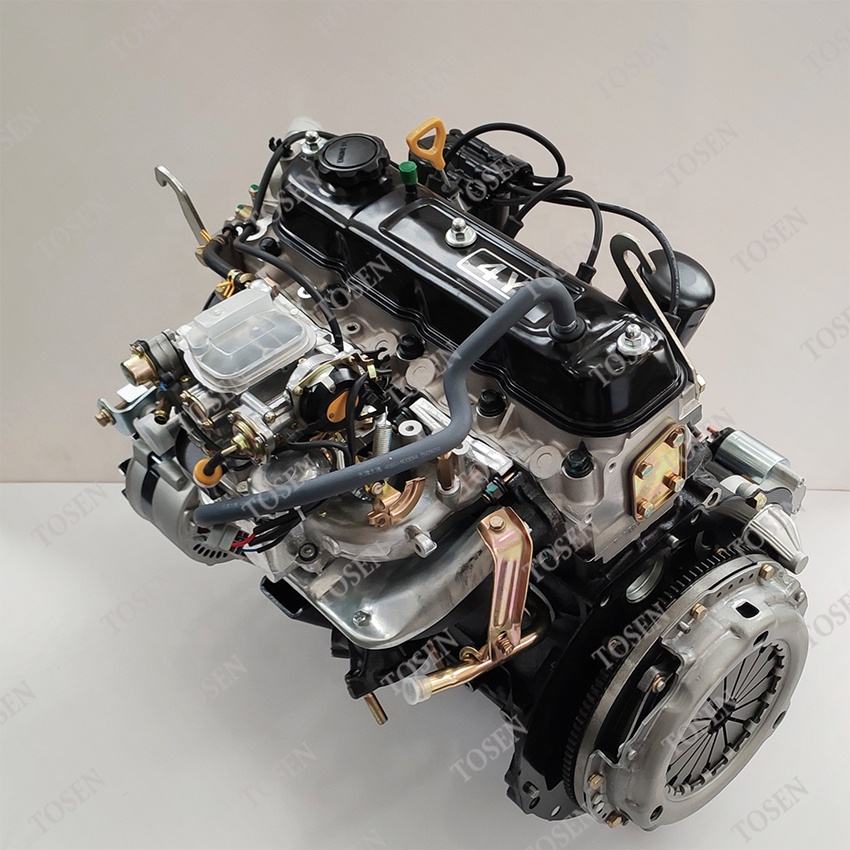
Request a packing plan for the actual engine weight, dimensions and mounting arrangement. The supplier or qualified packer should identify how the load is supported and prevented from moving. A generic photograph cannot establish the capacity of a different crate.
| Review point | Evidence to request | Reason to hold |
|---|---|---|
| Engine-to-base restraint | Photographs or a drawing showing the mounting method and load-supporting cradle. | Wrap or loose cushioning appears to be the main restraint. |
| Vulnerable attachments | Views showing clearance and protection around sensors, pipes, pulleys and wiring. | A restraint bears on a delicate component or a part protrudes outside the case. |
| Handling and stacking | Packed gross weight, dimensions, agreed forklift access and a stated stacking limit or non-stackable instruction. | The receiver cannot handle the package, or stacking capability is only assumed. |
FedEx engine guidance calls for internal blocking and bracing as well as mounting to a pallet deck. P4D specifically rejects used engines presented on a pallet alone and does not accept stretch wrap as the main securing method. Confirm acceptance with the carrier actually booked for your route.
Readybox describes a diesel-engine and pump project that used custom export crates. That example supports asking for a cargo-specific design; it does not establish a standard crate size for your order. Have the packer select structural materials and fasteners for the proposed load, handling and journey.
Specify preservation separately from the wooden shell
Specify the protection period from packing through storage before installation. The case shell, internal restraints and preservation system do different jobs. Ask the supplier what conditions its proposal covers, rather than accepting an unexplained promise of seaworthy packing.
- State the transport route, expected storage period and any likely outdoor exposure or repeated opening. Ask the packer to confirm the preservation scope against those conditions.
- Have the supplier explain the shipping-fluid condition and how openings are capped or sealed. Check the booked carrier’s requirements for the actual engine and transport mode.
- Request the proposed corrosion-control and moisture-barrier materials, their compatibility with the engine, and the procedure for applying them.
- Identify separately packed accessories and how they are restrained, protected and counted. A small carton should have its own entry in the packing list.
- Obtain instructions for inspection, opening, resealing, storage and removal of protective materials before installation. Assign the person who receives those instructions.
Express Packing lists barrier protection and moisture control alongside its wood-crating services. This is a useful distinction when comparing quotations: the wooden shell alone does not describe the preservation work included.
Ask the supplier to record completion before closing the case. Do not invent a desiccant quantity or storage life from an unrelated product example. The selected protection system needs instructions for this shipment and its agreed storage conditions.
Engine export packaging wooden case: release checklist
Approve a record that follows the same engine through inspection, packing and collection. Request the interior evidence before the lid closes, when missing restraints or unidentified accessories can still be checked without reopening a finished case.
- Identify: record the order, unit identifier and included-parts list. Photograph the actual labels and the engine before packing.
- Inspect: attach the agreed test or inspection records, with date and unit reference. Record shipping preparation and any exceptions requiring buyer acceptance.
- Pack: capture the cradle, restraints, protected attachments, preservation layers and separate accessories. Include enough views to show areas that the closed case will hide.
- Measure and label: record final outside dimensions, packed gross weight, case number and handling instructions. Photograph relevant wood marks and the closed case on multiple sides.
- Release: have the designated buyer or inspector check the file, record acceptance or unresolved items, and confirm collection details with the supplier and forwarder.
Keep the approved file with the commercial invoice, packing list and transport documents. Ask for a new review if the supplier substitutes a unit, changes the case or reopens it after approval. This checklist is a buyer tool; it does not imply that a specific supplier has already completed these checks.
When to hold release
Hold the case if the unit reference cannot be reconciled, required interior evidence is missing, visible packing conflicts with the approved scope, or the forwarder has not accepted the proposed package.
Agree the receiving checks and quote boundaries
Agree the receiving procedure while the supplier can still change the packing plan. The receiver should know what to inspect, where to record damage and whom to notify. Read the applicable transport, insurance and warranty terms before accepting a quotation.
| Responsibility | Agree before dispatch | Record at receipt |
|---|---|---|
| Freight condition | Who handles damage notices, what evidence is required and the applicable notice procedure. | Case condition, visible impact or wetting, labels and any discrepancies before signing as appropriate. |
| Engine supply scope | The ordered unit, included accessories and route for reporting missing or mismatched items. | Unit identity, accessories and packing-list reconciliation during opening. |
| Storage and first start | Who follows preservation removal, installation and engine-specific recommissioning instructions. | Condition after unpacking and any issue requiring a hold before installation. |
Do not treat freight cover and engine warranty as the same protection. For example, uShip states that its Protection product excludes used engines and motors. Ask your provider what applies to this shipment; no single coverage statement settles every carrier or policy.
For an engine inquiry, start with TOSEN’s engine assemblies and long blocks category, then provide the VIN, engine code or OE reference, vehicle year, quantity and destination port. Include the requested supply scope and packing checklist so the supplier can confirm the engine and packaging proposal together.
Frequently Asked Questions
Can we reuse a wooden engine case?
Ask the packer to review its present condition, repairs, materials and marking status for the new route. The new engine may also require a different support arrangement. Reuse approval should cover both the wood requirements and the actual load.
Can another pallet be stacked on the case?
Only proceed when the packer has specified that use and the carrier accepts it. Ask for the permitted stacking condition in writing. A closed lid or handling label does not establish a load capacity.
Does securing the engine inside the crate also secure the crate in a container?
These are separate tasks. Ask the forwarder or packing contractor who is responsible for positioning and securing the whole package in the transport unit, and include that responsibility in the booking.
Can a drained engine be started as soon as it arrives?
Do not assume it is ready to run. Give the installer the supplier’s shipping-condition record and engine-specific preparation instructions. Resolve missing instructions or visible damage before installation or first start.
Approve the shipment with a complete packing record
Release the shipment when the unit identity, packing specification and evidence file agree. Keep material checks, restraint approval and preservation requirements visible in the order, with the receiving tasks assigned before collection.
Use the engine and transmission parts quotation form to send the identifiers, destination and checklist together. Ask the supplier to confirm any missing detail before you approve dispatch.
Request engine and packing confirmation from TOSEN AUTO. Send your VIN, engine code or OE reference, old-unit label, vehicle year, quantity and destination port. Attach the packing requirements and ask for a written proposal. Existing TOSEN inquiry form.