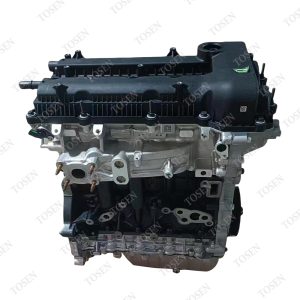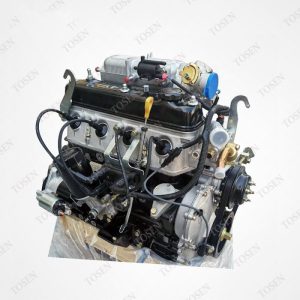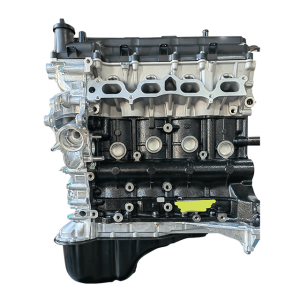
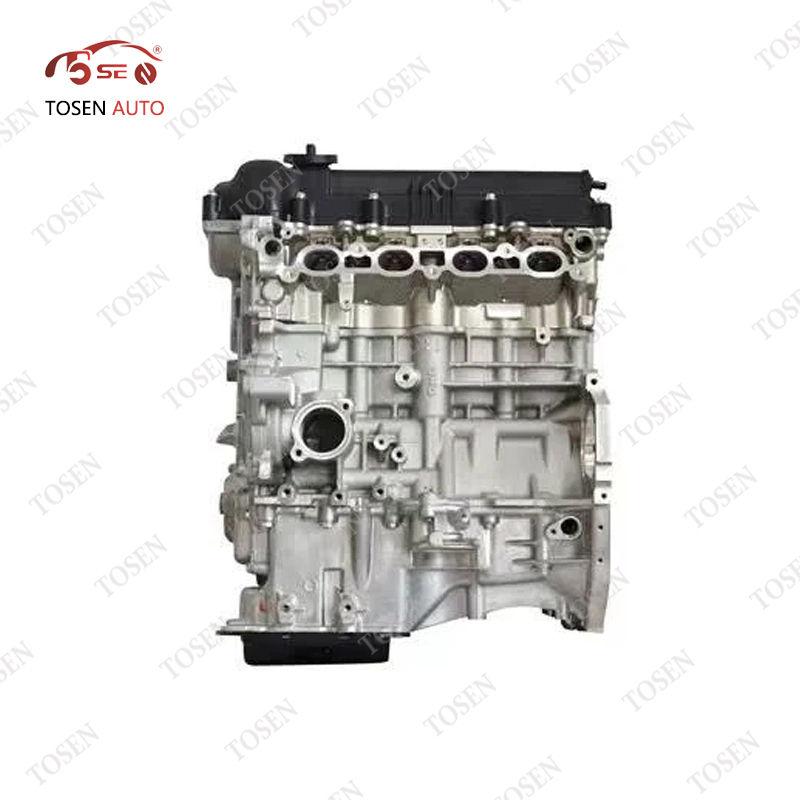
A Hyundai Kia bare engine is the machined core of a Korean petrol engine family such as the G4FA, G4FC, G4LA or G4KD, sold without the bolt-on parts that normally surround it. For a workshop, a rebuilder, or an importer, a bare engine is often the most cost-effective path when the accessories, manifolds and sensors on the failed unit are still serviceable. This guide walks you through what a bare engine actually includes, how to check that the engine code and VIN match, and which test results you should demand before you commit to an order.
What Exactly Is a “Bare” Engine for Hyundai and Kia?
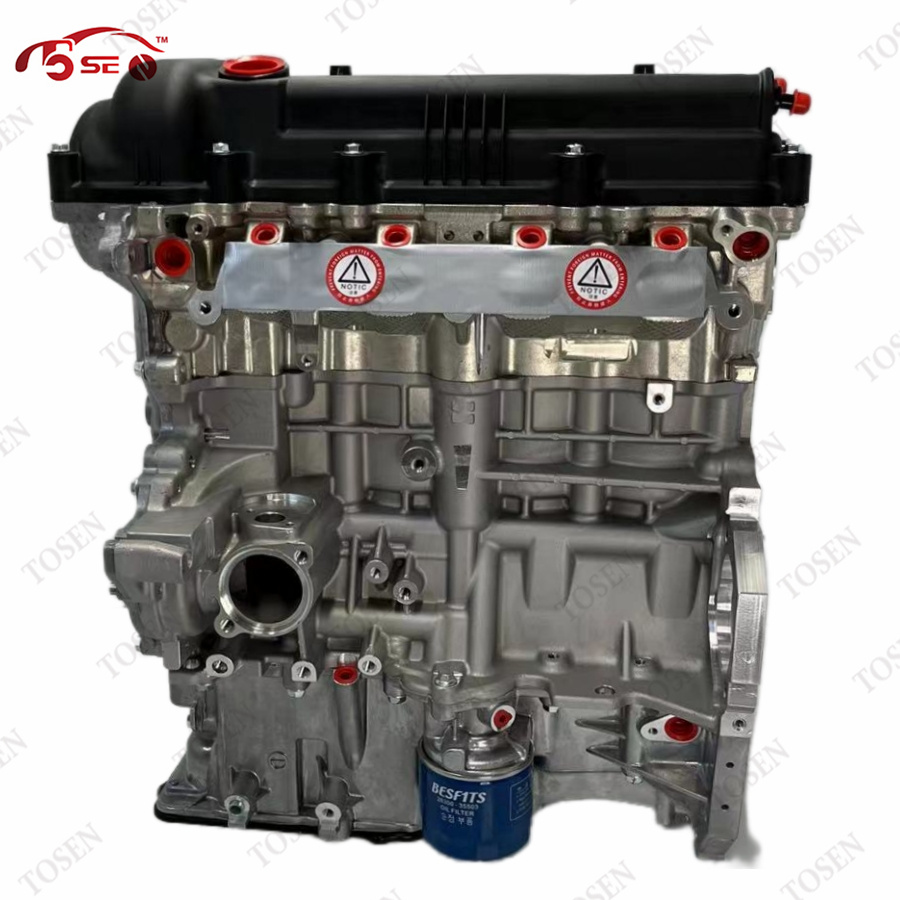
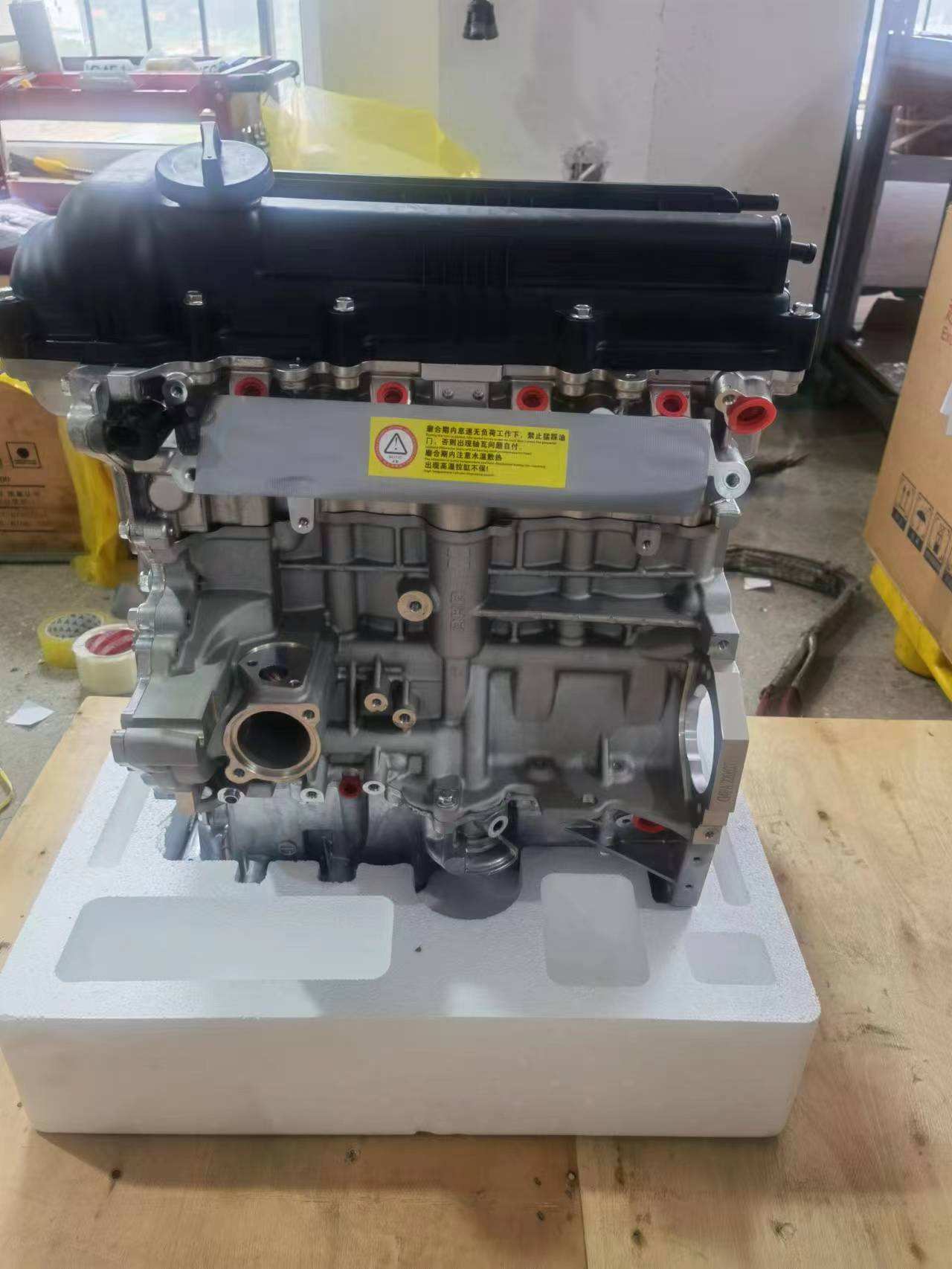
The word “bare” has a specific meaning in the engine trade. A bare engine is the base assembly that carries the moving parts of the engine but leaves out everything that bolts on around it. Think of it as the skeleton and muscles of the engine before the clothes go on.
To make the boundaries clear, compare the four common options side by side:
| Assembly type | What is included | What you reuse from the old engine |
|---|---|---|
| Short block | Block, crankshaft, pistons, connecting rods, bearings | Cylinder head, valves, manifolds, injection system, sensors |
| Bare engine | Short block plus cylinder head, valvetrain and camshaft, ready to accept your accessories | Intake and exhaust manifolds, injectors, alternator, starter, A/C compressor, sensors |
| Long block | Bare engine plus timing cover, oil pan, and gasket set for the sealed areas | Manifolds, injection system, sensors and front dress |
| Complete assembly | Long block plus manifolds, injection system, sensors and most accessories | Minimal, often only the wiring harness and mounts |
In practice, many suppliers use “bare engine” and “long block” almost interchangeably, which is why the inclusion list matters more than the name. Before you compare prices, ask the seller for the exact list of what ships in the crate: is the cylinder head fitted? Is the timing chain or belt included? Does it come with the oil pan and valve cover? Those four answers decide whether your fitter needs two days or two weeks to complete the swap.
The most common Korean petrol families in this range are the 1.4-litre G4FA and G4FC (Hyundai Accent, Verna, i20 and Kia Rio, K2, Forte), the 1.4-litre G4LA used in the Kia K2 and KX, and the larger 2.0/2.4 G4KD and G4KE units. All of these are supplied as bare engines by TosenAuto. You can see the exact unit built for this family on our Gasoline New Korean Car Bare Engine For Hyundai Kia page, which lists the supplied configuration and application coverage.
Does the Engine Code Match Your VIN and Model Year?
Fitment for a Hyundai or Kia starts with two identifiers that must agree. The first is the engine code, stamped on the front face of the block — codes such as G4FA, G4FC, G4LA, G4KE or G4KD. The second is the VIN, the 17-character vehicle identification number found on the dashboard plate and on the build tag under the bonnet.
The VIN carries a character that identifies the engine and transmission combination fitted from the factory, and the engine code printed on the block confirms it. When the two match, you can order with confidence. When they disagree, you are looking at a swapped or damaged vehicle record, and that is a red flag before you spend a cent.
Model-name guessing is the most common cause of wrong orders. A Hyundai Accent can carry a G4FA in one market and a G4FC in another. A Kia Rio sold in one region may use the same engine family as a K2, but the ECU calibration and the front accessory layout can differ by year. The engine code cuts through that confusion because it names the exact unit, not the badge on the boot lid.
Before you request a quote, put together this short fitment pack:
- Full 17-character VIN of the target vehicle.
- Engine code stamped on the old block (e.g. G4FA, G4FC, G4LA, G4KD).
- Model year and body style (sedan, hatch, wagon).
- Transmission type (manual or automatic).
- Photograph of the old-part label or OE sticker, if one survives.
A supplier that asks for these five items first is following the right process. If a listing refuses to talk about codes and only pushes a model name, treat that as a warning. To compare what ships with each option across the range, browse our engine assemblies and long blocks category.
New or Remanufactured — and the Test Data to Demand
Both new and remanufactured bare engines are available in the G4FA/G4FC family. A new unit uses fresh castings, fresh pistons and fresh bearings. A remanufactured unit starts from a used core that is stripped, machined back to specification, and rebuilt with new wearing parts. Either can be a sound buy, and neither should be trusted on the label alone — the proof is in the test data that ships with the unit.
Ask every supplier for two results on the exact unit you are buying: a compression test across all cylinders, and an oil-pressure check at operating temperature. Independent buying guides such as United Engine’s replacement engine guide make the same point: verified compression is the single strongest signal of a healthy bottom end, and a documented oil-pressure figure shows the lubrication system is sound. Workshop manuals for the wider Toyota/Asian engine range define the same compression and oil-pressure test procedure, so you can ask a seller to follow a method you can also run in your own bay.
If a seller cannot produce a compression figure or an oil-pressure reading, treat it as a risk flag. For a workshop or a fleet, documented results also protect you later, because they fix the baseline the engine left the factory with. That baseline is what a warranty claim will be measured against.
TosenAuto supplies both new and remanufactured bare engines, and every unit is run through a multi-phase inspection before it is packed. For the full selection logic across the engine-assembly options — from bare engine to complete unit — see our related technical guide on choosing the right engine assembly.
Warranty, Crating and the First-Start Responsibility Line
Two parts of the deal decide most after-sales arguments: when the warranty starts, and where the supplier’s responsibility ends. Ask the seller to state both in writing before you pay.
Warranty on a bare engine is normally quoted from shipment or from delivery, and it typically covers the supplied assembly against manufacturing defects — not against installation mistakes, incorrect oil, or damage from a failed radiator. A 12-month warranty is common for new bare engines. Confirm the start date, what is covered, and what you must prove (usually test data and installation records) if you need to claim.
The second issue is crating. A bare engine crossing the ocean normally travels in a wooden crate, strapped to a steel base so the machined surfaces cannot shift. Good crating stops bare metal from corroding and keeps the casting from cracking in transit. On arrival, inspect the crate before you sign for it. Photograph any damage while the carrier is still present, and note it on the delivery documents. Check the machined faces and the pan for moisture or dents before you open anything.
Finally, agree on the first-start line. A bare engine is a machined assembly, not a tuned, running unit. Your fitter must transfer the manifolds, injection system and sensors, then prime the oil system and carry out a controlled first start. Agree in advance where the supplier’s duty ends and your installer’s begins — that boundary decides nearly every warranty outcome. Pre-fill the oil filter, crank without starting to build oil pressure, then start and watch for unusual noise, smoke and temperature. Keep the cold compression and oil-pressure figures with the invoice; they are your reference point for any later claim.
Frequently Asked Questions
What is the difference between a Hyundai/Kia bare engine and a long block?
A bare engine is the block, crank, pistons, cylinder head and valvetrain without the manifolds, injection system and accessories. A long block adds the timing cover, oil pan and gasket set. Since suppliers use the terms loosely, always ask for the written inclusion list.
How do I confirm that an engine code matches my VIN?
Read the engine code stamped on the front of the block and compare it with the engine character in the VIN. If both agree, and you also supply the model year and transmission type, a supplier can confirm the exact variant before dispatch.
Are TosenAuto bare engines new or remanufactured?
Both. New units use fresh castings and components; remanufactured units start from a used core that is machined back to specification. In either case, the unit is run through a multi-phase inspection before packing, and you can request the compression and oil-pressure results.
What test data should I ask for before I buy?
Ask for a compression test across all cylinders and an oil-pressure reading at operating temperature. These two results are the strongest evidence that the bottom end and the lubrication system are sound.
What should I check when the crate arrives?
Inspect the crate before signing, photograph any damage while the carrier is present, and then check the machined faces and pan for moisture or dents. Report any issue to both the carrier and the supplier before unpacking.
Get a Fitment-Confirmed Quote
Submit your VIN, old-part label / OE number, model year, quantity, and destination port to receive a fitment confirmation and a quote. This closes the loop: the same identifiers that prove fitment become the records used to build and ship the correct Hyundai/Kia bare engine for your application.
References
- United Engine — Replacement Engine Buying Guide: unitedengine.com/replacement-engine-buying-guide
- Toyota workshop-manual style test procedure (compression and oil-pressure verification method): toyotamanuals.gitlab.io (engine test procedures)
- Engine inspection and diagnosis reference: toyotamanuals.gitlab.io (inspection reference)