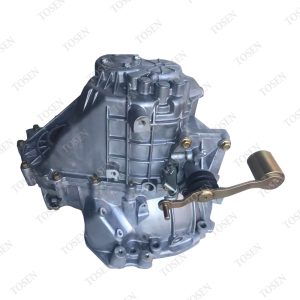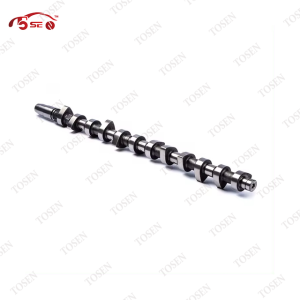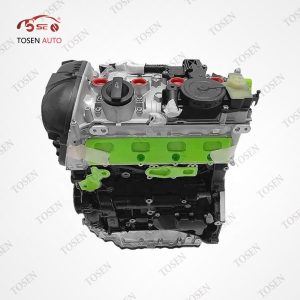
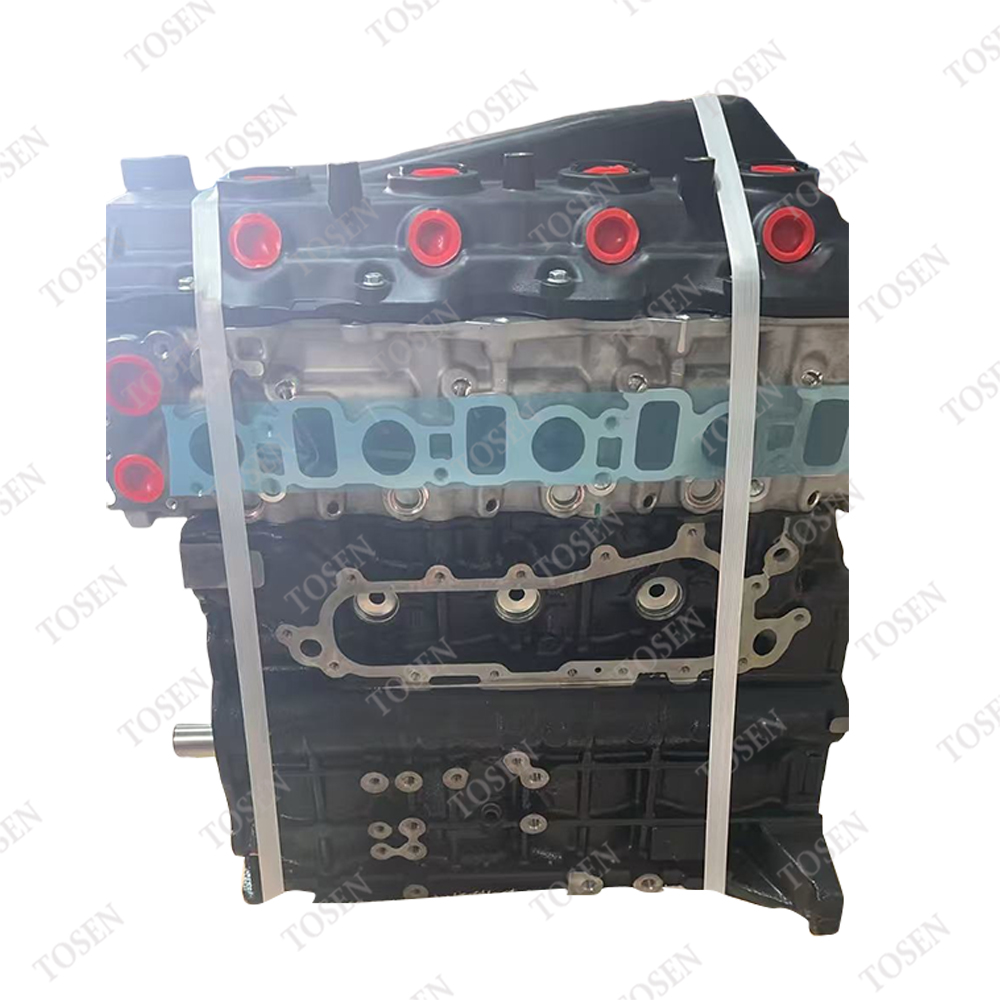
In a long block vs short block engine decision, the better option is the one that reduces the total risk of your specific repair. A short block can make sense when the cylinder head and external systems are proven reusable and your shop can complete the build. A long block usually reduces assembly work because the head and valvetrain are already fitted. A complete engine may reduce transfer work, but only when the supplier's written parts list supports that claim.
Do not choose from the label or engine price alone. First confirm fitment, then compare the exact bill of materials, condition, test evidence, transfer labor, freight, warranty duties, and first-start procedure. Different sellers use the same terms for different packages, so the signed quotation and photos must define what you are buying.
The practical rule
Choose a short block when the top end is verified and controlled assembly work is part of your plan.
Choose a long block when you need the internal engine and cylinder head assembled but can reuse compatible external systems.
Choose a complete engine only after every included accessory and interface is confirmed in writing.
What Short Block, Long Block, and Complete Engine Actually Include
These terms describe assembly completeness, not engine size. They are useful starting points, but they are not universal purchase specifications. A seller may include an oil pan or timing cover on one long block and exclude it on another. Photos can also show accessories that are not part of the sale.
| Item | Description |
|---|---|
| Short block | Normally the cylinder block with crankshaft, connecting rods, pistons, bearings, and related bottom-end parts assembled. |
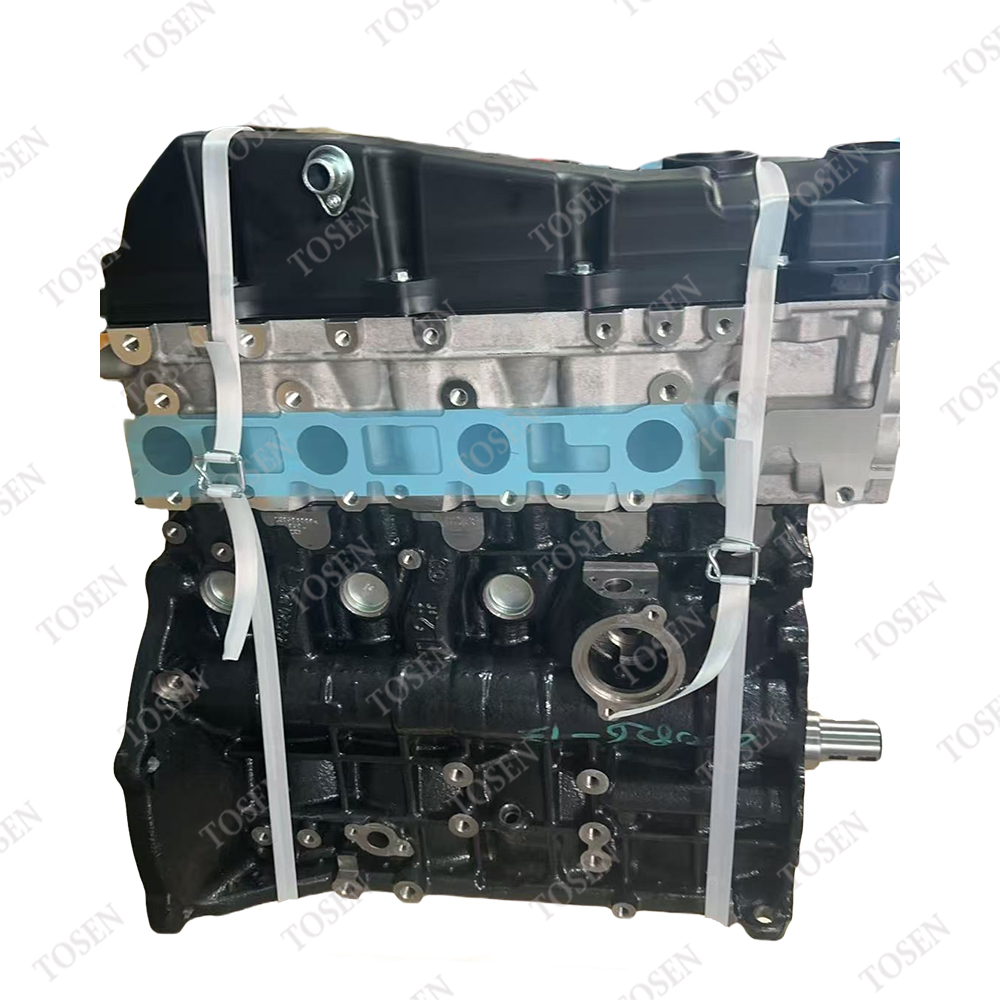
| Long block | Normally a short block plus the cylinder head, camshafts or valve gear, and valvetrain. Exact timing and sealing parts vary. |
| Complete or dressed engine | A seller-defined assembly that may add intake, exhaust, fuel equipment, turbo, sensors, harness, starter, alternator, or other accessories. |
The difference changes who owns the remaining work. With a short block, the installer owns cylinder-head condition, head assembly, gasket selection, valve timing, and more of the measurement process. With a long block, the installer still may need to transfer the sump, manifolds, injectors, turbo, brackets, sensors, flywheel, and accessories. A complete engine can still require transfers when calibration, emissions equipment, or vehicle interfaces differ.
| Component group | Short block | Long block | Complete engine |
|---|---|---|---|
| Block, crankshaft, rods, pistons | Usually included | Usually included | Usually included |
| Cylinder head and valvetrain | Usually excluded | Usually included | Usually included |
| Timing covers and oil pan | Supplier-dependent | Supplier-dependent | Supplier-dependent |
| Intake, exhaust, turbo, fuel system | Excluded | Often excluded | Supplier-dependent |
| Sensors, harness, starter, alternator, A/C | Excluded | Often excluded | Supplier-dependent |
| Ready to install without transfers | No | Rarely | Only if the written fitment and BOM say so |
Ask for a line-item BOM, date-stamped photos of the exact unit, and a list of required transfers. One current 2KD-FTV listing describes a complete engine as pictured but instructs the buyer to use it as a long block and keep the original accessories. Another short-engine listing clearly excludes ancillaries. The 2KD Engine Long Block for TOYOTA Hiace A 3.0 Diesel Motor Engine is a relevant commercial example, but its exact quoted BOM must still control the order.
Fitment Comes Before the Package Choice
Year, make, and model are not enough. The same model year can use different engines, emissions systems, sumps, mounts, sensors, and transmissions. A broad description such as Toyota Hilux 2KD may find candidates, but it does not approve one for installation.
- Record the full VIN or chassis number and the market where the vehicle was sold.
- Record the model or frame code and the exact engine code, including suffixes when present.
- Photograph the engine serial, casting numbers, OE labels, connector locations, sump, mounts, and transmission face.
- List emissions hardware, fuel-system version, turbo arrangement, and all accessories you plan to reuse.
- Send the data to the supplier and require written fitment confirmation tied to the quoted SKU or serial number.
Toyota service information for 1KD-FTV and 2KD-FTV applications shows that the engine serial is stamped on the cylinder block and that identification locations vary by model code. This supports a simple rule: identify the physical engine, not only the vehicle badge. The same approach applies to other engine families.
- VIN or chassis number and vehicle market
- Model/frame code and engine code
- Engine serial, casting, cylinder-head, and OE numbers
- Sump orientation, mount points, bellhousing or transmission interface
- Intake, exhaust, turbo, fuel system, sensors, harness, and emissions equipment
- Clear photos of the old engine and the offered unit from matching angles
- Written list of parts to transfer, replace, or modify
If the supplier cannot confirm one of these points, mark it as an open fitment risk rather than assuming it will work. A cheaper short block is not cheaper if the head, gasket grade, sump, or mounting details do not match. A long block is not faster if its fuel equipment and external interfaces create unexpected transfer work. How to Choose the Right Engine Assembly for Your Toyota Hiace or Hilux applies this identification logic to those vehicle families.
Compare Total Installed Cost, Not the Engine Price
A short block usually has a lower purchase price because fewer components are supplied. That does not guarantee a lower job cost. The correct comparison adds every cost needed to reach a tested, running vehicle. Use your shop rates and actual quote data instead of online price averages that may mix new, remanufactured, used, and incomplete assemblies.
| Cost or risk | Short block | Long block | Complete engine |
|---|---|---|---|
| Purchase and freight | Lowest scope, not always lowest landed cost | Mid-scope quote | Highest scope; freight may also rise |
| Head and valvetrain work | Major buyer responsibility | Usually included internally | Usually included internally |
| Transfer labor | High | Medium | Low only when interfaces match |
| Gaskets, timing, fluids, filters | Broad list | Moderate list | Still required by installation terms |
| Machine work or inspection | Often significant | Supplier-dependent | Supplier-dependent |
| Core, duty, storage, downtime | Project-specific | Project-specific | Project-specific |
| Rework exposure | High if old head is uncertain | High if accessories are uncertain | High if fitment was assumed |
Calculate total installed cost as landed assembly cost plus required parts, machine work, installation labor, supporting-system cleaning, fluids, testing, core charges, and expected downtime. Then add a risk allowance for every unconfirmed item. The allowance is not a fake price; it is a visible decision flag that forces open questions into the quote comparison.
Typical economic fit
A controlled engine shop may gain value from a short block because it can verify and assemble the top end in-house.
A repair shop or fleet often values a long block because it reduces internal assembly work while preserving reusable vehicle-specific accessories.
An importer may value a complete engine when the exact configuration repeats across many vehicles and the supplier can document every included interface.
Ask for Evidence That Matches the Exact Engine
Words such as new, rebuilt, remanufactured, inspected, and 100% tested do not describe the same process. Ask what was measured, which components were replaced, which manual or acceptance limit was used, when the test occurred, and how the result is tied to the unit you will receive.
| Evidence | What it should show | Why it matters |
|---|---|---|
| Identity record | Engine code, serial, casting/OE references, date and technician | Ties every result to the quoted unit |
| BOM and build record | Included parts, reused parts, replaced parts, sizes or machining | Defines condition and future service needs |
| Measurement sheet | Bore, journal, clearance, flatness or other engine-specific checks | Shows whether internal work used defined limits |
| Operational test | Compression, leak-down, oil-system, rotation, or run data when applicable | Supports function before shipment |
| Preservation and packing | Fluids drained, openings sealed, rust protection, crate photos | Protects condition during freight |
| Warranty document | Start date, covered parts, exclusions, installer duties and claim steps | Prevents headline-only warranty assumptions |
For a 2KD-FTV application, Toyota's Hilux service data lists compression at 250 rpm or more as 2,700 kPa or more, with 2,200 kPa minimum and no more than 500 kPa difference between cylinders. Those values are a useful example of engine-specific acceptance criteria. They are not universal targets, and a supplier's bench method may differ. Ask the supplier to name the procedure and explain how its result relates to the correct manual.
- Confirm the offered unit's identity before reading its test report.
- Match each reported measurement to the correct engine manual and test condition.
- Check that the report has units, limits, actual results, date, and traceable serial or job number.
- Resolve failures, missing values, and method differences before the unit is packed.
- Attach the approved evidence set to the purchase order or pro-forma invoice.
Specific process detail is more useful than a broad quality adjective. For example, one current short-engine seller lists piston and bearing work, crankshaft grinding, block boring, and a parts-only warranty boundary. Another seller uses a simple new and 100% tested statement. Neither should be accepted or rejected from the headline alone; the buyer should request the supporting record and compare it with the required application.
Protect the Handoff From Crate to First Start
A good engine can still become a bad project during shipping or first start. The order should name who inspects the crate, how fast freight damage must be reported, which installation parts are mandatory, and what evidence preserves warranty coverage. Do this before payment because responsibility is harder to negotiate after a problem.
- Supplier photographs the exact unit, seals openings, applies preservation, and records the crate before dispatch.
- Receiver photographs every crate face, seal, shock or tilt indicator, and visible damage before unloading or opening.
- Installer verifies engine identity and BOM against the purchase documents before removing transfer parts.
- Shop corrects the cause of the original failure and cleans or replaces contaminated oil, cooling, intake, and fuel-system components.
- Technician completes pre-lube, fluid, rotation, timing, and first-start checks required by the manual and warranty.
- Buyer stores readings, photos, invoices, and the first-start log under the engine serial and vehicle VIN.
Warranty length is only one field. Confirm whether coverage is parts-only or includes labor, whether commercial use changes the terms, when the clock starts, who may install the engine, and which maintenance records are required. Also confirm freight, towing, rental, diagnostic, and consequential-cost exclusions. Current competitor examples show that these boundaries vary widely.
- Crate condition and damage-report deadline
- Serial and BOM match before installation
- Required gaskets, filters, fluids, belts, hoses, coolers, and cleaning steps
- Pre-lube and manual rotation before cranking
- Initial oil pressure or warning-light response, leaks, temperatures, and diagnostic codes
- First-start time, technician, readings, photos, and corrective actions
- Warranty start event, claim contact, required documents, and exclusions
Use This Buying Decision Matrix
Choose only after the fitment and evidence gates pass. If two offers both fit, compare which one places work with the party best able to control it. The cheapest scope is not efficient when it moves uncertain inspection or assembly work to a shop that is not equipped for it.
| Situation | Best starting option | Reason | Main condition |
|---|---|---|---|
| Bottom-end damage; head is measured and serviceable | Short block | Avoids buying a second head and keeps a known top end | Shop can assemble and document the head, timing, and clearances |
| Unknown or damaged head; reusable external systems | Long block | Reduces internal assembly and head-condition risk | Exact long-block BOM and transfer list are confirmed |
| Fleet needs shorter bay time | Long block or verified complete engine | Moves more assembly to the supplier | Fitment, supporting systems, warranty, and stock repeatability are documented |
| Importer serves a repeat application | Verified long block or complete engine | Supports standard SKU, crate, and documentation | Sample approval and serial-level QC are in place |
| Custom build or remanufacturing program | Short block | Keeps component selection and machine-work control in-house | Technical team owns all upper-engine decisions |
| Old accessories are contaminated or unserviceable | Verified complete engine | May reduce risky reuse | Every accessory, calibration, and interface is listed and matched |
When the table points to two options, request both configurations from the same supplier. That makes freight terms, warranty wording, and fitment assumptions easier to compare. Ask the shop to estimate transfer and assembly hours before deciding.
Stop the order if
The supplier will not tie fitment confirmation to the offered SKU or serial.
The included-parts list conflicts with the photos or product title.
Testing is claimed but the method, limits, or traceability are unavailable.
Warranty duties begin only after installation but required pre-start steps are not provided.
Send a Fitment-Ready Engine RFQ
A detailed RFQ saves more time than a long message asking only for price. Send one data pack so the supplier can confirm fitment, offer the right assembly level, and state what remains the installer's responsibility. For a 2KD-FTV inquiry, include the full code and physical identifiers rather than relying on 2KD or Hiace alone.
- Buyer company, country, quantity, destination port or delivery address, and required date
- VIN/chassis number, model/frame code, engine code, engine serial, OE and casting numbers
- Photos of labels, serial pad, sump, mounts, transmission face, fuel equipment, turbo, connectors, and old engine
- Requested package: short block, long block, or complete engine, plus an itemized BOM and transfer list
- Condition requirement: new, rebuilt, remanufactured, or used, with process and parts-replacement record
- Required test evidence, acceptance limits, report format, and serial traceability
- Crate, preservation, Incoterm, freight, insurance, core, duty-document, and damage-claim requirements
- Warranty start, coverage, exclusions, installer duties, first-start procedure, and claim documents
For Toyota Hiace and Hilux applications, review How to Choose the Right Engine Assembly for Your Toyota Hiace or Hilux before sending the request. If the 2KD application matches your project, compare the offered BOM with the 2KD Engine Long Block for TOYOTA Hiace A 3.0 Diesel Motor Engine. Buyers sourcing other engines can use Engine Assemblies as the broader starting point.
Request written fitment and BOM confirmation. Send TOSEN AUTO the VIN or chassis number, engine code, OE number, quantity, destination, and clear engine photos. Ask for the exact included-parts list, test evidence, crate plan, and warranty terms before approving the order. Engine RFQ checklist
Frequently Asked Questions
Is a long block a complete engine?
Not necessarily. A long block usually includes the block, rotating assembly, cylinder head, and valvetrain. Intake, exhaust, turbo, fuel equipment, sensors, harness, starter, alternator, and other accessories may be excluded. Some sellers use complete or dressed differently. Require a written BOM and exact-unit photos.
Can I order an engine with only the VIN?
The VIN or chassis number is the starting point, but it may not be enough for an international or older application. Also provide the model/frame code, engine code, serial, OE or casting numbers, sump and mount photos, transmission interface, fuel and emissions details. Ask the supplier to confirm fitment in writing.
Why can a short block cost more after installation?
The purchase price excludes work needed to complete the engine. Cylinder-head inspection or machining, gaskets, timing parts, assembly labor, cleaning, fluids, tests, and downtime can remove the initial saving. Compare total installed cost with real shop estimates and quote data.
What test proves a replacement engine is good?
No single test covers every package and condition. Ask for serial-linked identity, build and measurement records, plus engine-appropriate compression, leak, lubrication, rotation, or run evidence when applicable. The method, conditions, limits, actual results, and date matter more than a generic tested label.
When should an engine warranty start?
There is no universal rule. It may start at invoice, shipment, delivery, or documented installation. Confirm the event in writing, along with parts and labor coverage, commercial-use limits, installer requirements, required fluids and supporting-system work, first-start records, claim timing, freight, towing, and other exclusions.
What should I inspect when the crate arrives?
Photograph all crate faces, seals, labels, indicators, and damage before unloading or opening. After opening, confirm the engine code, serial, BOM, plugs and covers, corrosion protection, broken castings, leaks, impact marks, and loose accessories. Report damage within the carrier and supplier deadlines before installation.
Choose the Scope You Can Verify and Control
A short block gives the buyer more control and more assembly responsibility. A long block can reduce internal-engine work while keeping vehicle-specific external systems. A complete engine may shorten transfer work, but only when its interfaces and included parts match. In every case, fitment comes first, total installed cost comes before price, and serial-linked evidence protects the purchase.
Confirm before you order. Send TOSEN AUTO your VIN or chassis number, engine code, OE number, photos, quantity, and destination. Request written fitment, the exact BOM, test records, crate plan, and warranty duties for the quoted unit. Fitment-ready RFQ