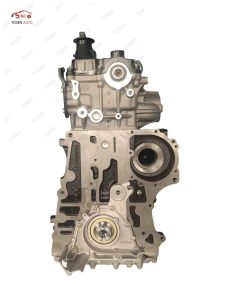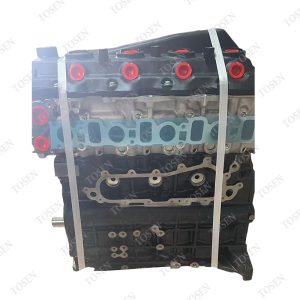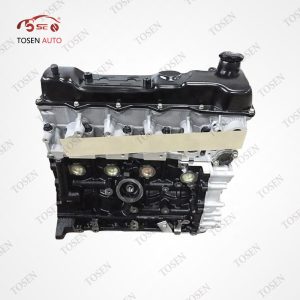
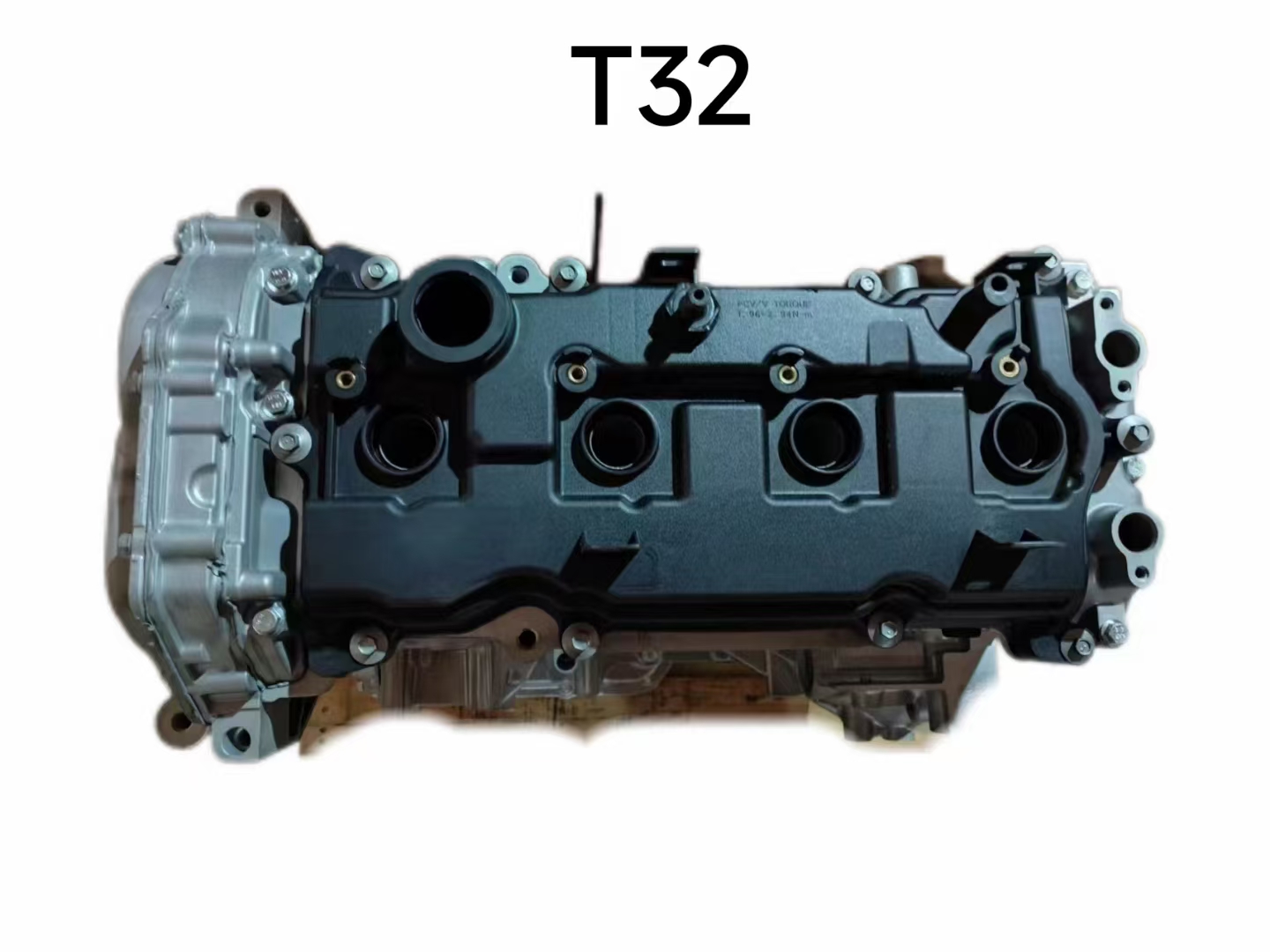
If you are pricing out a T32 engine replacement, you are probably tired of chasing vague listings and hoping the box matches your car. The T32 engine is a compact, fuel-focused power unit designed for daily drivers and crossovers, and it is a popular swap for shops and fleet buyers who want dependable performance without a full vehicle change. This guide walks through the checks that matter before you commit: matching the engine code to your VIN, understanding what a long block actually includes, deciding between new and remanufactured, and knowing how to protect yourself from damage claims and warranty confusion. By the end, you will know exactly what to ask a supplier before you place an order.
Confirming the T32 Engine Matches Your VIN and Engine Code
Fitment is the first and most expensive thing to get wrong. Before any money moves, your supplier should confirm three facts: the full VIN of the vehicle, the engine code stamped on the old block, and the model year. A workshop manual shows where engine serial and model codes are stamped and how to read them against the vehicle record, so this is a process you can verify rather than trust on faith. Toyota’s published service documentation, for example, walks technicians through locating and decoding engine identification marks on the block.
When a buyer sends only a model name like “crossover” or “compact,” a serious seller asks for more detail. That is a good sign, not a delay. The reason is simple: the same vehicle family can be built with different engines, different gearboxes, and different emission calibrations across years and markets. A VIN-based check removes guesswork and prevents the costly wrong-shipment that happens when parts are matched by name only.
Your side of the task is easy. Find the VIN on the dashboard or door sticker, snap a photo of the engine plate or the OE tag on the old unit, and write down the year. Hand those to the supplier together. If they quote you a price before asking for any of these, treat that as a warning flag. A careful buyer verifies the code first, then the price.
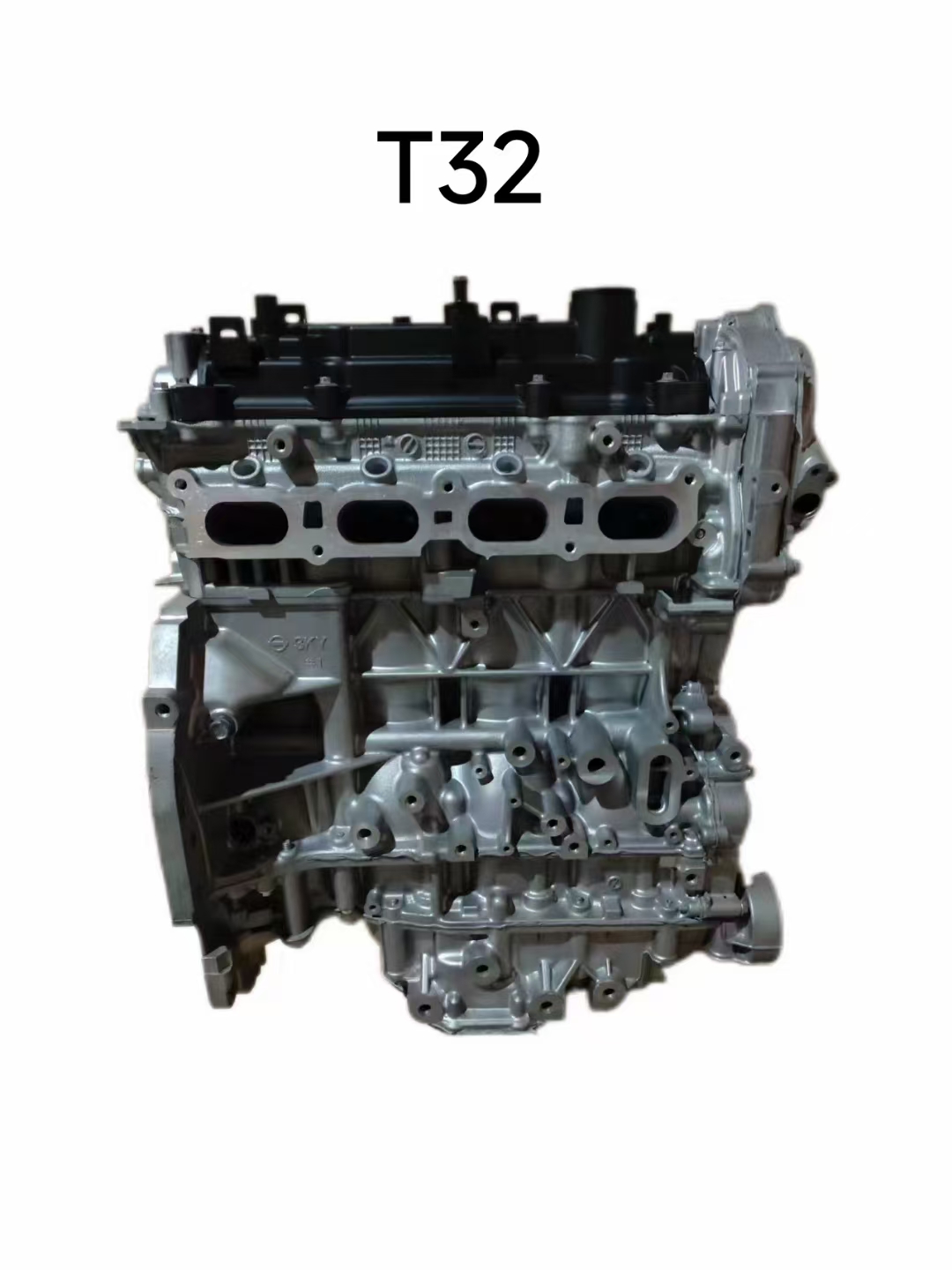
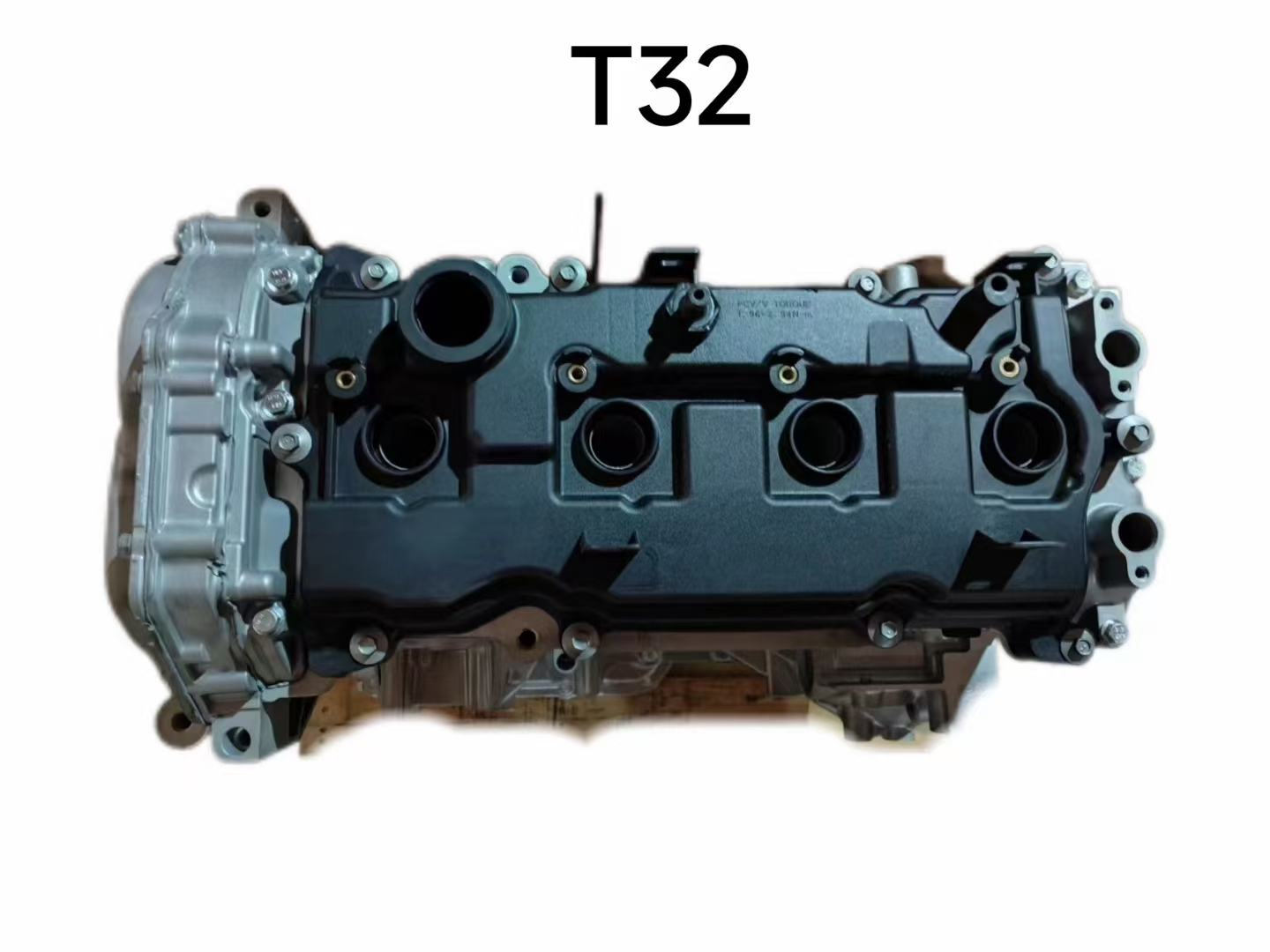
You can see the exact unit this guide refers to on our product page for the T32 Engine With Reliable Power And Fuel Efficiency, which lists the model identity and supply configuration in one place.
Long Block, Short Block, or Complete Engine: What You Are Actually Buying
Shop owners and fleet buyers often discover that two quotes with the same price are not offering the same product. The difference comes down to where the engine is cut off. A short block usually means the lower rotating assembly only: block, crankshaft, pistons, and rods. A long block adds the cylinder head, valve train, and often the oil pan and front cover. A complete engine adds the intake manifold, fuel system parts, alternator, starter, and other bolt-on accessories so the unit is ready to drop in.
For a T32 replacement, the boundary matters because it changes your installation cost and your responsibility list. If you buy a bare block, your mechanic must transfer and inspect every accessory from the old engine. If you buy a complete unit, most of that work is already done, but the crate is bigger and the freight is heavier. Neither choice is “wrong.” The right choice depends on your workshop’s labor capacity and how much you trust the old accessories.
Ask the seller for a written list of exactly what is bolted to the unit you are quoted. A one-line “long block” answer is not enough. Compare that list against your own installation plan before signing. This is also where a supplier’s product categories help you understand scope — our engine assemblies and long blocks category separates the tiers so you can see what each level includes before you ask for a quote.
New or Remanufactured? And How Is Condition Proven?
The new-versus-remanufactured decision is really a question about evidence. A brand-new unit has a cleaner paper trail: it was built from fresh parts and has never run. A remanufactured unit has been rebuilt to working condition, which usually means it has been tested after assembly. Both can be excellent value; both can be a gamble if the seller cannot show what was done.
Before you pay, ask how the unit is verified. Three tests matter more than any marketing language. First, compression: every cylinder should hold pressure within a narrow band, because a wide spread means uneven wear or a sealing problem. Second, oil pressure: the unit must produce steady pressure at idle and under load, which proves the oil pump, galleries, and bearings are sound. Third, sealing: the block, head, and gasket surfaces should show no signs of external leaks before the unit is ever installed. These checks are standard practice in professional engine service, and buying guides for replacement engines recommend asking for them explicitly.
A supplier that can describe its test procedure in plain terms — without inventing exotic certifications — is easier to trust than one that only promises “100% tested” with no detail. Ask whether the test was done cold or hot, and whether you can see test records before shipment. Real workshops keep records, and real suppliers share them.
If you want to see how the same reasoning applies to other Toyota-family engine swaps, our related technical guide walks through the fitment-first approach for Hiace and Hilux assemblies, and the same checklist logic carries over to any engine code you are matching.
Wooden Crates, Sea Freight, and Damage Checks on Arrival
An engine that passes every test in the workshop can still arrive damaged if the packaging is weak. This is especially true for sea freight, where containers are stacked, shifted, and exposed to heat and humidity for weeks. A wooden crate is the industry answer: it protects the unit from crush damage and from forklift accidents, and it keeps the engine stable when the container moves.
Your contract should state the packaging method in writing. When the crate arrives, inspect it before signing for delivery. Photo the outside from every angle, then open it with the driver present if possible. Look for dents in the crate, broken strapping, and any signs the unit shifted inside. If you spot damage, document it and notify the supplier immediately — most warranty conversations start and end at this moment.
This is a point where supplier experience shows. A seller that ships engines regularly will treat crate quality as part of the product, not an afterthought. Buyers who skip the arrival inspection often find themselves arguing about freight damage months later, when the evidence is gone.
Warranty Start and the First-Start Responsibility Line
Warranty language is where many engine deals go wrong, and the cause is usually a timing question. Does the warranty start when the crate leaves the factory, when it arrives at your port, or when the engine first runs? Those are very different dates, and each shifts the risk between buyer and seller.
Clarify two things in writing. First, the start point: a warranty that begins at shipment is shorter in practice than one that begins at installation, and a supplier should be able to state this plainly. Second, the responsibility line for first start: most suppliers will not cover damage caused by bad installation, wrong coolant, skipped oil changes, or engine abuse after installation. That is fair and normal, but the boundary must be agreed before the engine is fitted, not discovered later when a claim is denied.
A responsible buyer does the same pre-start checks every good mechanic does: correct oil and filter, coolant topped and bled, no loose wiring, and a careful first crank to confirm oil pressure before full throttle. Treat the first start as a shared test of both the engine and the installation. If the supplier gives you a written first-start checklist, follow it exactly and keep the record.
Frequently Asked Questions
How do I know if a T32 engine fits my vehicle?
Send the supplier your full VIN, the engine code stamped on the old block, and the model year. The VIN is the most reliable match because it captures market, build date, and option differences that a model name cannot.
What is the difference between a long block and a complete T32 engine?
A long block is the block and head with internal rotating parts, usually including the oil pan and front cover. A complete engine adds bolt-on accessories like the intake, alternator, starter, and fuel parts. Confirm the inclusion list in writing before you order.
New or remanufactured — which is better for a replacement engine?
Both can be good. What matters is evidence: ask how the unit was tested, including compression, oil pressure, and sealing checks, and whether you can see test records before shipment.
Who pays if the engine is damaged in shipping?
Damage is a contract question. Agree on crate type and inspection steps in advance. Photo the crate on arrival and report damage to the supplier immediately, while the evidence is fresh.
When does the warranty start on a T32 engine?
Warranty start can be shipment, arrival, or first start. Ask your supplier to state the exact start point and the first-start responsibility line in writing before you pay.
Get a Fitment-Confirmed Quote
Every check in this guide comes down to one habit: never buy an engine from a quote that skipped the verification step. The fastest way to protect your shop or your fleet is to give a supplier the information that removes guesswork.
Submit your VIN, old-part label / OE number, vehicle model year, quantity, and destination port, and get a fitment-confirmed quote before you commit. That single step turns a blind purchase into a confirmed replacement.
References
- Toyota Hilux Repair Manual — engine identification and service procedure: https://toyotamanuals.gitlab.io/hiluxoct2010/rm/dr174e/m_14_0051.pdf
- Toyota NCF Series Service Manual — drivetrain and power unit checks: https://toyotamanuals.gitlab.io/pz471-zx006-ca/htmlweb/ncf/ncf210e/m_nf_0020.pdf
- United Engine — Replacement Engine Buying Guide: https://unitedengine.com/replacement-engine-buying-guide/