The Isuzu NQR 10:41 differential is one of the most requested drivetrain units in the light-truck aftermarket, and for a good reason: the NQR is a workhorse around the world, and its rear axle carries heavy loads every working day. A “10:41” marking means 41 teeth on the crown wheel and 10 on the pinion, which works out to about a 4.10 final drive ratio. That simple number decides how the truck pulls a load, how fast it cruises, and how much fuel it burns. This guide walks you through everything a buyer needs to confirm before ordering: reading the ratio correctly, matching the axle and housing, choosing between a complete assembly and a ring-and-pinion set, checking tooth contact and backlash, and settling the noise-warranty question before money changes hands.
How to Read the 10:41 Ratio and Why It Matters
The ratio is the heart of the buying decision. On an Isuzu NQR differential, the ratio is usually stamped on the axle nameplate, printed on a small tag, or marked on the crown wheel itself. The format is simple: “10:41” means the pinion has 10 teeth and the crown wheel has 41. Divide 41 by 10 and you get 4.10, so the driveshaft turns 4.10 times for every full turn of the axle shafts.
Why does this matter to a buyer? Because the NQR family uses several ratios across different models and markets. If you fit a 9:41 or 8:43 set into an axle that was built for 10:41, you change the truck’s pulling power, top speed, and fuel use. A taller ratio such as 8:43 (5.38) gives more torque for heavy hauling but slower cruising. A shorter ratio such as 10:41 gives balanced all-round performance for a 3-4 ton load. You can double-check the math with a free online tool; Dana Spicer’s gear ratio calculator lets you enter pinion and ring teeth to confirm the ratio and the speed change before you order, which is a useful habit for any parts buyer.
Before you quote a replacement, find the ratio on the vehicle itself. Look for the axle tag, the build plate, or the existing crown wheel stamping. If the old part is removed, photograph the teeth and count them. Your supplier needs this number, not a guess from the model name alone.
Front or Rear Axle: Confirm Which End You Are Replacing
The NQR is a rear-drive truck, so the differential that carries most of the load is at the back, and that is where the 10:41 complete gear system belongs. But buyers still need to say the axle location out loud, because the front and rear axles are not the same unit, and neither is the way they are mounted.
Rear axles on the NQR handle the drive torque and the full cargo weight. The housing is larger, the axle shafts are heavier, and the differential carrier is built for continuous load. A replacement must match the housing style, the axle-shaft spline count, the bearing seats, and the carrier mount of the vehicle. A unit that fits one NQR variant may not bolt into another, even when the ratio is the same.
Ask the seller to confirm the axle position in the quotation. A careful supplier will ask you for the axle type or housing details rather than assume “NQR” is enough. If you have the old part, send photos of the housing, the flange, and the stamped ratio. That set of photos removes more guesswork than any model-name conversation.
Housing, Splines and Bearings: What Has to Match Exactly
Ratio is not the only fitment question. The housing, splines, and bearings are the mechanical handshake between the differential and the rest of the axle, and a mismatch here means a unit that will not install or a short life after it does.
Start with the carrier and housing style. NQR axles use a specific carrier profile, and the differential bolts into it with a defined bolt circle. Then check the axle-shaft splines: the side gears inside the differential must mesh with the spline count and diameter of the shafts already in the truck. Finally, the bearings carry the pinion and the carrier under load; the bearing part numbers are the clearest way to prove a match, because they are standard components with traceable numbers.
A complete assembly from a supplier who lists the housing, spline, and bearing details is far easier to fit than a bare gear set that still depends on your old carrier being healthy. When the old carrier is worn, cracked, or already out of the truck, the complete assembly is usually the lower-risk purchase.
Complete Assembly or Ring-and-Pinion Set: Which Should You Buy?
This is the decision that separates a fast repair from a project. A complete differential gear system includes the carrier, the crown wheel and pinion, the differential gears, bearings, and seals assembled and set up. A ring-and-pinion set is just the two gears; you reuse your old carrier and pay a technician to set it up with correct backlash and contact.
The Isuzu NQR’s 10:41 unit is available both ways. For a workshop that does not want to chase old-bearing failure or carrier wear, the complete assembly is the straightforward option: you bolt it in, set the axle shafts, and the axle is back on the road. For a buyer who already has a healthy carrier and a good technician, a gear set costs less. The trade-off is setup risk: a gear set is only as good as the shimming, backlash, and contact-pattern work done during installation.
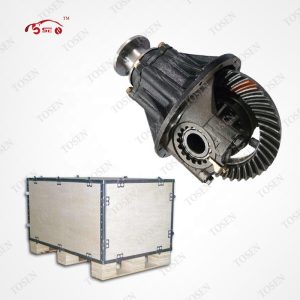
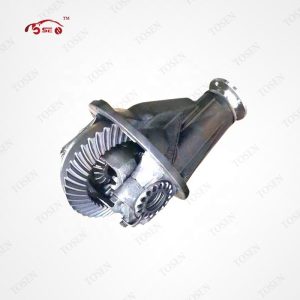
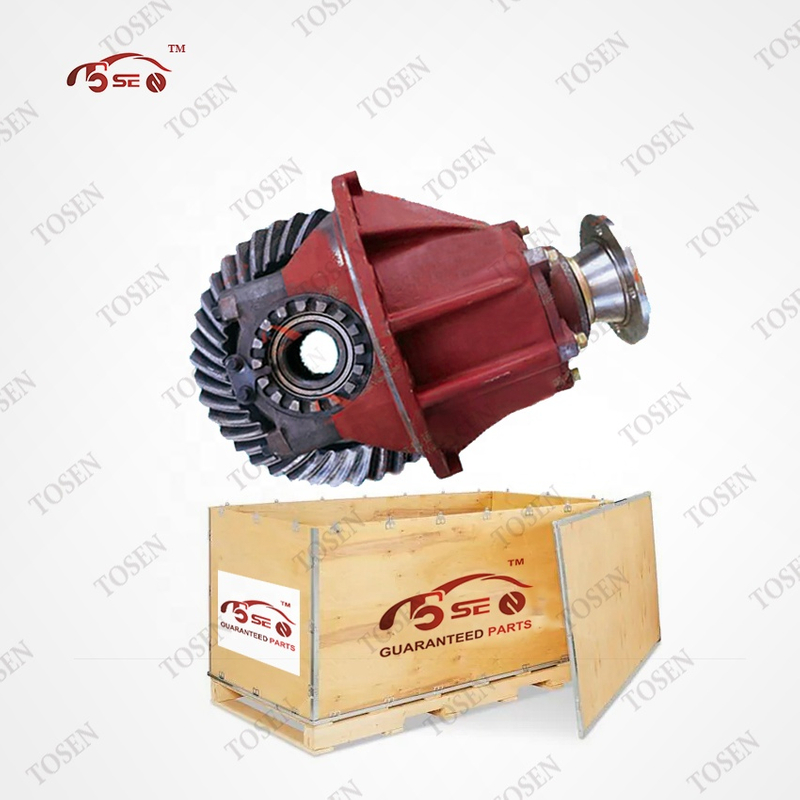
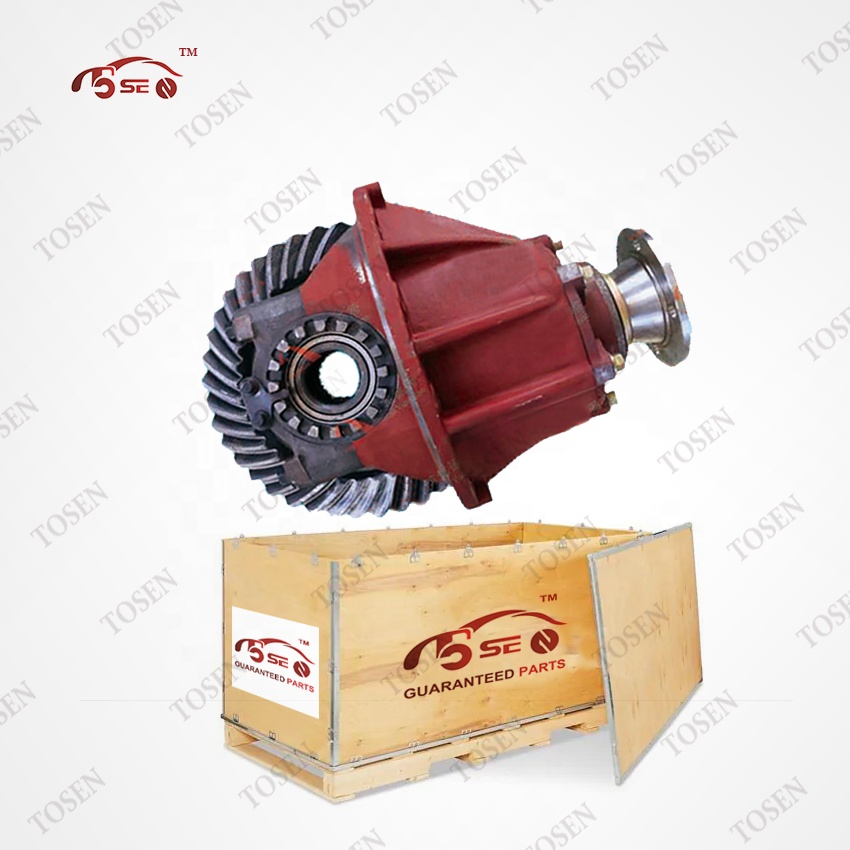
If downtime is your biggest cost, or if the old carrier is in unknown condition, the complete assembly wins. That is exactly the unit we build, and you can see the supplied configuration on our ISUZU NQR Complete Differential Gear System, 10 41 Ratio product page, which lists the assembly contents and the ratio as supplied.
Tooth Contact Pattern and Backlash: The Quality Checks Buyers Should Demand
Gear quality is not visible in a photo. The two checks that reveal it are the tooth contact pattern and the backlash, and every serious buyer should know what they mean before paying.
The contact pattern is the area where the pinion and crown wheel teeth actually touch under load. On a correctly set-up gear set, the pattern sits near the center of the tooth face, covering a good portion of the flank without crowding the edges. A pattern that is too high, too low, or at the edge means the gears will run noisy and wear fast. Technicians check this by painting the teeth and turning the gears, then reading where the paint wears off.
Backlash is the small clearance between the teeth of the two gears. It is not play to be eliminated; a set amount is necessary for the oil film and for thermal expansion. The spec for a light-truck rear axle is typically a few thousandths of an inch, and the reading should stay consistent around the whole crown wheel. A buyer who sees a backlash figure in the quotation is dealing with a supplier who has actually checked the unit, not just boxed it.
Noise after installation is the most common dispute, and it is almost always a setup issue: wrong backlash, poor contact, or a reused worn bearing. When you buy the complete assembly, ask the supplier to confirm the setup readings before shipping, so there is a clear baseline. You can compare our supplied units and the range we stock in our differential assemblies and gear sets category.
Heavy-Load Duty, Warranty and the Noise Responsibility Line
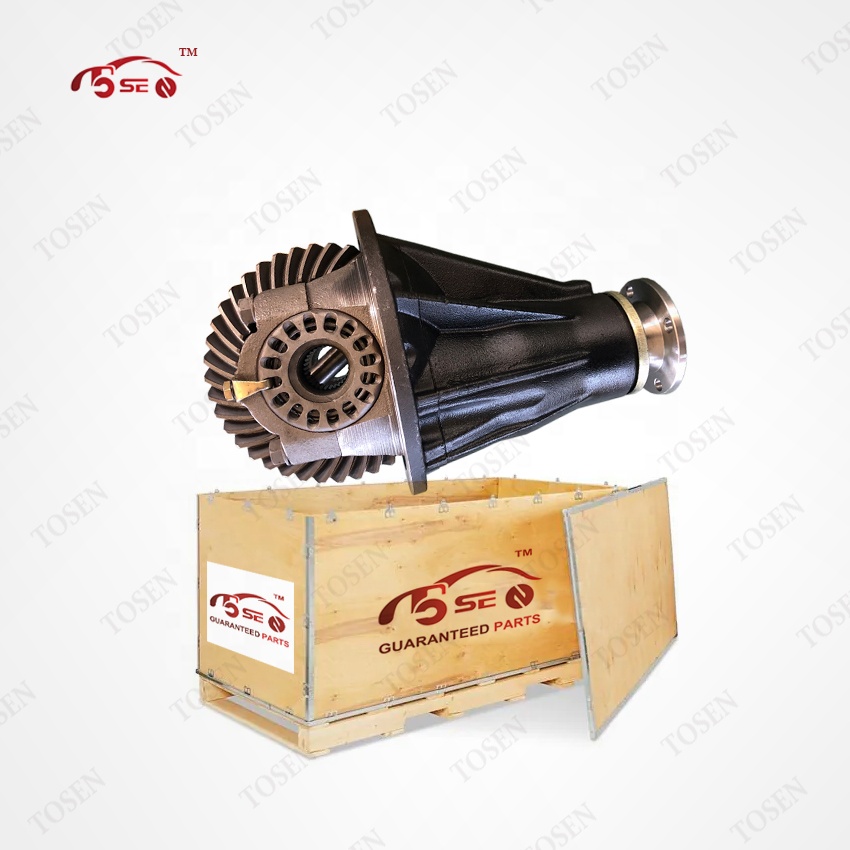
The NQR lives at the heavy end of the scale, and the differential is the component that never gets a rest. Full-load starts, tight-yard maneuvering, and continuous highway miles all put heat and shock into the gear teeth. This is why the design duty of the unit matters as much as the ratio. The complete assembly built for the NQR rear axle is sized for that duty; a passenger-car set will not survive the same use.
Before you commit, agree on where the warranty boundary sits. A supplier’s warranty normally covers the supplied parts against defects in material and workmanship, not against installation mistakes. The three most common causes of early differential failure are all installation-related: incorrect backlash, incorrect contact pattern, and old bearings reused into a new carrier. That is why the setup readings matter so much: they prove the unit left the factory correct, and they put the responsibility line in writing.
Keep the setup records with the invoice. If the unit is quiet and correct at the first start, the record is simply good paperwork. If a noise appears later, the record tells you whether it was the part or the install. A supplier that documents what it ships is a supplier worth keeping, because the paperwork is what settles the dispute.
For a deeper explanation of how ratios and tooth counts work together across axles, read our related technical guide on differential ratios and crown-and-pinion math.
Frequently Asked Questions
What does 10:41 mean on an Isuzu NQR differential?
It means the crown wheel has 41 teeth and the pinion has 10, which gives a final drive ratio of about 4.10:1. The driveshaft turns 4.10 times for every full turn of the axle shafts.
Is the 10:41 ratio the same for the front and rear axle?
No. The NQR is rear-wheel drive, so the drive differential is at the rear. Front and rear axles are different units with different housings and mounts. Always state the axle position when ordering.
Should I buy a complete differential assembly or just the ring and pinion?
If your old carrier is healthy and you have a good technician, a gear set is cheaper. If the carrier is worn or unknown, or downtime is expensive, a complete assembly is the lower-risk choice because it ships pre-set with bearings and seals.
How can I verify the ratio without removing the differential?
Check the axle nameplate or build tag for the ratio stamp, or count the teeth on the crown wheel and pinion when the part is out. The tooth counts confirm the ratio better than any model-name guess.
What causes differential noise after a new gear set is installed?
Usually setup, not parts: incorrect backlash, a poor tooth contact pattern, or reused worn bearings. Ask your supplier for setup readings before shipping so there is a clear baseline for warranty.
Can the complete 10:41 system handle heavy loads?
Yes. The complete gear system built for the NQR rear axle is designed for the truck’s heavy-load duty, with the housing, bearings and gear set sized for continuous working loads.
Get a Fitment-Confirmed Quote
Submit your VIN, old-part label / OE number, model year, quantity, and destination port to receive a fitment confirmation and a quote. Send photos of the old housing and the stamped tooth count as well, and the same details that prove fitment become the records used to ship the correct Isuzu NQR 10:41 differential gear system for your truck.
References
- Dana Spicer — Gear Ratio Calculator (tooth-count math): spicerparts.com/calculators/gear-ratio-calculator
- Isuzu Parts Catalogue (OE-based identification): isuzucomlen.com — Download Catalogues
- Quaife — Crown Wheel and Pinion Products: quaife.co.uk/quaife-products/crown-wheel-pinions