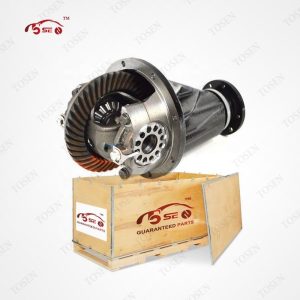
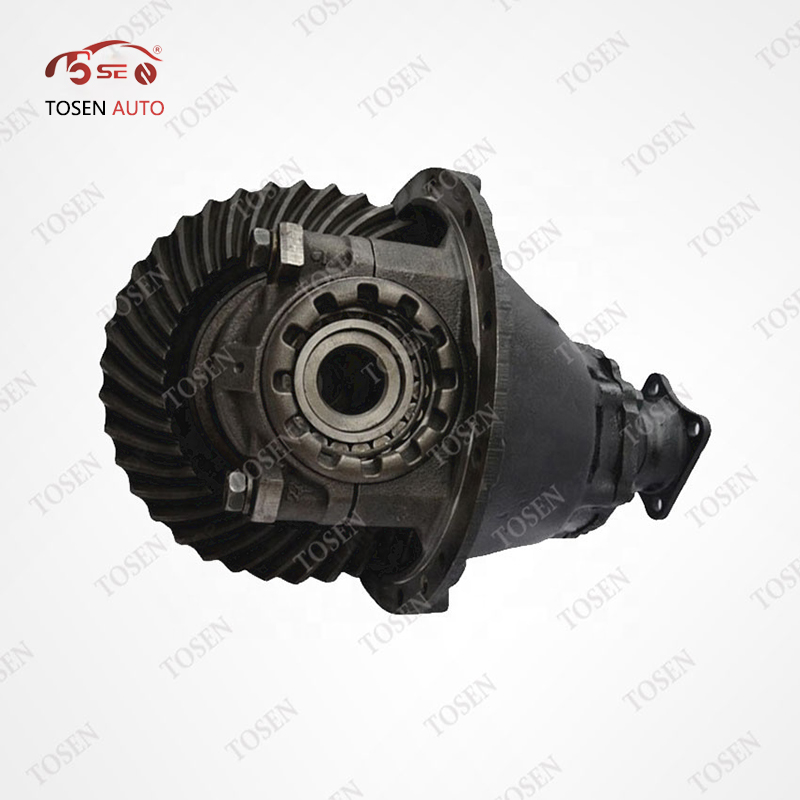
The Mitsubishi Fuso PS100 6×40 differential is the rear axle unit found on a wide range of Mitsubishi Canter light trucks. Owners, workshops, and fleet buyers search for this part by its ratio code — “6×40” — because the ratio decides how the truck pulls, how fast it cruises, and whether a replacement part matches the axle already fitted. This guide explains what the 6×40 code means, how to read the ratio off your axle, how to confirm front or rear fitment, and what to verify before you spend money on a heavy-duty differential.
What Does the “6×40” Ratio Code Actually Mean?
A differential’s ratio is the relationship between the ring gear and the pinion gear. The “6×40” code means the crown wheel has 40 teeth and the pinion has 6 teeth. To get the speed ratio, you divide the crown teeth by the pinion teeth: 40 ÷ 6 = 6.67. So a 6×40 differential is a 6.67:1 ratio. Some sellers write the same part as “6:40”, “6×40”, or “6.67:1” — they all describe the same axle.
Why does this matter so much? A lower numeric ratio (like 5.13:1) gives higher top speed but weaker pulling power. A higher ratio (like 6.67:1) gives stronger pulling at low speed, which is what a loaded Canter needs when it climbs, merges, or carries cargo. If you bolt in the wrong ratio, the truck either loses pulling power or the engine revs too high on the highway. That is why the ratio is the single most important check when buying any Canter differential.
Spicer’s gear ratio calculator explains the same math — you enter the ring and pinion tooth counts and it returns the ratio. Any seller who cannot tell you the tooth count behind their ratio code should be a red flag, because the number alone does not tell the full story. The code is only useful when you can confirm the crown teeth and pinion teeth against your old axle.
For buyers who already know their axle needs a 6×40, you can review the exact unit supplied for the PS100 on the Mitsubishi Canter Fuso PS100 Differential Assy 6×40 | Heavy-Duty Spare Part product page, which lists the application and the supplied configuration.
Front or Rear Axle — Which One Does Your Truck Need?
Mitsubishi Canter trucks with the PS100 model family can carry a differential in the rear axle, and on 4WD versions, a differential in the front axle too. These are not the same part. A rear differential is designed to sit under the load of the cargo box and is normally the unit that fails first on a hard-working truck. A front differential on a 4WD Canter has a different housing, different flange, and different mounting because it has to steer and drive at the same time.
Before you order, answer two questions. First: which axle is making the noise or leaking? Second: is your truck a rear-drive model or a 4WD model? A rear-drive Canter almost always needs the rear differential. A 4WD Canter needs you to state the axle clearly, because the front and rear ratios must match each other to avoid driveline binding in four-wheel drive.
The simple way to confirm: look at the old differential before you remove it. Check the axle housing, the mounting, and the flange pattern, then photograph it. The seller can match those details against the unit you are buying. You can also browse the full range of differential assemblies and gear sets to see the PS100 family alongside other heavy-duty axles, which makes it easier to compare what is actually available before you commit.
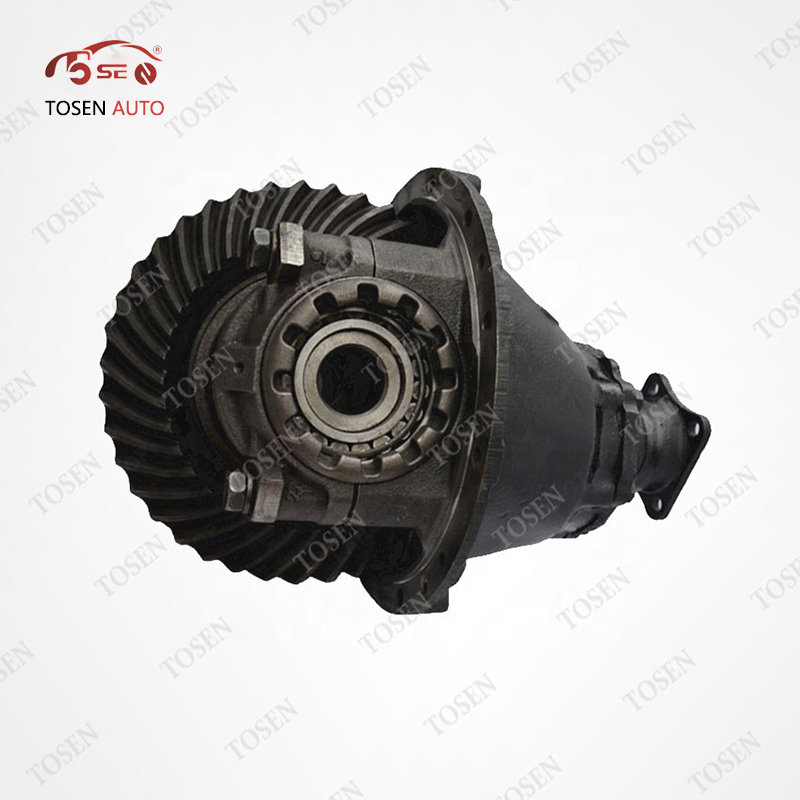
Housing, Spline and Bearings — the Fitment Match Checklist
Even when the ratio is correct, a differential can still be the wrong part. Three more details must match your old axle: the housing, the spline, and the bearings. The housing must have the same mounting points and the same shape so it bolts to your axle tubes. The spline — the teeth cut into the side shafts and the pinion — must match the axle shafts already in your truck. The bearings must match the housing bores and the preload the axle was built for.
These details are exactly where cheap “one size fits many” listings fail. A listing that only says “PS100 differential” without confirming the spline count, the flange bolt pattern, or the bearing fit is guessing. The right process is simple: send the seller a photo of the old unit’s flange and spline, plus the OE number or axle code if you have it, and ask them to confirm each point in writing before you pay.
This is also the moment to decide how deep your verification goes. The technical logic behind matching crown and pinion teeth, backlash, and axle codes is laid out in our related technical guide, which walks through ratio codes and crown-and-pinion matching in more detail. Read it once and you will be able to spot a vague listing within minutes.
Crown Wheel and Pinion Set, or Complete Differential Assembly?
Buyers face a fork in the road: replace just the crown wheel and pinion set, or replace the complete differential assembly. The right choice depends on what failed. If the carrier and housing are good but the gears are worn or the tooth pattern is damaged, a crown wheel and pinion set is the economical path. If the carrier bearings, side gears, or housing are worn out too, a complete assembly saves hours of teardown and reduces the risk of a second failure.
Quaife, a specialist in crown wheel and pinion sets, makes the same point that the gear set and the carrier must be treated as a matched team — the contact pattern between the crown and pinion is set during setup, not after installation. That is why a loose “set” sold without setup guidance can be a trap for a workshop that has never set up a differential. A complete assembly arrives pre-assembled with the contact pattern already established, which is why fleets and busy repair shops often choose it.
For heavy-duty applications, the crown wheel and pinion must also be made from material that holds up under load. TosenAuto supplies the PS100 differential family with new, 100% tested units — the original TosenAuto listing for the 6×40 assembly states condition “New”, a 12-month warranty, and OE NO. PS100 for replace/repair applications. Those are the kind of specifics a buyer should demand, not vague promises of “good quality”.
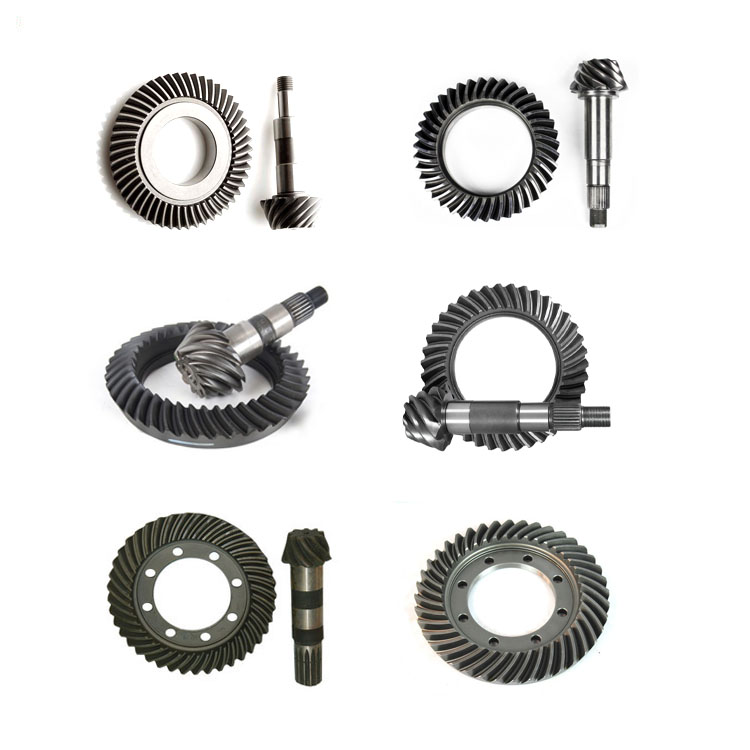
Backlash, Tooth Contact and the Noise Question
Two measurements decide whether a differential will run quiet and last: backlash and tooth contact pattern. Backlash is the small gap between the crown and pinion teeth that stops them binding when the truck changes load direction. Too little backlash and the gears bind and overheat; too much and they clunk and wear fast. A reputable supplier tests each assembly for correct backlash before it ships, and should be able to tell you the value on request.
Tooth contact pattern is the visible wear mark where the pinion teeth meet the crown teeth. If the pattern sits at the edges instead of the center, the gears will whine even when new. Sierra Gear’s differential repair topics explain why contact pattern is checked with marking compound during setup — a step that only works on a correctly assembled unit. On a used or cheaply assembled differential, an off-center pattern is the number one cause of “it whines from day one” complaints.
That leads to the noise question, which every buyer should settle before money changes hands. Rear-axle noise is the most common complaint after a differential swap, and it is rarely clear-cut who is responsible. The fair arrangement: the supplier is responsible for a quiet, correctly set assembly as shipped, and the installer is responsible for correct fitment, oil level, and running it in. Get that line agreed in writing, and photograph the unit at delivery so the condition is documented on both sides.
Heavy-Duty Fitment — What Loaded Work Demands
A Canter that carries cargo every day puts steady, high torque through the rear differential. Heavy-duty fitment is not just a marketing word; it means the unit must handle repeated loading without premature gear or bearing wear. That starts with correct ratio selection (6.67:1 pulls loads strongly), continues with matched housing, spline and bearings, and finishes with a verified contact pattern and backlash before shipment.
Workshops servicing Canter trucks should also factor in running-in. A new or rebuilt differential should be driven lightly for the first few hundred kilometres, then have the oil changed if the manufacturer recommends it. Metal particles from seating-in are normal; large metal pieces, a howl that grows louder, or a clunk under load are not. Catching those early is what separates a cheap repair from a reliable one.
Frequently Asked Questions
How do I calculate the ratio of my PS100 differential from the tooth count?
Divide the number of teeth on the crown wheel by the number of teeth on the pinion. For a 6×40 unit: 40 ÷ 6 = 6.67, so the speed ratio is 6.67:1. Confirm the tooth counts on your old gears before ordering.
Is a 6×40 PS100 differential the same for the front and rear axle?
No. Rear-drive Can ters use a rear differential; 4WD versions also carry a front differential with a different housing, flange, and mounting. State the axle clearly and match the old unit’s photos before ordering.
Should I buy a crown wheel and pinion set or a complete differential assembly?
If the carrier and housing are healthy, a gear set is the economical choice. If bearings, carrier, or housing are also worn, a complete assembly saves labour and reduces the risk of a second failure.
How can I verify backlash and tooth contact before I buy?
Ask the supplier for the backlash value and for evidence of a correct tooth contact pattern, ideally a test record or photo. Marking-compound checks are standard practice in differential setup, so any serious supplier can show you one.
Who is responsible if the differential makes noise after fitment?
The supplier is responsible for a correctly assembled, quiet unit as shipped; the installer is responsible for correct fitment, oil level, and running-in. Agree on that line in writing before purchase and photograph the unit on delivery.
Get a Fitment-Confirmed Quote
Submit your VIN, old-part label / OE number, model year, quantity, and destination port to receive a fitment confirmation and a quote. Include photos of the old differential and the tooth count if you can — that closes the loop between the ratio code and the exact unit that will ship for your Mitsubishi Canter PS100.
References
- Spicer Gear Ratio Calculator — ring and pinion tooth count math: spicerparts.com/calculators/gear-ratio-calculator
- Quaife Crown Wheel & Pinions — matched gear set and setup practice: quaife.co.uk/quaife-products/crown-wheel-pinions
- Sierra Gear Differential Repair Help Topics — backlash and tooth contact pattern: sierragear.com/differential-repair-help-topics
- First Choice Auto Part Differential Gear Ratio Guide — ratio selection for trucks: firstchoiceautopart.com/blog/differential-gear-ratio-guide