The Toyota 2KD engine is the 2.5-litre common-rail diesel that powers a huge share of Hiace vans and Hilux pickups on the market today. When the original unit fails, most buyers face one real question: should they order a long block or a complete assembly? The two options look similar in a listing photo but differ in what is bolted on, how much labour your shop must spend, and where the warranty starts. This guide compares both forms of Toyota 2KD engine parts, explains the part boundary in plain language, and shows you the checks that keep a bad order from turning into a second rebuild.
Start With the Engine Code, Then the VIN
Every smart buying decision for Toyota 2KD engine parts begins before the engine is even priced. You need two identifiers to agree: the engine code stamped on the old block and the VIN of the vehicle. The code is usually 2KD-FTV, and it is punched into the block where Toyota’s published Hilux repair manual shows you to look. The VIN ties that code to the exact model year, market, and body style.
Why does this matter so much? The Hiace and the Hilux share the 2KD family, but they are not identical in every market. Turbo sizing, injection calibration, and bellhousing patterns can differ by year and by region. A long block built for a Hiace van can sit in front of a different bellhousing than the one on a Hilux double cab. A model name alone is not enough to tell the difference. The VIN is.
A careful supplier will ask for the VIN before quoting, and that is a good sign. It means they are checking the variant instead of selling you the first listing that matches the model name. It also protects you: a wrong-shipment of a crate this size is expensive to return. Line up the VIN, the engine code, and the model year before you message any seller, and the whole conversation moves faster.
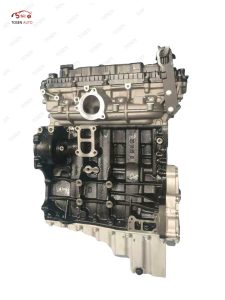
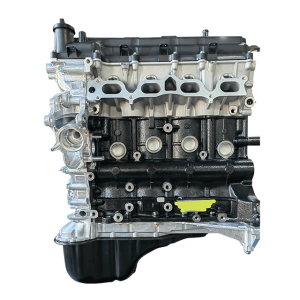
Once your identifiers are confirmed, you can look at the exact unit built for this family on our Car Engines for Toyota 2kd Engine Parts page, which lists the configurations we supply and the fitment data to confirm against.
Long Block vs Complete Assembly: Where the Part Boundary Sits
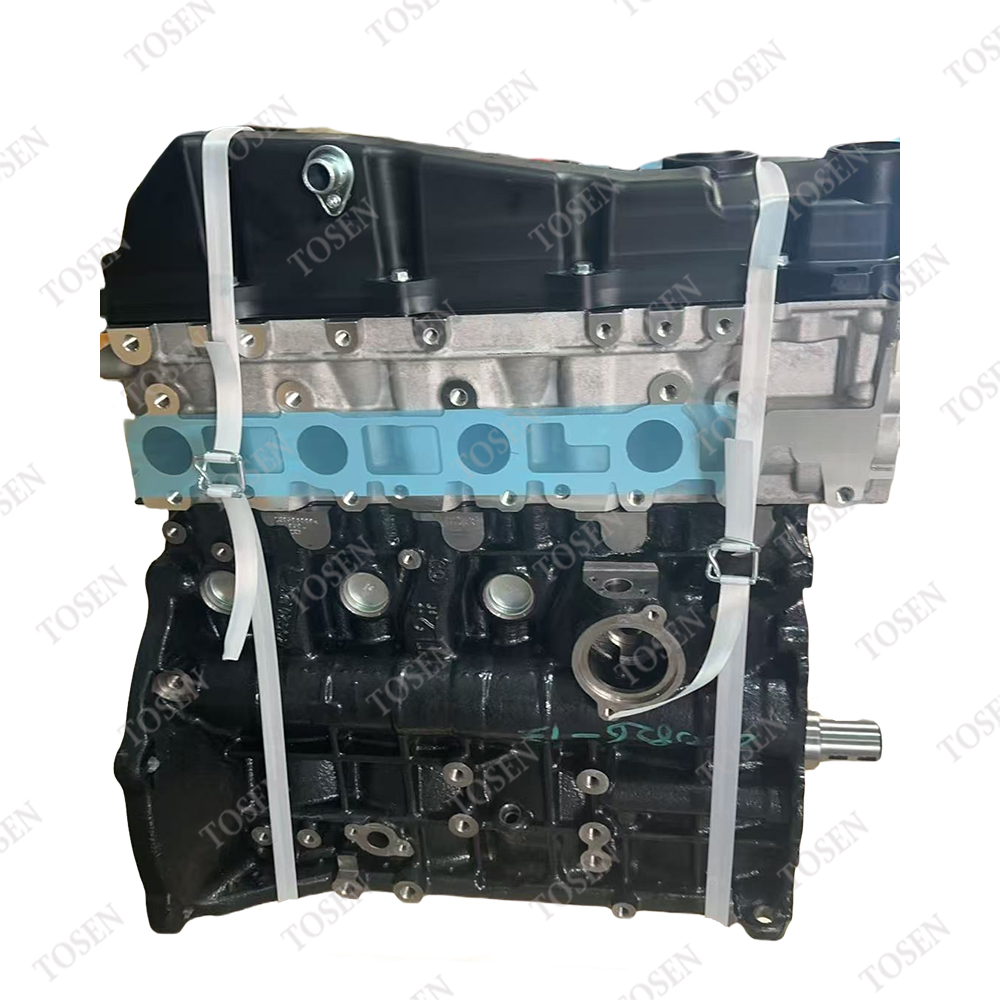
The single biggest source of confusion when buying Toyota 2KD engine parts is the part boundary. Sellers use short block, long block, and complete assembly loosely, and the names are not standard across the industry. The difference is simple once you draw the line: a short block is the bottom end, a long block adds the head and valve gear, and a complete assembly adds the bolt-on parts that make it run.
Here is how the boundary breaks down for the 2KD-FTV:
- Short block: cylinder block, crankshaft, pistons, rods, and bearings. You keep your cylinder head, turbo, manifolds, and accessories and rebuild around them.
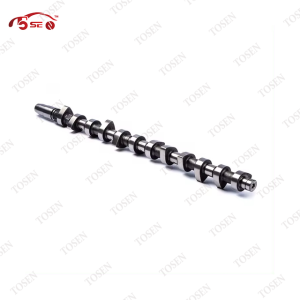
- Long block: the short block plus the cylinder head, valvetrain, camshaft, timing cover, and a gasket set. You still transfer the intake and exhaust manifolds, turbo, injectors, sensors, and front dress from the old engine.
- Complete assembly: a long block plus the manifolds, turbo, injectors, fuel system parts, and most accessories. You keep little more than the harness and mounts.
Each step up the ladder removes work from your workshop but adds cost to the crate. A long block suits a shop with a capable mechanic who wants to reuse the healthy accessories. A complete assembly suits a fleet or an importer that wants the shortest possible downtime and a unit that is closer to drop-in. There is no universal “right” answer; there is only the answer that matches your budget, your labour, and your tolerance for risk.
To see the full range of units available in this category, browse our engine assemblies and long blocks category and compare the listed configurations side by side.
Which Toyota 2KD Engine Parts You Reuse From the Old Unit
The part boundary decides what walks across from your old engine, and that list drives your parts order and your labour plan. With a long block, the reuse list usually looks like this: intake manifold, exhaust manifold, turbocharger, injectors, fuel rail, sensors, and the front dress of pulleys and belts. With a complete assembly, most of that list disappears because the new unit ships with the parts already installed.
Plan the transfer before the crate arrives, not after. Check the condition of the parts you plan to reuse. A turbo with shaft play or an injector with a leaking washer will turn a good long block into a return visit, so test them while the engine is still out of the vehicle. Order the gaskets and seals for the transfer parts at the same time as the engine, because nothing slows a rebuild like a missing intake gasket found halfway through assembly.
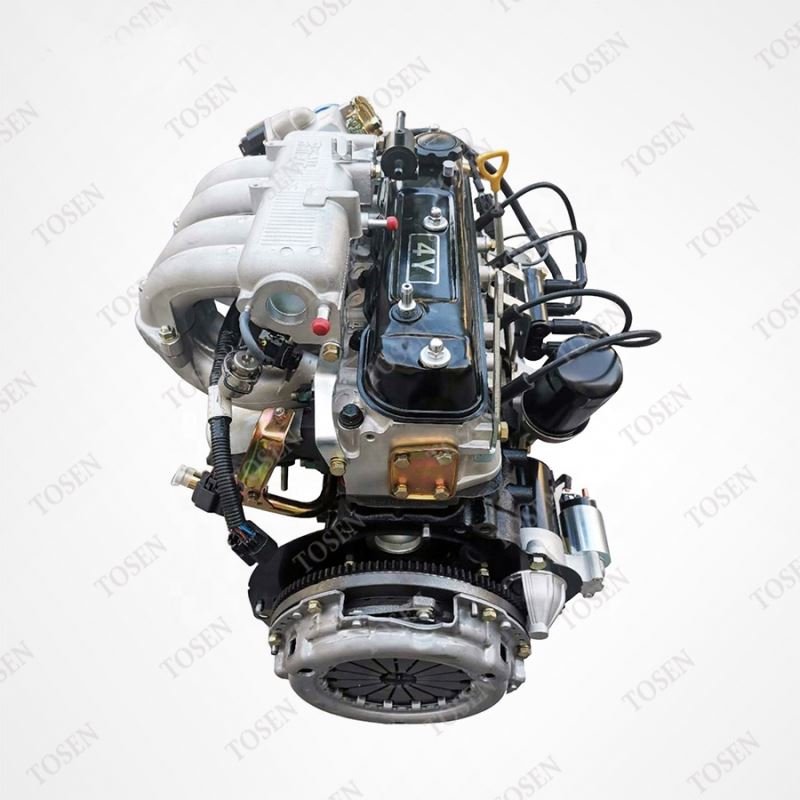
There is also a cost angle worth thinking about. Reusing healthy parts saves money, but every reused part is a variable you carry into the job. If the old injectors are at the edge of their service life, the saving is false economy. Put a number on the condition of each transfer part and decide with the data in front of you.
New or Remanufactured: Reading the Condition Before You Pay
Toyota 2KD engine parts come as new units and as remanufactured units. A new unit is built from fresh castings and new components. A remanufactured unit starts with a used core that is machined back to specification with worn parts replaced. Both can be excellent. The label alone does not tell you which one you are really getting, and the test data does.
Ask for two numbers on every unit before you commit: a compression reading across all cylinders and an oil-pressure reading at operating temperature. Independent buying guides such as United Engine’s replacement engine guide make the same point: verified compression is the single best signal that the bottom end is healthy. Toyota’s own workshop manual defines the compression and oil-pressure test procedure, so you can hold a supplier to the same standard you would use in your own bay.
If a seller cannot produce a compression or oil-pressure figure, treat that as a red flag, not a minor detail. For a workshop, documented results also set the baseline for warranty later. They are the proof of the condition the engine left the factory floor in. New units avoid the variability of a used core; reman units usually cost less but deserve the same inspection you would give a rebuilt unit in your own shop.
Crate, Sea Freight, Warranty and the First-Start Line
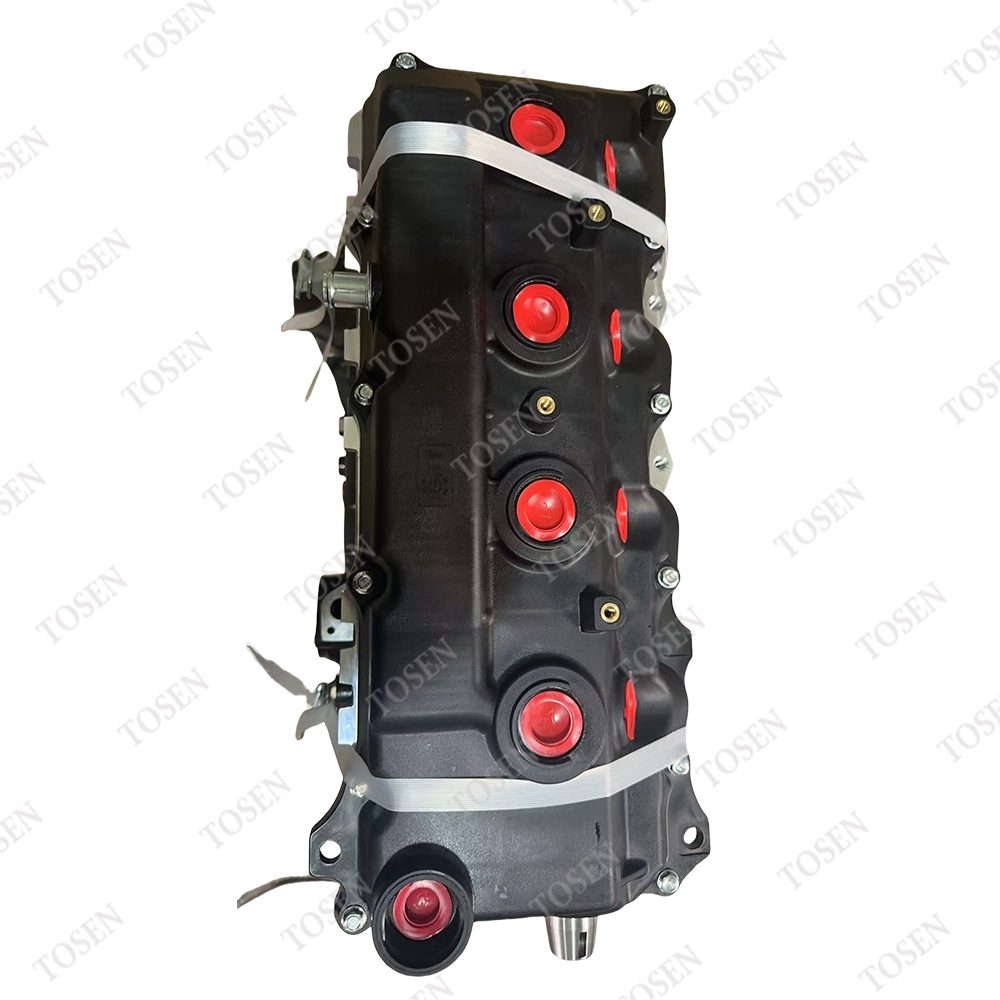
A 2KD long block or complete assembly usually travels across an ocean in a wooden crate. Crating is more than packaging theatre: it keeps moisture off the bare machined surfaces, stops the casting from cracking under transit loads, and lets the unit arrive ready to inspect. When the crate lands, photograph it before you open it and again as you unpack. Any damage you find should be reported to the carrier and the seller while the driver is still there.
Warranty is the other half of the deal, and it lives or dies on two things: when it starts and what it covers. Agree on the start date in writing before you pay. It should be anchored to a clear event, such as the shipping date or the arrival date, not to a vague promise. Also agree on the boundary of responsibility: most warranties cover the supplied assembly against defects, not against installation mistakes.
The first-start line is where that boundary gets tested. With a long block, you fit your manifolds, turbo, and injectors, prime the oil system, and carry out a controlled first start. With a complete assembly, the list is shorter but the discipline is the same. Pre-fill the oil filter, crank with the fuel supply disabled until oil pressure builds, then start and watch for smoke, noise, and temperature. Record the cold compression and oil-pressure figures and keep them with the invoice. They become the reference point if a claim ever comes up.
For the full selection logic across Hiace and Hilux variants, our related technical guide walks through the decision step by step.
Frequently Asked Questions
How do I know whether my Hiace or Hilux has a 2KD-FTV engine?
Check the engine code stamped on the block, then match it against the VIN and model year. The code is usually 2KD-FTV for the 2.5-litre diesel, and a supplier can confirm the variant once you share your VIN.
What is the difference between a long block and a complete assembly?
A long block includes the short block plus the cylinder head, valvetrain, camshaft, and timing. A complete assembly adds the manifolds, turbo, injectors, and accessories. The extra parts remove labour from your shop but add cost to the crate.
Should I buy a new or remanufactured 2KD engine?
Both can be sound if the seller gives you compression and oil-pressure test results. New units avoid the variability of a used core. Reman units usually cost less but need verified machining and crack-test records.
Which parts must I transfer from my old 2KD engine?
With a long block, you transfer the intake and exhaust manifolds, turbo, injectors, sensors, and front dress. With a complete assembly, that list shrinks to mostly the harness and mounts. Test the transfer parts before the new unit arrives.
When does the warranty on a 2KD engine start?
Agree on the start event in writing before you pay. It is usually anchored to a clear date such as shipping or arrival. Confirm whether it covers the supplied assembly only, and where the installer’s responsibility begins.
Get a Fitment-Confirmed Quote
Submit your VIN, old-part label / OE number, model year, quantity, and destination port to receive a fitment confirmation and a quote. The same identifiers that prove the variant become the records used to ship the correct long block or complete assembly for your Hiace or Hilux, with the part boundary and warranty terms confirmed before anything is crated.
References
- Toyota Hilux Repair Manual — engine code location and compression / oil-pressure test procedure: toyotamanuals.gitlab.io (Hilux manual)
- Toyota service manual — NCF series body manual (Hiace-related reference): toyotamanuals.gitlab.io (NCF body manual)
- United Engine — Replacement Engine Buying Guide: unitedengine.com/replacement-engine-buying-guide