When a Toyota Hiace 3L or 5L gearbox fails, the hardest part of the job is usually not the repair — it is confirming which gearbox parts actually fit the van. Two vans that look identical on the outside can carry different transmission variants, and ordering by model name alone is the fastest way to receive a gearbox that does not line up with the bellhousing or the output flange. This guide walks you through the 33030 number system, the 2WD/4WD and flange checks, the oil and filter spec, and the new-versus-rebuilt decision, so you can order the right parts the first time.
What the 33030 Number Tells You — and What It Does Not
Toyota parts are grouped by an OEM number system, and transmission assemblies sit under the 33030 prefix. When you see numbers such as 33030-0W641, 33030-26691, or 33030-0L010, the prefix tells you the part family — a gearbox assembly — while the middle and suffix digits tell you the exact variant. That suffix is where the fitment detail lives: which Hiace generation, which market calibration, and which bellhousing pattern the box was built for.
The catch is that a transmission also carries a model name, and buyers mix the two systems all the time. A number like JF011E is an internal model designation used by JATCO, while 33030 is Toyota’s purchasing number. They identify the same physical unit in two different ways, and neither one is optional. Industry coverage of the JF011E-to-JF015E changeover shows how two very close model families can still differ in ways that break fitment, which is exactly why the full OEM suffix matters as much as the prefix. ATSG service manuals teach the same discipline from the other side: start with the exact model number before you open any rebuild reference.
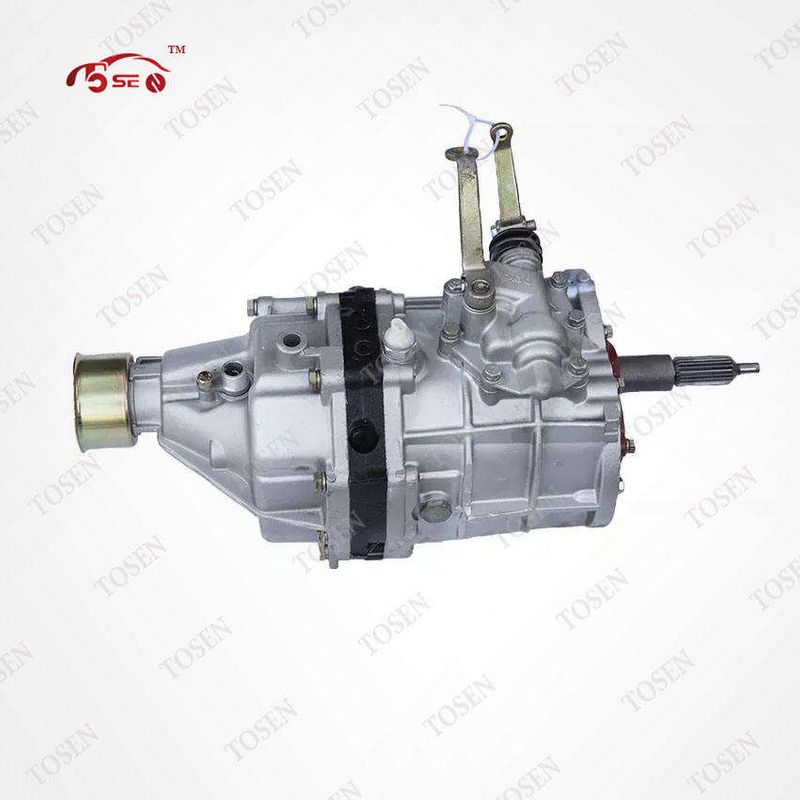
On the supply side, a supplier that lists the full 33030 sub-numbers — as we do on the 3L 5L Gearbox Spare Parts for Toyota Hiace page — is showing you exactly which variants it can support. If a listing only says “Hiace gearbox” with no OEM suffix, ask for the full number before you go any further.
2WD, 4WD and the Flange Question: What Actually Changes the Part
On the Hiace, the gearbox has to match the drive configuration first. A 2WD van uses a shorter tail section, while a 4WD van carries a transfer output that changes the length, the output shaft, and the way power leaves the box. The two are not interchangeable without a full case swap, and trying to force one into the other is a common and expensive mistake.
Two more details decide the parts you need. The input shaft spline and clutch disc size must match your engine and flywheel, and the output flange style must match your driveshaft. These are the “flange questions” that buyers usually overlook. You can often see the flange pattern only with the gearbox out of the van, so photograph it before removal. Alongside the flange, note whether the van shifts by direct lever or by a shift cable, and where reverse sits — these vary by year and can turn a “bolt-in” box into a retrofit.
Your VIN plus the drivetrain codes on the firewall plate settle most of these questions before anyone pulls a part. When you compare how different boxes behave on the road, our manual and automatic transmissions category shows the range we supply, so you can see the family a given 33030 number belongs to before you commit.
Gearbox Oil and Filter: What the 3L/5L Actually Takes
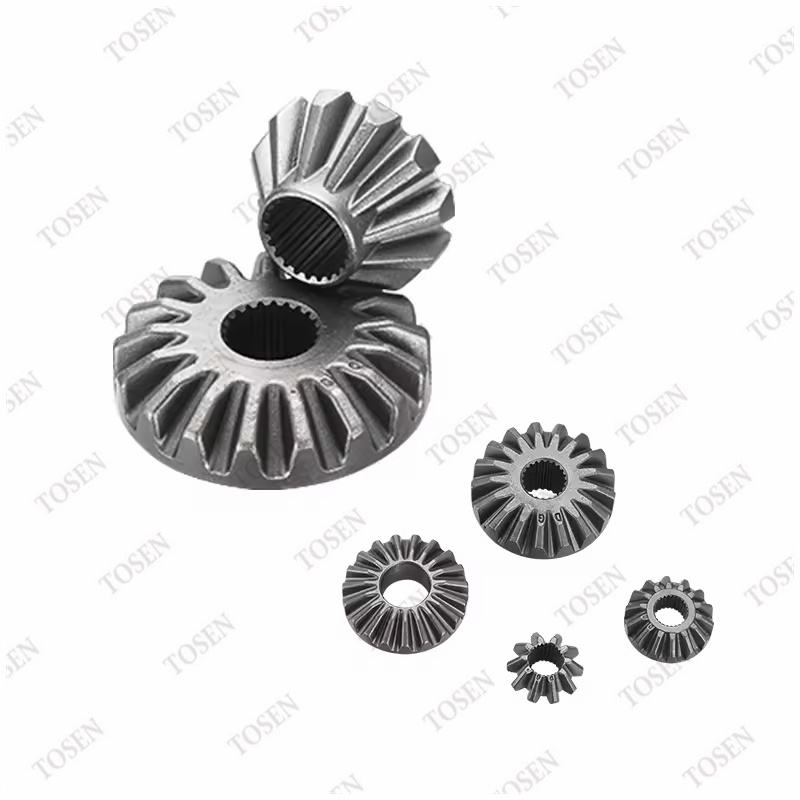
Manual gearboxes are less fussy than automatics, but they still have a spec. The correct oil grade and capacity for a 3L/5L box are published in the vehicle service data, and the type matters: using the wrong viscosity or the wrong friction package can make synchronizers feel vague and eventually burn them. The safest rule is to buy the grade listed in the service manual for your year, and to drain and refill with fresh oil rather than topping up a tired fill.
The filter side is simpler. Manual boxes typically use a pickup screen or a magnetic plug instead of a cartridge filter, and both are cheap to replace while the box is out. A clean screen and a checked magnet tell you whether the failure produced metal. If you find heavy debris, factor in a full internal inspection, not just an oil change. Service documents such as the rebuild guides you can find through manuals.plus make the same point: confirm the oil spec and inspect the screen for the exact model before you reassemble anything.
New or Remanufactured Gearbox Parts: How to Verify Condition
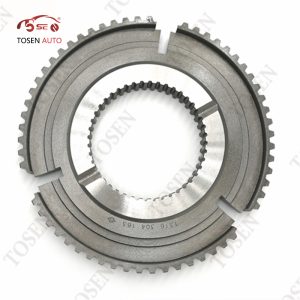
Both new and remanufactured 3L/5L gearboxes are on the market, and both can be sound. A new unit ships fresh gears, bearings, and synchronizers. A remanufactured unit starts from a used case that has been stripped, cleaned, and rebuilt with new wear parts where needed. The label alone does not tell you which one you are getting — the evidence does.
Ask the seller three questions. First, which parts were replaced: bearings, synchronizer rings, and seals are the common wear items, and a list of replacements says more than a polished case. Second, was the box tested after assembly, and can you see the test result? A cold-noise check and a shift-check across all gears are the practical minimum. Third, what does the warranty cover and when does it start — at shipment or at installation? Buyers who skip these three questions are the ones who discover a worn second gear the hard way.
At TosenAuto the same discipline applies: the 33030 suffix defines the build, and the condition evidence is presented before you quote rather than after you pay. For the wider selection logic across gearbox types, see our related technical guide comparing manual and automatic options for fleet buyers.
Core Returns, Wooden Crates and Sea-Freight Reality
If you buy a replacement gearbox on a core-exchange basis, the old box has to go back — and the terms of that return are part of the deal. Confirm before ordering whether the core is returnable, whether it must be drained of oil and fitted with a blanking cover, and who pays the return freight. A “core return” that turns into a surprise freight bill can erase the savings of a rebuild.
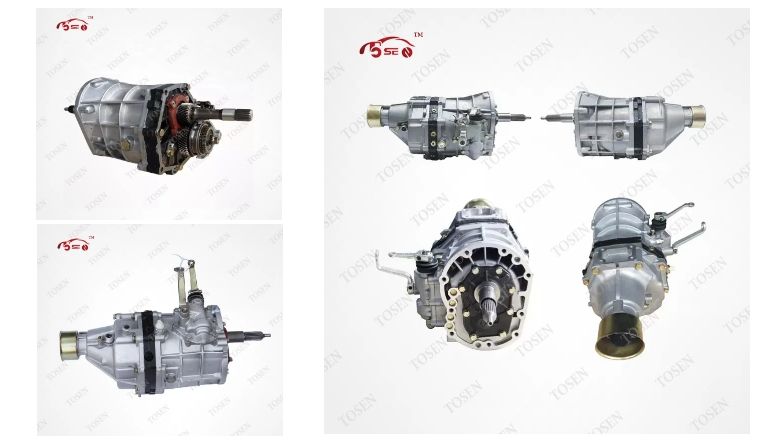
Shipping is the other half of the deal. A gearbox crosses an ocean in a wooden crate, and good crating is not decoration — it keeps the box from shifting, stops moisture from reaching the machined faces, and gives the carrier a solid unit to handle. Ask for the crate dimensions and gross weight before you book freight, because both affect your landed cost and your port handling. When the crate arrives, inspect it before signing the delivery note, and photograph any damage while the carrier is still present.
Installation Flow After the Gearbox Arrives
Once the new or rebuilt box is on your bench, the installation flow is where careful buyers protect their money. Start by matching the unit against the packing list and your original part number before anything is bolted in — this is the last cheap moment to catch a mistake. Check the bellhousing face, the input shaft spline, and the output flange against your old box side by side.
During the install, use new seals and gaskets at the flanges, torque the bellhousing bolts to the manual figure, and set the clutch and release bearing correctly. Fill the box with the correct grade of fresh oil before first run, then test through every gear with the van stationary and again on a short drive. Keep the photographs, the test notes, and the invoice together — they are the record that resolves a warranty question later. The whole loop closes with the same data the supplier should have asked for at the start: VIN, drive type, and the full 33030 number.
Frequently Asked Questions
Do all Toyota Hiace 3L and 5L models use the same gearbox?
No. The 3L and 5L engines share a gearbox family, but the exact unit differs by Hiace generation, market, and drive configuration. The full OEM suffix — for example 33030-0W641 versus 33030-0L010 — identifies the variant, so use the complete number, not the engine name.
How do I know whether I need a 2WD or 4WD gearbox?
Check the van’s drivetrain code (visible on the VIN plate) and the drive configuration. A 4WD box has a longer tail section and a transfer output. Photograph the output flange and count the spline teeth before removal so you can match the replacement exactly.
Can I reuse the old gearbox oil in the replacement unit?
No. Always drain and refill with the grade specified in the service manual for your year. Old oil carries wear debris that can damage new synchronizers and bearings on the first run.
Is a remanufactured gearbox as good as a new one?
It can be, if the seller documents which parts were replaced and shows a test result. Ask for the replacement list, the shift and noise test, and the warranty terms — and confirm whether the warranty starts at shipment or installation.
What should I do if the gearbox arrives damaged?
Photograph the crate and the unit before unpacking, note the damage on the delivery record while the carrier is present, and contact the supplier immediately. Keep the crate and packaging for the claim inspection.
Get a Fitment-Confirmed Quote
Submit your VIN, old-part label / OE number, model year, quantity, and destination port to receive a fitment confirmation and a quote. The 33030 suffix, the drive type, and the flange details you gather here are exactly what the supplier uses to build and ship the correct Hiace 3L/5L gearbox parts for your van.
References
- ATSG JF011E service manual — transmission model-name identification and rebuild procedure: atsg.walkelis.com (JF011E manual)
- Fender Bender — “The JF011E to the JF015E”: how close model families differ and why exact ID matters: fenderbender.com
- manuals.plus — service and rebuild document example for transmission oil and ratio checks: manuals.plus (B01HG13BMY)