If you are looking for a Toyota Hiace 9:41 differential, you probably already found the two numbers stamped on the old unit or written on the axle tag. That “9:41” is not a part number. It is the gear ratio, and it tells you exactly how many teeth are on the crown wheel (41) and how many on the drive pinion (9). This guide walks you through what that ratio means, how to confirm it matches your Hiace axle, the checks a serious buyer should run before paying, and the exact information a supplier needs to quote you correctly the first time.
What the “9:41” Ratio Means and How to Read Tooth Counts
The ratio is the crown wheel teeth divided by the pinion teeth: 41 ÷ 9 = 4.56. In practical terms, the driveshaft turns about 4.56 times for every full turn of the rear wheels. That number controls how the van pulls away loaded, how it cruises on the highway, and how much strain the drivetrain feels. A lower ratio (say 4.10) gives higher top speed with less revs, while a higher ratio (like 4.56) gives better low-speed pulling power for a loaded Hiace.
Reading the teeth is simple. Remove the rear cover or drain plug area, then count the teeth on the crown wheel and the teeth on the pinion. Many axles also carry a metal tag stamped with something like “9/41” or “9:41”. If you only see a code, look up that code against the axle model for the year and market of your van. Industry references such as the Spicer gear ratio calculator use exactly this tooth-count method, so you can confirm the math yourself before you call a supplier.
One warning before you buy: 9:41 and 10:41 look almost the same on paper, but they are different gear sets with different tooth counts and they are not interchangeable inside the same carrier. Mixing them up is one of the most common reasons a “correct” differential fails to bolt up or whines under load. When you order, say the ratio as both tooth counts (“nine and forty-one”), not just the decimal, and check the tag twice.
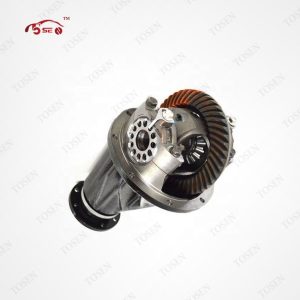
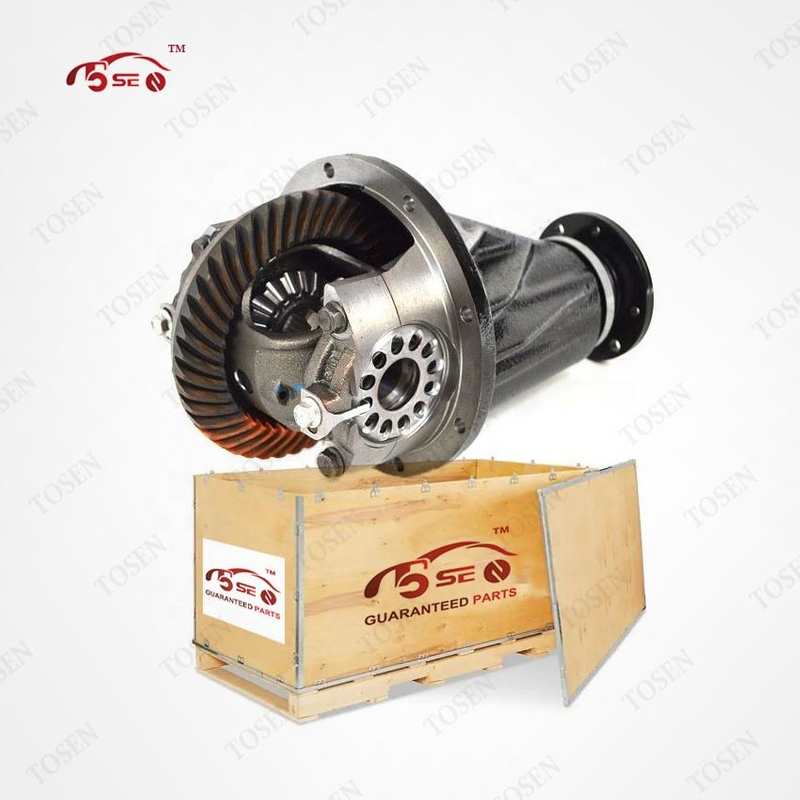
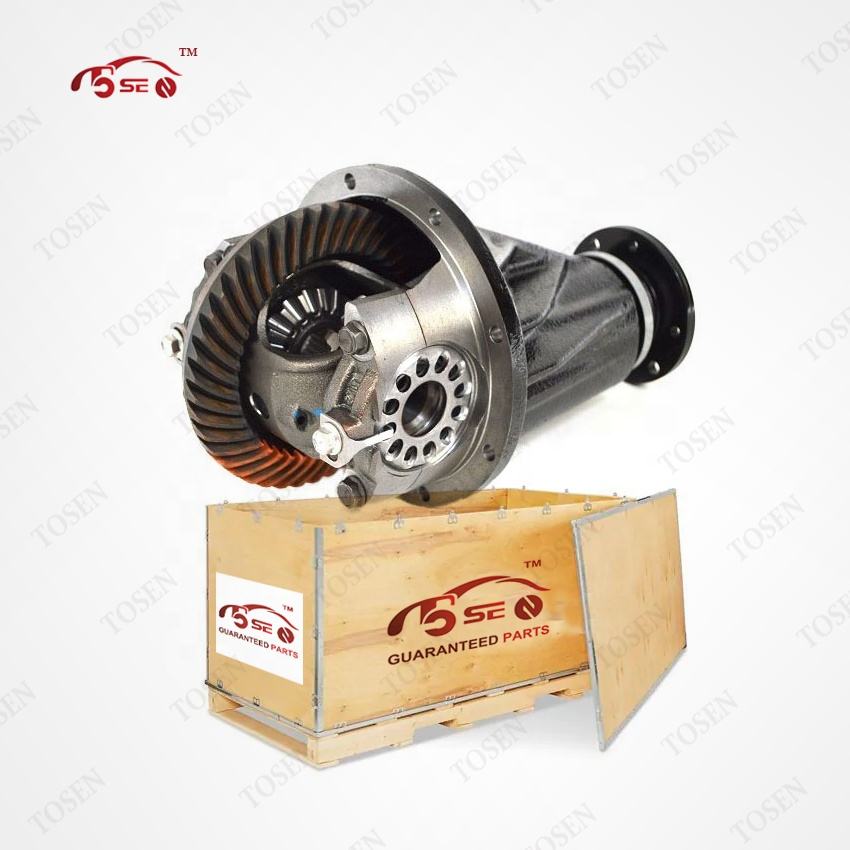
TosenAuto stocks a ready-to-ship unit built for this exact application. See the Rear Axle Differential for Toyota Hiace | 9 41 Ratio Replacement Part page for the fitment details of the complete assembly.
Front or Rear Axle: Checking the Carrier, Splines and Bearings
A Hiace has two differentials if it is 4WD and only one if it is 2WD, but the rear axle is where most failures happen. Before you order, confirm three things about the old unit: which axle it came from, the carrier style, and the spline count on the axle shafts and pinion flange. A rear differential for a 2WD Hiace usually sits in a banjo-style housing, while 4WD vans can carry a different carrier, so “fits Hiace” on its own is not enough detail.
Check the axle shafts where they enter the differential. Count the splines and measure the shaft diameter where the side gears slide on. Check the pinion flange bolt pattern and the companion flange that bolts to the driveshaft. Then inspect the two carrier bearings and the pinion bearings for scoring, brinelling, or movement. If the carrier is damaged but the housing is fine, a complete differential assembly that comes with new bearings is often the cleaner fix than reusing worn parts.
The same discipline applies to other trucks in this class. Isuzu’s own parts catalogue, for example, lists axle components against axle codes and chassis numbers rather than model names, which is the same logic any accurate supplier should use. Give your supplier the axle tag code or the numbers stamped on the housing and they can cross-check the carrier, spline, and bearing details before anything is built.
Complete Differential Assembly or Just Ring and Pinion Gears?
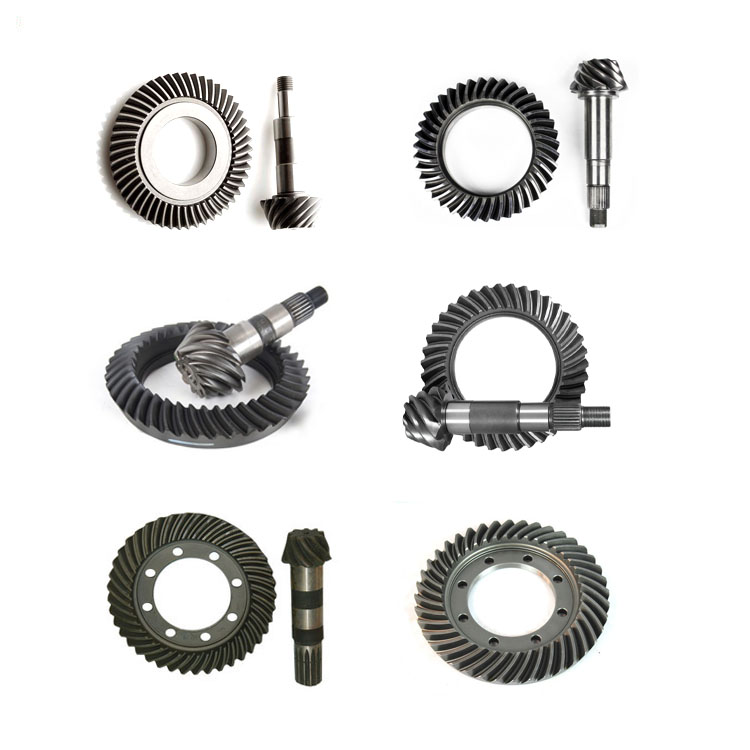
This is the biggest decision a buyer faces. A complete differential assembly arrives as one unit: carrier, ring and pinion, bearings, seals, and often the side gears. You swap it in and set it up, which cuts downtime. Ring and pinion gears only are cheaper, but they require your existing carrier to be in good condition, and the gears still need to be set up with correct shims, preload, and backlash. If the old carrier bearings are worn, buying gears alone can leave you with a noisy unit that fails quickly.
For a workshop doing regular Hiace repairs, the complete assembly usually wins on labour alone. For a specialist who wants to re-gear an existing carrier with known good bearings, gears-only makes sense. Either way, the tooth-contact and backlash checks in the next section apply, because the gear set is only as good as its setup.
To compare complete units and gear sets across the range TosenAuto supplies, browse the differential assemblies and gear sets category and narrow by ratio and application.
Tooth Contact, Backlash and Bearing Checks Before You Pay
Any differential, new or rebuilt, should be verified the way a drivetrain specialist would check it. Three checks matter most: tooth contact pattern, backlash, and bearing preload. The contact pattern is made by coating the ring gear teeth with marking compound and turning the gears. A correct pattern sits centered on the tooth flank, not high, low, or on the edge. Bad contact usually means the pinion depth is wrong, which produces a whine that never goes away.
Backlash is the small gap between the ring and pinion teeth. It is measured with a dial gauge on the ring gear while the pinion is held still, and it should sit inside the range the axle spec allows. Too little backlash overheats the teeth; too much causes clunking on take-off and accelerated wear. Bearing preload matters too, because the pinion bearings and carrier bearings hold the gears at the exact position the contact pattern depends on. If a supplier cannot state the backlash it ships, treat that as a red flag.
Specialist gear houses make the same point. Quaife, which builds crown wheel and pinion sets for motorsport and road use, publishes the setup checks that decide whether a gear set lives or dies, and tooth contact is at the top of the list. Ask a seller for the same evidence you would demand from your own fitter: photos of the contact pattern and the backlash reading taken at the time the unit was set up.
Our related technical guide explains ratios and crown-and-pinion matching in more depth if you want to verify the gear-set logic before you commit.
Heavy-Load Duty, Whining and the Warranty Responsibility Line
Hiace vans spend much of their working life loaded, and a differential that is fine unloaded can overheat or whine under constant heavy load. Ask the supplier how the unit is tested and whether the gear set, bearings, and seals are matched to the standard load for this van class. A “100-tested” assembly that has been run and checked before shipping answers the question far better than a label.
Whining after installation is the most common complaint, and it is usually a setup problem, not a parts problem. It can come from incorrect pinion depth, wrong backlash, a preload that is too loose, or a worn bearing that lets the gears move. Before you blame the supplier, document the symptom: when it appears (acceleration, coasting, constant speed), whether it is a steady whine or a clunk, and what the oil level looked like. That record decides warranty outcomes.
Agree on the responsibility line in writing before you order. A warranty normally covers the supplied assembly against manufacturing defects, not damage from poor installation, the wrong oil, or a load beyond the design. Keep the invoice, the setup data, and a photo of the old unit’s tag together, because that is what a fair claim rests on.
Frequently Asked Questions
How do I know if my Hiace has a 9:41 differential?
Check the metal tag on the axle housing or count the teeth yourself: 41 on the crown wheel and 9 on the pinion. Match the tag code against the axle model for your Hiace year and market before ordering.
Is a 9:41 the same as a 10:41 or 10:43?
No. Each ratio is a different gear set with different tooth counts and they are not interchangeable in the same carrier. Confirm the exact tooth count, not just the model name, before you buy.
Should I buy a complete differential assembly or just the ring and pinion?
A complete assembly is the safer choice if your carrier or bearings are worn, because everything is matched and ready to install. Gears only make sense when the existing carrier is known to be good and set up correctly.
What causes whining noise after a differential replacement?
Most whining comes from setup errors: wrong pinion depth, incorrect backlash, or loose bearing preload. Document when the noise appears and check the contact pattern and backlash before assuming the parts are bad.
Can I confirm fitment before I pay?
Yes. Send the axle tag code, tooth count, VIN, and model year. A responsible supplier confirms the carrier, splines, and bearings against that information before shipping.
Get a Fitment-Confirmed Quote
Submit your VIN, old-part label / OE number, model year, quantity, and destination port to receive a fitment confirmation and a quote. Include a photo of the axle tag or the old unit if you can — the tooth count on that tag is the single most reliable way to confirm a 9:41 rear differential is the right part for your Hiace.
References
- Spicer Parts — Gear Ratio Calculator (tooth-count ratio math): spicerparts.com/calculators/gear-ratio-calculator
- Isuzu Parts Catalogue — axle code and component lookup method: isuzucomlen.com (Download Catalogues)
- Quaife — Crown Wheel & Pinions range and setup guidance: quaife.co.uk/crown-wheel-pinions