The Toyota Hilux 4×2 manual gearbox is one of those parts that looks simple on the shelf but is surprisingly easy to order the wrong version of. A rear-wheel-drive 4×2 uses a different bellhousing, a different input-shaft length, and in many model years a different output flange than a 4×4 of the same engine. If a gearbox arrives with the wrong combination, the install stops on day one and the return cost is real. This guide is written for workshops, parts importers, fleet maintenance leads, and full-container wholesalers who need a clean answer before they commit a purchase order.
How Do You Confirm the Right Manual Gearbox Model for a Hilux 4×2?
Fitment starts with three identifiers and a clear rule about which one wins when they disagree: the chassis VIN, the gearbox model code on the data plate, and the engine code on the block. When all three agree, fitment is safe. When two agree and one does not, the model code on the data plate is the one you trust, because the data plate records the unit that was actually installed at the factory.
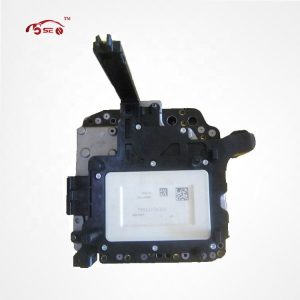
For a Hilux 4×2, the gearbox code is usually a Toyota 33030-series number or a G-series code such as G52, G58, or R150/R151 depending on the engine and model year. The 2KD-FTV 2.5-litre diesel, the 1GD-FTV 2.8-litre, and the 2TR-FE 2.7-litre petrol each have their own gearbox code family, and the codes do not always cross. The same caution applies if you are also looking at Jatco CVT units such as the JF011E / RE0F10A used in some automatic Hilux applications — a CVT code and a manual gearbox code are never interchangeable, and confusing the two is a common mistake when a buyer is comparing listings side by side.
The clearest way to confirm is to send the supplier the full 17-character VIN plus a clear photograph of the gearbox data plate. Toyota’s published Hilux workshop manual shows the location of the data plate on the housing and the format of the stamped code, so the value on the plate is something you can read and verify rather than guess. A supplier who asks for both pieces before quoting is following the right process; a supplier who only asks for “Hilux 4×2 manual gearbox” and quotes a single price is taking a risk with your money.
Two mix-ups are worth flagging. First, a 4×2 and a 4×4 gearbox cannot be swapped — the transfer-case interface, output flange, and overall length differ. Second, a gearbox code is not always the same across model years; Toyota revised bellhousing and input-shaft details within the 33030 family during production. The VIN plus the data plate is the only safe way through both traps.
What Ratios and Input/Output Flange Details Actually Matter?
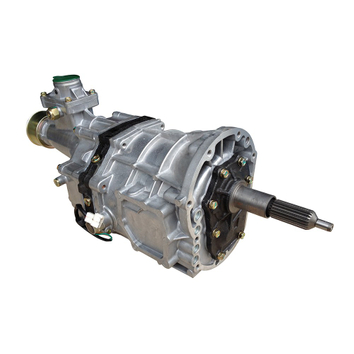
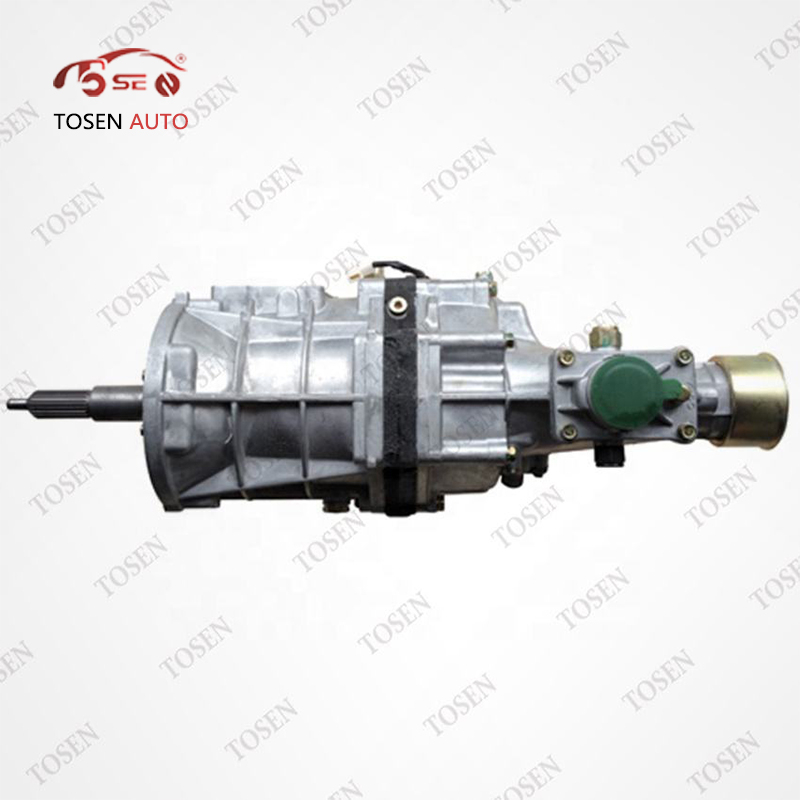
Once the model code is confirmed, the next layer of detail is mechanical. A manual gearbox is defined by its gear ratios, the input-shaft spline count and length, and the output-flange pattern. For a Hilux 4×2 application, the ratios that matter most are first gear (for low-speed pulling), fifth or sixth gear (for cruising RPM at highway speed), and the reverse ratio. The published ratio sheet for a given model code is the only place to read them, and a careful supplier will include that sheet in the quote package.
The input shaft is the second detail that trips buyers. The 33030-series boxes used in the Hilux 4×2 have a specific spline count and pilot diameter that must match the engine’s flywheel and clutch disc. If the input shaft is even a few millimetres off, the clutch will not centre, the throw-out bearing will not seat, and the install stops. This is also where aftermarket and OEM-style units can look identical from the outside but differ on the spline, so a side-by-side photograph of the input shaft on the old and new gearbox is worth taking before the unit ships.
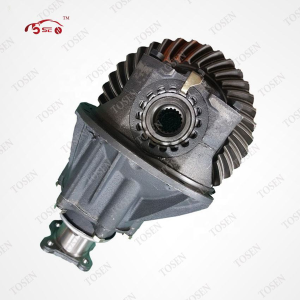
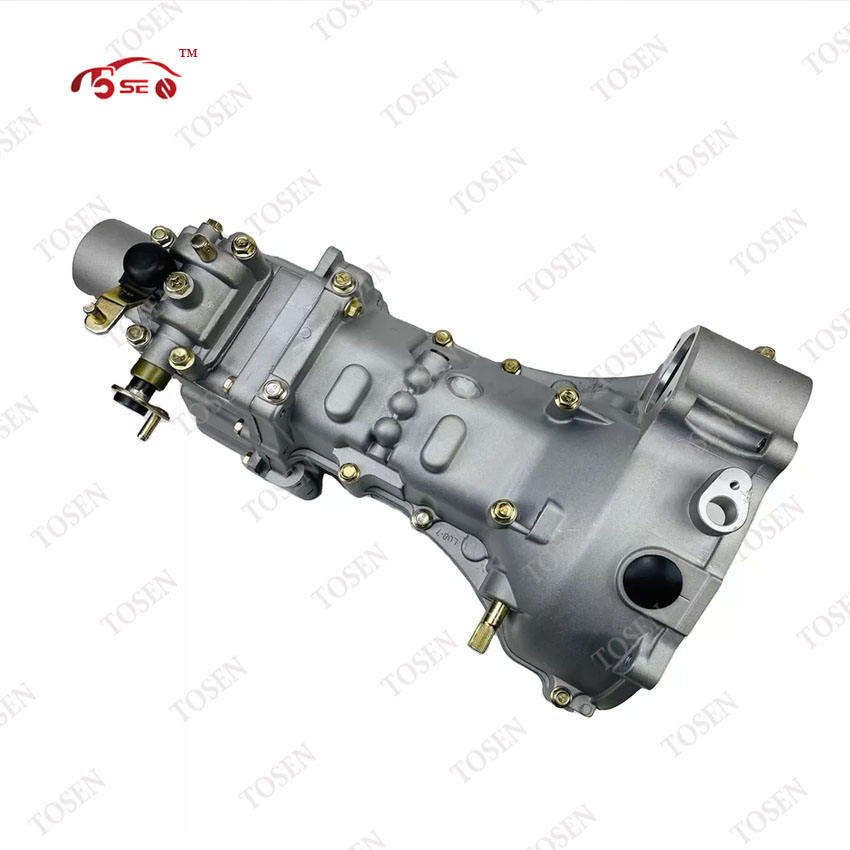
The output flange is the third detail. On a 4×2 Hilux, the output flange bolts to a two-piece drive shaft and carries driveline torque into the rear differential. A 4×4 unit uses a different output flange because the transfer case sits inboard of the gearbox. That is one of the cleanest visual cues when you compare a 4×2 and a 4×4 gearbox side by side, and the easiest mistake to avoid once you know to look. A buyer who specifies the flange pattern in writing before purchase removes a whole class of wrong-shipment.
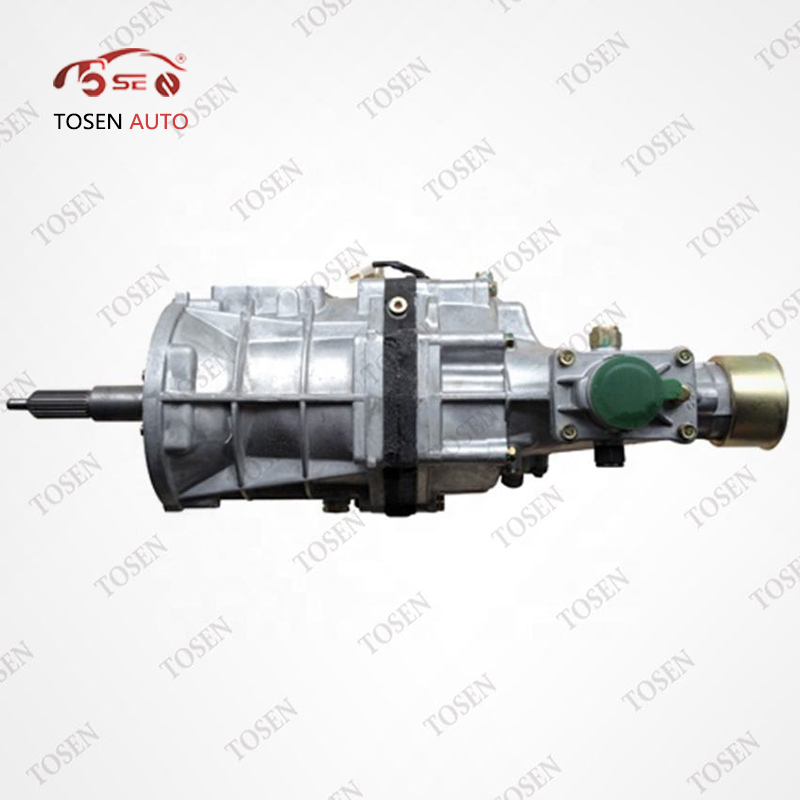
For a unit built for the 4×2 application, the Manual Gearbox for Toyota Hilux 4×2 – and Reliable page documents the application anchor and the configuration shipped, so it is a useful reference when you are lining up the data plate on your donor gearbox with the unit you intend to buy.
Gear Oil, Filter and the Service Items Around the Box
A manual gearbox is often replaced without anyone touching the oil, which is a missed opportunity. Fresh gear oil is the cheapest insurance on a freshly installed box, and the wrong grade is the most common cause of a noisy cold start and a gearbox that never quite shifts as cleanly as it should. Toyota’s Hilux workshop manual lists the oil grade and capacity for each gearbox code, and a drain-and-refill with the correct spec is a thirty-minute job that pays back the first time the vehicle is asked to work a long, hot shift cycle.
Most 33030-series boxes use a GL-4 manual transmission oil in the 75W-85 or 75W-90 range, with a capacity in the low single digits of litres. The filler and the drain are on the same end of the housing, and a level check is done through the filler once the oil starts to weep. There is no spin-on filter on a manual gearbox of this type, but there is a magnet on the drain plug and in some variants a small internal filter screen. Pull the magnet on the first oil change after a new install; a light grey dusting is normal, but any bright metal or chips means the unit was run dry or damaged.
If the install is part of a larger driveline job, the clutch disc, throw-out bearing, pilot bearing, and rear main seal are the items that get touched at the same time. Skipping any of them is a false economy, because the labour to access the gearbox is the dominant cost and a worn pilot bearing or a weeping rear main seal will force the gearbox back out within a season. Plan the full clutch-and-seal set at the same time as the gearbox itself.
To compare the Hilux 4×2 manual gearbox against the wider Toyota gearbox and driveline range, browse our manual and automatic transmissions category. It covers the Toyota line alongside the Isuzu, Mitsubishi, and Volkswagen / Audi units that workshops often service alongside a Hilux.
New vs Remanufactured and the Core Return
A new manual gearbox and a remanufactured one are both legitimate options, but they have different cost, different risk, and different paperwork. A new unit is built from fresh castings, ships with a defined warranty, and arrives with a clean test record. A remanufactured unit starts from a used core that is cleaned, crack-tested, and reassembled to specification. The upside is price; the risk is variability in the rebuild, which is why a reman supplier who can show a test sheet is a different proposition from one who hands you a box and a serial number.
Core return is the second piece. A remanufactured unit is sold against your old gearbox as a core, and the supplier credits the core value when the old unit arrives matching the inspection checklist — no cracked housings, no missing parts, all sensors returned with the unit, and the box drained of oil. If the core fails the inspection, the credit is reduced or removed, so agree the criteria in writing before the new unit ships. For a Hilux 4×2, the core question is worth raising early because the 2WD bellhousing is less common than the 4WD unit.
Independent buying guides such as United Engine’s replacement engine and transmission guide make the same point: verified test data and a written rebuild record are the two signals that a reman unit is sound. A new unit avoids core variability; a reman unit is trustworthy when the rebuild is documented and the supplier stands behind it. For a workshop or fleet, the choice comes down to downtime budget and warranty appetite for the specific vehicle.
For the broader logic of how a Hilux 4×2 manual gearbox compares with the automatic and CVT units in a mixed fleet, the related technical guide on manual vs automatic transmissions in fleet use is a useful companion read. It does not replace the model-specific fitment check, but it does put the manual option in the context of total cost of ownership and downtime.
Crate, Sea Freight and the First-Start Line
Most Hilux 4×2 manual gearboxes cross an ocean in a wooden crate. Good crating is not packaging theatre. It stops the machined faces from corroding in salt air, and it keeps the input shaft and output flange from being damaged by a shifting load. A standard 5-speed Hilux 4×2 gearbox is roughly 60 to 70 centimetres long and weighs 40 to 60 kilograms depending on the castings, so a single box in a plywood crate with foam bracing is the typical configuration. On arrival, photograph the crate before you sign anything, and photograph the unit again before you uncrate it. Any damage to the housing or flange is a conversation with the carrier and the supplier while the paperwork is still open.
The second half of the deal is the first-start line. A replacement gearbox is a dressed assembly, not a tuned driveline. The installer is responsible for fitting the gearbox to the engine, connecting the clutch hydraulics or cable, refilling the gear oil to the correct level, bleeding the clutch, and carrying out a controlled first start with the wheels off the ground. That boundary decides most warranty outcomes. A written agreement before purchase — what the supplier ships, what the installer supplies, and where the responsibility line sits — is the single best way to avoid a blame loop if something goes wrong in the first hundred kilometres.
Frequently Asked Questions
Does a 33030-series gearbox code cross over between different Hilux model years?
Within the same engine family, the 33030-series code is often shared across several model years, but Toyota revised bellhousing and input-shaft details during production, so a gearbox stamped for one year range may not bolt to an engine in another. Confirm by reading the data plate on the donor gearbox and matching it against the supplier’s fitment table.
Is a 2WD (4×2) Hilux manual gearbox the same as a 4×4 gearbox?
No. The 4×2 unit has a different output flange, a different overall length, and no transfer-case interface. The two are not interchangeable, and a 4×4 gearbox cannot be fitted to a 4×2 driveline without modifying the output flange and drive shaft.
What gear oil does a Hilux 4×2 manual gearbox take?
Most 33030-series boxes use a GL-4 manual transmission oil such as 75W-85 or 75W-90. The exact grade and capacity for your gearbox code are listed in the Toyota Hilux workshop manual; follow that spec rather than a generic recommendation.
Should I choose a new or remanufactured gearbox?
Both can be sound. A new unit avoids core variability and ships with a clean test record. A remanufactured unit costs less but should come with a written rebuild record and a test sheet. The choice depends on your downtime budget and warranty appetite.
How is the gearbox crated for sea freight, and what should I check on arrival?
A standard Hilux 4×2 5-speed gearbox ships in a plywood crate with foam bracing, typically 60 to 70 centimetres long and 40 to 60 kilograms. Photograph the crate and the unit before signing, and check the input shaft, output flange, and housing for transit damage before the carrier leaves.
What about core return on a remanufactured gearbox?
The supplier credits the core value when the old gearbox is returned drained of oil, with all sensors attached, and with no cracked housings or missing parts. Agree the inspection criteria in writing before the new unit ships.
Get a Fitment-Confirmed Quote
Submit your VIN, the old-part label / OE number on the gearbox data plate, the model year, the quantity, and the destination port to receive a fitment confirmation and a quote. The same identifiers that prove fitment become the records used to ship the correct Toyota Hilux 4×2 manual gearbox, and they protect both sides when the crate is opened on arrival.
References
- Toyota Hilux repair manual — gearbox data plate location, gear oil grade, and first-start procedure: manuals.plus — Toyota Hilux service manual
- United Engine — Replacement engine and transmission buying guide: unitedengine.com/replacement-engine-buying-guide
- ATSG / Jatco reference on transmission model codes and interchange (industry reference, not a claim that the Hilux 4×2 manual gearbox is a Jatco unit): atsg.walkelis.com — JF011E reference