A model name and 1.8T badge are not enough to approve an engine order. The Audi A6 C5 application appears with several engine codes, while current sellers use the same scope words for very different groups of parts.
That turns an Audi A6L 1.8T engine replacement into an evidence problem before it becomes a price problem. The workshop, buyer, and supplier need the same record of vehicle identity, exact code, configuration, condition, included parts, transferred systems, warranty, packing, and first-start responsibility.
This guide shows how to build that record and use it to compare repair, rebuild, used, remanufactured, exchange, and long-block routes. Vehicle-specific diagnosis and installation still belong to a qualified technician using the applicable Audi workshop information.
Audi A6L 1.8T engine replacement starts with an identity record
| Item | Description |
|---|---|
| Code-only lead | A possible engine family match with no vehicle or interface approval. |
| Conditional match | A proposed unit tied to named missing photos, references, or configuration checks. |
| Approved sourcing identity | A written record linking vehicle data, exact engine code, configuration, and quoted scope. |
- Record the complete VIN, market, model, build date, body style, drivetrain, and transmission details available to the workshop.
- Photograph the engine-code marking in place and transcribe every character; do not rely on an old invoice or badge.
- Photograph mounts, sump, intake and exhaust interfaces, turbo, wiring connectors, sensors, coolant and oil connections, and accessory positions.
- Record readable OE, casting, ECU, transmission, and major-component references without assuming one number proves the whole assembly.
- List which original systems are intended to transfer and which are already known to be damaged, contaminated, missing, or changed.
- Attach the current fault history, technician's diagnosis status, and any reason the original core is being rejected or retained.
Identity gate
If the code marking or configuration is missing, issue only a conditional inquiry. A supplier reply cannot repair an incomplete source record.
Treat AEB, ANB, APU, ARK and AWT as separate fitment cases
| Evidence item | Why it matters | Acceptable record |
|---|---|---|
| Engine code | Current application material lists several codes under A6 C5 1.8T | Clear marking photo plus exact transcription |
| VIN and build context | Production, market, body, drivetrain, and transmission can narrow configuration | Vehicle data plus supplier's written match basis |
| Interfaces | Mounts, sump, connectors, sensors, manifolds, turbo and accessories can change installation work | Side-by-side photos or references with differences named |
| Control and emissions | ECU, sensors and emissions hardware must remain compatible and legal for the destination | Retained-system list and local compliance check |
| Supplied scope | A correct core can still be unusable if required interfaces or transfer parts are absent | Line-item inclusion, exclusion, and transfer schedule |
Continental's current application catalog and Meyer Motoren both associate the A6 C5 1.8T with multiple codes, including AEB, ANB, APU, ARK, and AWT. That is family-level evidence. It does not show that any one long block, electronics package, transmission pairing, or accessory layout can replace every other case.
- Ask the supplier to name the exact code and configuration being offered.
- Require every proposed difference or conversion to be listed with parts, labor, calibration, compliance, and warranty ownership.
- Reject phrases such as 'same 1.8T' or 'fits all C5' unless the seller provides a documented match for the recorded vehicle.
- Use the engine code versus VIN guide as supporting method, not as a substitute for the unit-specific approval.
Compare routes at first-start-ready scope
| Route | Typical supplied or retained core | Evidence and buyer work | Main uncertainty |
|---|---|---|---|
| Targeted repair | Original engine and most systems remain | Confirmed cause, repair procedure, parts, measured post-repair checks | Hidden consequential damage |
| Rebuild original core | Original block/head and identity retained where serviceable | Teardown measurements, machine and parts scope, reapproval triggers | Scope can grow after disassembly |
| Used donor engine | Condition and accessories depend on the donor and listing | Donor/code/OE history, inspection, excluded parts, transfer plan | Unknown wear and limited evidence |
| Remanufactured or exchange engine | Processed core with seller-defined replacement scope | Process record, supplied parts, core-return terms, warranty conditions | Labels and rebuild depth vary |
| New long block | New assembled block-and-head core with seller-defined extras | Exact code/configuration, included parts, transferred-system and commissioning plan | Fitment and ancillaries remain separate decisions |
Current AEB listings prove why the table matters. One seller describes a remanufactured block-and-head unit while transferring the turbo and several systems. Another calls a used engine complete while excluding the turbo, starter, alternator, pumps, injectors, and clutch. Neither label is useful until every offer reaches the same first-start-ready boundary.
Cost comparison rule
Add diagnosis, teardown, transfer parts, cleaning, timing/service items, fluids, programming, labor, freight, core return, taxes, commissioning, and warranty obligations before ranking price or downtime.
If the original failure mechanism or retained-system condition is unknown, approve the next evidence step—not the engine purchase.
Build a unit-linked evidence chain before price approval
- Identify the unit. Require current photos of the complete offered engine, code/OE markings, serial or seller stock ID, all sides, interfaces, included parts, and visible damage or corrosion.
- State the condition path. For used engines, request donor and removal records. For rebuilt or remanufactured units, request the inspected, measured, machined, renewed, and rejected items.
- Name each test and inspection. Ask for method, equipment, conditions, date, raw results, reference or acceptance basis, limitations, and the person or organization that issued the record.
- Connect the evidence to scope. A tested core does not automatically warrant included turbo, injectors, sensors, starter, alternator, manifolds, or transferred systems.
- Record the decision changed. Mark each item accepted, conditional, rejected, or not applicable and name what closes the condition.
Fair Motors provides a useful commercial example by separating a tested AEB core from included but untested ancillaries. Ecooparts and Autoparts24 show another kind of evidence: donor, mileage, code, OE, transmission, and condition fields. These records are not a guarantee of fitment or life; they show the level of traceability a buyer can request.
Evidence rule
'Tested,' 'low mileage,' and 'OEM quality' are conclusions. Keep them out of the approval record until the exact unit, method, result, scope, and warranty consequence are documented.
Assign installation and first-start responsibility in writing
- Diagnose and document the original failure mechanism.
- List every retained or transferred system and its inspection, cleaning, repair, or replacement action.
- Confirm the applicable vehicle-specific workshop procedure, parts, fluids, tooling, calibration, and legal constraints.
- Install with named hold points before closing inaccessible areas or adding first-start fluids.
- Commission under the technician's plan and record pressure, leakage, cooling, scan, and operating observations required by that plan.
- Stop on a failed check, preserve evidence, and follow the agreed seller/installer response route.
- Name who approves the diagnosis, fitment, transferred systems, installation, programming, first start, road/loaded verification, and warranty file.
- State which oil, cooling, air, fuel, exhaust, turbo, electrical, and control parts remain from the original vehicle.
- State how contamination, debris, overheating, lubrication loss, or another original cause is checked and corrected before commissioning.
- Keep photos, measurements, invoices, scan records, fluid/part evidence, and signed hold points required by the written warranty.
- Use the engine assembly selection guide for a broader scope checklist, then apply the exact Audi workshop information to this vehicle.
Do not convert this allocation into a generic installation procedure. Methods, specifications, and limits belong to the qualified workshop and the applicable Audi information. The procurement record should show who performs each check and who decides what happens when a result is outside the allowed range.
Audit the offer, seller and warranty as one package
- Legal seller name, address, contact, invoice entity, currency, tax, Incoterm or delivery responsibility, and quote validity.
- Exact unit identity, engine code/configuration, condition definition, current photos, quantity, and inclusion/exclusion schedule.
- Inspection or remanufacturing record, test evidence, known defects, preservation status, and storage date where available.
- Price, deposit, core charge, acceptable-core criteria, return deadline, inspection method, rejection deductions, and freight owner.
- Production/dispatch lead time, packing method, package dimensions/weight, transport route, insurance, and damage notification deadline.
- Warranty start, duration, installer eligibility, required pre-install actions, excluded systems, service records, claim evidence, remedy, labor/freight/core liability, and dispute route.
| Seller statement | Buyer-required confirmation | Hold trigger |
|---|---|---|
| Fits Audi A6L C5 1.8L | Exact code, VIN/build/configuration basis and interfaces | Model-only or family-only answer |
| Long block or complete engine | Signed included/excluded/transfer-parts list | Scope changes between page, quote and invoice |
| Tested | Unit-linked method, date, raw results, conditions and scope | Generic sheet or no unit identity |
| Warranty included | Eligibility, start, exclusions, evidence, remedy and cost ownership | Installer duties or claim deadlines absent |
| Export packed | Restraint, protection, ISPM 15 where applicable, photos and receiving protocol | No pre-dispatch record |
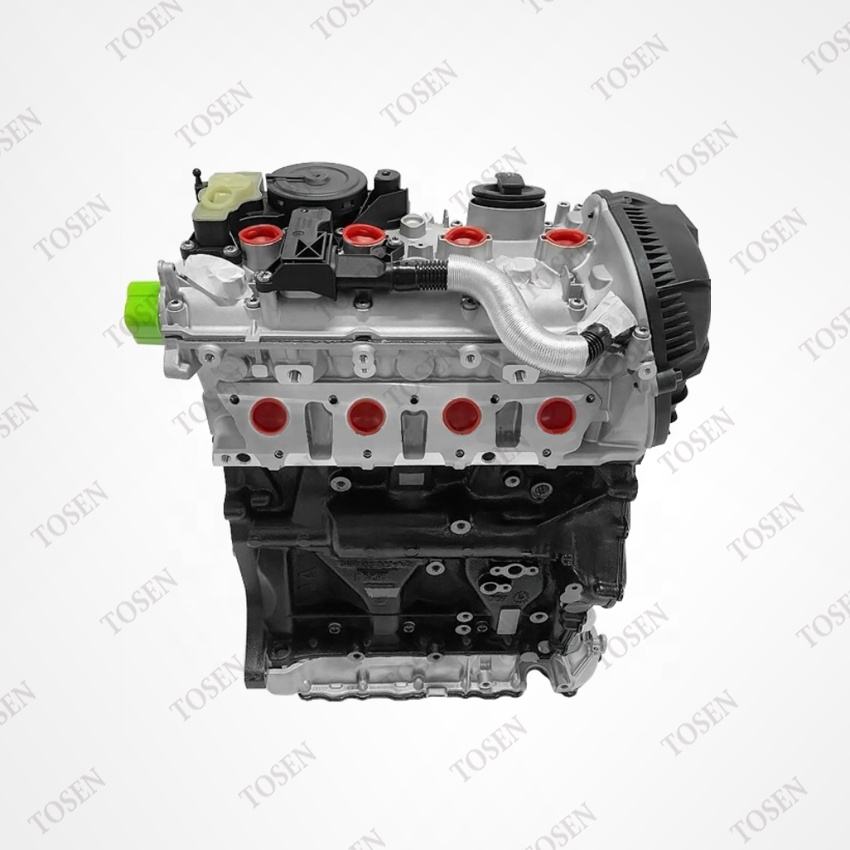
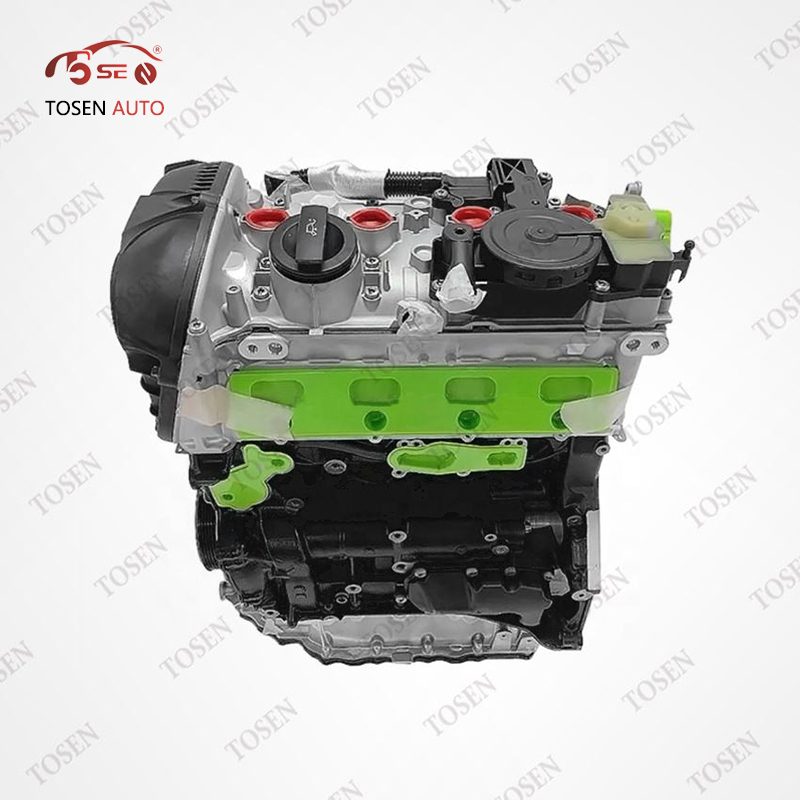
TOSEN's live Audi A6L C5 1.8L long-block page is a real commercial starting point. It does not publish a precise engine code or OE number for this listing. Treat the image and landing page as offer context only; require exact fitment, supplied scope, condition evidence, warranty, and logistics in the order documents.
The broader engine assemblies and long blocks category provides alternatives. Apply the same identity, evidence, scope, and responsibility gates to every listing.
Control crating, freight and receiving evidence
- Approve the packing plan. Confirm fluid state, open-port protection, corrosion/moisture control, lifting points, base restraint, accessory separation, center-of-gravity marking, package dimensions, and weight.
- Require dated pre-dispatch photos of the engine, markings, included parts, internal restraints, closed package, labels, and seal or tamper evidence.
- For regulated solid-wood crates or dunnage in international trade, verify the applicable destination requirements and a valid ISPM 15 mark from an authorized source.
- At receipt, photograph every face before movement, then record labels, seal, impacts, punctures, tilt/water signs, loose restraints, missing parts, corrosion, and visible engine damage.
- If condition is disputed, stop unpacking or installation at the agreed hold point, notify the carrier and seller within the written deadline, and preserve the package and evidence.
- Bill of lading, commercial invoice, packing list, package ID and carrier delivery record
- Pre-dispatch and receiving photos tied to the same engine and package
- Damage notation, notification time, claim number and seller response
- Controlled unpacking record and included-parts reconciliation
Receiving gate
A clean delivery receipt is not proof that concealed damage is absent. Follow the written inspection and notice process before installation consumes the evidence.
Send one RFQ packet and use a hold gate
- Buyer/contact, destination, required date, quantity, vehicle VIN/build data, exact engine-code photo, drivetrain/transmission, and market.
- Photos of the original engine and all critical interfaces, plus OE/casting/component references and known modifications.
- Technician's diagnosis status, original failure mechanism, core condition, and systems that must transfer or be replaced.
- Requested route and condition: used, rebuilt, remanufactured/exchange, or new; long block or another exact scope.
- Required inclusion/exclusion list, unit-linked evidence, known defects, core terms, lead time, packing, freight, warranty, and claim process.
- A response table for exact match, proposed differences, assumptions, missing evidence, price components, validity, and the person approving fitment.
Decision state
Approve only when identity, configuration, scope, evidence, responsibility, warranty, and logistics are complete.
Conditionally approve when each missing item has an owner and deadline. Hold when a supplier substitutes a code, scope, condition, or term without written evidence.
Use this packet before opening the product page or asking for a final price. It keeps the conversation educational at the Awareness stage while giving the supplier enough information to return a fitment answer that the workshop can review.
Frequently Asked Questions
Is the Audi A6 C5 1.8T engine code enough to order a replacement?
No. The exact code is essential, but the supplier should also match the VIN/build context, transmission and drivetrain, control and emissions configuration, interfaces, OE references, and intended transfer parts. Record any missing item as a condition, not an assumption.
Can an AEB engine be replaced by ANB, APU, ARK or AWT?
Do not assume interchange from displacement or vehicle family. Current application sources list these codes under A6 C5 1.8T, while code-specific sellers describe different management, sensor, and scope boundaries. Approve only an exact documented match or a complete, legal conversion plan.
What is normally included with a long block?
Usually the assembled block-and-head core, but timing parts, sump, manifolds, turbo, fuel system, sensors, starter, alternator and accessories vary. The signed inclusion/exclusion list—not the term 'long block'—controls the purchase.
What test evidence should come with a replacement engine?
Ask for evidence tied to the exact unit: identity photos, condition or rebuild history, test/inspection method, conditions, date, raw results, acceptance basis, issuer, and limits. Also confirm which included or transferred components are outside that evidence.
When should the replacement-engine warranty start?
There is no universal answer. The offer must state the start event, installer eligibility, installation and service requirements, claim deadline, required evidence, exclusions, remedy, and who pays labor, freight, or core costs. Resolve these terms before dispatch.
Approve the evidence chain, not the label
The safest comparison begins with the exact vehicle and engine identity, then adds route, supplied scope, unit-linked evidence, transferred systems, installation ownership, warranty, packing, and receiving controls. A model name, engine-family list, or 'tested complete engine' description cannot replace that chain.
Give the same packet to the workshop and every supplier. Approve only a response that closes the fitment and responsibility record; otherwise name the missing evidence and hold the order.
Use the verification checklist first. Then review the existing Audi long-block or engine-assemblies page and request written confirmation for the recorded code, configuration, scope, evidence, warranty, and destination. In-article RFQ and hold checklist